REVIEW · DHARAMSALA
Kareri Lake Trek & Indrahar Pass Trek
Book on Viator →Operated by Tripills · Bookable on Viator
Kareri Lake feels like a reward for effort. This 3-day, 2-night trek in the Himalayan foothills near Dharamsala pairs a private guided hike with real camp life and big scenery time around Kareri Lake.
I especially like two parts: you get meals included for the whole trek, and the operator supplies camping comfort gear like tents and sleeping bags so you do not have to haul everything yourself. That makes the whole thing feel simpler, not just cheaper.
One drawback to plan for: this trek expects moderate physical fitness and runs in a weather-dependent area. If you want zero exertion or guaranteed clear skies, this is not the right gamble.
In This Review
- Key points worth knowing
- Kareri Lake Trek near Dharamsala: what makes it feel worth your time
- From Dharamsala to Rioti campsite: starting smart and arriving before dark
- Rioti to Kareri Lake: the climb, the temple stop, and the best kind of downtime
- The return to Dharamsala: fewer thrills, more satisfaction
- What the included camping gear really does for you
- Meals on trek: why included food is more than convenience
- Private trekking changes the feel more than you’d expect
- Price and value: how $76.79 per person holds up
- Indrahar Pass mention: what to confirm before you go
- Who this trek is best for (and who should sit this one out)
- Practical tips so you arrive ready
- Should you book Kareri Lake Trek with Indrahar Pass included?
- FAQ
- Where does the trek start and end?
- What time does the tour start?
- How long is the trek?
- Is this trek private?
- What is the main sightseeing stop on the trek?
- What is included in the camping setup?
- Are meals included?
- Do I need to bring my own trekking equipment?
- What happens if weather is poor?
- What is the cancellation and refund timeline?
Key points worth knowing
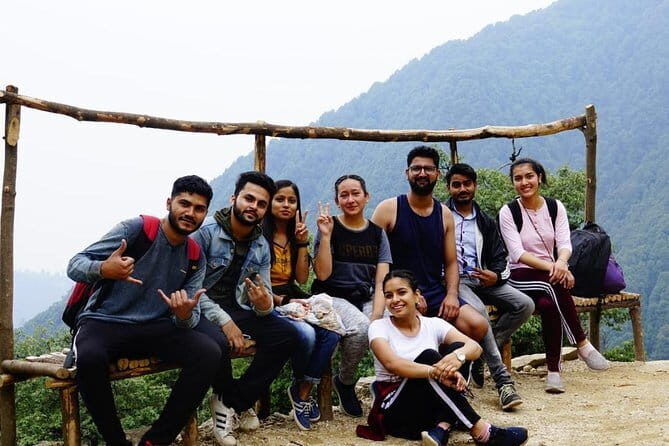
- Private trek for your group: more flexible pacing and personal service from your guide.
- Comfort camping included: tents, sleeping bags, mattresses, and even a washroom tent are part of the package.
- Meals are covered (no extra cost): breakfast, lunch, snacks, and dinner are built into the days.
- Kareri Lake plus Lord Shiva temple: you are not just walking; you stop for meaningful sightseeing too.
- Good guide communication: past groups highlighted quick responses from the organizer Akash and a kind, helpful guide named Vijay.
- Budget-friendly for what’s included: the price stays low because transport, food, and camping basics are handled for you.
Kareri Lake Trek near Dharamsala: what makes it feel worth your time
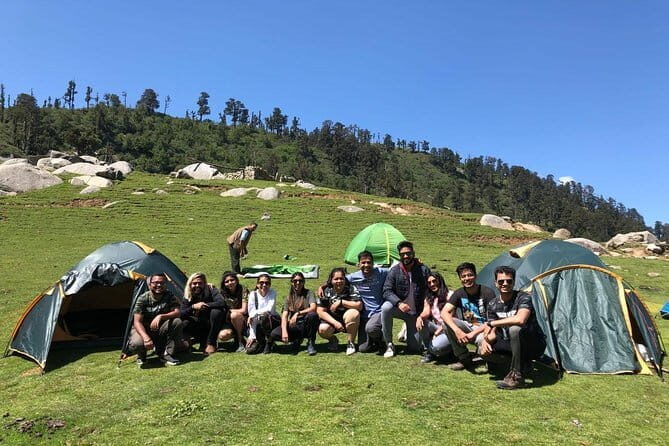
Kareri Lake is the kind of place that slows you down. The area sits in the Himalayan foothills around Dharamsala, so you get mountain air, changing light on the route, and that high-elevation feeling even when you are still new to trekking.
What makes this trek particularly appealing is the mix of effort and payoff. You start in the Dharamsala region, trek up through the Kareri area, and end with a full stop at Kareri Lake itself, plus time to visit a Lord Shiva temple at the lake site. That means you are not racing from viewpoint to viewpoint. You hike, you arrive, and you actually have time to take it in.
Another small but real plus: the tour is set up with a local guide and time for the surroundings. Birdwatching is specifically mentioned as something you can do in this region, and on a trek like this, that is not a gimmick. Quiet moments happen naturally once you stop moving and start scanning the trees and slopes for small wingbeats.
If you love nature but also like basic comfort, this trip hits a useful middle ground.
You can also read our reviews of more hiking tours in Dharamsala
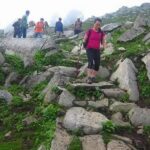
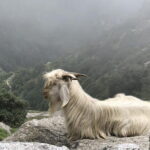
From Dharamsala to Rioti campsite: starting smart and arriving before dark
Day 1 is about getting you into the trekking rhythm without starting your day already exhausted. You begin in Dharamsala, and then you transfer toward Kareri village from the bus stand area. The distance listed is about 25 km, so you get a short road leg to reset your legs and settle in.
Lunch is served depending on your timing, which is practical. This kind of trek often depends on bus schedules, so that flexibility matters. Then you set off trekking toward Rioti campsite.
Rioti is where the trip starts to feel like an actual expedition. You are not just walking for a few hours and then going back to a hotel. You reach Rioti village by the evening, get evening snacks, and then dinner plus an overnight stay in camps.
A key detail to understand: Day 1 is listed as roughly 10 hours total. That does not mean you will be walking nonstop for 10 hours. It includes transfer, lunch timing, trekking time, and evening camp routine. Still, plan for a full day. If you show up tired from travel, you will feel it.
What you gain on Day 1 is momentum. By the time you sleep, you are already inside the experience, not fighting logistics.
Rioti to Kareri Lake: the climb, the temple stop, and the best kind of downtime
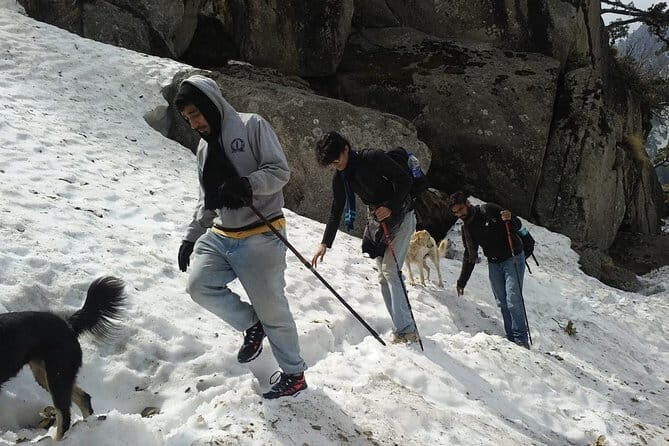
Day 2 is the heart of the trek. After breakfast, you start trekking toward Kareri Lake. This is the day where the route earns its reputation: the effort brings you to a large sightseeing moment, not just a quick photo stop.
Once you reach Kareri Lake, you get sightseeing time and you visit the Lord Shiva temple located at the lake site. That is a nice change from purely scenic trekking. It gives you a reason to slow down and look around beyond the horizon line.
Your packed lunch is served at the lake site, so you can eat without rushing. Then you have a full sightseeing view of the lake area, followed by evening snacks and dinner in camps again.
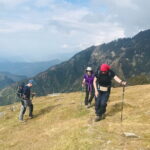
This day is also listed around 10 hours. Again, that total includes meal breaks and time at the lake, not just climbing uphill. Still, you should expect a proper hiking day. The tour is geared for moderate fitness, and your guide is there to keep you moving safely and at a pace your body can handle.
One reason I like setups like this: the pacing is guided, but the day still has breathing room. In past trekkers’ experiences shared with this operator, the guide Vijay was described as giving people time and space to trek at their own pace while ensuring everything was ready for camping and meals. That matters because it reduces the stress that can turn a good day sour.
The return to Dharamsala: fewer thrills, more satisfaction
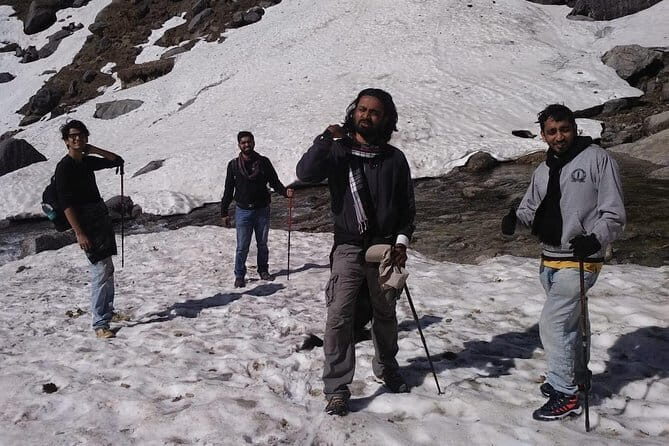
Day 3 keeps things simple. You start with breakfast, then you trek back toward Kareri village. After that, you transfer back to the Dharamshala bus stand area and aim to reach by evening.
This is the day where you feel the difference between an organized trek and a DIY scramble. When you are tired, the best part of the plan is not the view. It is knowing meals and camp basics are already handled and your transport is already lined up.
The itinerary lists Day 3 as about 2 hours for the final transport leg, but remember, that is only the transfer time. You still trek back first. So, yes, it is shorter than the longer trekking days, but you will still want to finish strong.
The upside is psychological: after two days of hiking, the return feels like closing a circle. You start back where you began, but you return with clearer legs and a head full of mountain air.
What the included camping gear really does for you
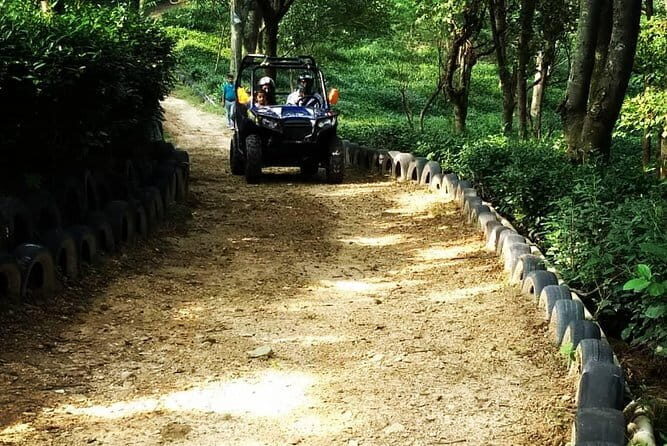
A big part of the value here is practical. The tour includes tents, sleeping bags, mattresses, and a washroom tent. That is not just a nice-to-have. It changes what kind of trip this is.
If you have ever done a budget hike where you end up renting gear anyway, you know how quickly the total cost creeps up. Here, the essentials for basic camp comfort are already provided. You also do not need to worry about finding a place to buy or rent a sleeping bag at the last minute.
The mattresses are an underappreciated detail. Cold ground is what makes many people feel miserable overnight on treks. A mattress layer helps your body recover faster, which then helps you walk the next day without feeling wrecked.
The washroom tent also matters. On multi-day treks, comfort is not about luxury. It is about keeping hygiene manageable so you can focus on the day ahead.
What is not included is any extra trekking equipment like shoes. So while the camp side is handled, you still need to bring the things you personally rely on to hike safely.
Meals on trek: why included food is more than convenience
The package includes meals across the whole 3-day rhythm: breakfasts (2), lunches (2), dinners (2), plus snacks during the trekking days. That reduces one of the biggest headaches of hiking in remote areas: searching for food at the wrong time.
When meals are included, you can plan your effort better. You leave camp, you know lunch is coming, and you are not forced to stop early because you are hungry. That makes pacing easier, especially if you are not an experienced long-distance hiker.
Still, it is not a full buffet-style experience. The tour data specifically notes that special refreshment and energy drinks are not included. So if you depend on energy drinks for performance, you should budget for personal extras.
Also, because lunches are packed and served at specific times and places, it is smart to bring a small personal routine for snacks if you like them. But keep expectations realistic: the trek runs on scheduled meals, not on shop stops.
Private trekking changes the feel more than you’d expect
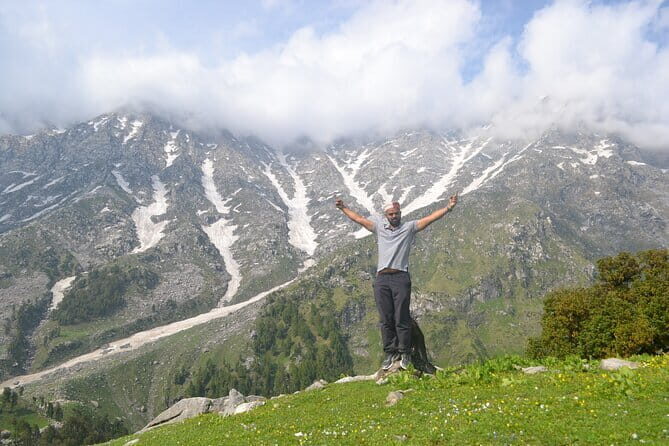
This is a private tour/activity, which means only your group participates. That is a real advantage on a trek.
On shared-group treks, you often get stuck behind someone slow or forced to match the pace of someone fast. Private groups tend to feel more relaxed because your guide can adjust walking pace and stop timing to your comfort level.
It also makes the day feel more personal. In feedback tied to this operator, the organizer Akash was described as quick to respond to questions and helpful in arranging everything smoothly, even when bookings happened at the last moment. That kind of responsiveness matters more than people think, because when you are trekking, you want clarity before you arrive.
And when something small and friendly shows up, it sticks in memory. One shared experience mentioned cake delivered on the last day. That is not why you come to the Himalayas, but it is a reminder that attention to small moments can turn a practical trek into a story you actually want to retell.
Price and value: how $76.79 per person holds up
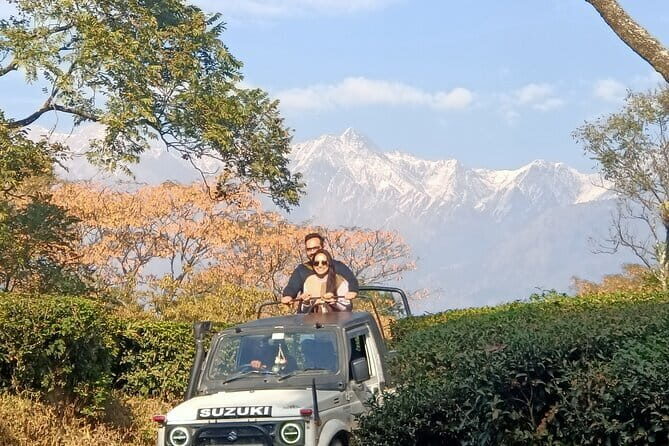
At $76.79 per person for about 3 days, this trek competes in the budget category. The reason it can stay low is also the reason it feels practical: the tour includes private transportation, camping essentials, and all meals.
If you tried to recreate this DIY, you would likely spend time and money on at least some combination of transport, guides, food, and gear rental. You might also end up paying more than expected for basic camping supplies. Here, those essentials are already grouped into one package.
There is one cost wrinkle to be aware of: GST is listed as not included. That means your final total might be slightly higher than the headline price depending on what gets added at checkout.
So I see the deal like this: you are buying structure and camp basics at a low cost. The tradeoff is that this is not high-end comfort travel. You are trekking, you are camping, and you should pack and plan like a trekker, not like a hotel guest.
Still, for many people, that is exactly the point.
Indrahar Pass mention: what to confirm before you go
Your trek name includes Indrahar Pass. In the schedule details you provided for this 3-day run, the day-by-day focus is on Kareri village, Rioti campsite, and reaching Kareri Lake with the temple stop, then returning.
I cannot promise what pass segment you will cover on your exact dates based only on those specific day descriptions. So before you lock it in, I recommend you ask Tripills what portion of Indrahar Pass is included for your departure. A quick question up front can save you from surprise on the ground.
Who this trek is best for (and who should sit this one out)
This trek fits best if you:
- Want a guided hike with a local presence and a private group setup.
- Are okay with camp nights and prefer sleeping bags and tents provided instead of hauling your own gear.
- Have moderate fitness and can handle a couple of longer walking days.
- Enjoy nature time like scenery viewing and birdwatching, not just ticking boxes.
It may not fit well if you:
- Need luxury accommodations, indoor bathrooms, or a very low-exertion walk.
- Get uncomfortable with weather changes, since this experience requires good weather and is subject to cancellation or date changes.
- Are planning on bringing very specialized trekking gear but have not checked what is included versus not included.
Practical tips so you arrive ready
Because the package includes camp gear and meals, you can travel a bit lighter. Your biggest mission is to bring what keeps you safe and comfortable for walking.
Keep these in mind from the provided info:
- Shoes and extra trekking equipment are not included, so bring what you rely on for hiking.
- Energy drinks and personal refreshment are not included, so think about personal choices in advance.
- The trek expects moderate fitness, and the days are long totals, so plan rest and hydration accordingly.
Also, do not ignore the weather requirement. Mountain regions can shift quickly. When conditions are not right, the tour can be canceled and you may be offered a different date or a refund.
That is just reality, not a defect in the plan.
Should you book Kareri Lake Trek with Indrahar Pass included?
If you want a value-packed, organized trek where most of the hard logistics are handled for you, this is an easy yes to consider. The strongest pull is the combination of private trekking, camp comfort gear, and full meal coverage, topped with real sightseeing time at Kareri Lake and a visit to the Lord Shiva temple.
Before booking, do two quick checks: confirm how much Indrahar Pass trekking is included for your specific dates, and make sure you can comfortably handle moderate fitness for multi-hour trekking days. If those boxes look good, you will likely enjoy this as a straightforward way to experience the Dharamsala hills without turning your trip into a gear-management project.
FAQ
Where does the trek start and end?
It starts in Dharamshala, Himachal Pradesh, India, and ends back at the meeting point in Dharamshala.
What time does the tour start?
Start time is 10:00 am.
How long is the trek?
It runs for about 3 days (approximately 2 nights).
Is this trek private?
Yes. It is a private tour/activity, and only your group participates.
What is the main sightseeing stop on the trek?
You hike up to Kareri Lake and have sightseeing at the Lord Shiva temple there.
What is included in the camping setup?
Tents, sleeping bags, mattresses, and a washroom tent are included.
Are meals included?
Yes. Breakfast is included twice, lunch is included twice, and dinner is included twice, plus snacks during the trek days.
Do I need to bring my own trekking equipment?
Yes. Extra trekking equipment such as shoes is not included.
What happens if weather is poor?
This experience requires good weather. If it is canceled due to poor weather, you will be offered a different date or a full refund.
What is the cancellation and refund timeline?
You can cancel up to 6 days in advance for a full refund. Canceling 2–6 days before gives a 50% refund, and canceling less than 2 days before has no refund. Changes less than 6 full days before the start time are not accepted. The cut-off is based on local time, and there is also a minimum traveler requirement that can trigger a date change or full refund.