REVIEW · NEW DELHI
Kailash Colony Market Tour & Amritsari Cooking Class in New Delhi
Book on Viator →Operated by Traveling Spoon · Bookable on Viator
Cooking starts with a market stroll. I love the way you go from Kailash Colony Market produce and spices straight into a real-home meal, and I also love cooking with hostess Shivani as she teaches you North Indian dishes step by step; the only real drawback is there’s no hotel pickup, so you’ll need to reach Chirag Enclave on your own.
This is a 3.5-hour, private experience in a Delhi bungalow, with lunch or dinner-time options. You’ll get welcome drinks, food, and beverages including local beer, then sit down and eat what you made.
If you like food as a hands-on skill (not just a tasting) and you enjoy a cozy, chatty evening, this kind of class can feel like a window into day-to-day Delhi life.
In This Review
- Key highlights worth your attention
- Kailash Colony Market Meets Amritsari Comfort Food
- Getting There at Chirag Enclave (and Why It Matters)
- In Shivani’s Home: Warm Welcome, Real-Life Details
- The Kailash Colony Market Walk: Seasonal Produce and Spice Sense
- Cooking Lesson Structure: 2–3 Dishes, One Confident Hour
- From Your Stove to the Table: Sharing the Meal With Shivani
- Vegetarian Option and Dietary Requests: Plan It Before You Arrive
- Price and Value: What $148 Gets You in Real Terms
- Who This Amritsari-Style Class Is Best For
- Quick Practical Tips Before You Book
- Should You Book This Kailash Colony Market Tour and Amritsari Cooking Class?
- FAQ
- How long is the Kailash Colony Market tour and cooking class?
- Is lunch or dinner included?
- Where does the experience start?
- Do you get hotel pickup and drop-off?
- What food and drinks are included?
- Do you visit a market before cooking?
- Can I request a vegetarian option or special dietary needs?
- What is the cancellation policy?
Key highlights worth your attention
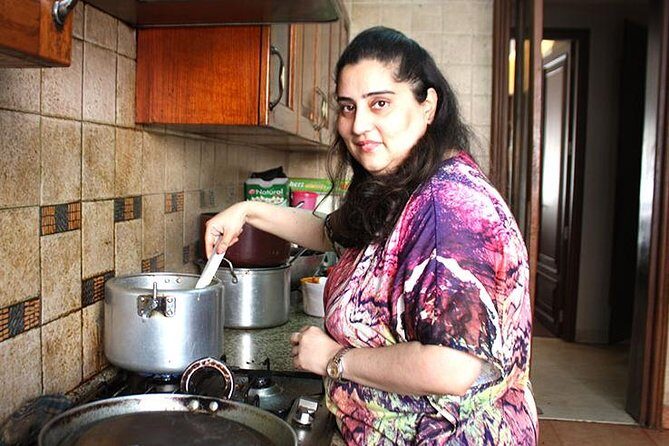
- A real bungalows-and-backyard setup: the pace feels like a family evening, not a restaurant show
- Market learning, not just shopping: you’ll hear how seasonal produce and spices fit into everyday North Indian cooking
- 2–3 practical dishes to master: options may include dal makhni, paneer dishes, and rotis
- You cook for about an hour, then eat together with conversation
- Local beer is included, along with welcome drinks and the meal
- Vegetarian option is available, with dietary needs handled when you book
Kailash Colony Market Meets Amritsari Comfort Food
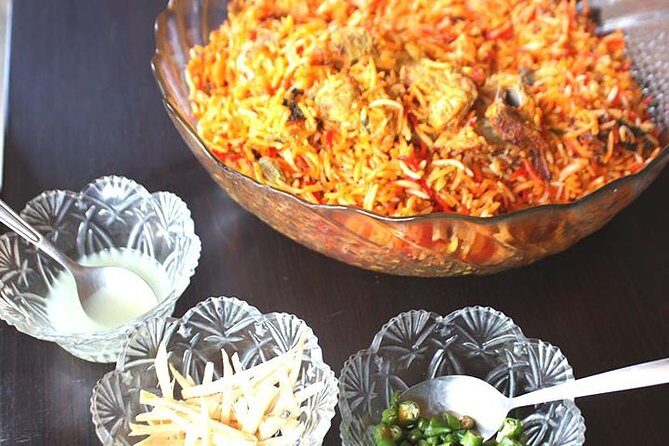
This isn’t a quick grab-and-go food tour. It’s a focused New Delhi experience where you learn how ingredients turn into dinner, the North Indian way. You’ll start with a walk through Kailash Colony Market, then head back to Shivani’s home, where cooking is guided and relaxed.
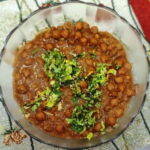
The food theme is Amritsar, taught by Shivani, who brings that Punjabi flavor sensibility into her kitchen. Expect comforting, hearty dishes like dal makhni, plus options that can include paneer and rotis. It’s exactly the kind of meal you’ll want to recreate later, because the techniques aren’t hidden behind a restaurant pass.
There’s also a social element that matters. You don’t just eat; you talk with your hostess while you share the meal you helped prepare. That conversation angle is a big part of why people walk away feeling more confident about cooking Indian food at home.
You can also read our reviews of more shopping tours in New Delhi


Getting There at Chirag Enclave (and Why It Matters)

You meet at Chirag Enclave, Greater Kailash, New Delhi, and the experience ends back at the same meeting point. There’s no hotel pickup or drop-off, so you’re on your own to get there.
That sounds minor, but it affects how smoothly your evening goes. If you plan poorly and end up late, the whole rhythm gets tighter—especially when your market walk depends on time and daylight. I’d treat getting to Chirag Enclave as your main logistics task and build extra buffer.
Good news: the start point is described as near public transportation. You can use that to your advantage if you don’t want to rely on one mode of transport for the full night. Still, the simplest approach is to confirm your route ahead of time so you’re not negotiating directions right when you’re hungry.
In Shivani’s Home: Warm Welcome, Real-Life Details
After you’re welcomed with drinks, Shivani invites you into her bungalow. This is where the experience shifts from “tour mode” into “home mode.” The setting is intimate, and it’s framed as your group only—private, so you’re not squeezed into a crowd.
One small detail that you might appreciate: there’s an outdoor seating area where they may barbecue meats and paneer in winter. Even if you’re not focused on grilling, it signals something important about the evening: food isn’t ceremonial here. It’s part of daily living, with seasonal comfort and practical setups.
This is also the stage where the cooking lesson becomes less intimidating. You’re not handed a vague instruction card and sent off. You’ll be taught how to do the work in a real kitchen flow, with someone there to answer questions as you go.
And if you’re coming solo, this kind of format can feel reassuring. The pace is personal enough that you’re not just a number, and the host’s attention helps you keep up.
The Kailash Colony Market Walk: Seasonal Produce and Spice Sense
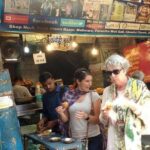
Next comes the market: Kailash Colony Market. This is the ingredient “source story” part of the evening. You’ll learn about different kinds of seasonal produce available in the area, which helps you connect what you cook to what’s fresh and available.
You can also pick up a few ingredients before heading back to the kitchen. That’s a smart move if you want to recreate the recipes later, because spices and small pantry items are often the difference between a bland result and a proper Indian flavor profile.
A key value here is the way the walk teaches you what to look for. Instead of just naming produce, you’re learning how it fits cooking needs—how spices behave, what different items contribute, and how seasonal availability shapes what gets used.
One practical tip: buy with your future cooking in mind. If the class makes dal makhni or a paneer dish, you might look for the kinds of items that support those flavors. Don’t overbuy just because everything looks good. A small “take-home” kit is usually more useful than a suitcase of half-used ingredients.
Cooking Lesson Structure: 2–3 Dishes, One Confident Hour
Back in the kitchen, the focus tightens. Shivani will teach you how to make 2–3 dishes, and the lesson is expected to include about an hour of cooking before you sit down to eat together.
The exact menu can vary, but you can expect learning core North Indian techniques and dish-building methods. Possible dishes include dal makhni, a slow-cooked style that uses whole black lentils, kidney beans, butter, and cream. That combination explains the dish’s signature richness and depth—so if you’ve ever wondered why restaurant dal makhni tastes like velvet, this is the logic behind it.
You may also learn a paneer dish and rotis (flatbreads). Paneer is forgiving for beginners if you get the basic handling right, and rotis teach you a “feel” skill—timing, thickness, and heat control. The lesson format is designed so you don’t leave with only theory. You’ll actually do the prep and cooking.
What makes this lesson especially valuable is the scale. Cooking 2–3 dishes means you can learn technique without feeling rushed through ten steps. You also get enough repetition that you’re more likely to remember the process next time you cook at home.
A few more New Delhi tours and experiences worth a look



From Your Stove to the Table: Sharing the Meal With Shivani
When your cooking hour wraps up, you’ll share the meal you helped prepare over conversation with your host. This is more than a nice finish. It’s how you calibrate taste. You learn how the dishes should smell, look, and taste together.
This also affects your takeaway. When you eat in the same setting you cooked in, you understand how flavors balance—dal versus rotis, gravy versus sides, and how paneer fits into a North Indian plate. Then the next time you cook, you’re not starting from scratch with guesses.
Beverages are included too, including local beer. That matters because it turns dinner into a complete evening plan rather than a “class that happens to include food.” The welcome drinks set the tone, then the meal keeps it going.
In practice, you should expect a comfortable pace with time to ask questions. The class is private and intimate, so you can get answers about ingredients, substitutions, and cooking habits without feeling rushed.
Vegetarian Option and Dietary Requests: Plan It Before You Arrive
This experience offers a vegetarian option. If you’d like to keep the menu fully vegetarian, you should advise the operator at booking.
The best time to communicate dietary needs is during booking, since that’s explicitly requested. That helps your host adjust ingredients and how you’re guided in the kitchen. It’s not something you want to “figure out on the night,” especially when the class is built around specific dishes and a shared meal.
Here’s a useful mindset: think of dietary requests as recipe customization, not just a swap. With Indian cooking, a change in one ingredient can shift texture and flavor. A good adjustment keeps the dish recognizable while still suiting your needs.
Price and Value: What $148 Gets You in Real Terms

At $148 per person for roughly 3 hours 30 minutes, you’re paying for three things that don’t always come together in standard cooking classes: a private home setting, a market ingredient walk, and guided cooking you can actually repeat later.
Let’s break down the value:
- You get a private market tour and cooking lesson with your host, not a scripted demo.
- You get food and beverages included, including local beer.
- You cook multiple dishes (2–3), which is far more hands-on than most tastings.
You’re also getting a place-based experience. In a market walk, you’re learning how ingredients show up locally and how seasonal items influence everyday cooking. In the home, you’re learning with the real constraints and rhythms of a kitchen, not a staged set.
If you compare this to a restaurant meal plus a generic class, the market component is the standout value. You’re not just paying for eating. You’re paying for understanding.
Also note: group discounts may apply, so if you’re booking with friends, it could become even better value per person.
Who This Amritsari-Style Class Is Best For
This fits you if you’re the type of person who likes to come home with skills, not just photos.
I think it’s especially good for:
- Home cooks and foodies who want North Indian dishes taught in plain steps
- People who enjoy Punjabi/Amritsar flavor and want to understand what makes it work
- Solo visitors who want a welcoming, well-attended experience in a small group setting
- Anyone who’s a little intimidated about cooking Indian food at home and wants structure
If you’re looking for a big, high-energy group party or a fast sightseeing loop, this won’t match that vibe. It’s more about one thoughtful night in one kitchen, with a market walk and a meal that’s meant to be shared.
Quick Practical Tips Before You Book
A few things to consider so the night goes smoothly:
- Plan how you’ll reach Chirag Enclave since there’s no hotel pickup.
- Decide whether you want lunch or dinner-time, then build the rest of your day around it.
- If you’re vegetarian or have dietary needs, send those details at booking.
- Consider taking home a short list of market ingredients you’ll actually use, so the class continues after you return.
If you’re pairing this with other Delhi plans, treat it like a main event, not a side activity. The whole point is the pacing—market learning, then cooking, then eating together.
Should You Book This Kailash Colony Market Tour and Amritsari Cooking Class?
Yes, if you want a genuine, skill-focused food evening in New Delhi. I’d book it if you care about the why behind the flavor: market ingredients, a practical cooking lesson, and a meal served in a real home setting.
I would think twice if you dislike going places without pickup help, or if you’re only interested in sampling food rather than learning how it’s made. This experience rewards curiosity and participation.
If that sounds like you, this is one of the better ways to turn a short trip into something you’ll still enjoy months later—because you’ll know what to buy, what to cook, and how to make it taste like the dish you learned in the kitchen.
FAQ
How long is the Kailash Colony Market tour and cooking class?
It runs for approximately 3 hours 30 minutes.
Is lunch or dinner included?
Lunch or dinner-time options are available.
Where does the experience start?
The meeting point is Chirag Enclave, Greater Kailash, New Delhi, Delhi 110048, India.
Do you get hotel pickup and drop-off?
No. Hotel pickup and drop-off are not included, and the activity ends back at the meeting point.
What food and drinks are included?
Food and beverages are provided, and local beer is included as part of the beverages.
Do you visit a market before cooking?
Yes. You’ll go to Kailash Colony Market to learn about seasonal produce and you may pick up a few ingredients before returning to cook.
Can I request a vegetarian option or special dietary needs?
Yes. A vegetarian option is available, and you should advise any specific dietary requirements at the time of booking.
What is the cancellation policy?
Free cancellation is available. You can cancel up to 24 hours in advance for a full refund, based on local time.