REVIEW · KERALA
Flavors of North Kerala – Malabar Experiential Tour Package
Book on Viator →Operated by Tyndis Travel · Bookable on Viator
Kerala’s north coast has a knack for surprise. This Malabar-focused trip mixes mangrove boat time with craft stops and then turns into cave trekking, village fishing life, and a French colonial walk in Mahe. I especially like how the day plans are built around stories, not just checklists, and how you get real texture: boats on the river, working artisans, temple rituals, and food-making. One catch to plan for: the package price includes entrance fees and a storyteller, but it does not include your hotel stays or an air-conditioned vehicle, so your real total depends on what you choose for accommodation.
You also get a lot of flexibility in how it’s built. The company allows you to shape the itinerary around time, money, and interests, and that matters on this part of Kerala where routes and timing can affect what you can actually enjoy. Still, some highlights are weather- and season-dependent, so a little flexibility on your dates helps.
Why this tour feels different in North Kerala
- Kadalundi mangroves by thoni boat: slow river cruising plus practical ecosystem storytelling.
- Craft stops you can watch: Beypore urus (traditional boat-making) and Calicut tile work at Feroke.
- Edakkal Caves + Wayanad villages: cave history paired with rural village experiences and trekking.
- Nileshwar fishing village rhythm: hands-on feel for toddy tapping, local fishing, coir making, and handweaving.
- Overnight Valiyaparamba backwaters: one night on the water instead of a rushed daytime photo stop.
- The French side of Mahe: French-speaking culture and colonial-era memories by the Arabian Sea.
In This Review
- Mangrove Thoni Boats, Beypore Uru Craft, and Calicut Tiles: Day 1 in “working Kerala”
- Kozhikode heritage route: fast orientation without killing the day
- Wayanad’s Edakkal Caves: cave carvings plus rural experience
- Kalpetta tea and coffee country: a long middle day that helps you reset
- Nileshwar leisure day: beaches without a script
- Thaikadappuram fishing villages and Bekal Fort: hands-on village life plus a sea-facing stronghold
- Nileshwar temple ritual and Theyyam: season matters on Day 7
- Kannur’s Arackal legacy and St. Angelo Fort: colonial echoes and local life on Day 8
- Thalassery heritage + Parimadam food-making: Day 9 turns up the flavor
- Mahe’s French colonial influence: Day 9’s short walk with a different cultural accent
- Price and logistics: what you’re paying for, and what you still need to budget
- Weather, season, and timing: the two things that can change your day
- Who should book this Malabar tour, and who should think twice
- Should you book Flavors of North Kerala (Malabar Experiential Tour Package)?
- FAQ
- How long is the Flavors of North Kerala tour?
- Where does the tour start and end?
- What time does the tour start?
- What is included in the price?
- What is not included?
- Is this a group tour or private?
- Does the tour include an overnight houseboat?
- Will I definitely see Theyyam?
- What if the weather is bad?
Mangrove Thoni Boats, Beypore Uru Craft, and Calicut Tiles: Day 1 in “working Kerala”
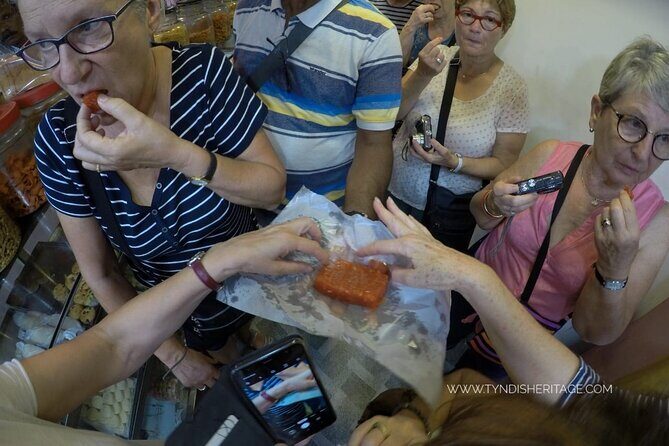
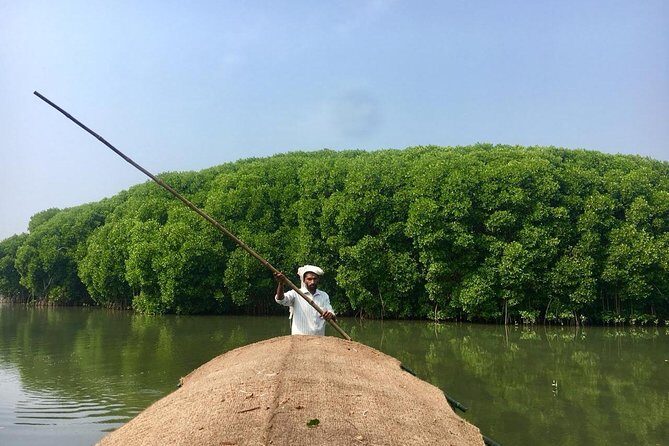
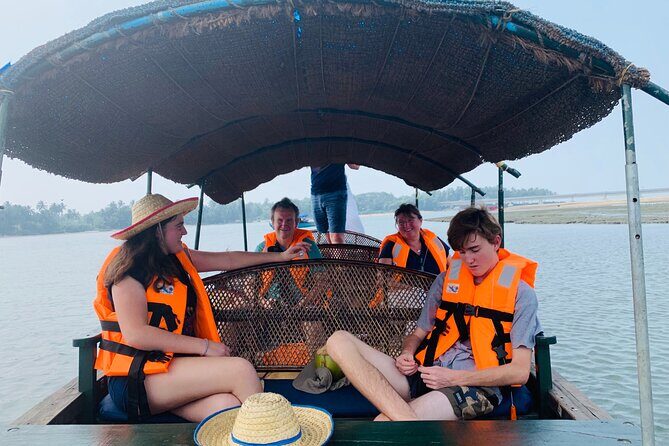
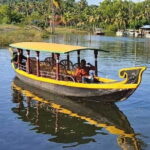
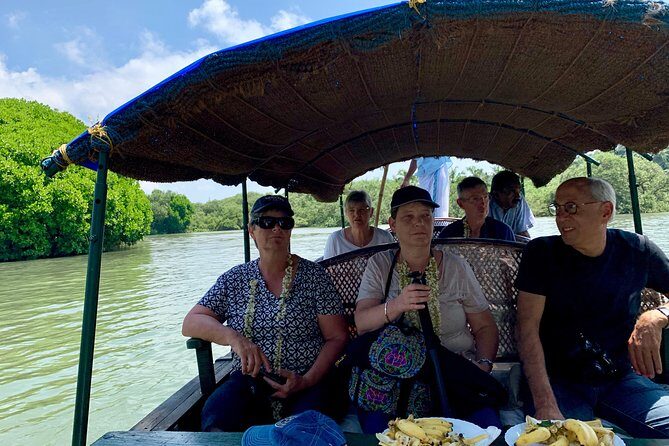
Your first morning sets the tone: you start in North Kerala with hands-on nature and hands-on work. Day 1 centers on Kadalundi Bird Sanctuary, which runs through mangrove waters near the sea mouth. Instead of a quick look from land, you go out on a local thoni/vallam—a puddling boat—where the guide explains how mangroves support the ecosystem and local life.
I like this because it’s not abstract. Mangroves here aren’t just a scenic backdrop; they’re part of how the coast functions. You get to understand why locals protect and depend on these coastal wetlands, and you’re floating in the same waterways that birds and fish use.
After the boat ride, you shift to craft. Beypore Uru making yard comes next, with stories about the urus and how this boat-making tradition has shaped the local maritime culture. Then you head to Feroke for tile making—described as a best-in-area tile factory experience in Calicut. This combination is smart: nature first, then the industrial side of local heritage, so your brain doesn’t bounce between unrelated themes all day.
What to watch for: expect a full day with movement from water to workshops. If you’re sensitive to heat or long sitting, bring sun protection and plan for a slower pace at transitions.
Kozhikode heritage route: fast orientation without killing the day
Day 2 is a short, focused heritage pass through Kozhikode—Calicut, as you might still see it on maps and older texts. You’re taken along historic routes tied to the spice trade, including a sweep of major monuments and heritage points.
The value here is orientation. If this is your first time in Kerala’s Malabar belt, you’ll leave with mental anchors for later days: what the city is “about,” where the key landmarks sit, and why the coastal trade routes mattered to everything from food to architecture to languages you’ll hear around you.
The time commitment looks small, and that’s usually a good sign on a multi-day road trip: you don’t get stuck in one place all day when the rest of the itinerary is doing its own thing. Still, the stop is brief, so you won’t get slow museum-style depth on every building.
If you like structure: this day is built for you.
If you prefer long museum time: treat this as an intro, not a replacement.
You can also read our reviews of more tours and experiences in Kerala.
Wayanad’s Edakkal Caves: cave carvings plus rural experience
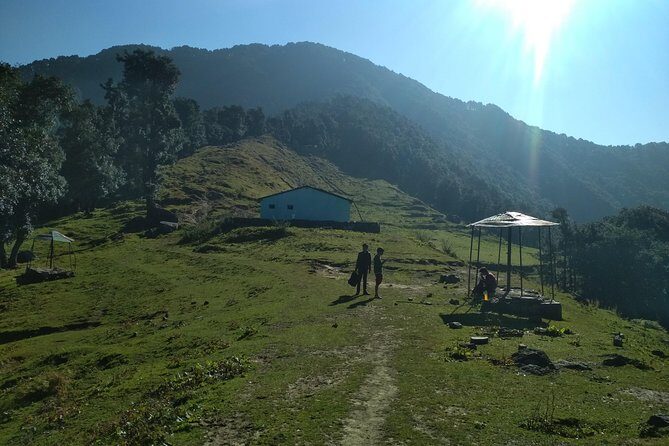
Day 3 is where the trip grows legs. You visit Edakkal Caves—remote mountain caves known for stone-age carvings—and then the plan expands into Wayanad’s village-life style experiences.
What’s notable in the way this day is described is that it isn’t only about looking at caves and walking out. There’s a bigger “Wayanad experiential” thread: travel through less-traveled roads, village interactions to hear culture and stories directly, and guided trekking up toward the Edakkal Hills. The broader package includes options like an archery experience and a heritage museum visit, along with trekking and village time, led by the Tyndis storyteller.
This matters because rural Wayanad doesn’t land the same way if all you do is stand at a viewpoint. The day is meant to help you understand daily rhythm: how people live, what they value, and how local knowledge shapes land and work.
Possible drawback: cave visits and trekking can be weather-sensitive. On days with poor conditions, you might need to adjust expectations and go slower.
Kalpetta tea and coffee country: a long middle day that helps you reset
Day 4 calls on Kalpetta and surrounds—an area associated with tea and coffee plantations. You’ll do major sightseeing, plus the plantation focus, with an expert storyteller.
For me, this is the kind of day that balances the trip. Days 1–3 lean craft, heritage, then hills and caves. Day 4 gives you a chance to slow down a notch while still learning. Plantation-country in Kerala also helps you understand the “why” behind many modern livelihoods, and why certain crops became important in this region.
It’s longer than some other days, so plan for a full chunk of time. Wear shoes that handle uneven ground and carry water.
Nileshwar leisure day: beaches without a script
Day 5 is deliberately open: spend the day at leisure in Nileshwar and explore the beaches. On a tour this packed, a free day is more than a pause—it’s where you catch your breath and do your own exploring. You can also use this time to adjust for anything you missed earlier, like extra shopping for simple souvenirs or extra time by the water if the sea mood is right.
Suggestion: keep this day light on hard plans. You’ll enjoy Day 6 more if you’re not already tired.
Thaikadappuram fishing villages and Bekal Fort: hands-on village life plus a sea-facing stronghold
Day 6 is built as a two-part day: rural fishing village heartland in Thaikadappuram, followed by Bekal Fort.
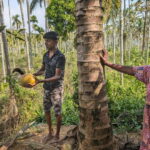
In Thaikadappuram, you experience the essence of rural fishermen villages—livelihood along seamouths, palm-fringed islands, and harbor life. The activities listed are the big reason this day works: toddy tapping, local fishing, coir making, and handweaving. There’s also the chance to find the “biodiversity treasure” at a local toddy tapper’s household, which signals that you’re not just doing surface demos—you’re getting a look at how knowledge travels through households and daily practice.
Then you move to Bekal Fort, set in a coastal village of coconut trees near the Arabian Sea. The fort is described as well known to historians and nature-lovers for centuries, and you’ll hear stories about the rise and falls of local kingdoms. It’s also a modern tourist spot now, so expect practical comforts like parking and stalls around the area.
What I like: village life first, fort second. It prevents the fort from feeling like a random stop. You’ll already have heard about local livelihoods, so the coastal power story clicks better.
What to watch for: this day blends activities that can be hands-on with a fort walk. Bring clothing that can handle sun and movement.

Nileshwar temple ritual and Theyyam: season matters on Day 7
Day 7 is a powerful cultural mix. First is Thaliyil Neelakandeshwar Temple, tied to the Nileshwar Rajahs heritage—temple shrines, the palace area, and the market streets of Nileshwar. This is followed by the Theyyam performance at sacred groves (Kaliyattam), with an experienced Tyndis storyteller guiding you through legends and rituals.
Here’s the key practical detail: Theyyam availability depends on season. It’s performed from late October to late May in North Kerala. So if your dates fall outside that window, the performance may not happen even if your day plan still includes the temple and sacred grove time.
After culture on land, the trip shifts into water with an overnight houseboat cruise. It starts from Achamthuruthi and heads to the Valiyaparamba backwaters. The backwaters are fed by four rivers and include small islands, and the description calls Valiyaparamba one of the scenic backwater areas in Kerala. The overnight portion runs around 16 hours, and the plan includes houseboat cruising from the Thejaswini River area with services linked to the Bekal Resorts Development Corporation.
Why I’d call this a highlight: an overnight backwater night gives you the chance to experience the calm at a different pace—something a half-day cruise can’t always do.
Small caution: you’ll want to confirm what your houseboat setup includes when you book, since accommodation is not listed as included in the package price. The houseboat part is described as ticket free, but the broader lodging and comfort level can vary.
Kannur’s Arackal legacy and St. Angelo Fort: colonial echoes and local life on Day 8
Day 8 goes to Kannur, a place tied to culture, heritage, struggles, and nationalist movements. You get a story-led city walk starting from the Arackal Museum, then the palace of the Arackal Dynasty.
One detail worth noting: the Arackal Dynasty is described as the only Muslim Royal Family in Kerala, and it’s framed as an icon of religious harmony. After that, the plan takes in fish markets and harbors, which ties the city’s modern economy to its maritime roots. Then you visit St. Angelo Fort, a Portuguese and later British-connected fort site described as bearing witness to countless stories of Kannur.
What’s practical for you: this day is a mix of museum/palace and harbor energy, so you’ll get variety. If you like architecture and coastal trade history, you’ll appreciate how the city walk connects those dots.
Thalassery heritage + Parimadam food-making: Day 9 turns up the flavor
Day 9 has two tracks that make the day memorable: history in Thalassery and food in Parimadam.
In Thalassery, you take a walk with a Tyndis storyteller through heritage sites, plus markets and historical monuments. There’s also mention of martial arts stories, and time near the Arabian Sea.
Then Parimadam brings the day into your stomach. The Thalassery culinary experience includes dishes like Thalassery biryani, snacks, and sarbath at a traditional Muslim house. The storytellers explain the step-by-step process of cuisine making, and you can take part in discussions.
This kind of food stop is worth it when it’s tied to process, not only tasting. You’re learning how local ingredients and methods create the flavors of Malabar, and you’re getting context for what you’re eating.
Possible drawback: food experiences can run hot and busy. If you have dietary restrictions, ask early so you’re not stuck improvising on the day.
Mahe’s French colonial influence: Day 9’s short walk with a different cultural accent
Also on Day 9, you head to Mahe, a former French colonial area that was part of the Union Territory of Pondicherry. You’ll learn about French colonial memories through a Tyndis storyteller, and you’ll hear about French culture influence in Mahe.
A nice practical detail is that the plan explicitly notes meeting French citizens and French-speaking people. You’ll also walk along breezy Arabian Sea walkways while hearing more of the place’s stories.
For me, this is the “left field” day that prevents the whole itinerary from blending into a single style of sightseeing. You’ve been in temple, fort, crafts, and backwaters; Mahe adds a different cultural layer.
Tip: bring an extra light layer. Sea breezes can be surprisingly cool later in the day.
Price and logistics: what you’re paying for, and what you still need to budget
At $624.85 per person for a roughly 10-day trip, this package price buys three main things: storyteller service, a Tyndis-led plan, and entrance fees. That’s valuable because it reduces the mental work of planning daily stops and figuring out ticket details.
But it does not include accommodation, an air-conditioned vehicle, or other expenses/transportation charges. That means your real cost depends on what you book for hotels and how you handle the “on the ground” transport needs.
Also, pickup is offered from Kannur Airport and select areas, and the tour start is 8:30 am at Kannur International Airport (Mattannur). A mobile ticket is included, which helps for day-of entry.
My advice on value: if you want a mostly handled itinerary with narrative guidance and entrance tickets covered, this can be good value. If you already have hotels lined up and know your transport plan, you’ll squeeze more value from it.
Weather, season, and timing: the two things that can change your day
Two itinerary elements depend on real-world conditions.
First, some activities like cave trekking and outdoor movement generally need decent weather. The experience is listed as requiring good weather, and if it’s canceled due to poor conditions, you’ll be offered a different date or a full refund.
Second, Theyyam availability depends on season: late October to late May in North Kerala. If you’re traveling outside that window, expect that performance may not fit your dates.
Who should book this Malabar tour, and who should think twice
I’d point you toward this experience if you want North Kerala beyond the usual postcard stops: boat time in mangroves, crafts you can watch, Wayanad cave country with rural village interaction, village livelihood activities in Nileshwar, and an overnight backwater night.
This isn’t the best match if you need fully included hotels and fully inclusive transport. Since accommodation and vehicle details are not included in the package price, you’ll need to do some budgeting or make choices quickly after booking.
Should you book Flavors of North Kerala (Malabar Experiential Tour Package)?
If you want a story-led Malabar circuit with meaningful local connections, I think it’s a strong bet. The best reasons to book are the combination of nature (mangrove boat), work and craft (urus and tiles), and culture (temple + Theyyam where season allows), plus the overnight Valiyaparamba backwater night.
Before you commit, do three quick checks:
- Match your dates to the Theyyam season window (late Oct to late May) if that ritual is a must.
- Budget for your own accommodation since it’s not included in the package price.
- Be ready for a day-by-day schedule where weather affects outdoor parts.
If those points fit your style, you’ll get a version of North Kerala that feels lived-in, not just visited.
FAQ
How long is the Flavors of North Kerala tour?
It runs for 10 days approximately.
Where does the tour start and end?
It starts and ends at Kannur International Airport (Mattannur, Kerala), with pickup offered from the airport and select areas.
What time does the tour start?
The start time listed is 8:30 am.
What is included in the price?
The price includes storyteller service, the Tyndis-led tour plan, and entrance fees.
What is not included?
Accommodation is not included. Air-conditioned vehicle and other expenses/transportation charges are also not included.
Is this a group tour or private?
This is a private tour/activity, and only your group will participate.
Does the tour include an overnight houseboat?
Yes, the plan includes an overnight cruise in the Valiyaparamba backwaters, starting from Achamthuruthi.
Will I definitely see Theyyam?
The plan notes that Theyyam availability depends on the season, and it is performed from late October to late May in North Kerala.
What if the weather is bad?
The experience requires good weather. If it’s canceled due to poor weather, you’ll be offered a different date or a full refund.