REVIEW · NEW DELHI
Golden Triangle Tour 2 Nights 3 days{Taj Mahal at Sunrise}
Book on Viator →Operated by Joyful Holidays · Bookable on Viator
Few sights beat a Taj Mahal sunrise.
This Golden Triangle tour packs Delhi, Agra, and Jaipur into a tight schedule without feeling like you’re lost in transit. I love the early timing for the Taj Mahal at 5:45 AM, and I also like how the day-to-day structure keeps key sights moving: Old Delhi by rickshaw, Agra Fort after sunrise, and Jaipur’s Amer area in the morning. One drawback to plan for is that monument admission fees and meals are not included, so your total spend can jump once you add tickets and lunch.
In plain terms, you’re paying for efficient logistics: hotel pickup, a private air-conditioned vehicle, and professional guides in each city. I also appreciate the small comfort touches like bottled water, and the fact that you’re not stuck improvising schedules across three major cities. The pace is fast, so if you hate early mornings or want lots of free time in each stop, you might feel rushed.
In This Review
- Key things I’d highlight before you go
- Golden Triangle in 3 days: what you really get
- Day 1 Delhi to Agra: Old Delhi rickshaw + Qutub Minar
- Jama Masjid and Chandni Chowk by rickshaw
- Red Fort and the big government landmarks (photo stop)
- Qutub Minar UNESCO stop
- Day 2 Taj Mahal sunrise + Agra Fort, then Fatehpur Sikri to Jaipur
- Taj Mahal at sunrise: why the time matters
- Agra Fort after breakfast
- Drive to Jaipur with a stop at Fatehpur Sikri
- Day 3 Amer Fort area: City Palace, Jantar Mantar, Hawa Mahal and Jal Mahal
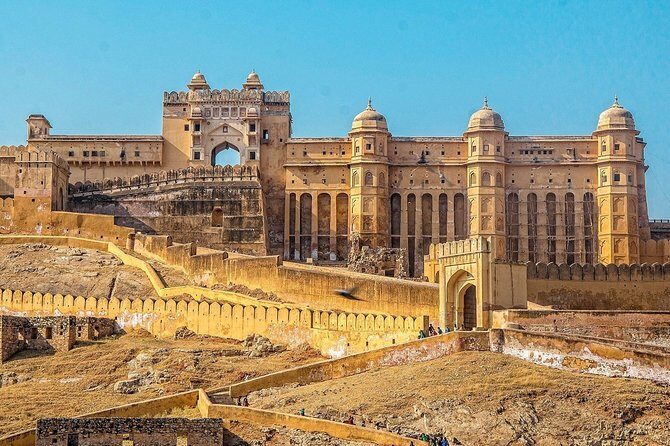
- Amer (Amber) Palace ascent and the Amer hillside approach
- City Palace & Museum plus Jantar Mantar
- Hawa Mahal and Jal Mahal photo opportunity
- Price and value: what $299 covers and what to budget for
- Private driver and guide support: why it makes the difference
- When to go and how to prepare for the early starts
- Should you book this Golden Triangle sunrise tour?
- FAQ
- What cities are included in this Golden Triangle tour?
- How long is the tour?
- What time is the Taj Mahal sunrise visit?
- Are monument tickets included?
- What meals are included?
- Does the tour include hotel pickup and transport?
- Is this tour group-based or private?
- Is there a free cancellation option?
Key things I’d highlight before you go
- Taj Mahal sunrise timing (early start) for better light and a calmer feel than later hours
- Private air-conditioned vehicle plus a professional driver who handles the road maze
- Licensed guides in each city, with strong English and history context in practice
- Old Delhi + Chandni Chowk by rickshaw, a quick hit of everyday India
- Two UNESCO stops built into the route: Qutub Minar and Agra Fort
- Monuments and admission tickets not included, so budget ahead for entry fees
Golden Triangle in 3 days: what you really get
The Golden Triangle is popular for a reason: you get three different “faces” of India without the hassle of separate trips. Delhi gives you politics, monuments, and street life. Agra gives you the spotlight of love and power through the Taj Mahal and Agra Fort. Jaipur brings you the royal planning style of a planned city, plus forts, palaces, and viewpoints.
What makes this specific version practical is the structure. You’re not just seeing name-brand stops; you’re also getting short windows that help you understand what you’re looking at. You start early when it matters (Taj Mahal at sunrise), and you cluster major sights inside each city to reduce wasted travel time.
You should know the trade-off: the itinerary is built for “see a lot” momentum. That works great if you’re on a time budget. If you want slow wandering, long coffee breaks, or lots of independent exploring, you’ll need to mentally prepare for a schedule that keeps moving.
A few more New Delhi tours and experiences worth a look



Day 1 Delhi to Agra: Old Delhi rickshaw + Qutub Minar
Your day starts in Delhi with a hotel or airport pickup around 8:00 AM (or whatever time you’re given). The flow is smart: you begin with Old Delhi, not Delhi’s distant monuments. That means you get street energy early and you’re already warmed up before the bigger sights.
Jama Masjid and Chandni Chowk by rickshaw
You visit Jama Masjid, then head to Chandni Chowk for a local bazaar look with a rickshaw ride. This is the part I like most for texture. You’re not waiting around for a “photo moment.” You’re moving through the lanes, seeing how the city operates at human speed.
A good tip here: wear comfortable shoes and keep your camera ready, but don’t block the path. This area runs on foot traffic, and the ride is short enough that you’ll want your shots quick.
Red Fort and the big government landmarks (photo stop)
After Old Delhi, you drive past major landmarks and stop for photos around areas like the Red Fort and the government zone (President’s House, Parliament House, and the Secretariat buildings). You don’t linger long here, but it helps you “place” modern India against the older layers you just saw in Old Delhi.
If you’re into architecture or urban planning, these quick stops can actually be helpful. They give you a sense of where the city’s power sits now, after you just saw the historic core.
Qutub Minar UNESCO stop
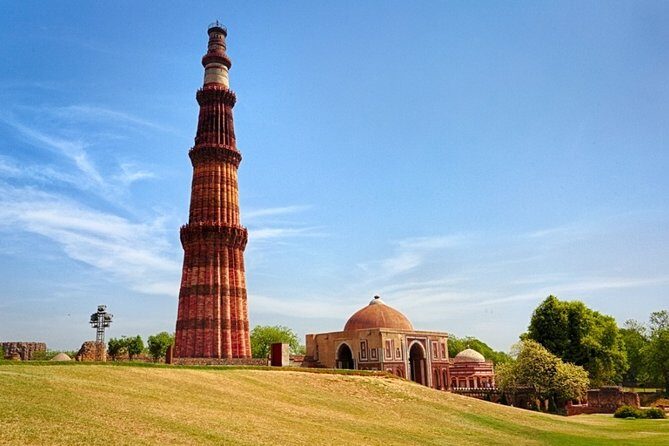
Next up is Qutub Minar (UNESCO World Heritage Site). Even with limited time, it’s a landmark that gives you a real historical anchor for Delhi. It’s tall, it’s distinctive, and it rewards even a shorter stop because it’s so recognizable from multiple angles.
Then it’s straight to Agra by expressway for about 3 to 4 hours, and you check in for the night. Admission tickets aren’t included, so if you’re the type who likes to avoid surprises, keep some cash or a card set aside for site entry.
How this day feels: active but not exhausting. It’s a good mix of street life, major history, and a smooth handoff into Agra.
A few more New Delhi tours and experiences worth a look





Day 2 Taj Mahal sunrise + Agra Fort, then Fatehpur Sikri to Jaipur
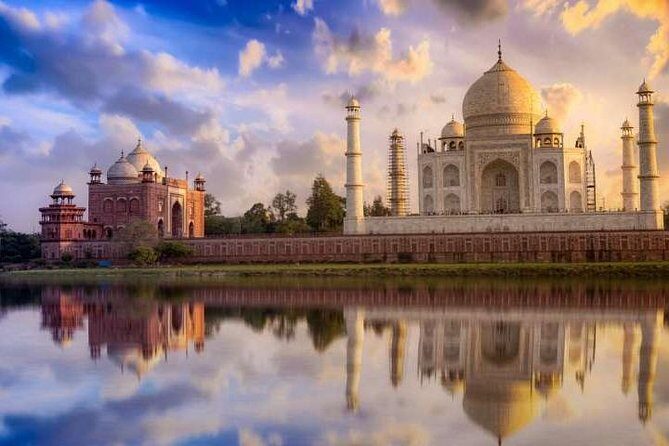
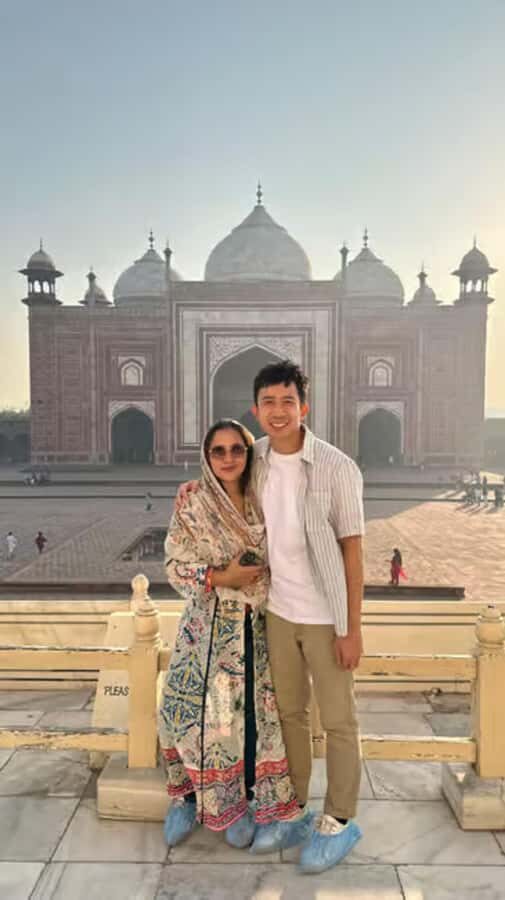
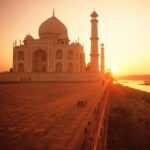
Day 2 is the reason many people book this tour. You start at 5:45 AM for a Taj Mahal sunrise visit. That early time matters because the Taj Mahal looks different in the morning light, and you generally avoid the later-hour crowds when everyone else is waking up to their own plans.
Taj Mahal at sunrise: why the time matters
You’ll drive with your driver and guide to the Taj Mahal, then return for breakfast at the hotel. The tour is clearly designed around that sunrise window, which tells me they understand the main value here: you’re paying for timing, not just a photo of a famous building.
Practical advice: keep your schedule light. Morning is when your patience is most tested, especially if it’s cool outside. Bring a light layer (it can feel chilly early even when the day later warms up), and keep your water bottle handy.
Agra Fort after breakfast
After sunrise, you come back, eat, check out, and then visit Agra Fort (UNESCO World Heritage Site). Agra Fort adds context. The Taj is the emblem, but the fort helps you see the historical machinery around it—who controlled the region and how power and defense shaped what got built.
Admission tickets aren’t included here either, so plan ahead. If you want the most from this stop, spend a little time reading details and listening to your guide’s explanations, because the fort’s layout is easier to understand when someone gives you a “what you’re looking at” map.
Drive to Jaipur with a stop at Fatehpur Sikri
Then you head to Jaipur, about 6 to 7 hours by road. En route, you stop at Fatehpur Sikri, described in the itinerary as an abandoned town. That’s exactly the kind of detour that can make a long drive feel like part of the sightseeing, not just a transfer.
When something is labeled abandoned, it often means less activity and more silence. That can actually be an advantage for photography and for pacing your thoughts. Just be ready for sun and wind depending on the season.
You arrive Jaipur, check in, and overnight in the city.
How this day feels: early, big-impact, and long-distance travel. If you can handle a morning start, you’ll likely love the payoff.
Day 3 Amer Fort area: City Palace, Jantar Mantar, Hawa Mahal and Jal Mahal
You start again around 8:00 AM after breakfast. Jaipur sightseeing is arranged to hit the hilltop sights early, which makes sense because Amer Fort involves ascent and the day can get warmer later.
Amer (Amber) Palace ascent and the Amer hillside approach
You go up to the entrance of Amer Fort and then explore the Amer hillside complex. This is one of those “you feel the effort” stops. Even if you’re not a palace super-fan, the setting and scale make it worth your time.
Wear shoes with grip. Paths in hill areas can be uneven, and you’ll be walking more than you expect for a “half-day” in a city.
City Palace & Museum plus Jantar Mantar
After Amer, you visit City Palace & Museum, described as a royal palace with seven storeys, and then Jantar Mantar, the stone observatory. This is a smart pairing. Forts and palaces show power and wealth. Jantar Mantar shifts you into science and measurement, which helps the day feel like more than just walls and gates.
If you enjoy mind-stretching details, ask your guide to explain how the observatory relates to astronomy and mathematics. The observatory is the kind of place where explanation turns “old stones” into something you can actually visualize.
Hawa Mahal and Jal Mahal photo opportunity
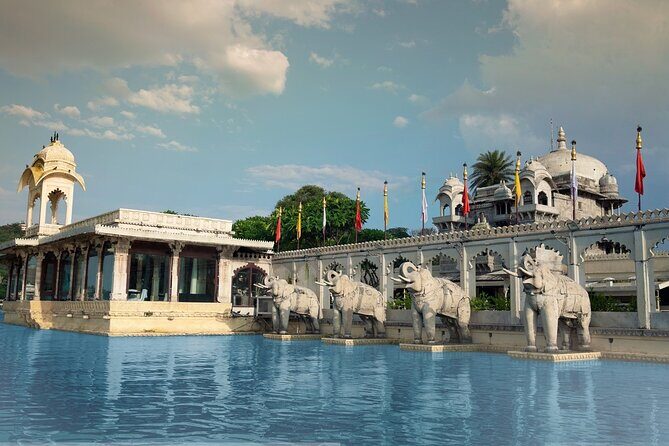
Later you visit Hawa Mahal and Jal Mahal for photo opportunities. Hawa Mahal is a big visual statement, and Jal Mahal is the one that often steals the show because it looks like it floats. Note that the itinerary frames these as photo stops, so keep your expectations aligned: you’ll likely move quickly to get the best angles.
After the tour, you drive to Delhi or Jaipur Airport for your onward flight, and the journey ends with memories of Delhi, Agra, and Jaipur.
How this day feels: structured and enjoyable. The morning is the heavy walking portion; the later parts are more about quick, scenic hits.
Price and value: what $299 covers and what to budget for
At $299 per person for a 3-day, 2-night trip, you’re mainly paying for orchestration. The inclusions cover the things that usually make a Golden Triangle trip stressful: hotel pickup and drop, a private air-conditioned vehicle with fuel and parking, and professional guide support in each city. You also get bottled water for the road.
The hotel component is another value point. You’re in 3/4/5 star hotels based on the option you choose, and the nights are built into the package rather than tacked on separately as an afterthought.
Here’s what’s not included: monument admission fees, lunch/dinner, and tips. The itinerary also notes that tickets for stops like Qutub Minar and Taj Mahal admission are not included. That matters because Taj-related entry and other UNESCO fees can add up fast, especially if you want anything extra beyond the standard route.
My practical advice: if you’re trying to keep total costs predictable, set aside a separate “tickets and meals” budget before you pay. That way, the package price stays what it should be: a solid baseline for logistics and guide time.
Private driver and guide support: why it makes the difference
This tour is private for your group, which means you’re not stuck waiting on strangers who move at different speeds. A private arrangement is especially useful in a Golden Triangle route because timing matters: you can’t afford to lose time when you need to be in the right place for sunrise.
You also get an experienced licensed driver and knowledgeable guides. In the experiences shared with this operator, guides have been praised for strong history knowledge and clear English, including an example of a guide named Vivek. Drivers have also been praised for handling traffic skillfully and keeping things smooth, with named drivers like Ram and Mr. Anna mentioned for courtesy and solid navigation.
Even if you don’t care about “who your guide is,” the effect is what counts: you spend more time understanding what you see and less time guessing. That’s the difference between visiting monuments and actually getting something from them.
One more detail I like: the operator provides water bottles. In hot or busy conditions, it’s a small comfort that keeps you from constantly searching for a shop between stops.
When to go and how to prepare for the early starts
The itinerary’s biggest timing pressure is Taj Mahal sunrise. You’ll be up early, and you’ll be moving before breakfast the second day. That means your comfort preparation matters more than usual.
Plan to:
- Bring a light layer for pre-dawn hours and a scarf or light cover for sun later
- Wear grippy shoes for forts and stair-heavy areas
- Keep your phone charged. You’ll do a lot of early photos and quick orientation shots
- Carry a small amount of cash for any onsite costs you didn’t pre-plan
Also, remember the trip spans multiple cities with road travel. If you’re prone to motion sickness, pack accordingly. A private vehicle helps because your driver can keep a smoother pace, but you’re still covering long distances.
If you’re visiting around November, the tour is described as having good weather conditions, not too hot and not too cold. That’s a helpful seasonal hint if you’re picking dates.
Should you book this Golden Triangle sunrise tour?
Book it if you want a high-structure Golden Triangle trip with a sunrise Taj Mahal focus, plus guided history context and reduced decision fatigue. This is a great fit for first-time Golden Triangle visitors and for anyone who wants a memorable highlight without spending days building their own schedule.
Skip it or adjust expectations if you hate early mornings, want lots of free time in each city, or travel with a strict no-extra-spending mindset. Since monument fees and meals aren’t included, you’ll want to budget separately to avoid sticker-shock.
If your priorities are clear—sunrise Taj Mahal, UNESCO highlights, and the core Delhi-Agra-Jaipur route—this tour’s value is in the planning and pacing.
FAQ
What cities are included in this Golden Triangle tour?
The tour covers New Delhi, Agra, and Jaipur, starting and ending in New Delhi.
How long is the tour?
It’s scheduled for 3 days (about 3 days total) with 2 nights.
What time is the Taj Mahal sunrise visit?
The Taj Mahal sunrise visit is scheduled for around 5:45 AM on day 2.
Are monument tickets included?
No. Monuments fees and admission tickets are not included, and the itinerary notes that admission tickets are not included.
What meals are included?
Breakfast is included for 2 days. Lunch and dinner are not included.
Does the tour include hotel pickup and transport?
Yes. It includes hotel pickup and drop and transportation in a private air-conditioned vehicle with driver, fuel, and parking charges.
Is this tour group-based or private?
It’s a private tour/activity. Only your group participates.
Is there a free cancellation option?
Yes. You can cancel up to 24 hours in advance for a full refund.
If you want, tell me your travel month and whether you’re okay with early mornings, and I’ll help you figure out if this exact pacing matches your style.