REVIEW · PUSHKAR
From Jaipur : Private Ajmer Pushkar Tour by Cab
Book on GetYourGuide →Operated by Golden Triangle Holidays · Bookable on GetYourGuide
Two holy cities, one smooth cab day. What makes this tour click is the private AC car and on-site English/French guides, which keep the day moving and give you context as you walk the religious sites in Pushkar and Ajmer.
One thing to plan for: not everything is included, and religious stops in Pushkar can come with on-site offering expectations and extra charges.
In This Review
- Key things I’d watch for
- Jaipur to Pushkar and Ajmer by private cab: what the whole day is really like
- Pushkar first: sunrise timing, lakeside atmosphere, and why the 3-hour block works
- Brahma Temple, temple rituals, and the real cost of “blessings” in Pushkar
- Ajmer: busy streets, safety briefings, and the Khwaja Muin-ud-din Chishti Shrine
- Guides and driver personalities: why the private part can be a big deal
- Price and value: why $12 can be great, then reality hits
- How to make the day feel smooth (not rushed)
- Should you book the private Ajmer–Pushkar tour from Jaipur?
- FAQ
- How long is the Jaipur to Ajmer and Pushkar tour?
- Where can I get picked up and dropped off?
- Is this a private tour?
- What’s included in the tour price?
- What’s not included and may cost extra?
- Does the tour include guided visits to Pushkar and Ajmer temples?
- Should I bring cash for Pushkar rituals?
- What ID do I need, and is it suitable for everyone?
Key things I’d watch for
- Private AC transport with an English/French driver: you’re not shared with strangers all day.
- Pushkar in 3 hours: enough time for key temples and a lakeside walk, but not a long stay.
- Ajmer in 2 hours: focused sightseeing that ends at the Khwaja Muin-ud-din Chishti Shrine.
- Skip-the-ticket-line included: helps when you’re trying to keep a tight schedule.
- Cash matters: some rituals and add-ons are paid on-site.
- Long day logistics: this can run 8–14 hours depending on pickup/drop and the pace you set.
Jaipur to Pushkar and Ajmer by private cab: what the whole day is really like
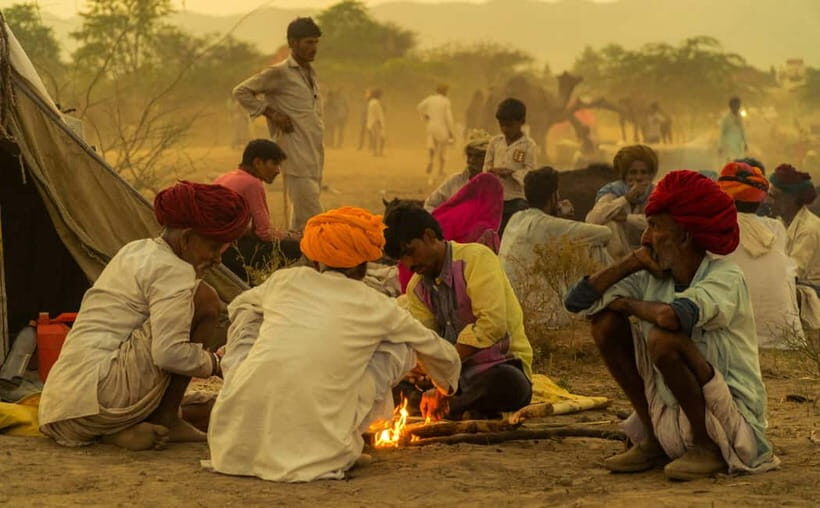
This is a classic Rajasthan one-day “big hits” route: you start from Jaipur, spend a focused chunk of time in Pushkar, continue to Ajmer, then return at the end of the day. The value is that you’re not doing this as a messy self-planned day—your transport is handled, and you get a guide for the on-site walking parts.
The ride itself is set up to be comfortable. You’ll be in a private AC vehicle with an English-speaking driver, plus water bottles (unlimited) and Wi‑Fi in the car. That may sound minor, but on a day that can stretch 8–14 hours, it changes how you experience the trip. You can work around fatigue instead of just white-knuckling the road.
Also, the “private group” format matters. If you want time to ask questions, take photos, or pause when things feel crowded, you’re more likely to get that flexibility than you would on a fixed group bus. In the same spirit, the tour includes pickup from your hotel or a desired location in Jaipur, and it can also work with other pickup/drop points depending on your choice.
The main trade-off is that the itinerary is efficient. If you want hours and hours in one place, you may feel the pressure of moving on. In fact, one review complained about the guide time feeling short at specific stops—so it helps to know what this is: a focused, guided day trip, not an all-day slow pilgrimage with unlimited time in each temple.
You can also read our reviews of more private tours in Pushkar

Pushkar first: sunrise timing, lakeside atmosphere, and why the 3-hour block works
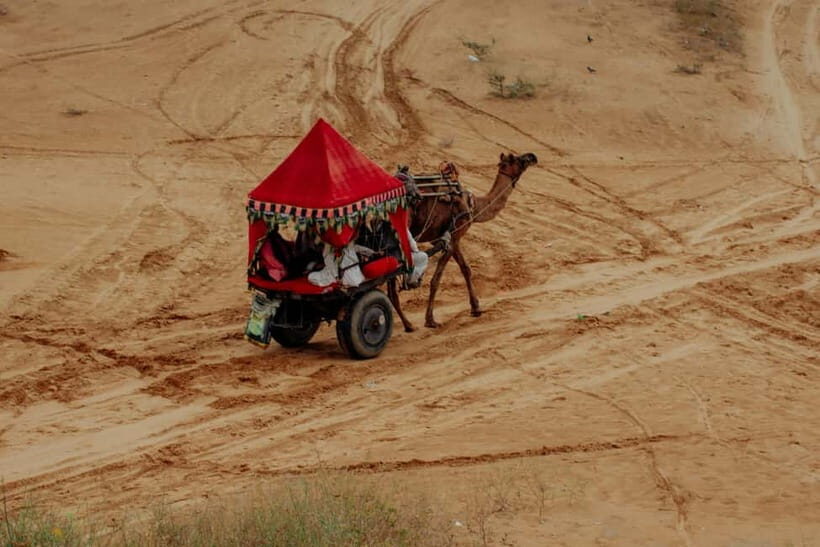
Most versions of this route aim you at Pushkar with enough time to see the town in a morning mood. The tour description highlights a sunrise experience in Pushkar, if your schedule allows it. Even if you don’t catch sunrise perfectly, you’ll still get that “start of the day” feel that Pushkar does well—temples, pilgrims, and quiet moments that don’t always happen later.
Pushkar is also where the walking part starts to feel meaningful. The route includes a photo stop and sightseeing walk, then a guided tour. In practice, that structure is great for first-timers: you get the landmarks, you understand what you’re looking at, and you’re not stuck trying to guess which temple matters most.
A big anchor is the Brahma Temple area. The guided portion is designed to explain why it’s important and what you’re seeing architecturally. Since this is a private tour, you can ask the practical questions—like what the symbols mean, or what the key rules are while you’re visiting.
If you’re a “this is why people come here” kind of traveler, you’ll probably appreciate how the tour tries to connect the dots: Pushkar isn’t just temples. It’s a town built around spiritual routine, including the lakeside setting (Ana Sagar Lake) and the daily rhythms of pilgrims.
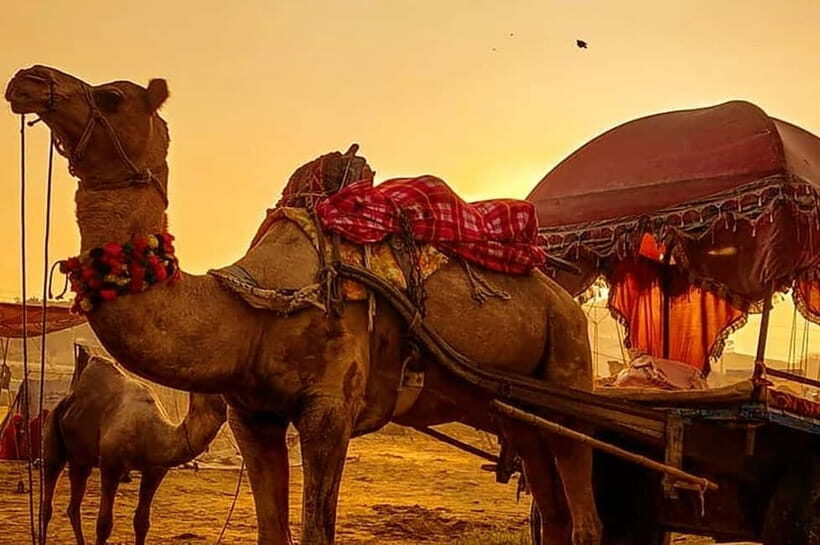
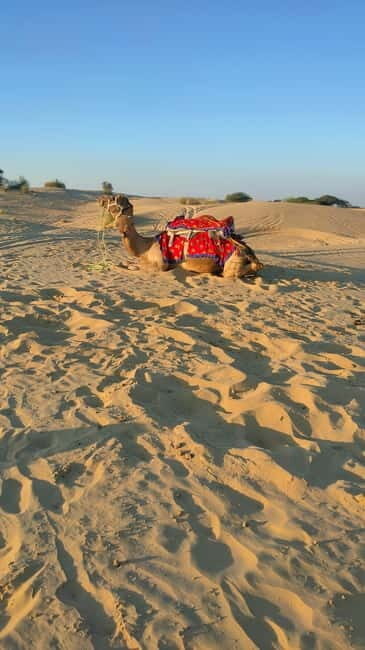
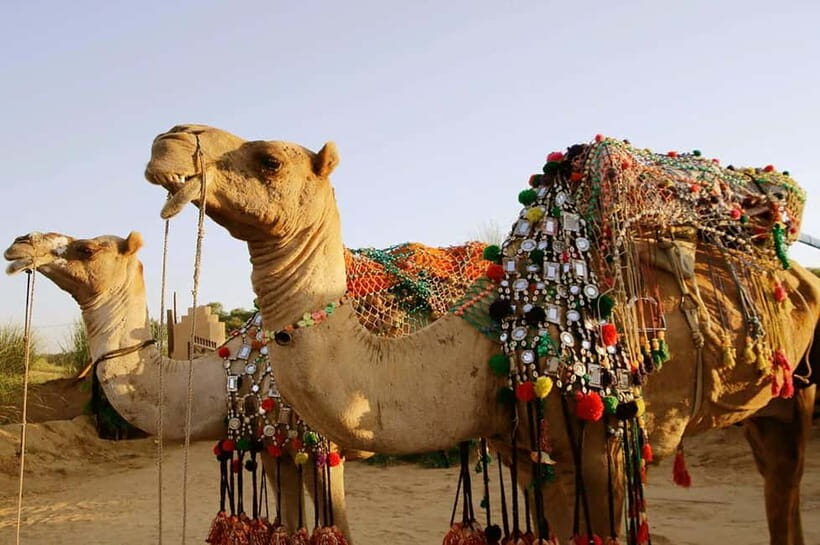
One note: Pushkar has optional activities on the edges, like camel, jeep, or horse safaris. Those aren’t included in the tour price, and opinions on the “desert” experience vary. In one review, a rider felt the desert portion was small. If that’s important to you, treat the safari as an optional add-on you choose carefully, not as a guaranteed big adventure.
Brahma Temple, temple rituals, and the real cost of “blessings” in Pushkar
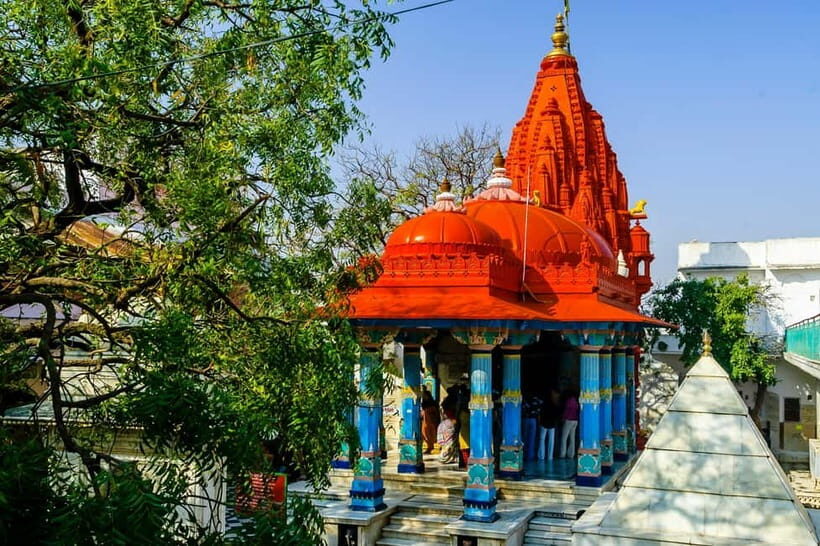
Pushkar’s spiritual side can be surprisingly hands-on. The tour includes guided temple visits, and the experience may include stops where priests or attendants encourage offerings. That’s not automatically bad—religious ritual has its own logic—but you should know how the money part can work so you’re not surprised.
For example, one review mentioned being pushed to donate to Brahmans after a temple visit in Pushkar. Another review described a lakeside blessing expectation and gave a specific starting figure: offerings described as beginning around 2,100 INR and going higher depending on what you choose to give. In that same review, they recommended bringing cash for this reason.
So here’s the practical way I’d handle it:
- Decide your “comfort range” before you go, even if it’s a small one.
- Keep cash separate from your phone and wallet so you’re not digging around during a pressured moment.
- If you don’t want to donate at a certain stop, you can still participate in the viewing and respect the ritual without feeling forced into a bigger offering.
That “respectful but firm” mindset is the difference between a memorable spiritual pause and a day that feels stressful.
Also, don’t ignore small local details that can make Pushkar feel alive. One review warned about lemurs near a hill temple area. That’s the kind of real-world note you’ll only hear from people who’ve been there—so if you’re going somewhere with steps and trees, keep your stuff tight and your eyes open.
Ajmer: busy streets, safety briefings, and the Khwaja Muin-ud-din Chishti Shrine
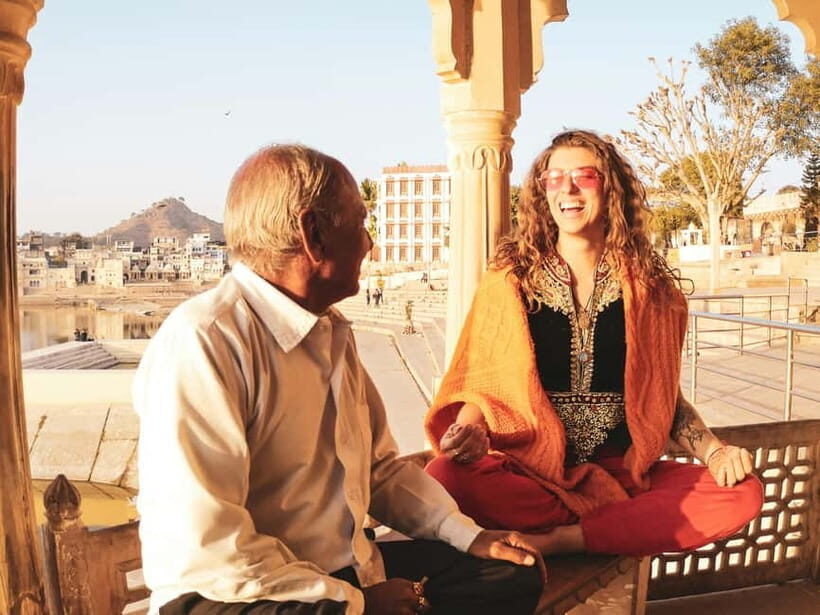
After Pushkar, you’ll continue to Ajmer for another focused block. The trip includes photo stops, sightseeing walks, and a safety briefing as part of the Ajmer segment. That’s a good sign for a day trip, because Ajmer’s main spiritual sites can be crowded and confusing, especially when you’re moving between areas quickly.
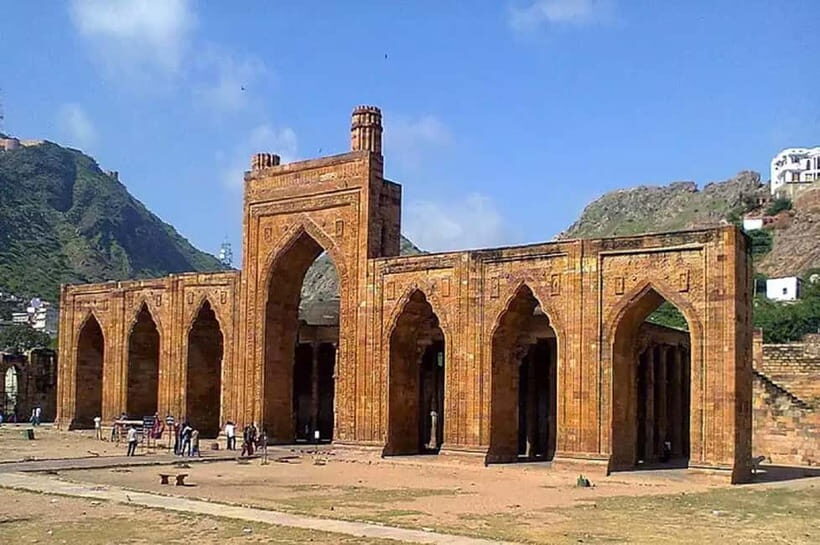
Ajmer also stands on its own historically and spiritually, but the itinerary’s true highlight is the Khwaja Muin-ud-din Chishti Shrine. This is the stop the tour description calls out by name, and it’s also where you’ll feel the shift from Pushkar’s Hindu temple focus into Ajmer’s Sufi pilgrimage atmosphere.
One review highlighted that the driver wouldn’t let them navigate the mosque area on their own—more hands-on guidance during a tricky environment. That matters because these are places where it’s easy to get turned around, miss key points, or accidentally wander into areas that feel off-limits. A good guide reduces that mental load.
Transportation choices can matter in Ajmer too. One review suggested going to the mosque by tuk-tuk rather than walking, and they felt the area could be a little risky. Their advice wasn’t dramatic, but it was a practical reminder: on a long day, walking everywhere may not be the best move when you’re managing crowds and time.
And just like in Pushkar, expect people to talk to you. That’s normal around holy sites. What’s not normal is losing your belongings. One review warned about people asking for money and the risk of theft or snatching, including keeping your phone and wallet secure. It’s the kind of reminder that keeps you enjoying the spiritual sights instead of worrying about security.
Guides and driver personalities: why the private part can be a big deal
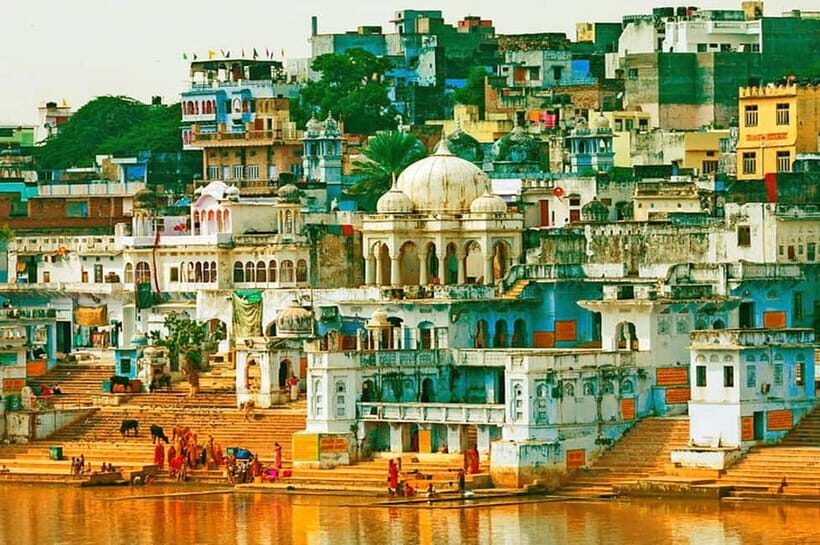
The transport and guide quality is the heart of the experience. The tour includes a live guide (English and French) and a driver, and in reviews you can see how much difference that makes.
For instance, one traveler praised Sandeep for calling the night before to confirm pickup time and location, plus careful driving and flexibility. They also described Sandeep refusing to let them navigate the mosque on their own, which signals a safety-first approach. The same review said the driver was flexible when the traveler added a 2-hour camel safari and a visit to a Sikh temple in Pushkar, connecting them with a local guide/escort for that ritual.
Another review credited Manoj for organizing the day well and thanks to guides who led through packed experiences (including camel riding in that case). Another praised Bhupendra as a driver who drove safely through traffic and supported an excellent guide day.
Then there’s the other side of the coin: one review felt the guiding time at certain temples was too short and criticized forced donation expectations. That’s a reminder that “guided” can mean different things depending on how the guide schedules stops and how much time they spend at each site.
So when you book, I’d choose this tour for the right reasons: you want private transport plus guidance at the major stops, and you’re okay with flexibility on optional extras. If you’re the type who wants deep time at each temple with zero pressure, you might feel shortchanged unless you can set the pace yourself.



Price and value: why $12 can be great, then reality hits
At around $12 per person (as listed), the headline price sounds like a steal for a private AC car, driver, Wi‑Fi, and guide support. And in pure transport terms, it often is good value—you’re basically paying to avoid the logistical hassle of renting a car or coordinating multiple rides.
But the tour doesn’t pretend everything is included. The not-included list is clear: food and drinks, monument entry fees, camel rides, jeep safari, and the Ajmer Dargah tuk-tuk ride. On top of that, religious rituals may involve offerings that you control, but you should expect them to appear during the day. Reviews also point out that some on-site payments can add up quickly if you’re not prepared.
Here’s how to budget without stress:
- Treat temple entry fees as separate.
- Plan to pay for any safari add-ons you choose.
- Bring cash for rituals and any impromptu local guide support.
- If you want lunch, plan for it as an extra.
The itinerary even suggests a lunch stop at a cafe in Pushkar with views (Sunset Cafe). Since food isn’t included, you’d pay there, but at least the tour gives you a known option instead of leaving you to hunt for a place while you’re hungry.
If you stay flexible, this tour can deliver a lot. If you want everything fully paid and controlled down to the last rupee, you’ll likely end the day feeling like costs slipped past your plan.
How to make the day feel smooth (not rushed)
This is a same-day itinerary with a long drive. That means your success depends on how you handle pacing and expectations.
First, start with the end in mind: the day ends back in Jaipur (or possibly Ajmer depending on your chosen drop). That gives you a clear “timer” in your head. If you keep your must-do list short—Pushkar temples, Brahma Temple area, the Ajmer shrine—you’ll enjoy the day more than trying to pack in every optional activity.
Second, bring your own calm. Places like Pushkar and Ajmer can create a constant stream of people asking questions or offering services. You don’t have to be rude, but you do need boundaries. Keep your phone and wallet secure, and don’t hand over personal items casually.
Third, use the guide for what you can’t easily Google: where to stand for the best view, what’s appropriate inside, what timing works, and why a ritual matters. One review noted the guide/escort connection for a Sikh temple visit, which suggests that a good guide can open doors to respectful moments beyond the main Hindu and Sufi sites.
Finally, for anyone thinking about added safaris: if you book a camel or jeep experience, you’re trading time away from extra temple wandering. A review praised adding a camel safari by extending the plan by two hours. That’s the right way to treat it—an intentional swap, not a random add-on.
Should you book the private Ajmer–Pushkar tour from Jaipur?
Book it if you want:
- Private AC transport and a guide-led day between two major pilgrimage hubs.
- A schedule that hits Brahma Temple in Pushkar and the Khwaja Muin-ud-din Chishti Shrine in Ajmer without you playing transport detective.
- A hands-on spiritual day where the guide helps interpret what you’re seeing.
Skip it (or consider a different style of tour) if you:
- Hate any on-site offering pressure and want a strictly “pay once, no surprises” experience.
- Need a wheelchair-friendly or pregnancy-friendly plan (this one is listed as not suitable for wheelchair users and pregnant women).
- Expect hours and hours in each city. This is a focused route, and the 3-hour Pushkar + 2-hour Ajmer structure can feel short if you’re hoping for deep time.
If you do book, I’d go in with two small preparations: bring cash for rituals/add-ons, and go in with a short must-do list. With that mindset, you’re more likely to leave with the kind of day that feels spiritually satisfying instead of financially annoying or time-stressed.
FAQ
How long is the Jaipur to Ajmer and Pushkar tour?
The tour duration is listed as 8 to 14 hours, depending on availability and the starting time.
Where can I get picked up and dropped off?
Pickup is available from hotel or any desired location in Jaipur, and drop-off can be at your preferred location. The tour also shows Jaipur and Ajmer as pickup and drop-off options.
Is this a private tour?
Yes, it’s a private group experience.
What’s included in the tour price?
Included are a private AC vehicle with an English-speaking driver, an English/French live tour guide, unlimited water bottles, Wi‑Fi in the car, and pickup and drop from your chosen location in Jaipur, plus fuel, parking, tolls, and taxes.
What’s not included and may cost extra?
Food and drinks are not included, and monument entry fees, camel rides, jeep safaris, and the Ajmer Dargah tuk-tuk ride are also not included.
Does the tour include guided visits to Pushkar and Ajmer temples?
Yes. The plan includes guided sightseeing in Pushkar (including the Brahma Temple) and guided sightseeing in Ajmer, ending with the Khwaja Muin-ud-din Chishti Shrine.
Should I bring cash for Pushkar rituals?
It’s a good idea. Some on-site blessings and offerings in Pushkar may require payment, and reviews mention an offering starting around 2,100 INR for a holy lake blessing.
What ID do I need, and is it suitable for everyone?
You should bring a passport or ID card. It’s listed as not suitable for pregnant women and wheelchair users.