REVIEW · PUSHKAR
Experience Private Food And Culture Walk-The Pushkar Route
Book on Viator →Operated by THE PUSHKAR ROUTE · Bookable on Viator
Street food, then temples, then more street food. That’s the feel of this private Pushkar walk, built to help you taste local Rajasthani flavors while also understanding why food and faith sit side-by-side here.
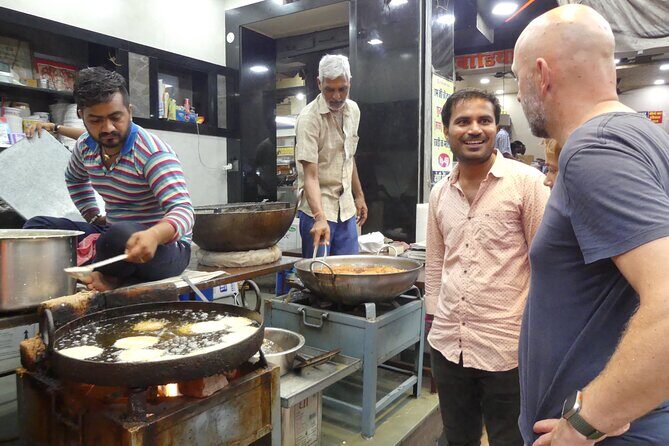
I especially like the food-first route through local vendor spots and stalls, plus the way you get temple breaks so your stomach isn’t stuck in snack overload mode. The second thing I love is the guide-led context—this isn’t just eating, it’s learning Hindu customs and the spiritual side of Pushkar alongside what’s on your plate.
One consideration: with a 3-hour walking plan and multiple stops, it helps to go with a comfortable pace. If you’re sensitive to crowds or walking in heat, plan smart clothing and water habits.
In This Review
- Quick highlights
- Why Pushkar’s food is tied to its temples
- Starting at Rangji Temple: private pacing and what 3 hours feel like
- Pushkar Lake stop: a calm palate reset before the temple circuit
- Varaha Temple and Old Rangji Temple: why the walk includes religion
- Brahma Temple: enough time to digest, not just finish fast
- What you’ll taste: lassi, poha, dal pakwan, malpua, and kachori
- Rose factory shop: a sweet detour with practical meaning
- Hygiene and street-food comfort: how they keep it safe
- Value check: is $15 per person worth 3 hours in Pushkar?
- Who this private food-and-culture walk suits best
- Should you book this Pushkar Route food and culture walk?
- FAQ
- How long is the private food and culture walk in Pushkar?
- What does this tour cost?
- Where does the tour start and end?
- Is pickup offered?
- Is this tour private?
- What food is included?
- Do you visit temples during the walk?
- What is the cancellation policy?
- Will I get confirmation after booking?
Quick highlights
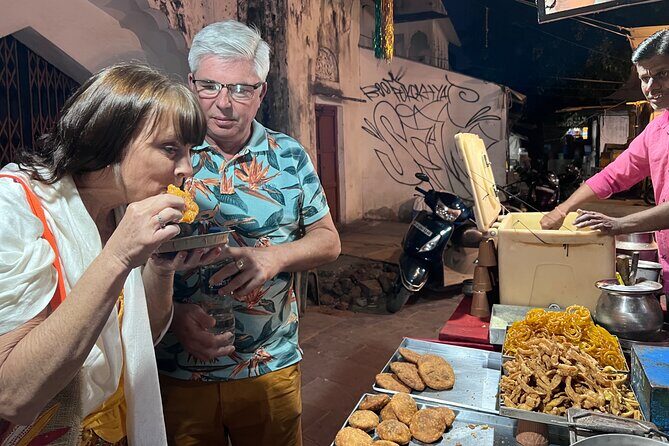
- Private, group-only experience for a calm pace through Pushkar’s food-and-temple circuit
- Temple stops timed for digestion, not just check-the-box sightseeing
- Hygiene-focused vendor selection, with practical safety habits built into the route
- A well-known local guide experience with Manish, friendly and explanatory
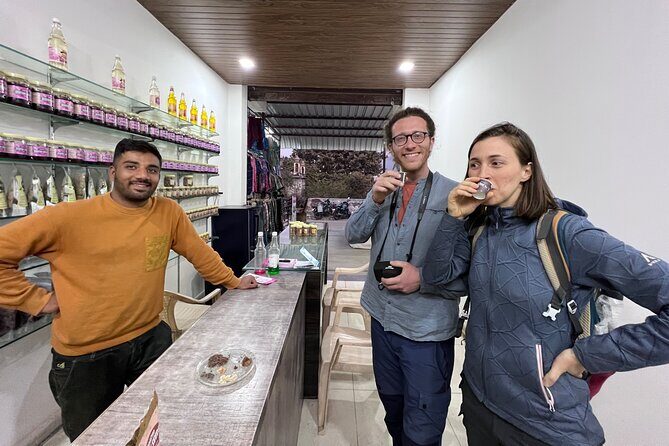
- Rose Gulkand Lassi and classic Pushkar snacks plus a Rose factory shop visit
- Off-the-beaten-track tastings, including a mix of Western and desi-style seasoning
Why Pushkar’s food is tied to its temples
Pushkar is famous for food, but what makes this walk different is the reason behind it. You’re not only sampling iconic sweet and savory snacks—you’re also getting the spiritual context that shapes how people eat and share food here.
This is a food + cultural walk in the truest sense: Hindu customs and religious significance are built into the stops, so you’re constantly connecting what you’re tasting with what you’re seeing. The route also mixes styles—there’s mention of Western + desi Indian tadka, which helps explain how Pushkar’s culinary culture can feel both traditional and open to outside influence.
And yes, you get temples on the schedule. In a place where the spiritual energy is the backdrop to everyday life, those stops make the snack breaks feel purposeful, not random.
You can also read our reviews of more walking tours in Pushkar

Starting at Rangji Temple: private pacing and what 3 hours feel like
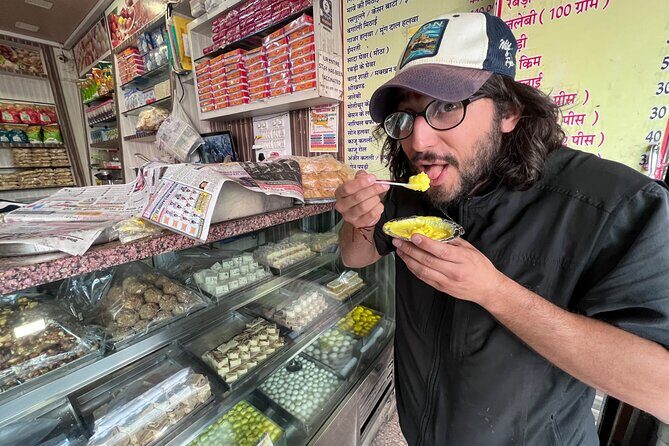
The walk starts at Rangji Temple (FHR4+44Q, Pushkar, Rajasthan 305022), and it ends back at the meeting point. It’s designed as a 3-hour experience, so you won’t lose half a day just to get your bearings and then track down food on your own.
Because it’s private, only your group participates. That matters more than you might think in a place like Pushkar—less waiting, fewer interruptions, and more time to ask questions without feeling like you’re competing with other groups.
Pickup is offered, and there’s a mobile ticket. You’ll also receive confirmation at booking. If you’re the type who likes clear, low-stress planning, this setup is a good match.
Pushkar Lake stop: a calm palate reset before the temple circuit
The first stop is Pushkar Lake. Starting near the lake works well because it gives you a breather before the temple-heavy part of the walk. It’s the kind of opening that helps you settle into the city’s rhythm and look around before your food options multiply.
From there, the tour keeps a steady flow toward religious sites. The idea is simple: taste, then move, then taste again—without feeling like you’re sprinting from one place to the next.
If you want to get photos, this is your best chance early on. If you don’t, it still helps because it breaks the experience into a morning/afternoon rhythm you can handle.
Varaha Temple and Old Rangji Temple: why the walk includes religion
Next up: Varaha Temple and Old Rangji Temple. These aren’t just scenic stops. The tour is built to connect food and faith, including how Hindu history and customs influence what people eat and how they think about food.
What I like about this approach is that it avoids the common trap of a “food tour” that’s only about taste. Here, you get explanations that make the religious context feel practical—like something that shapes daily life, not museum-level trivia.
You’ll also be walking through areas that feel less like a staged tourist circuit. That matches the promise of off-the-beaten-track stops, where locals eat and vendors run the show.
A good note for your expectations: you’re not being asked to memorize anything. The goal is understanding enough that when you taste something again later in Pushkar, it lands with a bit more meaning.
Brahma Temple: enough time to digest, not just finish fast
The route includes Brahma Temple, and the pacing is part of the point. The experience is designed to give you time to digest by visiting well-known temples between food stops.
That sounds basic, but it’s a real quality factor for a tour like this. Street food is fun—until you hit the point where everything tastes the same because you’re too full or too rushed. This plan tries to prevent that by building in movement and spiritual sights as a natural reset.
Brahma Temple is also the emotional anchor for many visitors, because Pushkar is strongly associated with Lord Brahma. If you’re curious why Pushkar attracts people who aren’t just chasing flavors, this is where the story starts making more sense.
You can also read our reviews of more food & drink experiences in Pushkar

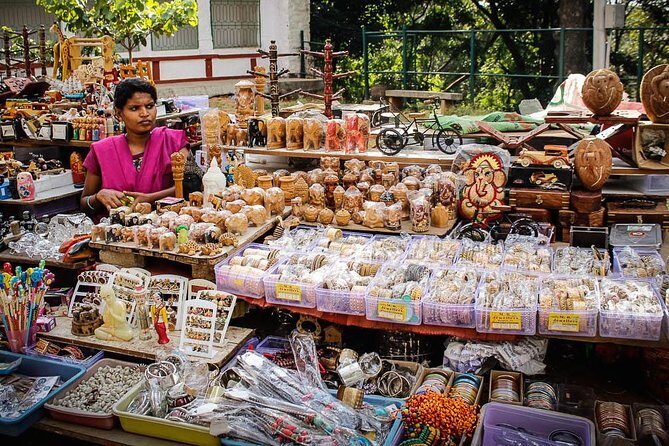
What you’ll taste: lassi, poha, dal pakwan, malpua, and kachori
This walk is packed with actual items, not vague “snack samples.” Included foods include:
- Rose Gulkand Lassi
- Pushkar Poha
- Pushkar Dal Pakwan
- Pushkar Herbal Tea
- Pushkar Famous Malpua
- Falafel
- Pushkar Kachori
That list tells you a lot about the tour’s range. You get creamy and sweet (like the lassi and malpua), filling savory dishes (poha, dal pakwan, kachori), plus a tea break. There’s also falafel, which fits the broader idea of the route mixing local and adapted flavors.
A key part of the value here is how the tastes are spread across the walk. You’re not dumped into one restaurant and left to fend for yourself. Instead, you keep sampling different formats—hot, cold, sweet, savory—while the guide explains what’s happening in the local food culture.
If you have food preferences, this is where you should think carefully. The tour is built around multiple local dishes, so it’s best if you’re open to eating what’s served and asking questions about ingredients while you’re there.
Rose factory shop: a sweet detour with practical meaning
There’s also a tour of the Rose factory shop included in the experience. That matters because it gives context to one of the signature flavors you’ll be tasting, especially with Rose Gulkand Lassi on the menu.
Even if you’re not planning to buy anything, factory stops can be useful because they translate a familiar flavor into a story of how it’s made locally. You’ll come away with a better sense of what you actually ate, not just that it tasted good.
This part also breaks up the food pattern with something different, so your brain doesn’t get stuck in only one mode (eat, then immediately eat again).
Hygiene and street-food comfort: how they keep it safe
Street food can be intimidating. This tour leans into it, but with a focus on hygiene. The experience describes hand-picked street vendors and stalls known for excellent hygiene cuisine.
In the same spirit, some guests noted that the route used bottled water/ice and kept hygiene standards high. That’s the kind of detail that makes a huge difference when you’re trying new foods in a foreign country.
Here’s my practical advice: even with careful vendor selection, keep your own rhythm. Eat slowly, sip water, and don’t stack too many spicy items back-to-back on an empty stomach. This tour’s temple breaks help, but smart pacing still wins.
Also, since it’s a walking tour, dress for sun and dust. Comfortable shoes aren’t optional if you want the route to feel like fun instead of a grind.
Value check: is $15 per person worth 3 hours in Pushkar?
At $15 per person for about 3 hours, this is priced for people who want real local food access without spending big. What you’re paying for isn’t only the snacks—it’s the guidance, the temple context, and the “you don’t have to guess where to eat” advantage.
The tour includes a meaningful list of items: lassi, poha, dal pakwan, herbal tea, malpua, falafel, kachori, plus the rose factory stop. In other words, it’s not a single bowl of something and a pat on the back.
It also books pretty quickly—on average, this kind of experience gets reserved about 7 days in advance—so if you want a specific time window, plan earlier rather than later.
If you’re comparing this to sorting it out alone, the savings is mostly time. You’re paying to reduce decision fatigue: where to go, what to try, and how to connect it to what you’re seeing in Pushkar.
Who this private food-and-culture walk suits best
This tour is ideal if you want a guided mix of:
- street-food tasting (with a hygiene focus),
- temple viewing with cultural explanations,
- and a structured 3-hour plan that keeps you moving.
It’s also a strong pick if you like learning on the go. With Manish guiding, the tone described is friendly, informative, and the explanations are meant to make Pushkar feel understandable rather than overwhelming.
If you’re traveling solo and want company, the private format can still feel special because you’re not stuck in a huge group. If you’re coming as a couple or small group, the pacing and group-only setup make it easier to ask questions and adjust your speed.
Should you book this Pushkar Route food and culture walk?
Yes, if you want a simple plan that blends local eating + Hindu context in one afternoon. The price is low enough that it doesn’t feel risky, and the included menu plus temple timing make it feel like more than just snacks on a route.
Book it especially if you:
- don’t want to hunt for good vendors yourself,
- like learning while you travel,
- and prefer a guided walking flow with stops built into the schedule.
Skip it only if you’re looking for a purely culinary experience with no temple focus, or if you’re so sensitive to walking that even a 3-hour route feels like too much.
FAQ
How long is the private food and culture walk in Pushkar?
It runs for about 3 hours.
What does this tour cost?
The price is $15.00 per person.
Where does the tour start and end?
It starts at Rangji Temple (FHR4+44Q, Pushkar, Rajasthan 305022) and ends back at the meeting point.
Is pickup offered?
Yes, pickup is offered.
Is this tour private?
Yes. It’s a private tour/activity, and only your group participates.
What food is included?
Included items are Rose Gulkand Lassi, Pushkar Poha, Pushkar Dal Pakwan, Pushkar Herbal Tea, Pushkar Famous Malpua, Falafel, Pushkar Kachori, plus a tour of the Rose factory shop.
Do you visit temples during the walk?
Yes. The stops include Pushkar Lake, Varaha Temple, Old Rangji Temple, and Brahma Temple.
What is the cancellation policy?
You can cancel for a full refund up to 24 hours in advance of the experience start time.
Will I get confirmation after booking?
Yes. Confirmation is received at the time of booking.