REVIEW · PUSHKAR
From Jaipur : Ajmer Pushkar Private Tour by Cab with Guide
Book on GetYourGuide →Operated by Gospyad · Bookable on GetYourGuide
Ajmer and Pushkar, organized with zero hassle. This private cab tour from Jaipur strings together the Ajmer-e-Sharif Dargah and the rare Brahma Temple in Pushkar, with a guide to explain what you’re seeing.
I like the comfort side of this trip: AC transfers, a friendly driver, unlimited water, and even WiFi in the cab. I also like that the guide (notably Rickie in one set of experiences) focuses on meaning, not just making you rush from one photo spot to the next.
One consideration: it’s a long day (8–14 hours), and you’ll want to budget extra for meals and monument entry fees, since those aren’t included.
In This Review
- Key things to know before you go
- A Straightforward Jaipur-to-Ajmer-to-Pushkar Day Trip
- Private Cab Comfort: Why the Ride Matters in Rajasthan
- Rickie’s Style of Guidance: What a Good Religious-Site Guide Actually Does
- Ajmer-e-Sharif Dargah: Your First Big Spiritual Stop
- Dhai din ka Jhonpara: A Short Stop That Still Feels Worth It
- Ana Sagar Lake: The Photo Stop That Gives You a Breather
- Brahma Temple in Pushkar: The Rare Dedicated Worship Stop
- Pushkar Lake Ghats and Temple Time: Guided Viewing Plus Your Own Wandering
- Ganesha Textiles: Shopping Without Turning the Day Into Chaos
- Skip-the-Ticket-Line: Small Time Saver, Big Day-Quality Impact
- Food, Entry Fees, and the Real Cost of a Long Spiritual Day
- Price and Value: Is $54 Per Person a Fair Deal?
- Who This Tour Suits Best (And Who Might Feel Rushed)
- Should You Book This Jaipur to Ajmer Pushkar Private Tour?
- FAQ
- What cities does this tour cover?
- How long is the tour?
- What are the main stops during the day?
- Is the tour guided?
- Is a private cab included?
- Are meals included?
- Are monument entry fees included?
- Can I skip the ticket line?
- FAQ
- What language will the guide speak?
- What do I need to bring?
Key things to know before you go
- Private cab + live guide: you get nonstop guidance on-site, so you’re not figuring things out on your own.
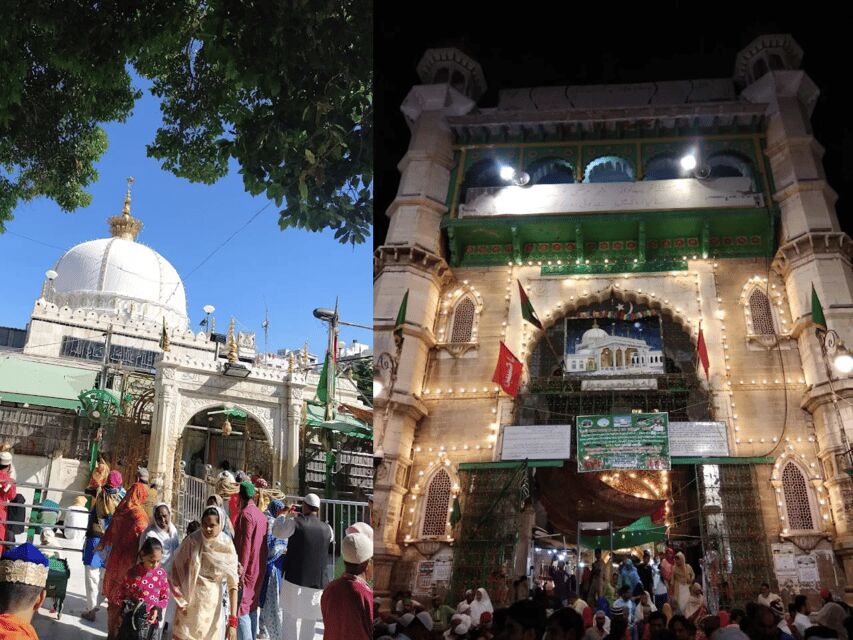
- Ajmer-e-Sharif Dargah time-boxed right: about 1.5 hours means you can see and understand without feeling dragged.
- Brahma Temple in Pushkar: a dedicated Lord Brahma stop, with about 1 hour on the ground.
- Pushkar Lake ghats + free time: you get guided time plus about 1 hour to wander.
- Ganesha Textiles shopping stop: a full hour set aside for shopping and a relaxed walk.
- Fewer lines: the tour includes skipping the ticket line.
A Straightforward Jaipur-to-Ajmer-to-Pushkar Day Trip
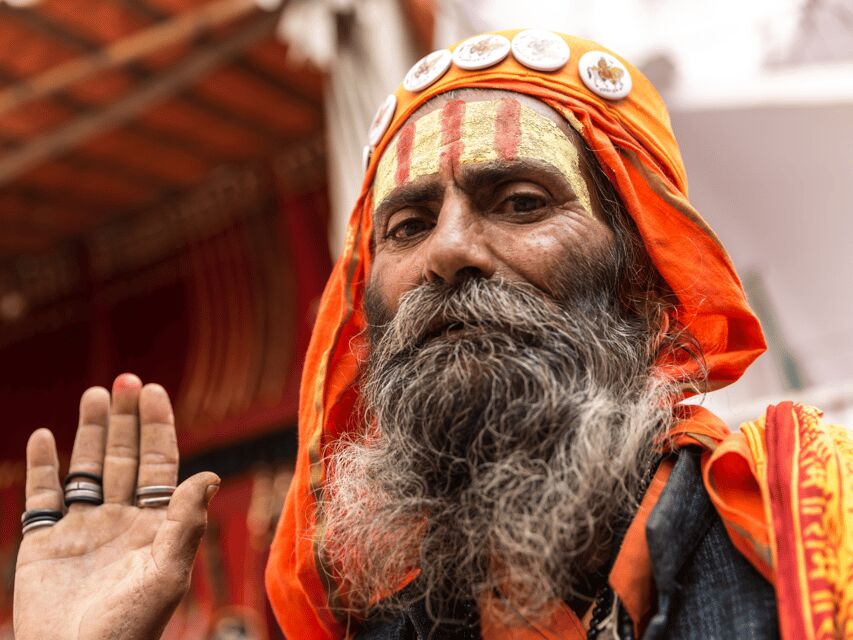
If you’ve ever looked at a map and thought Ajmer and Pushkar would be too much trouble in one go, this is the clean version of that idea. You start in Jaipur, ride in a private AC cab with a driver, and then work through two of Rajasthan’s most spiritual destinations with a guide who’s there for the actual walking parts.
This is also a smart way to experience variety. Ajmer brings you into a Muslim pilgrimage atmosphere at Ajmer-e-Sharif Dargah. Then Pushkar shifts the mood toward temple worship and lakeside life at Pushkar Lake, with a rare stop at the Lord Brahma Temple. You’ll get the contrast without needing to plan routes, parking, or timing.
You can also read our reviews of more guided tours in Pushkar

Private Cab Comfort: Why the Ride Matters in Rajasthan
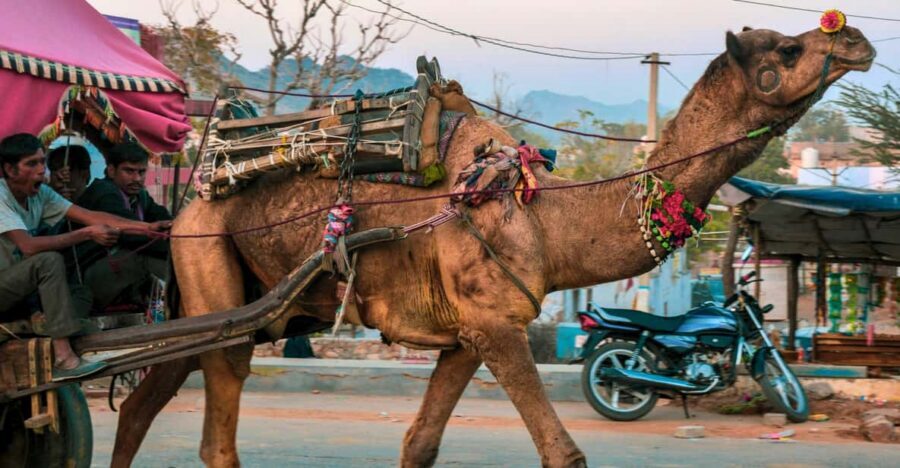
The biggest practical win here is the transfer setup. You’re not stitching together taxis or negotiating rides at the last minute. You get a private cab with a driver, and that matters because the day is long. When you’re moving between Jaipur, Ajmer, and Pushkar, comfort isn’t a luxury—it’s how you keep the rest of the day enjoyable.
A few small-but-useful touches are included: unlimited water, WiFi, and even tissue paper. Those sound minor until you’re in the middle of sightseeing and realize you’re not searching for basics. Reviews also mention smooth driving and a plush car, which is exactly what you want for a long day.
There’s also a helpful rhythm to the day: each stop has a guided segment, and then you’re moved on. That pacing helps you avoid the classic problem of religious sightseeing trips—where you end up standing around waiting and losing your momentum.
Rickie’s Style of Guidance: What a Good Religious-Site Guide Actually Does
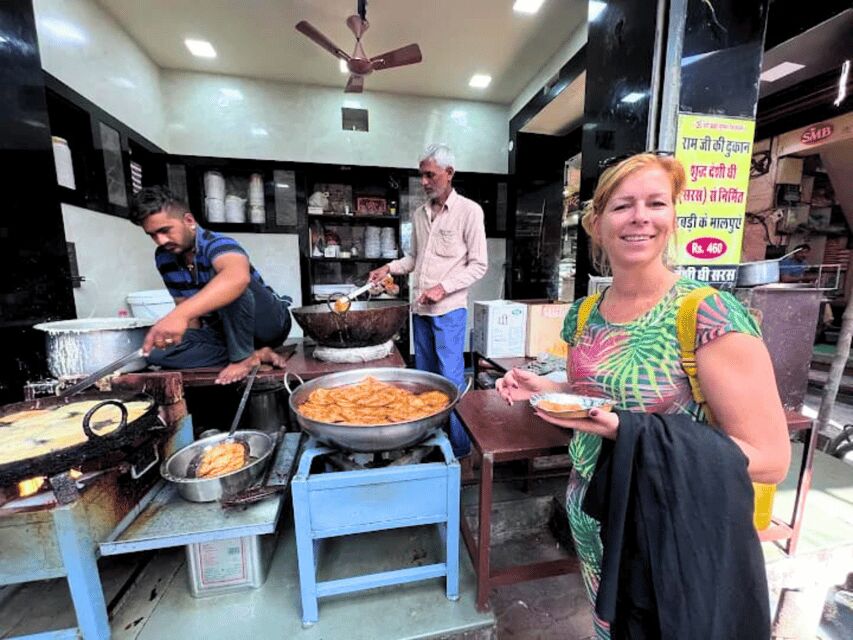
The guide’s role is more than translation. The tour is built around the idea that you’ll understand what you’re walking into. One experience specifically highlighted Rickie for taking a reasonable amount of time to explain Hindu beliefs. That approach changes how you experience a temple visit: instead of just looking, you’re also connecting the visuals to meaning.
For places like Ajmer-e-Sharif Dargah and the Lord Brahma Temple, context helps you read the atmosphere. You’ll know what you’re seeing, what people are there for, and how to behave respectfully. That’s also where a private guide shines. You can ask questions, and you don’t have to shout over a crowd.
A small added plus: at least one set of experiences notes the guide also helped with a purchase. In tourist markets, that can reduce stress—especially when you’re trying to shop without getting swept into a chaotic huddle.
Ajmer-e-Sharif Dargah: Your First Big Spiritual Stop
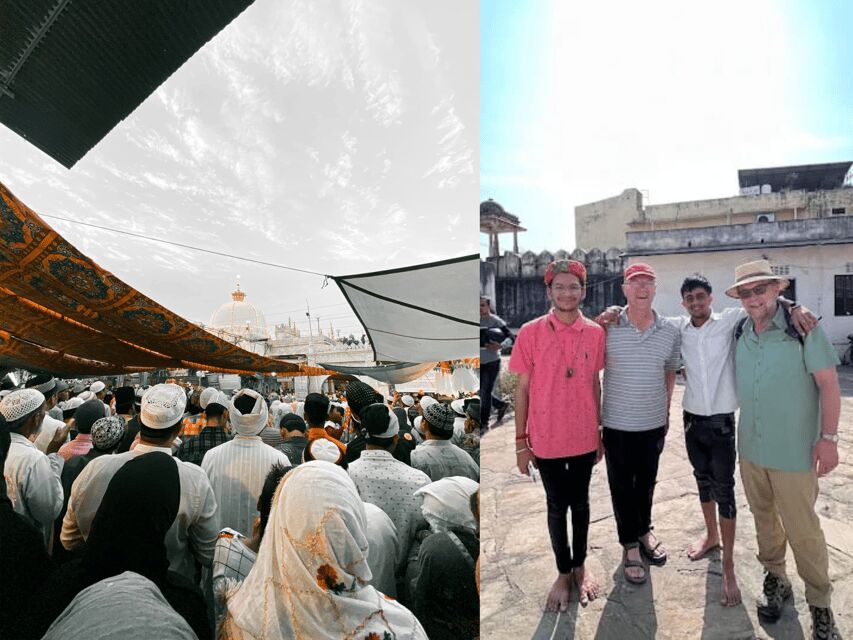
Ajmer-e-Sharif Dargah is the kind of place where the scale hits you quickly. The tour gives you about 1.5 hours here, guided. That time allocation is thoughtful because it’s long enough to settle in, look around, and follow the guide’s flow without feeling like you’re being rushed.
It’s also described as a revered pilgrimage site for Muslims. So while you’ll be there as a visitor, you should treat it like a working religious space—calm, respectful, and ready for real devotion happening around you.
One practical advantage of having a guide during your Dargah visit: you’ll avoid the awkward moments of trying to understand where to go next. You’re not just sightseeing—you’re learning how to move through the site in a way that fits the setting.
Dhai din ka Jhonpara: A Short Stop That Still Feels Worth It
After Ajmer-e-Sharif Dargah, you move to Dhai din ka Jhonpara. The tour allots about 30 minutes here with guided sightseeing.
Short stops can be risky. If a site needs time to understand, 30 minutes can feel like a blink. But in this itinerary, the time is likely meant to balance the day. You’re still getting a guided look, and you’re not stretching your energy thin before the lake and Pushkar segments.
If you like concentrated sightseeing—where you want someone to tell you what you’re looking at—this kind of timed stop works well. If you prefer to wander for an hour or two on your own at every location, you might feel the pace a little fast here.
You can also read our reviews of more private tours in Pushkar
Ana Sagar Lake: The Photo Stop That Gives You a Breather
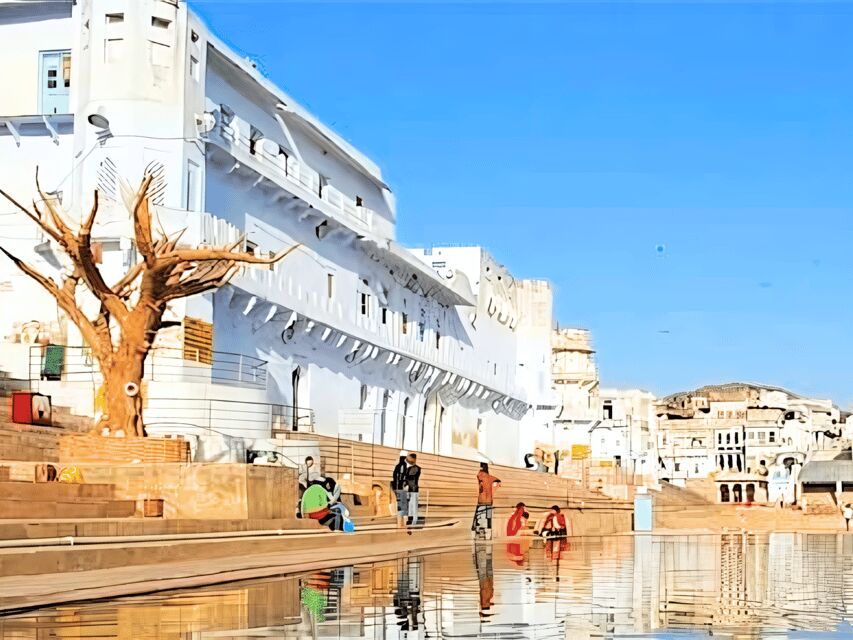
Then comes Ana Sagar Lake, with about 30 minutes including a photo stop and guided tour. This is a smart mental reset in the middle of a religious route. After temple and shrine focus, a lake break helps you loosen up your pace and recharge.
The tour’s structure also makes sense here: you’re not expected to spend hours planning food or transit. Instead, you keep the momentum and still get a scenic pause. You’ll also be in the right zone for later Pushkar Lake time, so the day doesn’t feel repetitive—you get water views in both towns, but in different contexts.
Brahma Temple in Pushkar: The Rare Dedicated Worship Stop
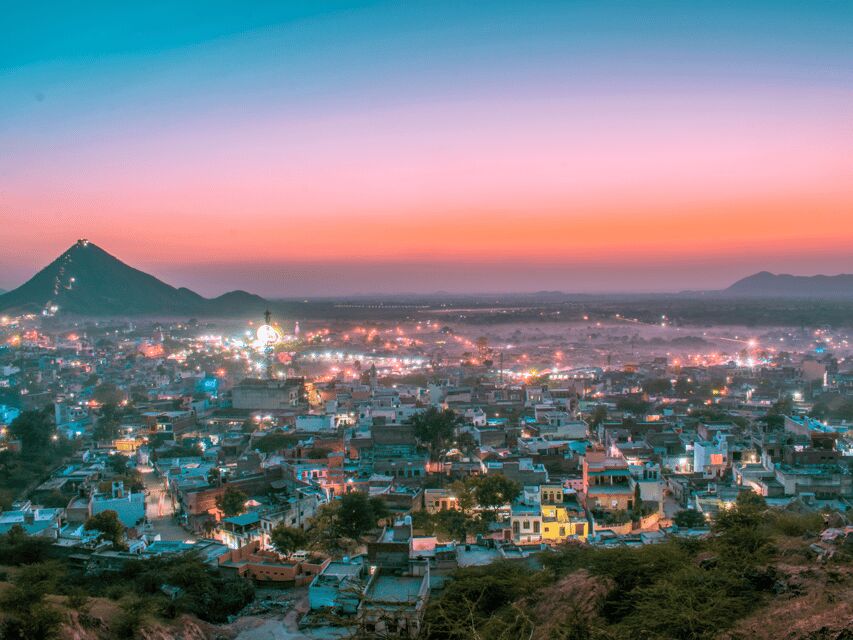
If you’re choosing this tour because Pushkar’s most unusual spiritual attraction interests you, this is the part you’ll remember.
The Lord Brahma Temple visit is about 1 hour with a guided walkthrough. The highlight description calls it rare and dedicated to worship of Lord Brahma. That matters, because Pushkar is known for many temples, but a dedicated Brahma focus is what gives this stop its special identity.
I like that the itinerary doesn’t compress it too tightly. An hour is enough time to see the main temple areas with the guide and still have a chance to absorb the atmosphere. When a tour includes one distinctive anchor stop like this, it raises the whole value of the day—your trip isn’t just a checklist of famous names.
Pushkar Lake Ghats and Temple Time: Guided Viewing Plus Your Own Wandering
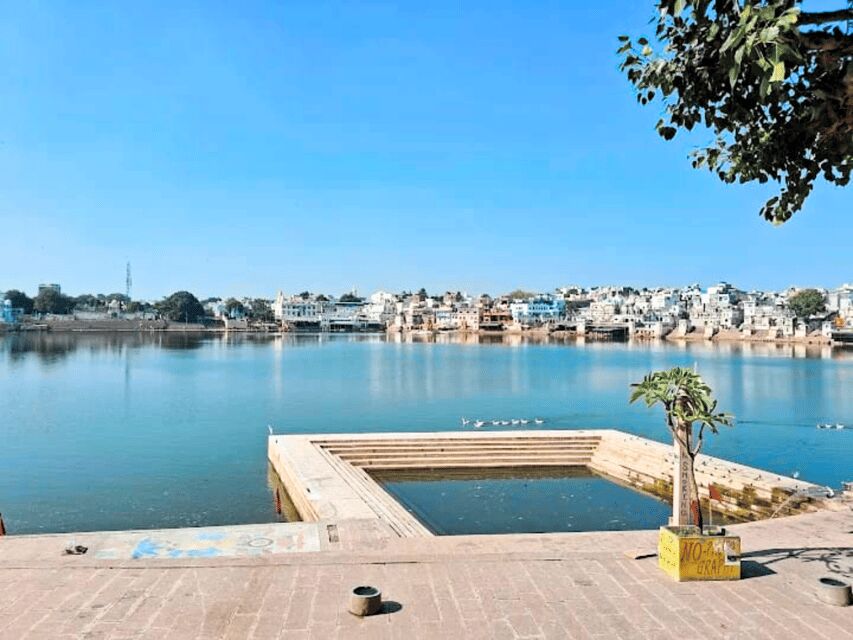
Pushkar Lake is the heart of the town’s spiritual vibe, and the tour gives you about 1 hour here, with guided time plus free time. You’ll get a chance to stroll along the ghats of Pushkar Lake and soak up the serene atmosphere.
This is the best balance point in the schedule: you get guidance first, so you understand what you’re looking at, and then you get space to experience it your way. That free time is where you can slow down for photos, watch daily life, and do any personal exploring you want.
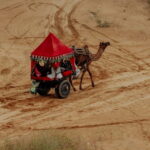
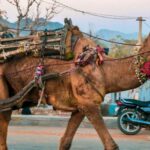
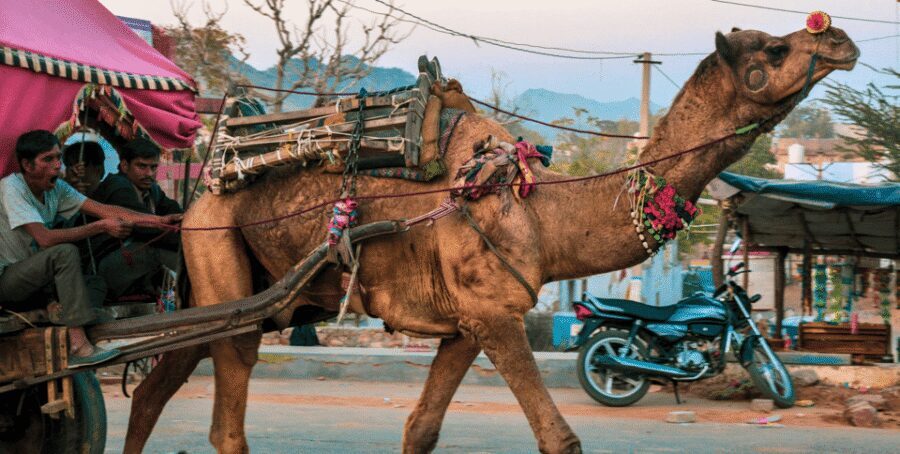
Camel rides come up as a highlight in some accounts from people who booked this same kind of trip. The tour data you have here doesn’t say the ride is included, but during free time near Pushkar Lake you may encounter vendors offering them. If you’re interested, treat it as an optional add-on and agree on terms before you go.
Ganesha Textiles: Shopping Without Turning the Day Into Chaos
One hour is set aside for a visit to Ganesha Textiles, with free time for shopping and a walk. This kind of stop can be controversial on tours—sometimes it feels like a detour. But if your shopping goal is practical and you’re okay with one organized market-style visit, it can work as an easy way to buy textiles, gifts, or souvenirs without losing the rest of your sightseeing time.
Because the itinerary gives you a full hour, you’re not rushed. You can compare items, ask questions, and decide what’s worth bringing home. Also, having the guide with you can help you keep the shopping time smooth.
Skip-the-Ticket-Line: Small Time Saver, Big Day-Quality Impact
The tour includes skipping the ticket line. That’s one of those features that’s hard to measure until you’re standing near a queue. For a day that already runs 8–14 hours, every saved minute protects your energy for the last temple, the last lake view, and the return drive.
Just remember: the tour doesn’t include monument entry fees. So skip-the-ticket-line is about reducing the hassle of lines, not eliminating paid entry for every site. You’ll want to keep some extra budget in mind for what you’re asked to pay on arrival.
Food, Entry Fees, and the Real Cost of a Long Spiritual Day
The tour includes transfers and guide time, plus basics like water and WiFi, but meals and monument entry fees are not included. That’s normal for day tours, but you still need to plan.
In practice, you’ll likely want to:
- carry a snack you can grab quickly between stops (if it suits your travel style)
- budget for paid entry where required
- plan your hydration around your included water bottle supply
From a value perspective, the key question is whether paying extra for meals and entry fees still feels reasonable compared to the convenience of private transport and guided time. At $54 per person, you’re mostly paying for the smooth logistics of one-day coverage plus the guide who keeps the experience coherent.
Price and Value: Is $54 Per Person a Fair Deal?
For many day trips, you end up paying twice: once for transport and again for the opportunity to avoid stress. This tour packs the essentials into one price—private AC cab, driver, water, WiFi, and a live guide across both Ajmer and Pushkar.
At $54 per person, the pricing feels most compelling if:
- you want a private group experience (not riding around with strangers)
- you care about having guidance at religious sites
- you’re staying in Jaipur and don’t want to self-organize two towns in one day
Your costs that are not included are the typical ones: meals and monument entry fees. So the real value comes from how well those extras fit into your day planning. If you’re the kind of traveler who hates queue time and wants a driver to handle the route, this price tends to feel fair.
Who This Tour Suits Best (And Who Might Feel Rushed)
This trip fits travelers who like structure. You’ll get guided time at each major stop, plus free time in Pushkar and a shopping window at Ganesha Textiles.
It’s especially good if you:
- want a one-day introduction to Ajmer and Pushkar
- prefer private cab comfort over public transport
- value explanations at religious sites (not just photos)
- don’t want to coordinate logistics between cities
It may feel rushed if you:
- dislike tight time limits between stops
- want long solo wandering time at every location
- need a flexible schedule for meals, rest, or extended breaks
One more practical note: the tour isn’t suitable for wheelchair users based on the provided information.
Should You Book This Jaipur to Ajmer Pushkar Private Tour?
Book it if you want the quickest good version of Ajmer and Pushkar—private cab comfort, a live guide, and a schedule that balances shrines, temples, a lake pause, and shopping.
Skip it or reconsider if you’re the type who wants slow travel and long free wandering. This is a guided, timed day designed to cover a lot smoothly. And if you don’t plan for meals and monument entry fees, you’ll feel the pinch at the wrong moments.
If you love the idea of understanding what you’re seeing—especially at Ajmer-e-Sharif Dargah and the Lord Brahma Temple—this is one of the easier ways to do it from Jaipur.
FAQ
What cities does this tour cover?
It covers Ajmer and Pushkar, starting and ending in Jaipur.
How long is the tour?
The duration is listed as 8 to 14 hours.
What are the main stops during the day?
The tour includes Ajmer-e-Sharif Dargah, Dhai din ka Jhonpara, Ana Sagar Lake, the Brahma Temple in Pushkar, Pushkar Lake, and a visit to Ganesha Textiles.
Is the tour guided?
Yes. You get a live tour guide during the on-site excursions, in English and Hindi.
Is a private cab included?
Yes. You get city transfers in an AC cab with a driver, plus pickup and drop from Jaipur.
Are meals included?
No, meals are not included.
Are monument entry fees included?
No, monument entry fees are not included.
Can I skip the ticket line?
Yes, the tour includes skipping the ticket line.
FAQ
What language will the guide speak?
The guide is available in English and Hindi.
What do I need to bring?
You should bring a passport or an ID card.