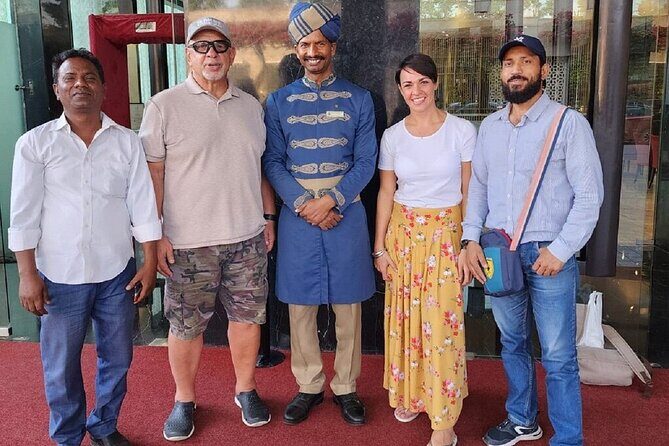
REVIEW · NEW DELHI
Delhi Slum Walking Tour
Book on GetYourGuide →Operated by Mumbai Dream Tours · Bookable on GetYourGuide
The lanes in Delhi don’t stay quiet for long. This 2-hour guided walking tour focuses on daily work you can actually see: small businesses, a neighborhood chicken market, and a chapati factory turning out huge volumes each day. It ends the way many great neighborhood tours should: with chai and a chance to talk through what you noticed.
I especially liked two parts: watching small-scale industries and residences in the same walking loop, and then seeing food production up close at the chapati factory. You get a clear sense of how people earn a living, not just what a place looks like.
One drawback to keep in mind: the tour can be canceled. One verified booking mentioned arriving at the meeting point only to find the tour was canceled, so I’d plan to confirm the status shortly before you head out.
Key things I think make this tour worth your time
- Moti Nagar Metro start point: easy to find, and it keeps the whole outing anchored to public transit
- A small group (max 10): less crowd noise, more space to ask practical questions
- Chicken market walk: you’ll see a major source of income for many residents
- Chapati factory with 8,000+ daily: production scale you can visually grasp
- Chai as the closing moment: a guided chat that helps you process what you saw
- Trains passing every 10 minutes: the city rhythm is part of the experience
In This Review
- A 2-hour look at everyday work in New Delhi’s slum lanes
- Moti Nagar Metro meeting point: how the format helps you stay oriented
- Small industries and small residences: seeing the local economy in miniature
- Chicken market walk: where income is visible and immediate
- Chapati factory visit: the scale of 8,000+ chapatis a day
- Chai and reflections: the end point that makes the tour click
- Price and value: what $13 buys (and what it doesn’t)
- Respect and realism: how to get the most out of a neighborhood visit
- Who should book this Delhi Slum Walking Tour?
- Should you book this tour or not?
- FAQ
- How long is the Delhi Slum Walking Tour?
- Where does the tour start and end?
- How much does it cost?
- What’s included in the tour price?
- Is food included?
- What’s the group size?
- Is the tour canceled-free if plans change?
- Is the guide English-speaking?
A 2-hour look at everyday work in New Delhi’s slum lanes

This is a short tour, and that’s a good thing. Two hours is enough time to connect dots—how people cook, trade, repair, package, and sell—without turning it into a long slog that blurs everything together.
The tour is designed around real, visible routines. You’ll walk through areas that include small residences alongside small businesses, then move into two very specific economic hubs: the chicken market and a chapati factory. If you’ve ever wondered how “informal” work functions day after day, this gives you a grounded answer.
And yes, the city keeps moving. You’ll be walking while trains pass about every ten minutes, so you get that layered soundscape of New Delhi while you’re focused on local life.
Moti Nagar Metro meeting point: how the format helps you stay oriented
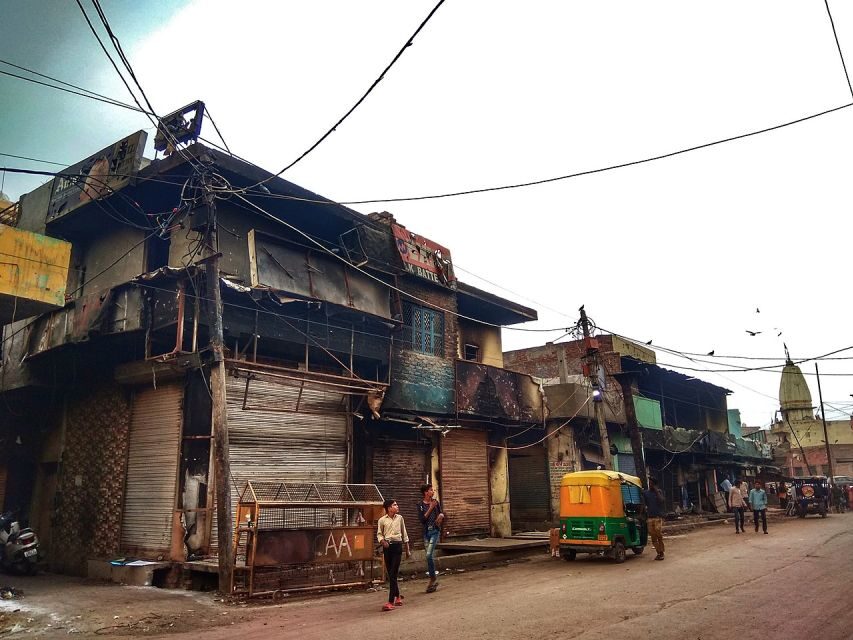
You start at Moti Nagar metro station. For a neighborhood tour, I like a meeting point that’s public and straightforward, not a vague street corner. It also helps you avoid the “where do we gather” stress that can eat into a short, 2-hour plan.
The tour includes local transportation, but the exact details of that leg aren’t spelled out in the information I have. Still, the structure is clear: meet your English-speaking local guide, then begin walking and moving through the area.
The group size is limited to 10 participants, which matters more than it sounds. In tight, active spaces, a smaller group is easier to manage and less likely to feel intrusive. It also means your guide can keep explanations going without everyone falling behind.
Practical tip: plan for a proper walk. The tour is short, but it’s still a walking experience, so comfortable shoes and a light layer help.
You can also read our reviews of more walking tours in New Delhi



Small industries and small residences: seeing the local economy in miniature

One of the tour’s core ideas is that daily life isn’t separated into neat categories. You’re not only seeing a market, and you’re not only touring a production place. You’re walking through a mix of small-scale industries and small residences, so you can understand how work fits into the home environment.
That matters because it changes how you interpret what you’re seeing. Instead of picturing “slum” as one static label, you see activity tied to real jobs—hands busy, small setups working, and people moving through their day. The tour focuses on the practical side of life: earning, keeping things running, and making sure tomorrow continues.
This part also trains your attention. You’ll notice details that are easy to miss from a distance: small workspaces, how products move, and the way residents keep their rhythm while visitors come through with a guide.
Balanced expectation: this won’t read like a documentary with giant sweeping explanations. It’s a street-level experience with guided context, so if you’re after high-level history, you may need to supplement elsewhere.
Chicken market walk: where income is visible and immediate

Next comes a walk through the chicken market, described as a major source of income for many residents. This stop is probably the most direct “economy you can see” moment in the tour, because it’s tied to an ongoing stream of trade rather than a single production display.
What I’d focus on here is the logic of the place. Markets like this aren’t one thing; they’re a network of tasks that keep supply, demand, and daily work connected. Even if you’re not buying anything, watching how goods are handled, how people move, and how the space functions can make the idea of employment feel real.
One consideration: market environments can be intense. Even on a guided walk, you should expect sights and smells that come with food and activity. If you’re sensitive to busy, close-up food areas, this could feel more challenging than the rest of the tour.
Still, the strength of this stop is clarity. It doesn’t ask you to guess how people make money. It shows you the work engine that many households rely on.
Chapati factory visit: the scale of 8,000+ chapatis a day
After the market, you visit the chapati factory, where more than 8,000 chapatis are delivered every day. That number is the kind of detail that sticks, because it instantly turns “street food” into something operational and high-throughput.
The value here is in the contrast. You’ve just seen a market tied to selling and income. Now you see production tied to consistency and output. Watching a chapati factory (even as a visitor) helps you understand how everyday meals become a system—timing, repetition, and steady delivery.
What to expect: the tour frames this stop as a place where you can see how daily bread production works at a scale that supports lots of customers. It’s not presented as a casual “show and tell,” but as a working routine with real volume.
A small practical note: factories and kitchens can be warmer than outside areas, even if you’re not there long. Bring whatever helps you feel comfortable—light clothing, and consider how you’ll handle heat and steam.
Chai and reflections: the end point that makes the tour click
The tour ends with a cup of chai. That’s not just a nice touch; it’s an organizing moment. After you’ve seen workspaces, markets, and a production line, the chai stop gives you a guided structure for your impressions—especially since the tour specifically includes time to share your thoughts with the guide and group.
This part can also help you avoid the biggest trap of short tours: leaving with photos but no meaning. A conversation, even a casual one, helps you connect what you saw to how people describe their own routines.
If you’re the type who likes to ask questions, this ending is often where your guide has more room to respond. You can bring up what confused you, what surprised you, or what you want explained in simpler terms.






Price and value: what $13 buys (and what it doesn’t)

At $13 per person for a 2-hour guided experience, the value is mostly about access and context. You’re paying for an English-speaking local guide, a structured route through meaningful stops, and chai included during the tour.
You’re also getting local transportation included. That’s a real plus in a city where transit can be time-consuming and confusing. If you were trying to DIY this, you’d spend time figuring out where to go and how to understand what you’re seeing once you get there.
What’s not included: food and drinks beyond the chai. So if you want more than one drink or any snack outside the tea, you’ll need to budget separately.
Is it always the best deal? It depends on your expectations. If you want a deep dive into policy or a long educational program, two hours may feel short. If you want a respectful, street-level overview of daily work and markets, the price looks quite reasonable.
One more value point: the experience is limited to 10 participants. For many tours at this level, that smaller size can make your questions easier and your guide’s attention more useful.
Respect and realism: how to get the most out of a neighborhood visit
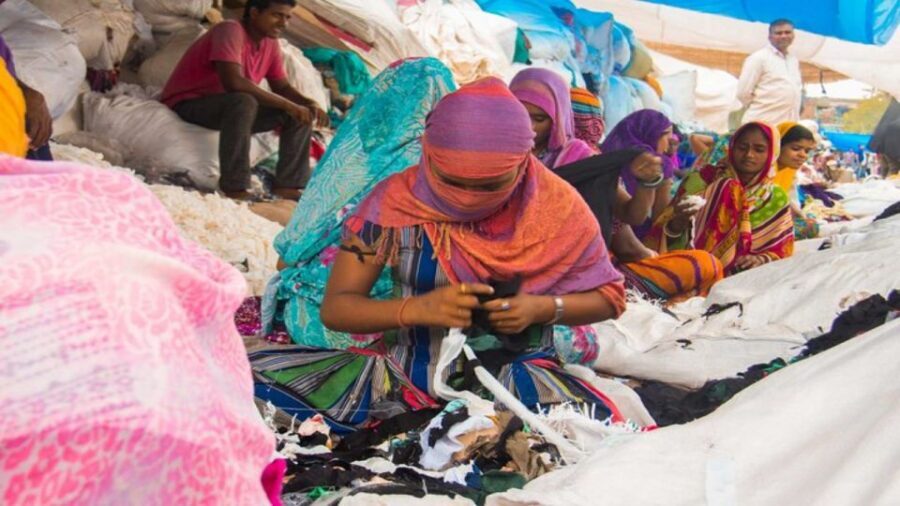
This tour’s strongest praised element is that it’s handled in a respectful way. That matters because neighborhood tours can go wrong fast when visitors act like they’re watching a show. Here, the emphasis is on learning about everyday life and how locals run small businesses and markets.
To get the most out of it, I’d go in with the right attitude: curious, quiet enough to let the guide explain, and ready to see ordinary labor as work worthy of attention. The stops—industries, chicken market, chapati factory—are not museum exhibits. They’re functional spaces.
Also, remember the city tempo. With trains passing roughly every ten minutes, you aren’t in a controlled environment. The experience is meant to feel alive and real.
One logistical reality: group tours can sometimes change. With one verified booking reporting cancellation after arriving at the meeting point, it’s smart to keep your plans flexible and check close to departure.
Who should book this Delhi Slum Walking Tour?
I think this tour fits best if you want:
- A short, practical introduction to everyday economic life in New Delhi
- A guided path through small businesses and food-production work
- An experience that includes chai and conversation, not just photo stops
It may be less ideal if you need:
- A long, slow tour with minimal sensory intensity (markets can be vivid)
- A history-heavy explanation with big timelines
If you enjoy learning by watching how systems work—food production, market supply, daily labor—this will likely click. And if you like meeting an English-speaking local guide, the format supports that.
Should you book this tour or not?
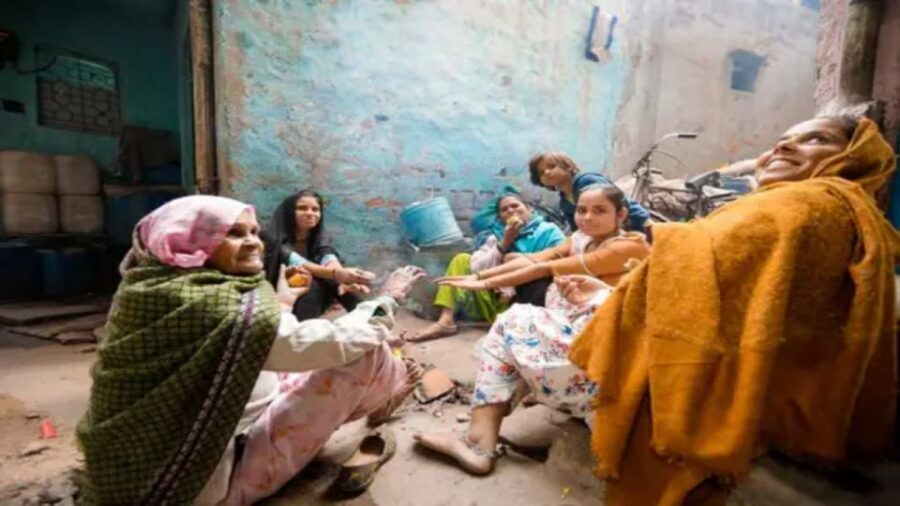
I’d book it if you’re looking for a 2-hour, guided neighborhood look at work you can see: the chicken market, the chapati factory with 8,000+ chapatis delivered daily, and the mix of small industries and residences. At $13, it’s a solid value for structured local context plus chai.
I’d hesitate only if you’re tightly scheduled and cannot handle the chance of last-minute cancellation. If you can stay flexible and you’re open to market-level sensory details, this tour sounds like a respectful way to understand daily life through the people who make it run.
FAQ
How long is the Delhi Slum Walking Tour?
The tour lasts 2 hours.
Where does the tour start and end?
It starts and ends at Moti Nagar metro station.
How much does it cost?
The price is $13 per person.
What’s included in the tour price?
Included items are an English-speaking local guide, chai during the tour, and local transportation.
Is food included?
No. Food and drinks are not included (chai is included).
What’s the group size?
It’s a small group, limited to 10 participants.
Is the tour canceled-free if plans change?
The tour offers free cancellation up to 24 hours in advance for a full refund.
Is the guide English-speaking?
Yes, the tour has an English live tour guide.