REVIEW · NEW DELHI
Delhi: Old City Guided Tour with Rickshaw Ride & Pickup
Book on GetYourGuide →Operated by Ayesha Holidays · Bookable on GetYourGuide
Old Delhi can feel like sensory overload, and this tour gives it a plan. I like the guided walking through historic lanes and markets because you’re not just wandering, you’re understanding. I also like the rickshaw + spice market combo because it turns the biggest crowd magnets into something readable and fun. One possible drawback: you’ll need to handle modest dress and respect rules at religious sites, and the day can get tight on schedule if crowds swell.
The best part is the flow: pickup, a first-stop mosque visit, then market time, then a calm reset with a Sikh temple and Gandhi’s memorial. It’s a 5-hour way to cover a lot of ground without feeling like you’re playing transport Tetris.
In This Review
- Key takeaways
- Old Delhi by foot and rickshaw: pacing, pickup, and why it works
- Jama Masjid in the first hour: architecture, respectful timing, and the “skip the line” advantage
- Rickshaw through Chandni Chowk lanes: getting the market story, not just the noise
- Khari Baoli spice market: where the guide turns aromas into understanding
- Gurudwara Bangla Sahib: the calm pause that makes the day feel balanced
- Red Fort from the outside and Rajghat’s quiet reflection
- Price and what about $9 really covers
- Guides that set the tone: clear English and flexible on-the-spot help
- Small practical tips so your feet and day stay happy
- Who should book this Old City mix, and who might want a different plan
- Should you book this Old Delhi guided tour?
- FAQ
- What sites are included in the tour?
- How long is the tour?
- Is the rickshaw ride included?
- Are entrance fees and food included?
- Can I use flash photography during the tour?
- Where does pickup and drop-off happen?
Key takeaways
- Old Delhi with a real guide: English explanations that help you connect sights to daily life.
- Rickshaw through Chandni Chowk lanes: a classic ride, timed as part of the walking route.
- Jama Masjid first: grand architecture and a guided look without wasting the whole day in queues.
- Khari Baoli’s spice world: aromas, colors, and how spices are used, not just sold.
- A calm break at Bangla Sahib: a softer, spiritual contrast to the markets.
- Budget-friendly value: pickup and multiple stops for about $9 per person, with the biggest add-on costs being entrances and meals.
Old Delhi by foot and rickshaw: pacing, pickup, and why it works
This tour is built for a specific kind of sightseeing: short, guided stops paired with the right kind of local transport. You start with pickup from a wide set of locations across Delhi and nearby areas, including places like Connaught Place, Paharganj, Karol Bagh, Aerocity, and the broader Noida/Gurugram belt. That matters because Old Delhi is not the easiest place to navigate when you’re arriving with jet lag and a phone battery that’s already half-dead.
After pickup, you head to Jama Masjid for about an hour with a guide. Then you shift gears into the market area with a traditional rickshaw ride through Chandni Chowk, followed by guided walking and browsing time. Later, you’ll visit Khari Baoli, continue on to Gurudwara Bangla Sahib, get a pass by the Red Fort, and end at Rajghat.
The route is efficient, but it’s not a sprint. It’s still a walking day, so plan on comfy shoes that can handle uneven ground and lots of stopping. Also, remember the tour is private-group style, which usually means you’re not getting shoved into a giant herd. You’ll still face crowds because these are the main public areas, but your guide can manage pace and timing better than if you were on your own.
You can also read our reviews of more guided tours in New Delhi
Jama Masjid in the first hour: architecture, respectful timing, and the “skip the line” advantage
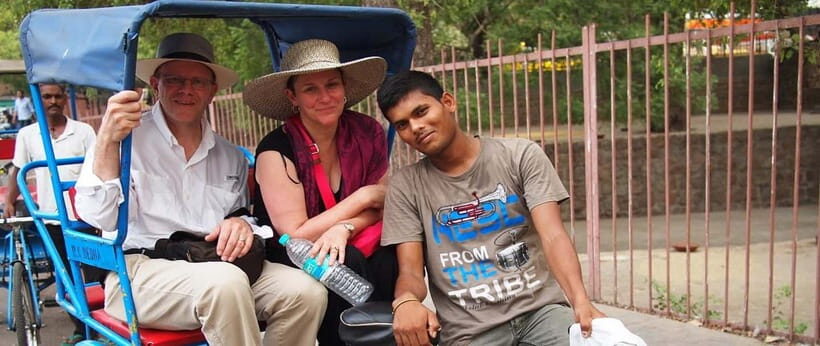
Jama Masjid is the kind of landmark that looks impressive even before you understand it. With a guide, the visit turns from wow into meaning: you’ll spend about an hour here, with time to admire the grand architecture and the peaceful courtyard while your guide explains its significance.
This is also where the tour’s planning shows. There’s skip-the-line help through a separate entrance, which can save real time at a site that can get crowded. That makes a difference for a 5-hour itinerary. In a city where delays happen, time saved is the difference between “see everything” and “why are we rushing.”
Practical note: religious sites in Delhi can be strict about modest dress, and you’ll want to follow guidance at the entry points. The tour also specifies flash photography is not allowed, so keep your camera ready for normal light instead of relying on flash.
A possible consideration: even with a guide and a faster entrance, you’ll want to be mentally ready for rules and crowd management. If you hate any kind of “hold up” at entrances, this may feel like a lot. But if you can stay flexible, Jama Masjid is one of the strongest stops on the route.
Rickshaw through Chandni Chowk lanes: getting the market story, not just the noise
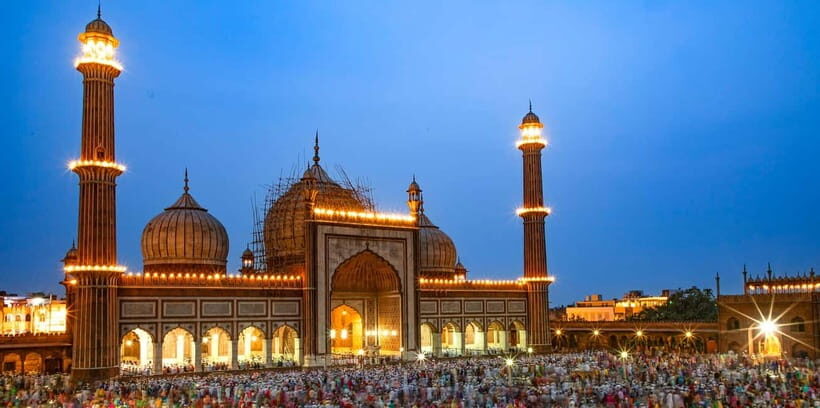
Chandni Chowk is famous for a reason. It’s a place where people come to shop, snack, and gossip as much as they come to see sights. The tour gives you a classic rickshaw ride (about 30 minutes) through the market lanes, then continues with guided exploration for around an hour.
Here’s why that ride is more than a photo moment. Seeing Chandni Chowk from street level is intense. From a rickshaw, you get a wider sense of how lanes connect and how shoppers flow. On foot with a guide, you get context: what you’re seeing, what’s sold there, and how the market fits into daily life.
Also, the guide experience matters. In the small set of real-world examples attached to this tour, guides like Gurvinder and Sumit are described as clear and reliable, with English you can understand. One guide even suggested places to eat and shop, which is the kind of help that turns a market visit into something useful.
What to watch for: markets mean constant movement, narrow lanes, and lots of sensory input. If you’re easily overwhelmed by crowds or smells, take it in steps. The tour’s structure helps, but you’ll still want to keep your pace steady. And since food and drinks aren’t included, you’ll have to decide on snacks separately if you want them.
Khari Baoli spice market: where the guide turns aromas into understanding
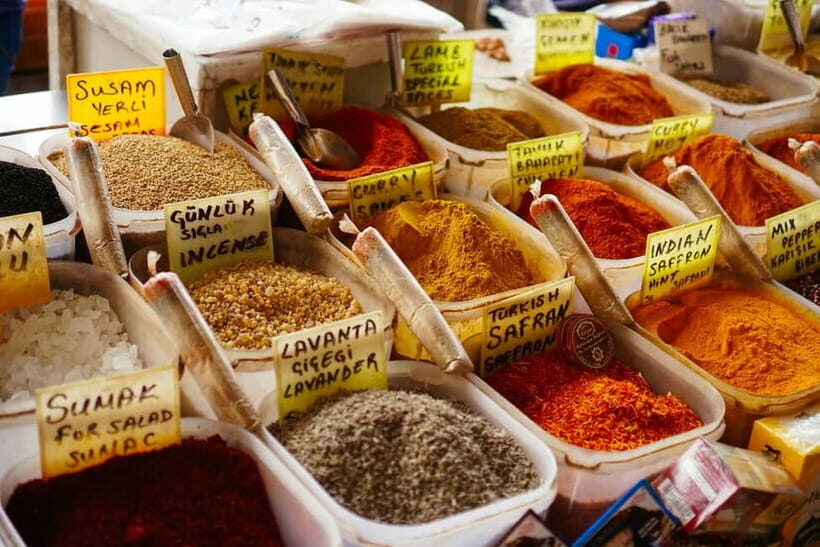
Then you shift from busy shopping lanes to something that hits your senses immediately: Khari Baoli, described as Asia’s largest spice market. You’ll spend about an hour here with a guide.
Spice markets can be either educational or just loud. This one leans educational. You’ll experience the aromas and colors of spices, herbs, and dry fruits, while learning how different items are used and where the traditions come from. That “how it’s used” part is key. You don’t just walk past jars and labels; you learn what the ingredients do in cooking and how people think about them.
A practical tip: strong scents are part of the deal. If you’re sensitive to smell, consider wearing something light and be ready for it. And because the tour includes bottled water but doesn’t include food, you can keep hydrated while you browse.
Shopping is part of the vibe here. The guide can help you figure out what’s worth buying and what’s mainly decorative. But don’t treat it like an unlimited shopping trip either. You’ll still want to pace yourself because the day continues after this stop.
Gurudwara Bangla Sahib: the calm pause that makes the day feel balanced
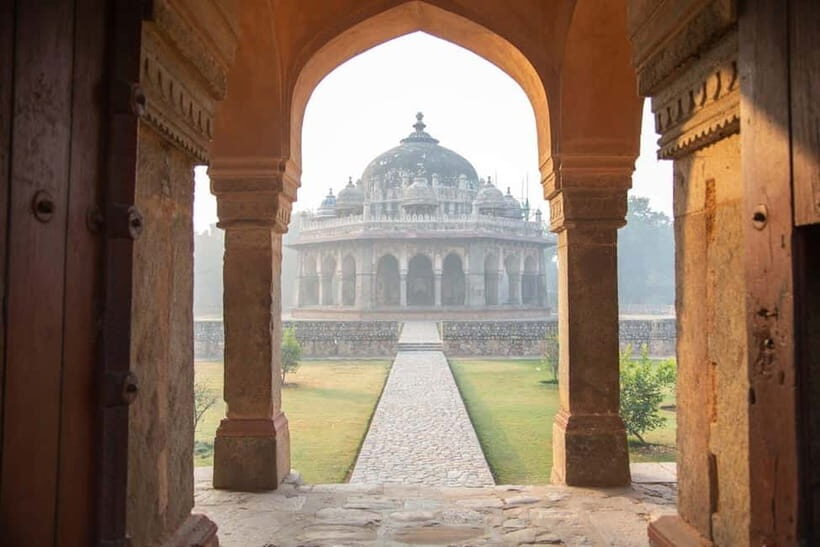
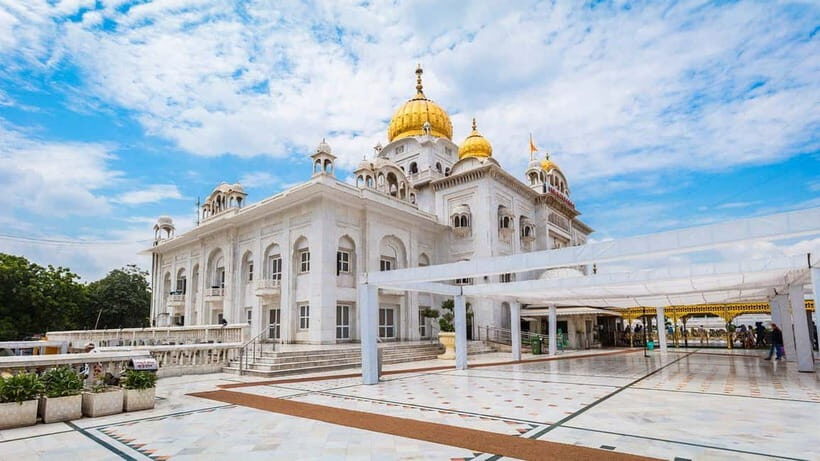
After spice and market energy, Gurudwara Bangla Sahib is a reset. You’ll spend about 30 minutes here with guided sightseeing.
Even if you’re not visiting for religious reasons, this stop helps you understand Delhi as a living city, not just a list of monuments. The setting is described as serene, and there’s a strong focus on community and spirituality. The tour also notes a community kitchen, which is one of those details that makes you pause and think about how faith shows up in daily service.
What I like about adding this stop to the itinerary is the contrast. Without it, Old Delhi can turn into nonstop stimulation. With it, you get a quiet moment to breathe, regroup, and remember that this whole area is about more than tourism.
Practical note: again, dress modestly. And keep your phone use respectful in quiet areas.
You can also read our reviews of more city tours in New Delhi





Red Fort from the outside and Rajghat’s quiet reflection
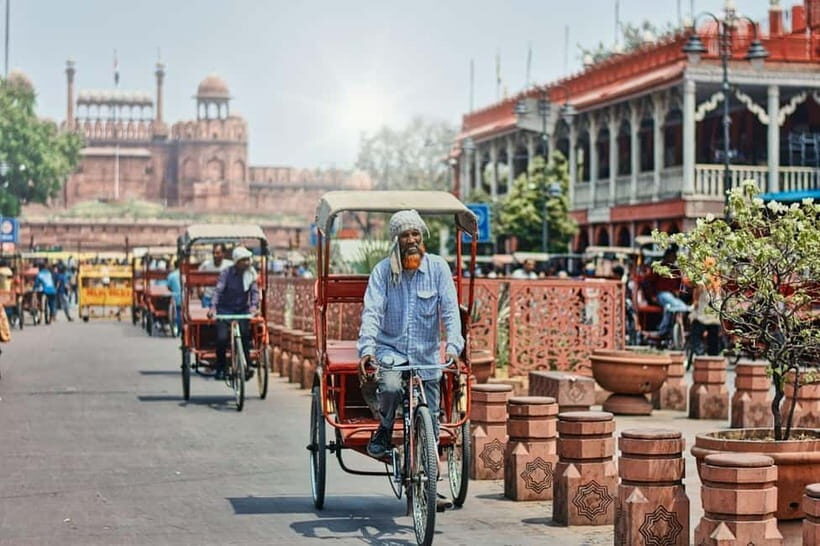
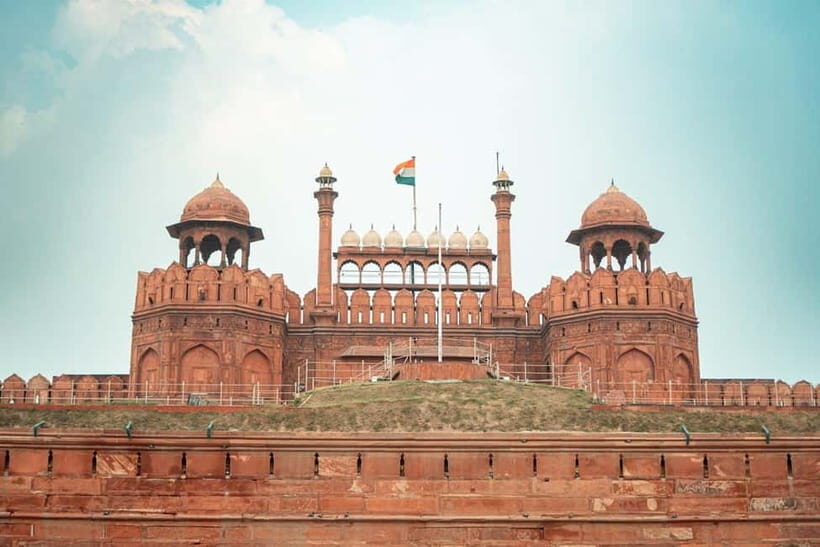
The tour keeps Red Fort as an outside-view pass (about 30 minutes). That means you’ll see the iconic Mughal-era landmark, but you won’t spend time inside on this specific route. For many people, that’s the right trade-off: you get the main visual payoff without the extra time cost of a longer museum-style stop.
Then you end at Rajghat, the memorial of Mahatma Gandhi, for about 30 minutes of guided visit and reflection. This closing stop changes the tone of the day. It’s not about colors, crowds, and commerce anymore. It’s about calm and legacy.
If you’re trying to squeeze history into a short trip, ending at Rajghat is a strong choice. It gives your brain a place to land.
Price and what about $9 really covers
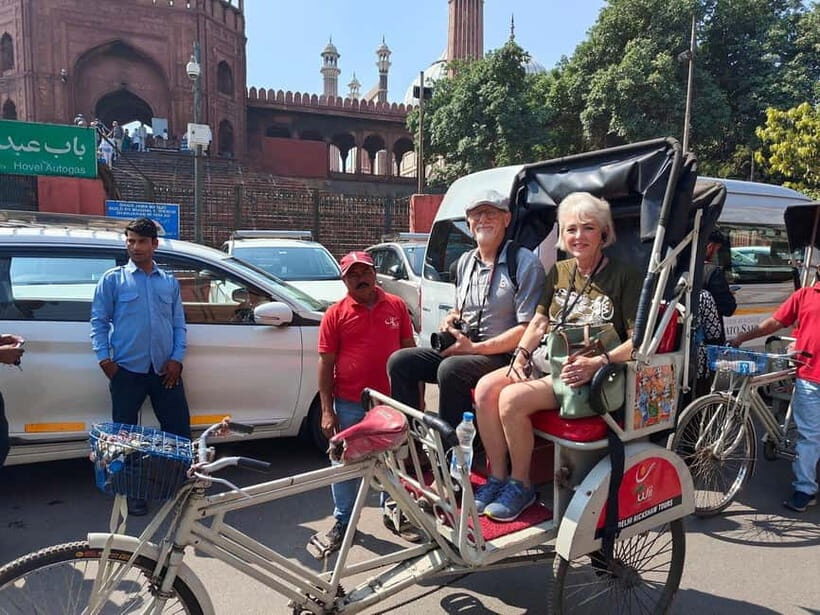
At around $9 per person for a 5-hour tour, the value is the headline. What you’re getting is not just a guide and a few photos. You also get:
- Hotel pickup and drop-off across multiple Delhi-area locations
- A professional English-speaking local guide
- Rickshaw ride through Chandni Chowk
- Walking time through Old Delhi markets and Khari Baoli
- Bottled water
- Taxes and service charges
What’s not included is also important. Entrance fees are not included, and food and drinks aren’t included. That means your real total depends on site fees and whether you snack during the market portions.
So the smart way to think about it is this: the tour fee buys you convenience, structure, and guided access. Your extra budget mainly goes to entry tickets and eating. If you’re the kind of traveler who hates haggling with transport and trying to build a route alone, this is where the price starts to feel more like a bargain than a gamble.
Guides that set the tone: clear English and flexible on-the-spot help
This tour lives or dies by the guide, and the strongest signals here are about clarity and professionalism. Guides are described as speaking clearly and explaining well, with English you can understand without straining. For example, Rohan is specifically noted for clear, organized explanations. Gurvinder is praised for taking people around to local places and handling the day smoothly. Sumit is highlighted as friendly, professional, and reliable, and also for helping with places to eat and shop.
Drivers also matter on a route like this. Names like Vijay, Jeetu, and Raj show up in the context of safe, courteous driving. Even though you’ll do lots on foot, you still move between key stops, and safe driving makes the day feel calmer instead of stressful.
My take: if you’re trying to understand Old Delhi beyond the obvious photos, guides like these help you connect what you see to how people actually live. That’s the difference between collecting landmarks and building a real sense of place.
Small practical tips so your feet and day stay happy
Old Delhi can surprise you, even if you’ve traveled in other big cities. Here are the practical choices that keep the experience comfortable.
Bring comfortable shoes. You’ll do walking in narrow streets and market areas, and you’ll want grip and support. If your shoes are cute but slippery, they’ll regret you.
Use sunscreen. The tour warns about varying weather and includes a simple packing suggestion. That’s realistic. Even in cooler months, sun can show up when you’re outside for hours.
Plan for modest dress. Religious sites are part of the route, and rules are real. Loose, respectful clothing keeps things easier at entrances.
Bring a valid photo ID for pickup. This is listed as important for hotel pickup, so don’t rely on a random screenshot.
Expect rules around photography. Flash photography is not allowed, and you’ll likely want to follow signage and guide directions.
And one more “keep it simple” tip: since food isn’t included, decide in advance if you want to budget for snacks. Market time without food can still be fun, but hunger can turn any tour sour fast.
Who should book this Old City mix, and who might want a different plan
This tour fits best if you want a structured, time-efficient overview of Old Delhi’s big names—Jama Masjid, Chandni Chowk, Khari Baoli, plus a temple and Gandhi’s memorial—without planning logistics yourself.
It’s especially good for:
- First-timers who want an organized route
- Travelers who like market visits but need context
- People who prefer pickup and drop-off
- Anyone who values clear English explanations from the guide
Who might need to reconsider:
- If you rely on wheelchair access, note the provided details are contradictory: the activity is marked wheelchair accessible, but it’s also listed as not suitable for wheelchair users. That’s worth confirming directly with the provider before booking.
Also, if you hate walking and crowds even a little, you may find the market sections tiring. The itinerary is timed to keep things manageable, but it’s still Old Delhi on foot.
Should you book this Old Delhi guided tour?
I’d book it if you want the highlights of Old Delhi in one smooth day, especially if you’re arriving from a hotel that makes self-planning annoying. For the money, you’re buying the real advantages: pickup, a guide with clear English, a rickshaw ride, and guided time at the key sites that usually require patience.
I’d think twice if you’re very sensitive to rules at religious sites, hate photography restrictions, or you’re looking for a tour that includes entrances and meals. This one is practical and focused; it’s not pretending to be all-inclusive.
If you’re the kind of traveler who wants to understand what you’re seeing—spices, markets, and monuments—this tour is built for that.
FAQ
What sites are included in the tour?
You’ll visit Jama Masjid, take a rickshaw ride through Chandni Chowk, explore Khari Baoli spice market, visit Gurudwara Bangla Sahib, pass by the Red Fort (outside view), and end at Rajghat.
How long is the tour?
The duration is 5 hours.
Is the rickshaw ride included?
Yes. A traditional rickshaw ride through Chandni Chowk is included in the tour.
Are entrance fees and food included?
No. Entrance fees and food and drinks are not included.
Can I use flash photography during the tour?
No. Flash photography is not allowed.
Where does pickup and drop-off happen?
Pickup and drop-off are available in multiple Delhi-area locations, including Delhi, Noida, Gurugram, Ghaziabad, and Faridabad, with several pickup options such as Connaught Place, Paharganj, Aerocity, and Karol Bagh.