REVIEW · ANDAMAN AND NICOBAR ISLANDS
Neil Bridge Marine Trail
Book on Viator →Operated by Seashell Habitat Institute Activity Centre · Bookable on Viator
Low tide turns a beach into a classroom. On Neil Island, this marine trail uses the exposed natural bridge and intertidal habitats to show you sea life you’d normally miss. It’s a two-hour, mostly ankle-deep walk that feels part nature hike, part field study, and part science lesson you’ll actually remember.
What I like most is the way the guides connect what you’re seeing to how the whole ecosystem works. Aditya Gadkari (and his colleague Hashad) bring the kind of storytelling that keeps the walk moving—never slow, never dull. I also love that it’s hands-on in the most literal way: you’re stepping through lagoons and under-visited shore zones where animals are doing their daily business.
One consideration: this is not a casual stroll. You should have moderate walking ability, and it’s not recommended if you struggle to walk, even though the water stays at max ankle depth.
In This Review
- Key Things to Know Before You Go
- Low Tide at Neil Island: The Real Setting for This Marine Trail
- Entering the Exposed Seafloor: What Your Walk Feels Like
- Mangroves, Seagrass, and Reef: The Habitats You Actually See
- The Animals You Can Expect: From urchins to pipefish
- Meet Your Guides: Aditya Gadkari and Hashad’s Storytelling Style
- Navigating the Rock Arch and Lagoons Without Rushing
- Night Version on Full Moon or New Moon: UV Torches and Biofluorescence
- Duration, Group Size, and Timing: How the Day Actually Works
- Price and Value: Is $35.95 Worth It?
- What to Bring and How to Prepare (Without Overthinking It)
- Should You Book the Neil Bridge Marine Trail?
- FAQ
- How long is the Neil Bridge Marine Trail?
- Where do we meet for the tour?
- Is there a guide included?
- What does the tour involve physically?
- Is the tour group small?
- What wildlife can I expect to see?
- What is the night version, and when does it run?
- What’s included in the price?
- How much does it cost?
- What happens if weather is bad or I need to cancel?
Key Things to Know Before You Go
- Low tide is the whole point: the trail only works when mangrove, seagrass, and reef areas are exposed.
- You’ll walk ankle-deep in the intertidal zone: it’s dry-ish, but expect wet feet and slippery spots.
- Small group size: capped at 15 travelers, so questions don’t get lost.
- Marine life sightings are the main show: from urchins and brittle stars to pipefish and anemones.
- Night trail can be extra rare: on full moon or new moon nights, UV torches help reveal biofluorescence.
- Guides bring real biology context: Aditya Gadkari is a scientist-storyteller style host, with Hashad as a supporting guide.
Low Tide at Neil Island: The Real Setting for This Marine Trail
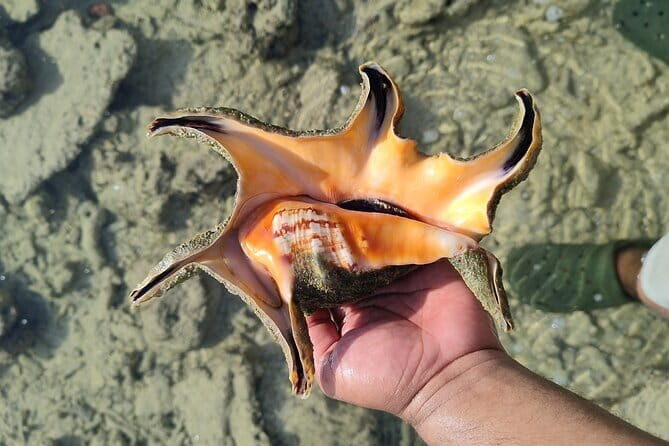
This isn’t a boat trip and it isn’t a beach swim. The Neil Bridge Marine Trail (operated by the Seashell Habitat Institute Activity Centre) is about timing the shore so it becomes visible all at once. When the tide goes low, parts of the coast that are usually underwater—mangrove areas, seagrass beds, and even reef zones—open up like a living exhibition.
The natural bridge area matters because it creates a place where you can see how water movement shapes habitats. You get that feeling of walking along the edge of the sea, watching life that has adapted to constant change. One moment the shoreline looks ordinary; the next it’s dotted with tiny structures, creatures tucked into cracks, and signs of feeding and shelter.
You’ll likely find that the “intertidal zone” concept stops being a textbook phrase. The trail makes it physical: the exposed seabed acts like a temporary stage where marine animals are visible, active, and (in the night version) ready for their darker-hour schedule.
You can also read our reviews of more tours and experiences in Andaman and Nicobar Islands.
Entering the Exposed Seafloor: What Your Walk Feels Like
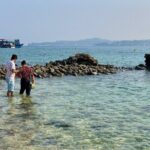
The tour is described as a dry activity, but that wording doesn’t mean you’ll be dry. You’re walking through ankle-deep water across exposed habitats. Translation: your feet will be in the intertidal zone, and your pace needs to be careful because the shoreline isn’t flat like a sidewalk.
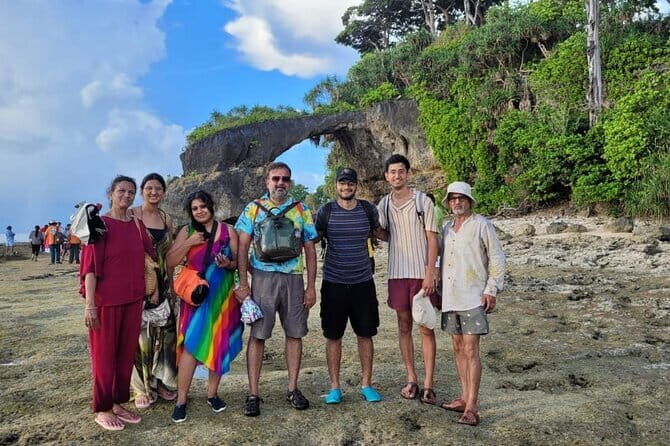
Expect to follow the guide along the exposed coastal line and through lagoons formed along the beach. These lagoons are part of why this feels special—you’re not just looking at the sea from the edge. You’re moving across natural pockets where different kinds of marine life collect, hide, and feed.
Because you’re in ankle-deep water, your footing and balance matter more than fitness level alone. The good news is the walk stays short in physical demand for most people; the tricky part is not getting impatient and rushing. Slow down, watch the guide’s instructions, and you’ll get more from every step.
Mangroves, Seagrass, and Reef: The Habitats You Actually See
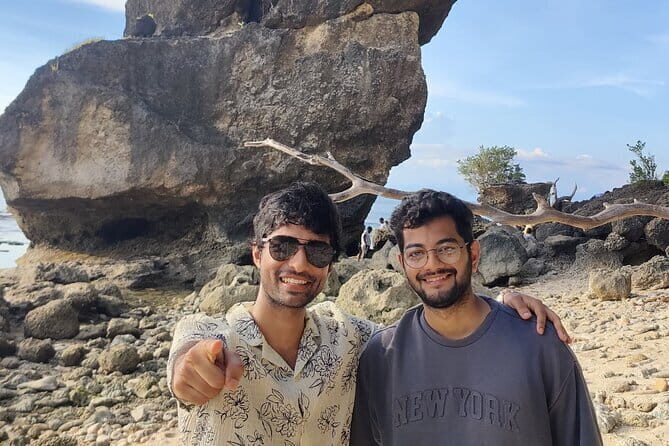
This trail is built around exposed habitats, and the range is the point. At low tide, you’ll be able to explore areas tied to mangroves, seagrass, and coral reef life. It’s rare to see that much habitat variety in one simple walk, and it’s also why you get a wider spread of animals than you’d see on a typical sand-only beach trip.
As you move, you’re essentially tracking a living gradient. Some creatures cling where there’s protection and stable footing. Others prefer crevices or the edges of small water pools. This is where the ecosystem idea becomes real: not everything is scattered randomly. Life clusters where conditions fit each species.
The trail can feel like a slow-motion scavenger hunt. You might start by noticing small, spiky shapes and then realize those are urchins. You might spot a curved line and then learn it’s a clue to brittle stars or sea anemones. And once your brain starts pattern-matching habitats, you’ll keep seeing new connections.
The Animals You Can Expect: From urchins to pipefish

The list of marine life shared on the trail is long, and it’s not just big “wow” creatures. It’s the smaller residents—plus the clever camouflage types—that make this a real nature walk.
You can expect to see many of the following, depending on the day and what the low-tide exposure reveals: sea urchins, sea cucumbers, crabs, shrimps, sea sponges, corals, brittle stars, sea anemones, and pipefish, which is described as a close relative of sea horses.
Pipefish are a great example of why this trail isn’t just about counting. They’re not the kind of animal most people picture when they think about beach life, so spotting one changes your mental map. Suddenly you understand the shoreline as habitat, not just scenery.
The trail also sets you up to notice “structures” animals use—things like sponge textures, coral forms, and the way anemones occupy their space. Even if you’re not a marine-life person, you’ll leave with the feeling that the coast is far more busy than it looks at high tide.
Meet Your Guides: Aditya Gadkari and Hashad’s Storytelling Style
The biggest reason people love this experience is the guide team. In the same way a great museum docent can turn a room of objects into a story, Aditya Gadkari and Hashad guide you through what you’re seeing with context you can actually use.
Aditya is described as a scientist himself and also a storyteller, which is a useful combo on a tour like this. When you’re walking around in ankle-deep water, the best explanations are the ones tied to the animal in front of you. Instead of generic facts, you get real explanations—how creatures survive tidal swings, why certain habitats host certain life, and what to look for next.
English is used during the tour, with additional guide support in Hindi and Marathi noted in the inclusions. That matters if you’re traveling as a mixed-language group. It also helps you relax because you can follow instructions clearly, especially when you’re moving across uneven tide-exposed ground.
If you like asking questions, this is your kind of activity. The group is capped at 15 travelers, and the vibe stays interactive.


Navigating the Rock Arch and Lagoons Without Rushing
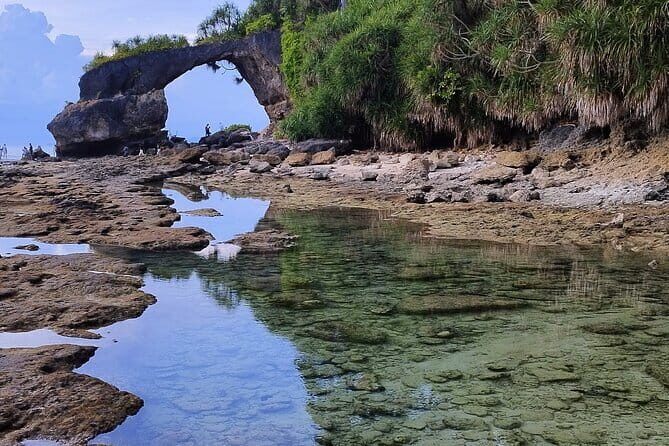
A major highlight is the walking route that includes a naturally formed rock arch and the surrounding coastal features. The arch gives you something memorable to aim for while you’re focused on spotting small life. It also provides a sense of place—this coastline isn’t just a general shoreline, it has a specific shape that influences where water pools and where animals settle.
Along the way, the lagoons formed along the beach are your “pause zones.” These small pools and channels can concentrate wildlife. When your guide points out a creature, don’t just glance and move on. Take a few seconds. The intertidal zone works fast when you’re not paying attention, and the creatures can look very different as the light and angles change.
A practical tip from how these tours typically run: watch your guide’s pace and where they step. If they hesitate before moving into a patch, there’s usually a reason—sometimes it’s about animal location, sometimes it’s about footing.
Night Version on Full Moon or New Moon: UV Torches and Biofluorescence

If you can time it, the night trail is one of the rarest ways to experience the area. It runs specifically on full moon or new moon nights. As it gets dark, the guide shares that more alien-like marine animals become visible, including squids, sea slugs, cone snails, mantis shrimps, and decorator crabs.
Then comes the signature twist: UV torches. The tour uses UV lighting to help you see biofluorescence—when corals and sea anemones glow in neon colors. The effect is described as the area lighting up like a rave party, which is exactly the vibe you should picture: glowing shapes where you expected normal underwater textures.
This is not the same as bioluminescence from your phone screens. It’s biofluorescence, and the UV method is what makes it pop. So if you’re deciding between day and night, the night version is the one for people who want that “this doesn’t look real” feeling.
Two considerations to keep it practical: you’ll be moving in darkness, and the shoreline can still be uneven. The activity is still described as a walk through ankle-deep conditions, so good balance matters just as much at night as it does in daylight.
Duration, Group Size, and Timing: How the Day Actually Works
The experience runs for about two hours. That’s a sweet spot for this kind of intertidal exploration: long enough to cover the exposed habitats and get explanations, short enough that you’re not stuck watching the same pool for an hour.
Group size is capped at 15, which keeps the experience personal. It also means you’re less likely to be stuck behind taller people when a guide spots something small like a pipefish or a brittle star.
You also have a wide daily window for tour hours listed as 7:00 AM to 7:00 PM, with the general availability running from 11/27/2021 through 06/18/2026. Confirmation comes at booking, and the activity can be dependent on conditions because it requires good weather.
If you’re planning around other Neil Island activities, consider that the trail’s success depends on low tide and general conditions. That’s one reason this works best when you’ve built in some flexibility rather than trying to pack your whole day down to the minute.
Price and Value: Is $35.95 Worth It?
At $35.95 per person, this isn’t a bargain-style “just walk the beach” experience. But it’s also not priced like a private guided expedition. The value comes from three things you’re getting together:
First, you’re paying for a guide-led interpretation of an ecosystem you can’t realistically learn on your own in a casual walk. The guide team includes English, Hindi, and Marathi support, plus a scientist-storyteller approach from Aditya Gadkari.
Second, you’re getting a rare habitat window. Low tide exposure isn’t something you can force, and it changes daily. This tour turns that timing into an actual learning opportunity.
Third, the night version adds extra elements if you book a full moon or new moon date. UV torches and biofluorescence sightings are not typical beach entertainment.
So yes, the price is fair for what you get: instruction, access to an unusual shore zone, and the chance to see marine life in place. If you love nature and you enjoy explanations that help you see what you’re stepping on, you’ll feel it as good value quickly.
What to Bring and How to Prepare (Without Overthinking It)
The tour is described as walking in max ankle-deep waters and being dry in the sense that you’re not doing scuba-style or heavy-wading travel. Still, plan for wet feet and potentially slick surfaces.
Wear shoes that handle shallow water and give you grip. Bring something to protect your belongings from splashes. If you’re doing the night trail, expect darkness and plan accordingly—this is still an active walk, just under different light conditions.
Physical fitness-wise, you’ll want moderate ability to walk. If you already know you’ll struggle with uneven or slippery surfaces, this probably won’t feel comfortable.
On the logistics side, transportation isn’t included, so you’ll need to handle getting yourself to the Natural bridge parking area. The meeting point is at Natural bridge Parking R2M8+2FW, Lakshmanpur, Andaman and Nicobar Islands 744104, India.
The activity ends back at the meeting point, and you’ll receive confirmation at booking. It uses a mobile ticket, which is easy for day-of planning.
Should You Book the Neil Bridge Marine Trail?
I’d book it if you like real nature moments with actual explanations. This is best for people who want more than pretty scenery and who enjoy learning by looking closely. It’s also a strong pick for families—one parent noted taking their daughter and calling it a must-see for families because they learned so much during a single walk.
I’d skip it if walking is an issue for you. Even with ankle-deep conditions, the trail involves moving through an intertidal zone, and the tour isn’t recommended for difficulty walking.
Finally, if you can handle a night plan, choose the full moon or new moon version. UV torches and biofluorescence are the kind of experiences you’ll tell people about because the glow makes the marine world feel brand new.
FAQ
How long is the Neil Bridge Marine Trail?
It lasts about 2 hours (approx.).
Where do we meet for the tour?
The meeting point is Natural bridge Parking R2M8+2FW, Lakshmanpur, Andaman and Nicobar Islands 744104, India. The tour ends back at the meeting point.
Is there a guide included?
Yes. The tour includes a guide (English, Hindi, Marathi).
What does the tour involve physically?
It is a dry activity where you walk in max ankle-deep water. It’s described as not recommended for travelers with difficulty to walk, and it calls for moderate physical fitness.
Is the tour group small?
Yes. The experience has a maximum of 15 travelers.
What wildlife can I expect to see?
You can expect to see animals such as sea urchins, sea cucumbers, crabs, shrimps, sea sponges, corals, brittle stars, sea anemones, pipefish, and more. On night trails you may also see squids, sea slugs, cone snails, mantis shrimps, and decorator crabs.
What is the night version, and when does it run?
The night version happens during full moon or new moon. Guides use UV torches to show biofluorescence in corals and sea anemones.
What’s included in the price?
All fees and taxes are included, and the guide is included. The ticket is mobile.
How much does it cost?
The price is $35.95 per person.
What happens if weather is bad or I need to cancel?
The experience requires good weather. If it’s canceled due to poor weather, you’ll be offered a different date or a full refund. Free cancellation is available up to 24 hours in advance for a full refund.