REVIEW · NEW DELHI
Delhi: Heritage Photography Tour
Book on GetYourGuide →Operated by Yo Tours · Bookable on GetYourGuide
Delhi rewards people who bring a camera. In just two hours, this tour strings together Safdarjung Tomb, Muhammad Shah Sayyid Tomb relics, and Lodhi-area textures you’d otherwise miss, with photography tips built into the walk.
I especially like the way the route blends architecture and quiet greenery, then finishes with street art that turns blank walls into photo-worthy scenes. The other big win is the storytelling: your guide ties what you’re shooting to religious and local meaning, not just facts. The main consideration is simple: it’s a walking tour, so you need comfortable shoes and it isn’t suitable for wheelchair users or pregnant women.
In This Review
- Key things that make this tour a smart photo outing
- Why this 2-hour Delhi heritage photo walk fits real schedules
- Starting at Safdarjung Tomb: the meeting point and the first shot
- Safdarjung Tomb to Muhammad Shah Sayyid Tomb relics: how the story improves your photos
- Lodhi Garden and the Rose Garden: where you can shoot without fighting the crowd
- Bara Gumbad tomb and mosque + wide lanes: stone details with a human pace
- Athpula Bridge and the lake crossing: adding depth to Delhi city frames
- Shish Gumbad and Sikandar Lodi Tomb: Lodhi Dynasty, last lineage, best angles
- Lodhi street art: turning painted walls into a final photo set
- Guides make or break it: Rajeev and Ameesha as proof
- Included value: what the $14 covers in your camera day
- Price and value: why $14 can work if you’re the right kind of traveler
- Logistics you should plan for before you show up
- Should you book it? My honest take
- FAQ
- Where do I meet for the Delhi Heritage Photography Tour?
- How long is the tour?
- How much does the tour cost?
- What languages is the guide available in?
- What’s included in the price?
- Is hotel pickup or drop-off included?
- What should I bring and what isn’t allowed?
- Is the tour refundable if plans change?
Key things that make this tour a smart photo outing
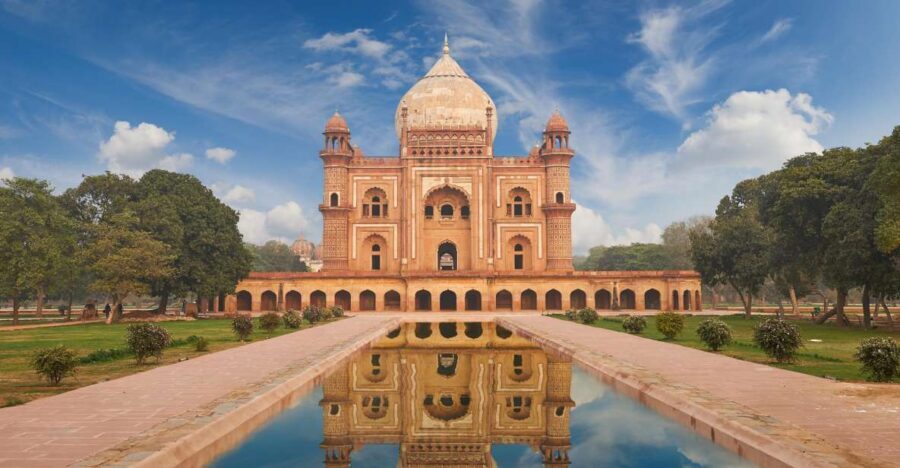
- Safdarjung Tomb and Muhammad Shah Sayyid Tomb: early frames with strong shapes and historic details
- Lodhi Garden + Rose Garden: a nature-and-architecture combo for calmer compositions
- Bara Gumbad (tomb and mosque): 15th-century stonework you can photograph in layers
- Athpula Bridge crossing a lake: water views that add depth to city shots
- Shish Gumbad and Sikandar Lodi Tomb: Lodhi Dynasty history tied to your best angles
- Lodhi street art: murals with themes like nature and life and death
Why this 2-hour Delhi heritage photo walk fits real schedules
Delhi can feel like nonstop motion, so I like tours that pick a tight area and squeeze out strong variety fast. This one gives you a lot of subject types in a short time: tomb architecture, garden light, bridge perspectives, and painted walls.
For $14, the value is about what’s included, not just the price. You get entry to the photography stops, a guide who works in multiple languages, and photography guidance plus a hot drink to keep you steady while you shoot.
You can also read our reviews of more historical tours in New Delhi



Starting at Safdarjung Tomb: the meeting point and the first shot

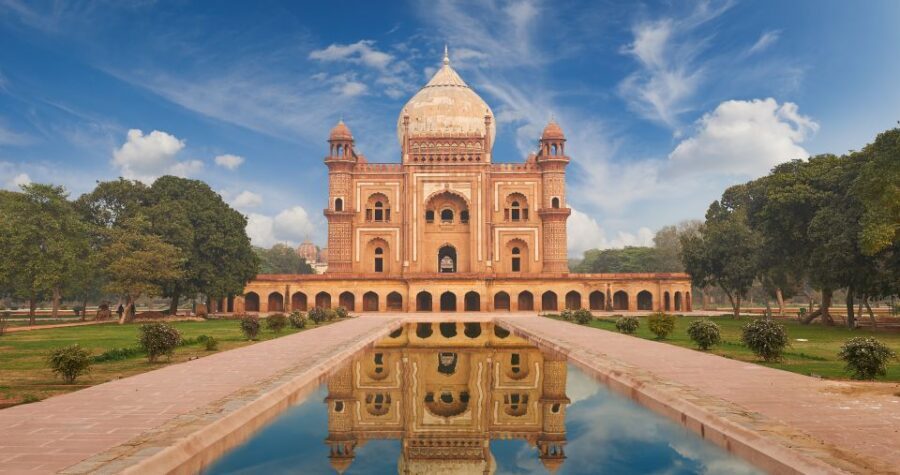
You meet at the entrance gate of Safdarjung Tomb, at the ticket counter. That matters more than it sounds, because being at the right spot at the start saves you time and keeps your camera-ready momentum.
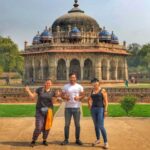
Safdarjung Tomb is a strong opening subject: it’s built for viewing from angles that naturally frame the structure. If you’re the type who shoots details (doorways, patterns, shadow edges), this start gives you plenty of small things to lock onto early.
Safdarjung Tomb to Muhammad Shah Sayyid Tomb relics: how the story improves your photos
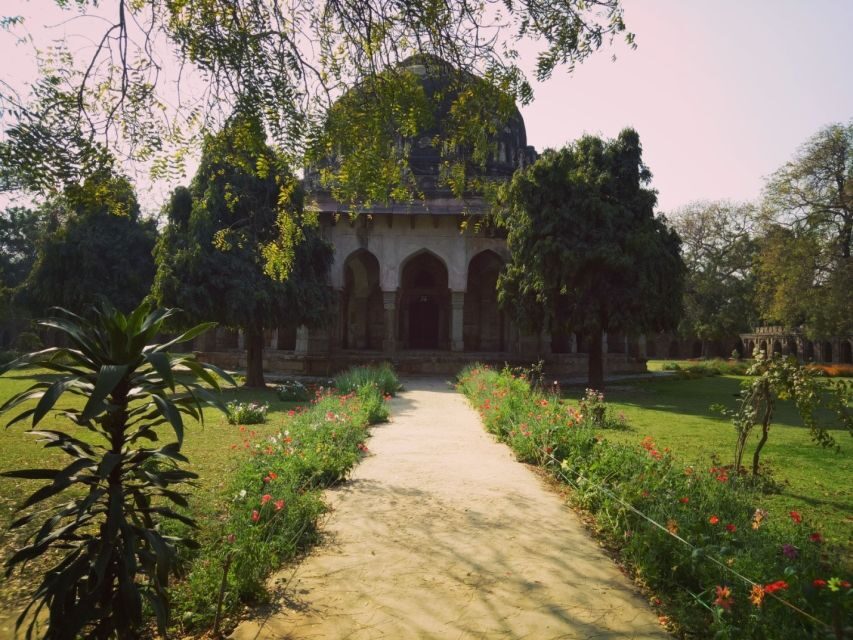
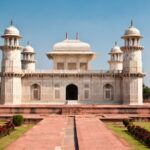
After you start at Safdarjung, the tour moves toward Muhammad Shah Sayyid Tomb. This stop stands out because it’s described as a place that displays relics from Delhi’s history—so you’re not only photographing stone, you’re photographing context.
A good photography guide helps you slow down just enough to notice what you’d otherwise skip: where sight lines lead, how surfaces show wear, and what details look best when you adjust your position. The tour is built around those “look again” moments.
Lodhi Garden and the Rose Garden: where you can shoot without fighting the crowd
Then comes Lodhi Garden, described as one of the nicest parks in the city. For your camera, parks are useful because they give you depth: layered trees, long branches, and little changes in color as you move.
What I like here is that the tour doesn’t treat the garden as a break from photography. It’s framed as the place to capture nature, architecture, and multiple varieties of trees and flowers. If you’ve been stuck shooting only monuments, this is where you rebalance your portfolio.
The walk also goes through the Rose Garden area. Even if you’re not going for perfect “rose close-ups,” you can use the garden layout to create clean compositions—paths, edges, and repeating shapes help you make photos that feel intentional, not accidental.
Bara Gumbad tomb and mosque + wide lanes: stone details with a human pace
As the route continues, you pass through centuries-old buildings and wide lanes. You also pass embassy areas of different countries, which adds a modern layer to the older architecture around you—useful if your shots are about contrasts.
Then you reach the Bara Gumbad tomb and mosque, described as a 15th-century site. Older domes and structures are great for photographers because they reward angle changes: walk left, reframe upward, then step back for the big shape.
One practical note: these stops can mean uneven ground and lots of visual distractions nearby. Your guide’s job here is to point out where to stand so you don’t waste time chasing the “perfect” angle while the light shifts.
You can also read our reviews of more photography tours in New Delhi



Athpula Bridge and the lake crossing: adding depth to Delhi city frames
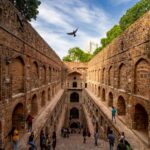
Toward the later part of the tour, you cross via the Athpula Bridge to reach views over a lake. Bridges are underrated for photography because they naturally create leading lines and a sense of distance.
Even if you’re using a phone camera, you can still make good shots here: capture the line of the bridge, include the water to add texture, then let the background buildings soften behind it. This is the kind of moment that turns a “good monument photo” into a scene with atmosphere.
Shish Gumbad and Sikandar Lodi Tomb: Lodhi Dynasty, last lineage, best angles
Near the end, the tour visits Shish Gumbad, described as the last lineage of the Lodhi Dynasty. This is a meaningful subject, and it’s also a photographer’s kind of challenge: late points in a route often come with tighter time windows, so you need angles that work quickly.
From there, you continue through the area that includes the Sikandar Lodi Tomb. Together, these stops help you build a mini-story arc: dynasty name to dynasty landmark, then into your final set of images.
If you like history in the frame, pay attention when your guide ties what you’re seeing to local importance. When you understand the “why” behind a building, you shoot with more purpose.
Lodhi street art: turning painted walls into a final photo set
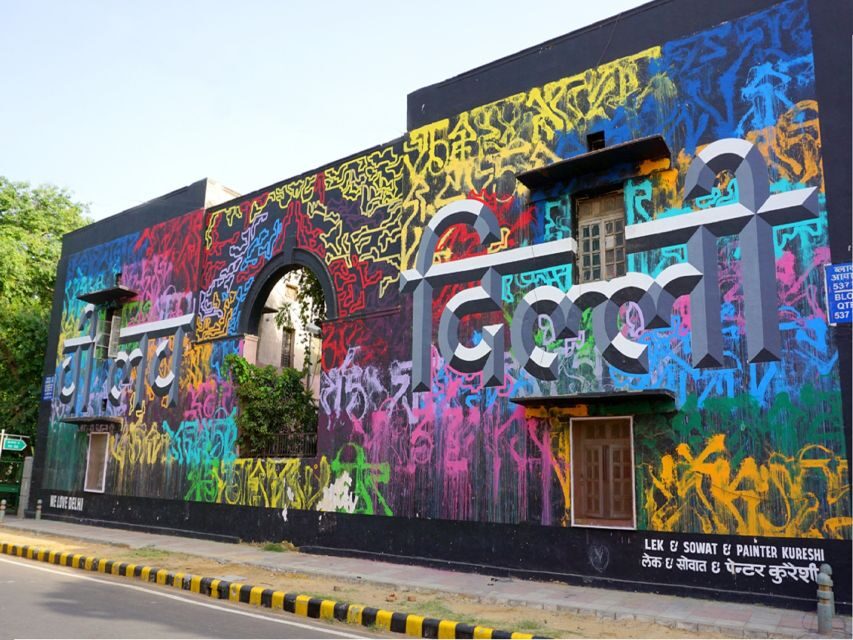
The tour finishes by exploring Lodhi street art—painted walls with graffiti themes. The themes mentioned include nature, the origin of the world, and life and death, which is exactly the kind of variety that makes your last photos feel fresh.
Street art can be tricky because it’s easy to overshoot and get stuck in a loop of close-ups only. Here, you’ll get more variety by stepping back for the whole wall, then returning for detail crops. Use your framing to include context: texture, color blocks, and how the art sits in its neighborhood setting.
Guides make or break it: Rajeev and Ameesha as proof
A big reason this tour lands well is that the guide isn’t just a lecturer. You get a friendly storyteller who speaks English and Hindi, and the tour is also offered with Spanish support.
One guest highlighted Rajeev as a very good, informative guide, especially for how he handled the sites and stories in a way that supports photography. Another praised Ameesha for getting in touch by phone so nobody would miss the meeting—plus patience with photographers who want to work independently.
That matters. If you’ve ever been on a tour where someone keeps pulling you along, you know how frustrating it is. Here, the better guides seem comfortable letting you do your own thing with minimal discussion, then stepping in when a new angle or story will help your shot.
Included value: what the $14 covers in your camera day
This tour includes:
- Entry to all photographic destinations
- Photography tips during the walk
- A hot beverage
- A guide who can talk about religious aspects, beliefs, and local importance
That hot beverage inclusion sounds small, but in Delhi it can help your energy. You’re walking for about two hours, likely moving between sun and shade, and a short warm drink break helps you keep focus on framing and timing.
Price and value: why $14 can work if you’re the right kind of traveler
At $14 per person for a 2-hour guided heritage photography circuit, you’re paying for access plus instruction. Entry to multiple sites plus a guide who actively helps with shots usually costs more elsewhere, so the value is strongest if you actually use the tips.
If you’re already a pro who knows your camera settings and wants no guidance, you might feel like the “tips” are just a bonus rather than a core benefit. But if you want help making the photos look like you were paying attention, this price-to-content balance is hard to beat.
Logistics you should plan for before you show up
This is a walking tour, and the only explicit requirement is comfortable shoes. Luggage or large bags aren’t allowed, which is good for keeping things moving, but it means you should travel light.
Water bottle isn’t included, so plan to refill or buy one on your own. Hotel pickup and drop-off are also not included, so you’ll be relying on your own transport to get to the Safdarjung Tomb ticket counter.
If you’re aiming for especially photogenic light, consider the time of day you choose. One guest specifically mentioned loving the evening light, and that fits what you’d expect from tomb and garden stops where shadows and sky color can change quickly.
Should you book it? My honest take
Book this tour if you want a short, structured way to photograph Delhi’s heritage without limiting yourself to the most famous landmarks. You’ll get tomb-and-relic settings early, greenery for softer compositions in the middle, then a bridge and street art finish that keeps your final shots varied.
Skip or rethink it if you can’t do steady walking for two hours, since it isn’t suitable for wheelchair users or pregnant women. Also keep in mind that, while the guiding quality is often praised, one booking reported a guide didn’t turn up—so treat the meeting point seriously and have your confirmation details ready.
FAQ
Where do I meet for the Delhi Heritage Photography Tour?
Meet your storyteller at the entrance gate of Safdarjung Tomb, at the ticket counter.
How long is the tour?
The tour lasts 2 hours.
How much does the tour cost?
The price is $14 per person.
What languages is the guide available in?
The live tour guide is available in English, Hindi, and Spanish.
What’s included in the price?
Entry to all photographic destinations, photography tips, one hot beverage, and a friendly guide who can share stories including religious and local importance.
Is hotel pickup or drop-off included?
No, hotel pickup and drop-off are not included.
What should I bring and what isn’t allowed?
Bring comfortable shoes. Luggage or large bags are not allowed.
Is the tour refundable if plans change?
Yes. You can cancel up to 24 hours in advance for a full refund.