REVIEW · NEW DELHI
Delhi-Agra-Jaipur:- Privately Guided Golden Triangle Trip ( 5 Days/4 Nights )
Book on Viator →Operated by Vishnu Singh, Tour Guide Delhi-Agra-Jaipur · Bookable on Viator
Golden Triangle, but with real local texture.
This private guided trip stitches Delhi’s neighborhoods to Agra and Jaipur with your own guide and driver, plus pickup from the airport or hotel. You get private transportation and the comfort of an air-conditioned ride, with mobile tickets and WiFi on board.
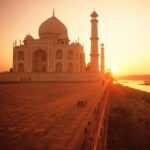
I especially like the timing choices that make the big sights feel calmer. The standout is sunrise at the Taj Mahal, plus pre-planned entry passes to help you avoid the usual monument-time headaches.
One thing to plan for: some add-ons are not included. Camera charges can pop up (for example, 300 INR per camera at Jama Masjid), and several sights list admission tickets as not included.
In This Review
- Key Highlights You’ll Actually Feel
- A Private Golden Triangle That Feels Like a Plan, Not a Sprint
- Day 1 in Delhi: Jama Masjid, Spice Markets, Old Quarters, and Akshardham Lights
- Day 2: Qutub Minar Complex, Humayun’s Tomb, Lotus Temple, and the Drive to Agra
- Day 3: Sunrise Taj Mahal, Agra Fort, Baby Taj, then Fatehpur Sikri and Chand Baori to Jaipur
- Day 4: Amber Palace, Jaigarh Cannon, City Palace, Jantar Mantar, and Pink City Streets
- Day 5: Albert Hall, Textile and Jewellery Bazaars, then a Return to Delhi
- Price and Logistics: What You’re Paying For, and What to Budget Separately
- Who This Trip Fits Best (and Who Might Want Something Different)
- Should You Book This Golden Triangle with Vishnu Singh?
- FAQ
- How many days is the Golden Triangle trip?
- What cities are included?
- Is this tour private?
- Do you get picked up and dropped off?
- Are lunches included?
- Is the Taj Mahal visit at sunrise included?
- Are monument entry tickets included?
- Are camera fees included?
Key Highlights You’ll Actually Feel
- Private guide + driver from arrival to departure so you’re not herded into random groups
- Sunrise Taj Mahal with early pickup from the hotel lobby
- Old Delhi by cycle rickshaw through Chandni Chowk’s narrow lanes
- Stepwell and village-life moments, not just forts and palaces
- Hands-on cultural stops, including a visit to a Sikh temple kitchen during live prayer
- Solid value for small groups (up to 4) with transport, guide fees, parking, and lunches included
A Private Golden Triangle That Feels Like a Plan, Not a Sprint
A “Golden Triangle” can be either a relaxed story… or a blur of entrances, lines, and rushed photos. This one leans toward the first option. Because it’s private, you’re not sharing your schedule with strangers who move at a different pace, and your guide can answer questions as you go.
I like the way this trip mixes the famous with the everyday. You still get the obvious hits (Taj Mahal, Amber, City Palace), but you also spend time in places that show what northern India looks and feels like when you’re not just standing in a ticket queue.
It also matters that the guide helps you get tickets in advance to help reduce waiting at monuments. That’s a big deal in India where lines can eat half a day if you’re doing things on the fly.
You can also read our reviews of more guided tours in New Delhi

Day 1 in Delhi: Jama Masjid, Spice Markets, Old Quarters, and Akshardham Lights
Delhi can overwhelm first-time visitors, so Day 1 works because it’s structured but varied. You start with major landmarks, then shift into local markets where the city’s pace becomes real.
Jama Masjid (morning focus)
You visit India’s largest mosque, associated with Shah Jahan. It’s also an architectural lesson: Indo-Islamic design details are everywhere. Entrance is free, but there’s a camera fee of 300 INR per camera. If you’re traveling with someone who will want photos, build that into your budget early.
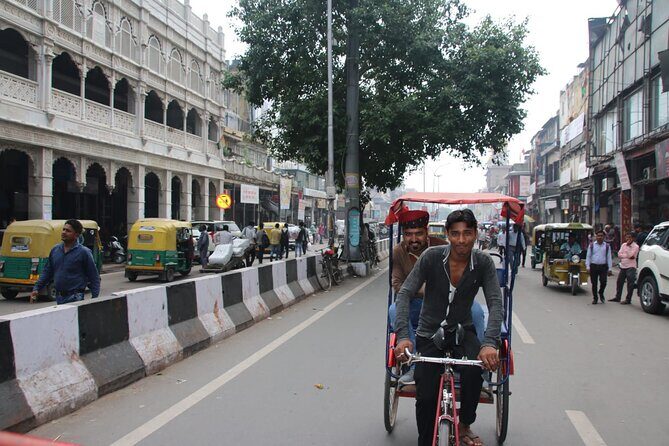
Chandni Chowk on a cycle rickshaw
Then you move into Chandni Chowk, famously built in the 17th century by Shah Jahan’s daughter. This is narrow-street Delhi at its best, and the cycle rickshaw ride helps you cover ground without constantly fighting traffic chaos. You’ll also pass by the heritage feel of the old market area and pause in Parantha Wali Gali for a food moment if you want to try paratha.
Khari Baoli spice market
Next is Khari Baoli, the large spice market with thousands of shops. It’s not a museum stop. It’s sensory. You’ll walk briefly to smell spices and see how a trading hub runs in the middle of a modern city.
Red Fort walk
Red Fort is a UNESCO World Heritage site and once a Mughal royal residence. You’ll explore by walk, which is the right pace for this defensive-wall experience. Admission here is listed as not included, so plan on paying your monument entry if needed.
Majnu Ka Tilla (Tibetan refugee colony)
This stop changes the tone. Majnu Ka Tilla is home to a Tibetan refugee community, including monasteries connected to the Dalai Lama. The value is that it’s local-life sightseeing, not just sightseeing. You get a chance to observe daily living in the city.
Ashokan Pillar and India Gate
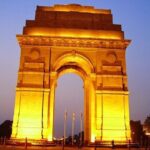
A quick stop at the Ashokan pillar gives you a rare, ancient anchor in a city of centuries. Then India Gate adds a more modern memorial frame, inspired by the Arc de Triomphe idea.
Rashtrapati Bhavan and Sansad Bhawan drive-past
Rashtrapati Bhavan is mostly an outside-view photo stop since interiors are normally restricted. Sansad Bhawan is also a drive-past for pictures rather than a visit.
Stepwell time at Agrasen Ki Baoli
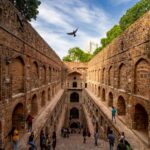
Agra and Jaipur both get stepwell moments later, so this early stop is helpful. This 8th-century stepwell is known for its many steps down to the water level. If you enjoy walking, you can go lower; if not, you can still get photos from above. It’s a rare style of site that many visitors skip.
Gurudwara Bangla Sahib
For a genuinely different feeling, head to the Sikh temple. You’ll see live prayer, and you can tour the kitchen area that serves a very large number of people daily. If you want, you can even participate as a kitchen volunteer for a short time, which is one of those experiences that changes your view of travel from “watching” to “doing.”
Swaminarayan Akshardham in the evening
Day 1 ends strong with Akshardham Temple. The plan is to do it in the evening so you get prayer plus the light, music, and fountain show. You’ll take a complete temple tour first, then enjoy the evening presentation. Even if you’re not a Hindu history expert, the guide approach here makes it understandable.
Day 2: Qutub Minar Complex, Humayun’s Tomb, Lotus Temple, and the Drive to Agra
Day 2 is a classic Delhi architecture day, then a travel day to reset you for Agra.
Qutub Minar complex
Qutub Minar is a UNESCO World Heritage site and nearly 800 years old, inside a complex that includes many structures. The stop list is broad: Qutub Minar itself, Alai Minar, tombs, mosques, a madrasa, and even the famous iron pillar. The best part of going with a guide is the way you don’t just see objects—you understand what each one was built for and how they connect.
Admission is listed as not included for this stop, so add that to your planning.
Gandhi Smriti
This is about Mahatma Gandhi’s martyrdom and his final days. The value here is emotional and personal, and the visit is short enough that it won’t feel like a forced lecture.
Lodhi Garden
Lodhi Garden is a historical garden named after the Lodhi dynasty, and it’s also where you see locals using the space—families picnicking, people strolling. You’ll focus on key tombs within the garden. This is a nice contrast after the monument-heavy morning.
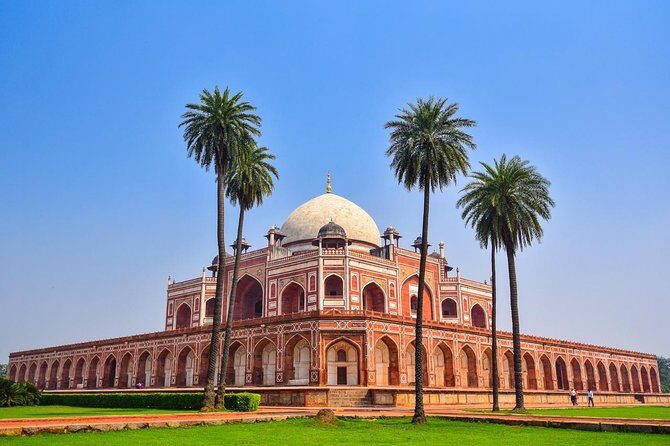
Humayun’s Tomb
Humayun’s Tomb is another UNESCO highlight and known for Persian-style architecture. The guide also ties it to Taj Mahal inspirations, which helps you see similarities instead of treating each site as a separate postcard. Admission is listed as not included here too.
Lotus Temple
Lotus Temple is a Baha’i house of worship and you’ll have time to visit inside. The note about meeting Baha’i people or visiting the information center depends on what’s available on the day, but either way it’s a peaceful break from the Mughal-heavy story.
Yamuna expressway to Agra
Then you drive to Agra, around 3 hours 15 minutes via Yamuna expressway. After checking into your hotel, you have a free evening. That’s not a throwaway: it’s your recovery window after a long day of walking and architecture.
Day 3: Sunrise Taj Mahal, Agra Fort, Baby Taj, then Fatehpur Sikri and Chand Baori to Jaipur
Day 3 is built around the biggest moment in the trip, then uses the drive time to add more high-value sights on the way to Jaipur.
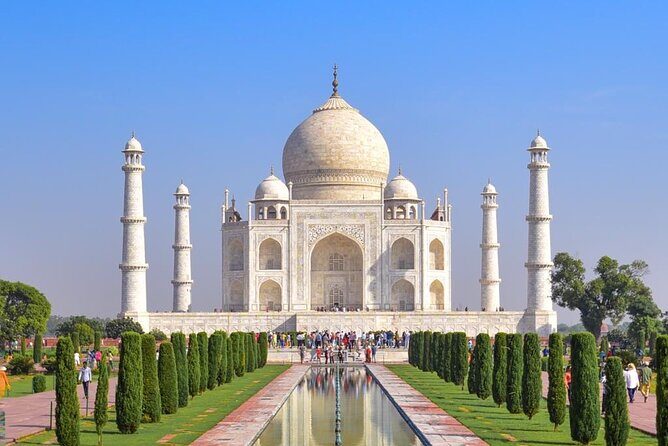
Taj Mahal at sunrise
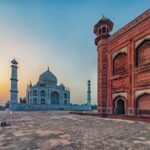
This is the heart of the Golden Triangle. You’re picked up from the hotel lobby about half an hour before sunrise. If you like photos, this part is handled well: the guide positions you for good pictures and provides both guidance and photography-style help, with an option to hire a separate professional photographer if you want.
Admission is listed as not included for this stop, so budget for entry separately. The time matters because you experience the monument with softer light and fewer crowds.
Agra Fort
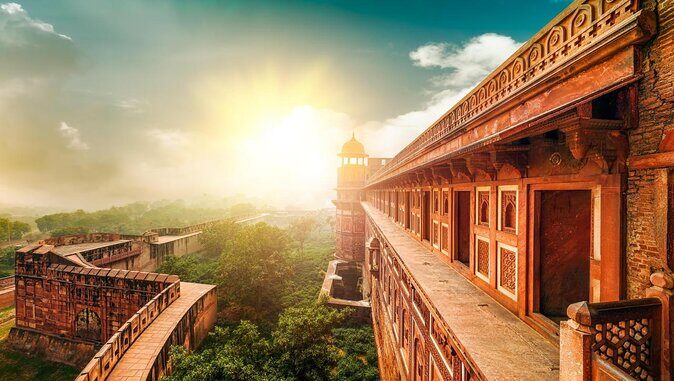
Agra Fort is described as the second most visited site in Agra after the Taj Mahal. It’s Mughal power in stone—palaces and royal spaces inside a fortress setting. You’ll get a complete fort tour with focus on Shah Jahan and Mumtaz Mahal connections. Admission is listed as not included.
Itimad-ud-Daulah (Baby Taj)
Itimad-ud-Daulah is also called Baby Taj due to its similarities in style. You’ll tour from inside and outside, and the guide highlights why it feels like an ornate jewel box rather than just another tomb stop. Admission is listed as not included.
Fatehpur Sikri
Then you head toward Jaipur, with Fatehpur Sikri as the major stop in between. It’s a UNESCO World Heritage site about an hour from Agra. The plan uses parking plus a local bus to reach the fort area. The guide takes you through after tickets are purchased, and you’ll hear how Akbar’s era included experiments like Din-i-ilahi, plus why the royal family stayed only about 12 years.
The ghost-capital angle is real in tone. Even without that framing, Fatehpur Sikri’s emptier scale compared to Delhi and Agra makes it feel different.
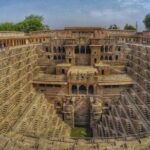
Chand Baori stepwell and nearby temple
Finally, you stop at Chand Baori (also referred to as Abhanery Stepwell), known for its massive number of steps. This is one of those places where people who love unusual architecture feel instantly satisfied. You’ll also see a temple associated with the stepwell area and then drive on into a local village and goddess temple visit.
At this point, you’ve stacked three very different styles of culture: Mughal royal power, Akbar’s frontier city, and ancient stepwell life.
Then Jaipur check-in follows. Evening is free, and the plan includes two nights in Jaipur, which is helpful because it prevents the trip from feeling like one long nonstop day.
Day 4: Amber Palace, Jaigarh Cannon, City Palace, Jantar Mantar, and Pink City Streets
Jaipur Day 4 is where you see Jaipur’s planning and spectacle. You’ll move between forts, observatories, palaces, and viewpoints, and you also get local streets time.
Amber Palace
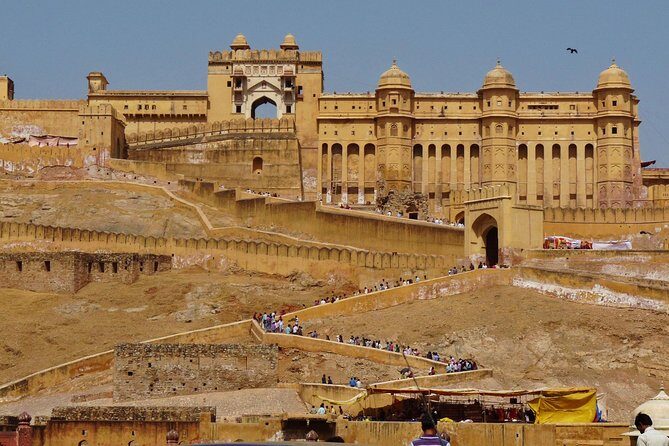
Amber is a UNESCO World Heritage site and the plan includes a stop at Panna Meena Kund on the way. Inside Amber, the star is Shish Mahal, the Mirror Palace, which is also where photos tend to come alive. Admission is listed as not included for this part.
Jaigarh Fort and Jaiban cannon
Next is Jaigarh Fort, famous for its enormous cannon, called Jaiban, with a claimed ability to fire up to 42 km. Even if you’re not a military-history person, it’s a good contrast to the refined look of Amber. Admission is listed as not included here too.
Jal Mahal photo stop
You’ll stop at Jal Mahal, but you won’t go inside because tourists aren’t allowed inside. That’s the one drawback of photo stops: you get a picture moment, not a deeper visit. Still, it’s a strong landmark for a quick break.
City Palace
City Palace is both a royal residence and a museum-style experience, with most parts open to tourists. You’ll go inside and the guide explains how Jaipur transformed into a leading state. Expect ornate doors, paintings, weapon gallery items, and public and private halls.
Admission is listed as not included.
Jantar Mantar
Jantar Mantar is the astronomical-instruments site built in the early 18th century by Maharaja Sawai Jai Singh. The highlight is the large sundial that tells local time with accuracy of about 2 seconds (as described). The site also includes instruments used for horoscope-related calculations, which adds an unexpected layer beyond simple astronomy.
Admission is listed as not included.
Hawa Mahal and a cycle rickshaw through Pink City
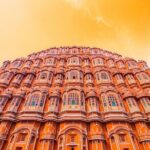
After Jantar Mantar, you’ll do a cycle rickshaw ride through the colorful historic streets of the Pink City. The ride ends at Hawa Mahal, with photo time and then you return to the car. Note: cycle rickshaw ride is listed as not included in the pricing details, so confirm what’s included for your date if you’re counting on it being covered.
You’ll also have time for lunch at a local restaurant afterward, which matters on a day like this when you don’t want to hunt for food while tired.
Galta Ji (monkey temple)
Galta Ji is known as the monkey temple and gives you a chance to observe monkey behavior. The key here is the instruction to make no contact with monkeys. If you want a cultural temple visit, this is more about observing the place than interacting with animals. The area also has leopards, but any leopard sighting is luck-based, not a promise.
Birla Mandir evening prayer
Then comes Birla Mandir for an evening prayer visit. It’s a calm closer after a busy sightseeing circuit.
A few more New Delhi tours and experiences worth a look


Day 5: Albert Hall, Textile and Jewellery Bazaars, then a Return to Delhi
Day 5 is about easing into Jaipur’s shopping side and ending with your transfer back to Delhi.
Albert Hall Museum
Albert Hall Museum is the Rajasthan state museum. The building was created by the Maharaja of Jaipur for the prince of Wales, and the museum’s Egyptian artifacts are a key draw. Admission is listed as not included.
Bapu Bazar and Johri Bazaar
Then you move into two shopping-focused stops:
- Bapu Bazar for textiles
- Johri Bazaar for jewellery, gemstone, and costume jewellery
Admission is listed as free for both.
Back to Delhi, drop-off where you want
After the market time, you head back to Delhi. The plan gives you a free day feeling in Jaipur markets and then returns you to Delhi for departure. You’ll get dropped at your chosen spot in Delhi, either your hotel or the airport. Total time on the final day is listed as about 5 hours for this segment.
Price and Logistics: What You’re Paying For, and What to Budget Separately
The trip is listed at $958.57 per group (up to 4) for 5 days / 4 nights. That works out best when you’re traveling with a small group or family, because you’re paying for private transport and a private guide rather than dividing costs across a large tour bus.
What makes it good value is the set of built-in supports:
- Air-conditioned vehicle with WiFi
- Private transportation throughout
- Guide fees and driver fees
- Parking and fuel surcharge, plus GST
- Lunch included on 4 lunches
- Sanitizer and mask items
- Help with entry passes in advance, which can reduce wasted time
What can cost extra depends on the site day-by-day, because many monuments list admission as not included. On top of that, camera fees can apply at certain places, like the 300 INR per camera charge at Jama Masjid.
Also, the cycle rickshaw ride is described as part of the experience, but it’s listed as not included in the pricing details. If that ride matters to you, confirm the exact cost for your date.
Who This Trip Fits Best (and Who Might Want Something Different)
This trip is a great fit if you:
- Want a first-time India style introduction with a guide who can keep you oriented
- Care about sunrise timing at the Taj Mahal rather than viewing it whenever you can
- Prefer private pacing, especially if you’re traveling with kids or anyone who gets overwhelmed easily
- Like local-market wandering alongside major monuments
It might be less ideal if you:
- Want every stop to include your entry tickets at no extra cost
- Don’t enjoy market or temple settings (Delhi spice markets and stepwells are built into the plan)
- Prefer strict “only the famous stuff” days without local neighborhoods like Majnu Ka Tilla
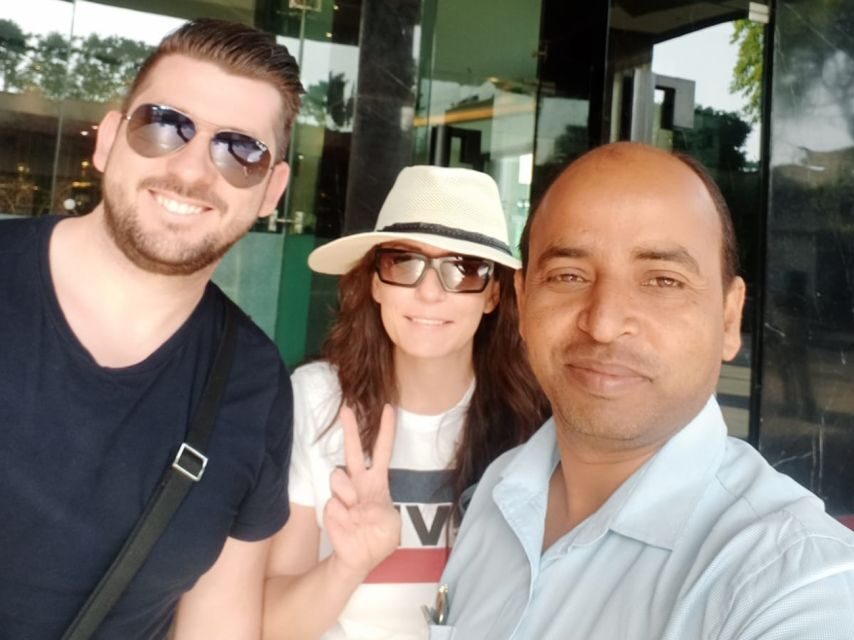
One more note: the guide team is part of the value. From past bookings, Vishnu Singh and his driver Mr Gee are described as professional, and there’s even a mention of Vishnu arranging hotels on short notice when plans changed last minute. That kind of flexibility is worth something when you’re on vacation and don’t want to manage details yourself.
Should You Book This Golden Triangle with Vishnu Singh?
If you want the Golden Triangle with less stress, this is a strong option. I’d book it if you’re traveling in a group of up to 4, want private door-to-door movement, and value sunrise Taj Mahal timing plus Old Delhi street moments.
I would not book it blindly if you’re counting on all monument entries and camera costs to be included. You’ll likely pay separately for several admissions, and camera fees can appear at specific sites.
My practical advice: message the provider before you go and ask two quick questions—what your likely ticket total is for the not-included sites, and whether the cycle rickshaw ride is paid through the tour or booked as an add-on. If those numbers feel comfortable, the structure of this itinerary makes it a smart, time-efficient way to see Delhi, Agra, and Jaipur without turning every day into a scramble.
FAQ
How many days is the Golden Triangle trip?
It’s listed as 5 days and 4 nights.
What cities are included?
The trip covers New Delhi, Old Delhi, Agra, Fatehpur Sikri, Abhanery/Chand Baori area, and Jaipur.
Is this tour private?
Yes. It’s a private tour/activity with only your group participating, and it includes a professional guide and driver.
Do you get picked up and dropped off?
Pickup is offered from the airport or hotel, and the tour includes a drop-off back at your hotel or airport in Delhi.
Are lunches included?
Yes. Lunch is included for 4 days.
Is the Taj Mahal visit at sunrise included?
The plan includes a sunrise visit to the Taj Mahal, with pickup about half an hour before sunrise.
Are monument entry tickets included?
Some stops list admission as not included (for example, Taj Mahal, Agra Fort, Humayun’s Tomb, and others), while other stops list admission as free. You’ll need to budget for the not-included admissions.
Are camera fees included?
Camera fees are not included, and Jama Masjid specifically notes a 300 INR camera fee per camera.