REVIEW · JAIPUR
Cooking class & meal (Indian Food) with local family in Jaipur.
Book on Viator →Operated by Sunshine India Tours · Bookable on Viator
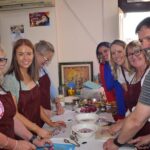
Curry lessons feel like visiting family. In a small-group class in a Jaipur home, you cook dal and aloo gobi, roll chapattis, and eat what you make at the table. I love the hands-on cooking plus the warm, personal welcome that turns a class into a real cultural visit. One thing to consider: the focus is North Indian and vegetarian, so meat lovers won’t find much here.
This experience is run by Sunshine India Tours, and the best part is how “local” it feels. In the standout classes I read about, Ravi handles the pickup and Suman welcomes guests in the home—often with chai first and time to chat with the grandfather before anyone touches a pan.
The lesson is short (about 2 hours) and the group stays small (max 10). That means you get personal attention, but it also means the pace is brisk—perfect if you like action, not so perfect if you want a slow, step-by-step kitchen marathon.
In This Review
- Key things I’d pin to your fridge
- Why this Jaipur cooking class beats the usual food tour
- The home welcome: Ravi and Suman set the tone fast
- What you’ll cook: North Indian vegetarian favorites that make sense
- Dal and aloo gobi: the training wheels of North Indian cooking
- Curries: learning the logic behind the flavor
- Chai and chapattis: two skills that change how you eat
- Making chai
- Rolling chapattis
- The class flow in 2 hours: quick pace, lots of doing
- Eating with the family: why the meal matters here
- Culture lessons that actually connect to dinner
- Price and value: why $23 feels fair for this setup
- Who should book this class (and who might not)
- Practical tips so you get the most out of it
- Should you book it?
- FAQ
- How long is the cooking class experience?
- Where does the experience take place?
- Is pickup available?
- How many people are in the group?
- What kind of food will I cook and eat?
- Will I receive recipes?
- How do I get my ticket?
- What is the cancellation policy?
Key things I’d pin to your fridge
- A real Jaipur home kitchen with household-chef style cooking, not a demo studio
- Small group size (up to 10) so you can ask questions while you cook
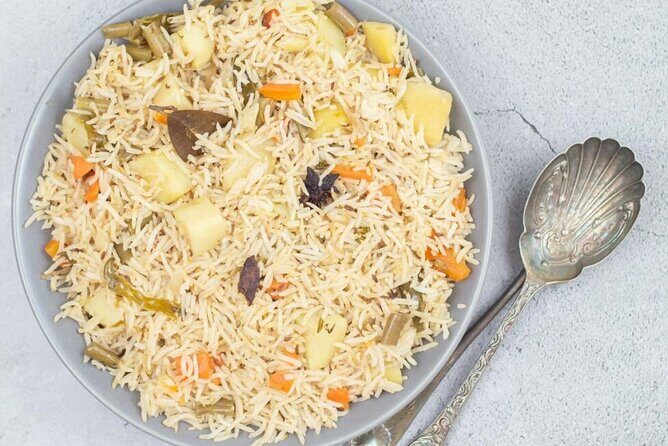
- North Indian vegetarian menu that includes classics like dal and aloo gobi
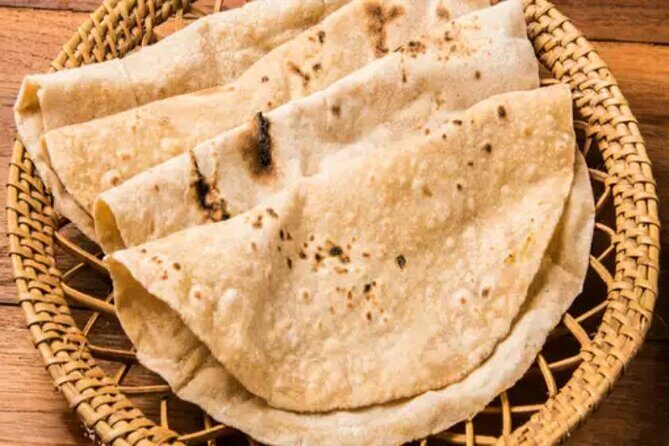
- Chai + chapattis included so you learn more than just one curry
- You eat your creations at the end, along with the family meal vibe
- Recipes provided so you can recreate flavors later at home
Why this Jaipur cooking class beats the usual food tour
A lot of food experiences show you dishes. This one teaches you how they’re built—spice by spice, technique by technique—and then puts your food straight onto a family-style table.
I like it because it’s practical. You’re not just hearing about ingredients; you’re handling them. The class also gives you a social layer that’s hard to replicate in a restaurant setting: you’re learning right alongside the rhythm of a local household.
It’s also good value. At about $23 for roughly 2 hours, you’re getting guided cooking, chai and chapatti-making, and a meal you don’t have to track down afterward. For many travelers, that’s the deal: you pay once and leave fed, educated, and with recipes.
You can also read our reviews of more food & drink experiences in Jaipur


The home welcome: Ravi and Suman set the tone fast
The experience starts with a vibe check. Pickup is offered from select hotels on request, and many guests are met by Ravi for the ride into the neighborhood.
Then it’s Suman and the family side of things—where guests get a warm, lived-in welcome rather than a scripted performance. In one of the classes described, there’s even a moment to sit with the grandfather over masala chai and conversation before cooking ramps up. That matters because it frames the lesson as a cultural exchange, not a checklist.
If you’re meeting on your own, your start point is Smart N Shiny | Best Salon in Vaishali Nagar, 6-A, 401 Star Apartment near SBBJ Bank, Chitrakoot, Akruti Apartments, Vaishali Nagar, Jaipur, Rajasthan 302021, India. It’s also listed as near public transportation, which helps if you’re not doing pickup.
What you’ll cook: North Indian vegetarian favorites that make sense
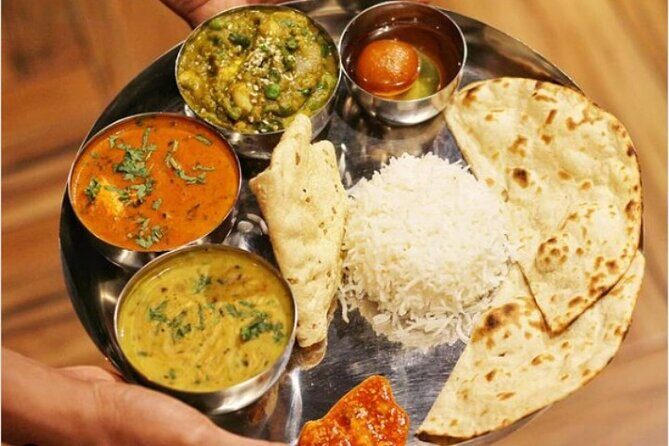
This class is built around North Indian vegetarian cooking. Expect staples that are both familiar enough to learn quickly and important enough to taste “proper” when done right—like dal and aloo gobi.
You’ll also make different curries during the lesson, plus chai and chapattis. The key idea isn’t just memorizing recipes. It’s understanding what spices do and why they go in when they do.
Dal and aloo gobi: the training wheels of North Indian cooking
Dal and aloo gobi are smart choices for a first cook-along because they teach you core skills:
- Dal helps you understand simmering and balancing flavors so lentils turn creamy, not flat.
- Aloo gobi forces you to manage heat and timing so potatoes and cauliflower end up tender without going mushy.
When a class includes these, you’re learning a foundation you can actually reuse later with other vegetables and lentils.
Curries: learning the logic behind the flavor
The curries are where the “secrets of spices” part comes in. You’ll be guided through cooking curries in a way that feels like household knowledge—how spices bloom, how aromas develop, and how to adjust for taste as you go.
Since the lesson is interactive, you can ask what you’re noticing. That’s often the difference between a recipe that works and one that fails: it’s knowing what to fix midstream.
A few more Jaipur tours and experiences worth a look




Chai and chapattis: two skills that change how you eat
A lot of cooking classes end once the curry is done. Here, the lesson includes chai and rolling chapattis, which is huge if you want your new skills to show up at your next meal.
Making chai
You’ll make chai during the experience. It’s not only about drinking something warm—chai also helps you understand how Indian kitchens think about flavor balance in everyday life. Expect the lesson to treat chai as a natural part of hospitality, not just a beverage add-on.
Rolling chapattis
You’ll roll chapattis as part of the cooking flow. Chapatti skill is one of those things that sounds simple until you try it—then you realize technique matters: dough feel, rolling thickness, and cooking on the right heat.
Learning chapattis inside a home environment also tends to make the instructions clearer. You’re not watching a perfect demonstration; you’re learning what to do when your first attempt doesn’t look like the video.
The class flow in 2 hours: quick pace, lots of doing

Duration is about 2 hours, and that time includes cooking, conversation, chai, chapattis, and then eating. So you should expect a fairly tight schedule.
A useful way to think about it:
- You get welcomed with chai and some family chat.
- You start cooking—spice prep and first items like dal and curries.
- Chapattis come in during the same cooking window, so you’re multitasking.
- Everything ends with the meal—your dishes on the table, plus the satisfaction of getting it done with guidance.
If you’re the kind of traveler who enjoys being hands-on (and not just watching), you’ll probably love the pace. If you prefer slow, detailed cooking for hours, this one might feel fast—but the upside is you leave with finished food and recipes in one go.
Eating with the family: why the meal matters here
This isn’t a “takeaway meal” where you cook and then split. You dine on what you make at the end of the lesson, in the same home setting where you learned.
That part is worth your attention for two reasons:
- Taste feedback: You learn by eating your own results. It’s the fastest way to understand what “good” tastes like in context.
- Social learning: You’re sitting with the family culture vibe—trends, traditions, and day-to-day life come up naturally when people are sharing food together.
In the class descriptions, the family side includes talk about weddings, gods, traditions, and the joint family system. Even if you’re not visiting to study religion or sociology, these stories give food meaning.
Culture lessons that actually connect to dinner
It’s easy for a cultural part to feel like a lecture. Here, the culture connects to daily life around the kitchen and meal time.
You’ll have chances to interact with your host family and learn about:
- their traditions and customs
- weddings and family milestones
- daily routine inside a joint family system
- the role of gods in home life
That combination matters because it explains why food is eaten the way it is. Spices and recipes aren’t just technical—they’re tied to hospitality, celebrations, and family rhythms.
Price and value: why $23 feels fair for this setup
At $23 for roughly 2 hours, the big value drivers are:
- the cooking instruction (small group, personal attention)
- the home setting (not a commercial kitchen)
- included meal at the end
- chai and chapatti-making included
- recipes provided to take home
- optional pickup from select hotels
Even if you ignore the cultural conversation, the cooking + meal combination usually costs more elsewhere. And if you care about authenticity, paying for a home experience can be a better use of time than stacking multiple short restaurant stops.
The only “value caution” is the scope: you’re not getting every Indian dish under the sun. You’re learning a focused North Indian vegetarian set well.
Who should book this class (and who might not)
I think this is a strong fit if you:
- want a hands-on cooking experience, not just sightseeing
- like vegetarian North Indian food and want recipes you can repeat
- enjoy meeting local families and hearing everyday stories
- are comfortable with a max 10-person group and a fast 2-hour timeline
You might choose something else if:
- you’re looking for non-vegetarian dishes, or a fully global Indian menu
- you want a long, slow lesson with no multitasking
- you prefer restaurant-level staging over a working home kitchen
Practical tips so you get the most out of it
A few things will help your experience go smoothly:
- Wear comfortable clothes you can cook in, since you’ll be handling ingredients.
- If you’re sensitive to spices, mention it before cooking begins so the family can guide you.
- Bring curiosity. The best learning here comes from asking what you’re noticing as you cook.
Also, plan your day around a 2-hour block. This activity packs a lot into a short window—chai, multiple cooking steps, chapattis, then eating.
Should you book it?
Yes, if your goal is learning real North Indian home cooking and leaving with recipes, a full meal, and a family-style cultural moment. The combination of small-group attention, cooking classics like dal and aloo gobi, and then eating what you made is a rare “two wins in one ticket” deal.
Book it especially if you’re the type of traveler who likes to go beyond photos and actually understand how flavor gets built. If you’re only chasing a quick restaurant meal, you may feel it’s more effort than you want. But if you want the skills and the stories that go with them, this is a memorable, practical choice in Jaipur.
FAQ
How long is the cooking class experience?
It’s approximately 2 hours.
Where does the experience take place?
It’s in Jaipur, India, in a local home. If you’re not using pickup, the listed start point is Smart N Shiny | Best Salon in Vaishali Nagar, Jaipur.
Is pickup available?
Pickup from select hotels is available on request.
How many people are in the group?
The experience has a maximum of 10 travelers.
What kind of food will I cook and eat?
You’ll cook North Indian vegetarian dishes, including items like dal and aloo gobi, along with curries. You also make chai and roll chapattis, then dine on your creations.
Will I receive recipes?
Yes, recipes are included as part of the class.
How do I get my ticket?
The tour includes a mobile ticket.
What is the cancellation policy?
Free cancellation is offered. You can cancel up to 24 hours in advance for a full refund.
If you want, tell me your travel dates and whether you’ll need pickup from your hotel, and I’ll suggest a good time slot in your Jaipur day plan.