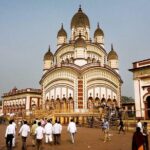
REVIEW · KOLKATA
Chasing The Sun Experience Kolkata’s Culture
Book on Viator →Operated by Get Local · Bookable on Viator
Six-thirty in Kolkata changes everything. This early start pairs major landmarks like Victoria Memorial with real street life—morning joggers, flower trading under Howrah Bridge, and neighborhood routines that most visitors never see. You end the trip in quiet reflection at Mother Teresa’s home, after a route built around how the city actually wakes up.
I love the timing, because you’re out before the day gets heavy, and the streets feel more human than stressful. I also love that the day mixes big-name sights with daily details like para life in North Kolkata and food you eat while the market world is still turning.
One drawback: it’s an early start and it’s mostly outdoors, plus you’ll do plenty of walking through markets—so comfortable shoes matter.
In This Review
- Key highlights you’ll feel fast
- Watching Kolkata wake up at Maidan and Victoria Memorial
- Malik Ghat Flower Market under Howrah Bridge: trade meets ritual
- Baghbazar: understanding para life in a 300-year-old neighborhood
- Bowbazar markets and breakfast: 200 years of food tradition
- Sealdah: spices, vegetables, and missionary-era context
- Ending at the Mother House of Missionaries of Charity
- Price and value: what $36.80 gets you (and why it’s fair)
- Getting the most from the early-morning route
- Who should book this Kolkata culture morning?
- Should you book Chasing the Sun Experience Kolkata’s Culture?
- FAQ
- What time does the tour start?
- How long is the experience?
- Where does the tour meet and where does it end?
- What’s included in the price?
- Is there a mobile ticket?
- How big is the group?
- Does it use public transportation?
- What is the cancellation policy?
Key highlights you’ll feel fast
- Small group size (up to 7) keeps the pace relaxed enough for questions and photos
- Public transport plus local rides helps you move like a Kolkata person, not like a bus tour
- Malik Ghat flower market under Howrah Bridge where trade and religious rituals sit side by side
- Baghbazar para life in a 300-year-old North Kolkata locality with daily rituals and neighborhood identity
- Breakfast at a 200-year-old eatery included in the price, so you get a real meal, not a quick snack
- Mother Teresa’s house as a calm end point when the city’s noise fades a bit
Watching Kolkata wake up at Maidan and Victoria Memorial
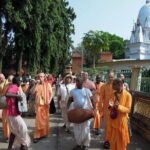
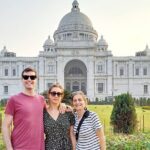
You meet at Victoria Memorial Hall in the Maidan area at 6:30 am, when the city feels sharper and less rushed. The Maidan is open space—good for morning movement—and you’ll see locals out early, including joggers who use the greenery as their personal stage.
I like how this start gives you context fast. Victoria Memorial isn’t just a pretty photo stop here; it becomes a backdrop for how Kolkata lives in the morning: steady, practical, and in motion. If you’re a street photographer, this is a great warm-up because light is soft and people look less guarded.
This is also a smart pacing choice. By the time you move into busier market areas later, you’ve already caught that early-energy feeling that makes Kolkata special.
You can also read our reviews of more tours and experiences in Kolkata.



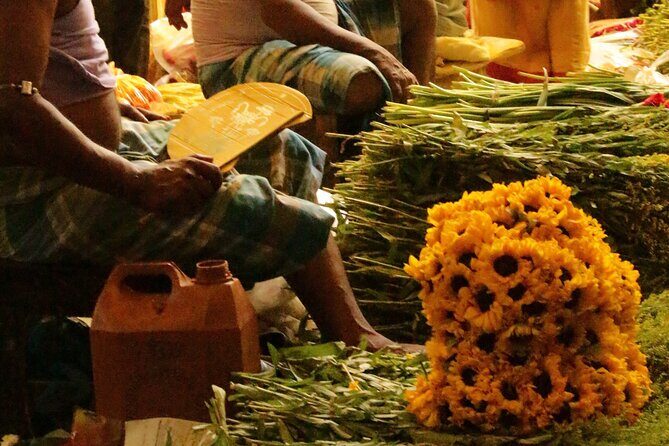
Malik Ghat Flower Market under Howrah Bridge: trade meets ritual

Next you head to Malik Ghat Flower Market, reached by local bus. You’re going to arrive under the enormous structure of Howrah Bridge, and that setting matters. The scale of the bridge frames everything below: sellers calling out, flowers everywhere, and the rhythm of people working before the day fully arrives.
What I found most memorable is the way the flower market connects to nearby ghat life and religious routines. The scene isn’t only about commerce; it’s also tied to faith and daily practice. You see how the same place can serve two worlds at once—business and ceremony—without either one feeling out of place.
Practical note: expect close quarters and strong smells from flowers and street food nearby. Keep your camera ready, but also keep your space. This is one of those stops where patience makes the photos better.
Baghbazar: understanding para life in a 300-year-old neighborhood
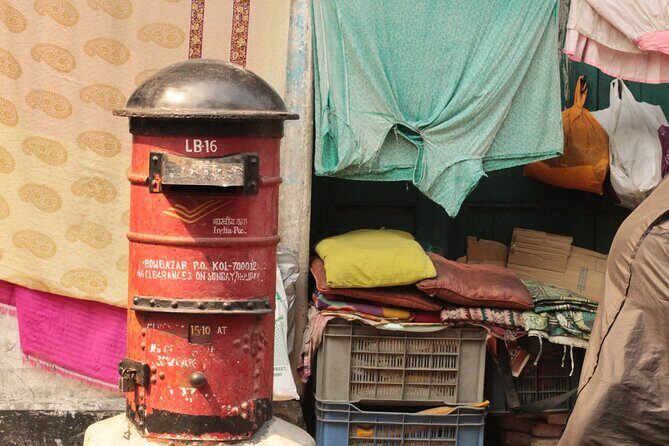
From there, you move toward Baghbazar, where the focus shifts from landmark scale to neighborhood identity. Kolkata uses the word para for locality, and here you get a real sense of what that means. A para isn’t just an address; it shapes daily habits, friendships, and how people describe where they belong.
This stop is where the tour starts to feel less like a checklist and more like a cultural conversation. You’ll hear about daily rituals and cultural nuances tied to this older North Kolkata area. It’s the kind of learning that happens because you’re standing where people live—not reading about it later.
One thing I’d keep in mind: this portion is still active street life. If you want quiet museums and controlled interiors, you may find the energy a bit intense. But if you want to understand how Kolkata’s social fabric works, this is a key piece.
Bowbazar markets and breakfast: 200 years of food tradition
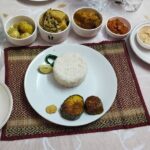
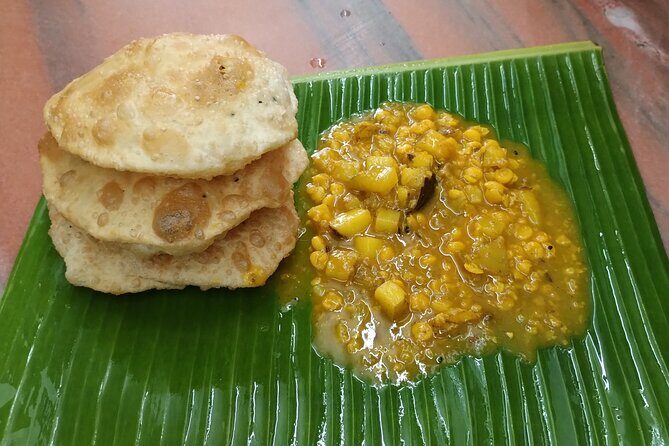
After Baghbazar, you’ll have breakfast at a 200-year-old eatery. That matters more than it sounds. Eating is where cultural ideas become real—what people order, how they share, and what tastes are kept alive generation after generation.
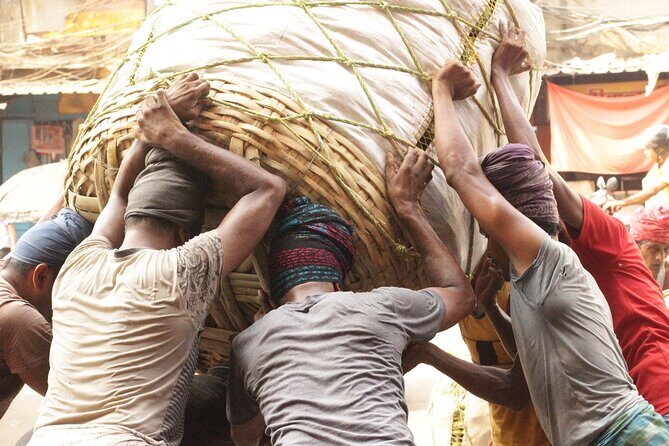
Then you head into Bowbazar—a Central Kolkata maze of markets, colors, and everyday commerce. This is where the tour starts leaning into street photography. You get a mix of cosmopolitan neighborhood energy plus market life that’s meant for locals: vendors, quick conversations, and plenty of small visual stories.
You’ll also pass through references to India’s oldest Chinatown, along with spice markets where the air can smell like work. Even if you don’t buy anything, walking through these lanes gives you a feel for how cultures rub shoulders in real time.
Tip for your comfort: breakfast is included, so you can enjoy this stop without constantly hunting for food. Still, keep an eye on how you’re carrying water and your phone—market days mean you’ll be hands-on in crowds.
Sealdah: spices, vegetables, and missionary-era context
To get to Sealdah in East Kolkata, you’ll take a tuk tuk. That short ride is more than transport—it’s a shift in pace. Sealdah is known for intense street action around one of India’s busiest stations, and you’ll feel that right away.
This part centers on a bustling marketplace recognized for spices and vegetables. It’s a sensory stop: colors of produce, stacks of packets, and the constant exchange between shoppers and sellers. If you like to understand a place through what it sells, this is a strong match.
You’ll also get context about the advent of missionaries in the city. The tour doesn’t pretend everything is only one story; it points out how outside influences shaped Kolkata over time, while local life continues to run on its own clock.
Practical photo advice: stations and markets can be tricky for crowd management. Keep your camera strap tight, don’t block walkways, and aim for quick shots when you see patterns—hands at scales, bundles on counters, and the flow of people.

Ending at the Mother House of Missionaries of Charity
After chasing the sun across markets and neighborhoods, you finish at Mother Teresa’s house, the Mother House of the Missionaries of Charity. This final stop is about contrast. The city’s earlier noise is still in your ears, but the atmosphere here gives you a moment to slow down and reflect.
It’s only about 30 minutes, so don’t expect this to replace a long visit. Think of it as a respectful landing after a very active morning—like closing a travel day with a quiet page.
If you’re the type who gets overwhelmed by intense street life, this ending is a relief. If you’re moved by spiritual spaces, it adds meaning to the route you’ve just taken through working neighborhoods and public ritual areas.
Price and value: what $36.80 gets you (and why it’s fair)
The price is $36.80 per person, and for me the value comes from what’s included and how the time is used.
You get:
- Breakfast (served at a 200-year-old eatery)
- Bottled water
- All fees and taxes
- WiFi on board (useful for mapping or quick check-ins)
- A 4-hour morning route built around multiple neighborhoods and major points of interest
The route also stays efficient because you’re not just hopping between famous sites. You’re using public transport and a tuk tuk to connect areas the way locals actually move. That’s a big part of the “why” behind the experience: you see Kolkata as a functioning city, not a theme-park of stops.
Group size matters too. With a maximum of 7 travelers, the tour feels easier to manage through crowds. It’s not a giant group that forces you into a single line.
One thing to remember: tips for the guide are not included, so plan to bring cash for that. (And if the guide keeps your day flexible, you’ll likely want to reward it.)
Getting the most from the early-morning route

This tour starts at 6:30 am, so set your expectations for the day’s rhythm. You’ll be walking, waiting briefly at transport points, and moving through open-air market spaces. The payoff is you experience morning energy and religious-meets-commerce scenes before the heat and crowds fully build.
Here’s how I’d prep:
- Wear comfortable, closed-toe shoes with good grip
- Dress for humidity and sun, but keep cloth that can cover shoulders if you feel you might enter more sacred or ritual areas
- Bring your own small towel or tissues if you’re sensitive to dust and flower scents
- Use the included breakfast timing to avoid getting hungry in crowded markets later
If you’re someone who hates early starts, this may not be your style. If you like getting out early to see real daily life, you’ll probably love it.
Who should book this Kolkata culture morning?
This experience is a great match if you:
- Want street life and neighborhood context, not only photo ops
- Like learning through food and everyday routines
- Prefer small-group pacing
- Enjoy walking through markets and capturing people in motion
You might want to skip it if you:
- Want a relaxed, slow sightseeing day with minimal crowds
- Strongly dislike early mornings
- Prefer indoor attractions only
And one extra note from what I’ve seen with guides: the day quality can hinge on the person leading you. In particular, I’ve heard examples of guides like Moinak bringing a mix of joy and flexibility—exactly what you want when plans meet real street conditions.
Should you book Chasing the Sun Experience Kolkata’s Culture?
I’d book it if you want Kolkata in the morning—before it turns into something hotter and harder to navigate. The route makes smart use of public transport, mixes recognizable places like Victoria Memorial with neighborhood texture like para life in Baghbazar, and still ends in a calm spiritual space at the Mother House.
It’s not a long, exhausting day. It’s a focused morning run with breakfast included and small-group pacing, which is exactly the kind of value that holds up when a city is busy.
FAQ
What time does the tour start?
The tour starts at 6:30 am at Victoria Memorial Hall.
How long is the experience?
It runs for about 4 hours (the schedule includes 30-45 minute segments at each stop).
Where does the tour meet and where does it end?
It starts at Victoria Memorial Hall, 1, Queens Way, Maidan, Kolkata and ends at The Mother House of the Missionaries of Charity near Ripon Street in Taltala, Kolkata.
What’s included in the price?
The price includes breakfast, bottled water, WiFi on board, and all fees and taxes.
Is there a mobile ticket?
Yes, the tour uses a mobile ticket.
How big is the group?
The experience has a maximum of 7 travelers.
Does it use public transportation?
Yes. The plan is built around public transport, including a local bus and a tuk tuk segment.
What is the cancellation policy?
It has free cancellation. You can cancel up to 24 hours before the experience’s start time for a full refund.