REVIEW · NEW DELHI
Old & New Delhi Culture & Architecture City Private Tour
Book on GetYourGuide →Operated by Travel Series · Bookable on GetYourGuide
Delhi starts fast, and this day starts earlier. You’ll ride through Old Delhi by tuk tuk, then switch to an air-conditioned car for New Delhi’s big monuments with a private guide. I like that the pacing is designed for learning on the move: you get photo-friendly stops at major sites like Jama Masjid, plus time in the spice lanes at Khari Baoli.
The biggest plus is the team setup. A private driver keeps the driving under control, while your guide turns places you’ve only seen on postcards into real, understandable street-level Delhi. One thing to plan for: this is a full sightseeing day with a lot of walking and crowds in Old Delhi, so the early start (you choose a pickup time between 5AM and 10 AM) matters.
In This Review
- Key highlights that make this tour worth your time
- Why this Old and New Delhi combo works so well
- Old Delhi tuk-tuk: Chandni Chowk to Jama Masjid
- A quick reality check
- Khari Baoli spice market: the smell you’ll remember
- Gurudwara Bangla Sahib: Sikh faith and the food that feeds thousands
- New Delhi landmarks from the car: India Gate to Rashtrapati Bhavan
- Tip for photos
- Akshardham to Humayun’s Tomb: two very different kinds of grandeur
- Swaminarayan Akshardham
- Humayun’s Tomb
- Lotus Temple, optional Raj Ghat, and the choice of Qutb Minar
- Lotus Temple
- Raj Ghat (optional)
- Qutb Minar (optional by your choice)
- How to decide between Qutb Minar and the extra time
- Timing, comfort, and how to avoid the day feeling too long
- Price and value: what $26 buys you in practical terms
- The trade-off
- Who this tour suits best (and who might want a different pace)
- Should you book it?
- FAQ
- What areas can the tour pick up from?
- What time does the pickup start?
- How long is the tour?
- Do you include a tuk-tuk ride in Old Delhi?
- Which languages are the live tour guides?
- Is entrance included for monuments?
- Can I skip some stops like Qutb Minar or Raj Ghat?
Key highlights that make this tour worth your time
- Old Delhi tuk-tuk ride for a true feel of street life around Chandni Chowk
- Private driver + live guide so you can ask questions and adjust pace
- Two religious and cultural anchors: Jama Masjid and Gurudwara Bangla Sahib
- Big New Delhi landmarks with photo chances from an air-conditioned car
- Optional add-ons like Raj Ghat, and a choice to include or skip Qutb Minar
- Skip-the-line entry using a separate entrance (when included with your ticket option)
Why this Old and New Delhi combo works so well
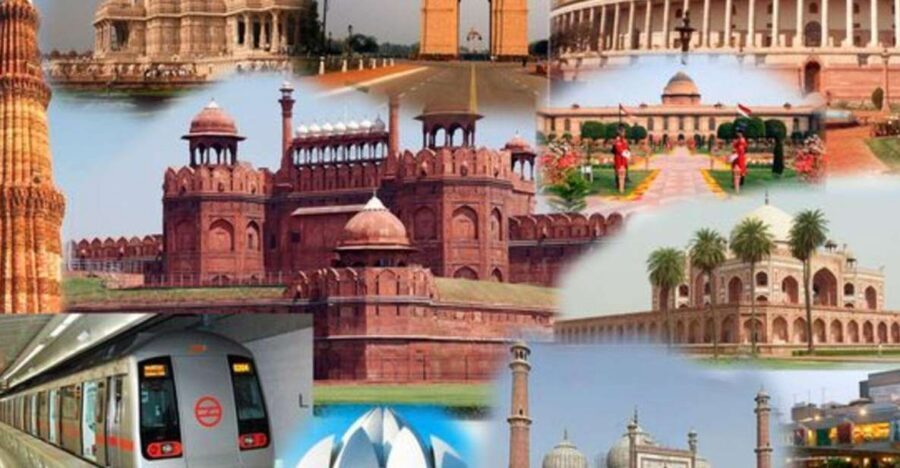
Delhi can feel like two different cities stitched together. Old Delhi is about markets, faith spaces, and daily life on crowded streets. New Delhi is about planned avenues, government buildings, and monumental architecture. This tour respects that split. You start in the thick of Old Delhi, then shift gears to a calmer (but still busy) car-based loop across the modern landmarks.
I also like how the logistics match the sights. You’re not spending the whole day negotiating transport. An air-conditioned car with a driver does the long transfers, then you switch to a tuk-tuk where cars can’t (or shouldn’t) dominate. That blend usually makes the day feel shorter than it is.
Finally, you’re not stuck listening to a monologue. The guide service runs live in English, Spanish, or French, and the focus is on helping you make sense of what you’re seeing—especially at places that are both architectural and religious, like Jama Masjid and Bangla Sahib.
You can also read our reviews of more city tours in New Delhi


Old Delhi tuk-tuk: Chandni Chowk to Jama Masjid
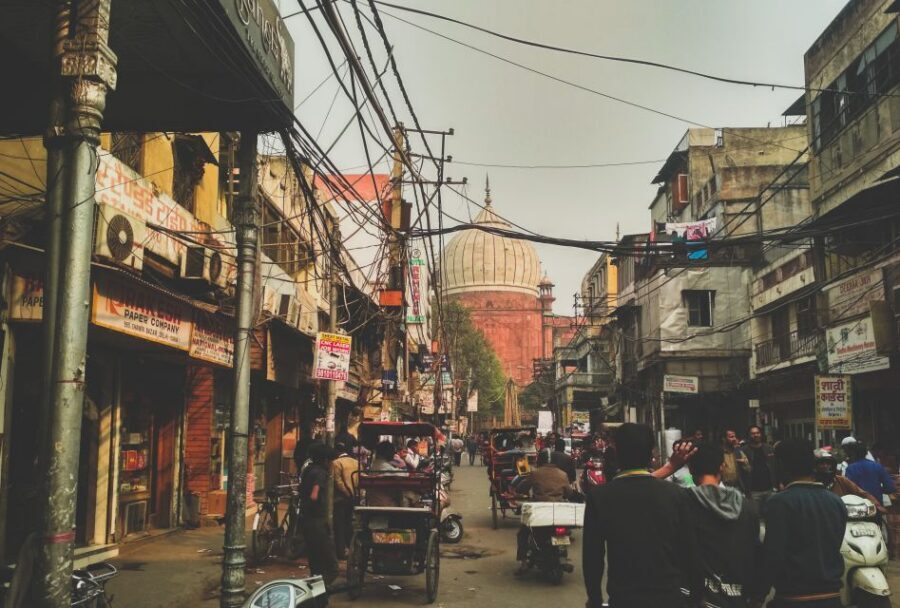
If you’ve never ridden through Old Delhi in a tuk-tuk, this is the part that changes the whole day. The ride drops you into the sights and sounds of Chandni Chowk, where the lanes and stalls make it easy to understand how locals shop and move. Your guide gives context while you’re still in the street atmosphere—so you’re not just looking at buildings, you’re learning how the area functions.
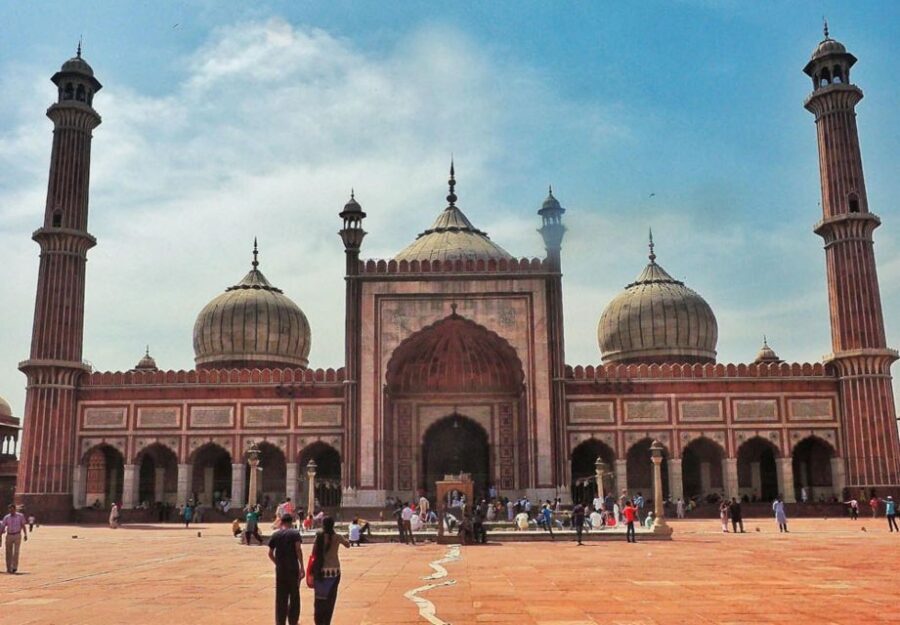
From there, you head to Jama Masjid, India’s largest mosque. It was built by Mughal Emperor Shah Jahan between 1644 and 1656, with a cost listed as one million rupees. That timeline matters, because it helps you read the scale and ambition you see in the courtyard and surrounding structures.
This stop also comes with a practical advantage: you’ll have guidance on where to position yourself for photos. The best picture spots at a place like this aren’t always obvious, especially if you’re trying to avoid blocking other visitors. Having a guide with specific photo viewpoints makes the difference between random photos and a set you’ll actually like later.
A quick reality check
Old Delhi is crowded and active. You’ll want comfortable shoes and a calm attitude about moving slowly. You might also find that the morning timing helps—less heat stress and better light for photos before the day gets heavy.
Khari Baoli spice market: the smell you’ll remember
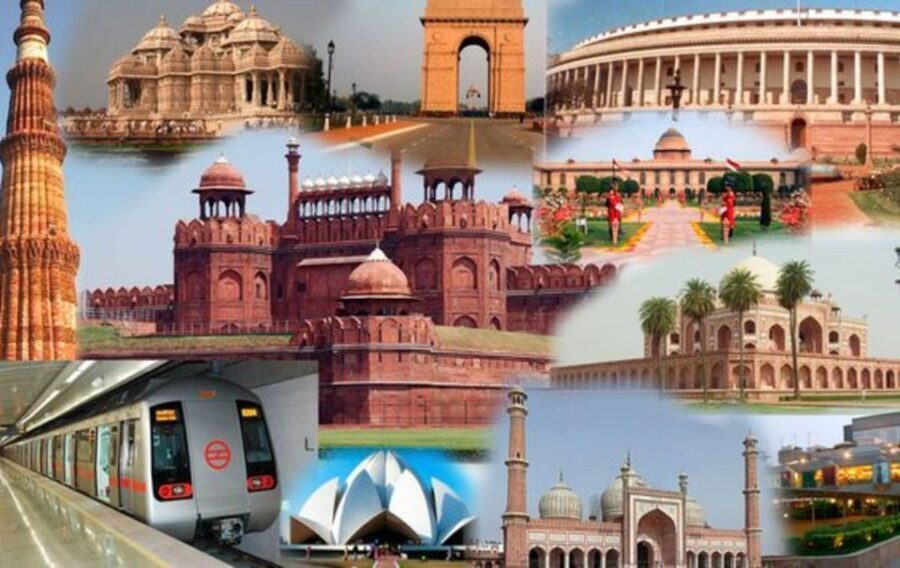
After you’ve seen the religious grandeur of Jama Masjid, the day turns sensory at Khari Baoli, one of Delhi’s best-known spice markets. This is where Delhi’s daily flavor starts to show up in real life: sacks, grinders, and vendors who deal in spices used for everything from everyday cooking to special blends.
Your guide turns this stop into more than a photo break. You’ll get interesting facts about spices and their uses—exactly the kind of detail that makes you understand what you’re smelling and seeing. Even if you don’t buy anything (and you’re not required to), you’ll leave with a better sense of how spice trade connects to home cooking across India.
One small consideration: this area can be intense for people with strong sensitivities to fragrances. If you’re sensitive, just keep moving at your pace and use the guided pauses wisely.
Gurudwara Bangla Sahib: Sikh faith and the food that feeds thousands
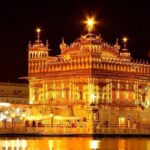
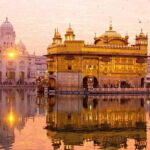
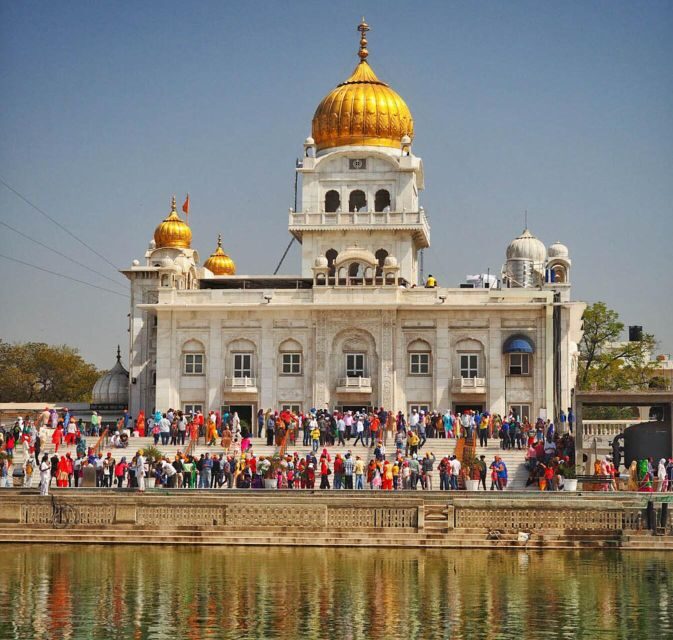
Next comes Gurudwara Bangla Sahib, a major Sikh temple and one of the most peaceful stops in the day. It’s especially famous for its kitchen (langar), described as the largest kitchen in India, preparing food for 10,000 people every day.
This matters because it’s not just architecture. It’s a functioning system of care. Even if you’re only passing through areas connected to the kitchen, the scale helps you understand how the temple serves more than worship—it serves community.
You’ll spend around an hour here, which is enough time to take in the setting, listen to your guide explain what you’re seeing, and reset your brain after the markets.
You can also read our reviews of more private tours in New Delhi





New Delhi landmarks from the car: India Gate to Rashtrapati Bhavan
Once Old Delhi is done, the day becomes more structured. You reconnect with your driver, then shift to a route that’s easier to manage inside an air-conditioned car—especially if you choose to include several major monuments.
You’ll do drive-by photo stops for major government landmarks:
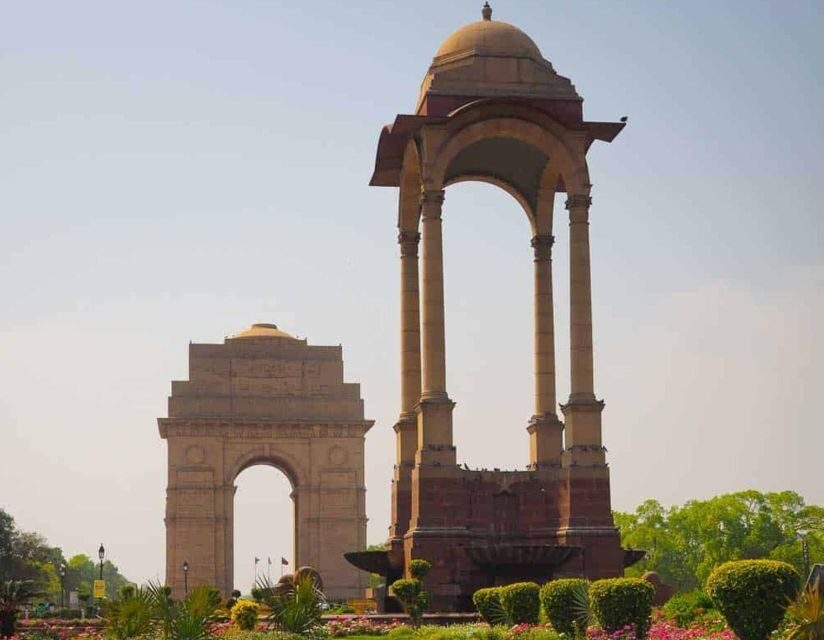
- India Gate, where your guide explains the historical background while you take photos.
- Parliament House, built in 1927, and linked to the Central Vista Redevelopment Project launched in 2019.
- Rashtrapati Bhavan (the President’s House), described as a 340-room main building that took 17 years to complete.
These aren’t hands-on museum stops in the same way the earlier sites are. But they’re still worth it because the visuals are huge, and the guide helps you place them in the story of Delhi. If you like understanding what you’re looking at—what sits where and why—these drive-by explanations can be surprisingly satisfying.
Tip for photos
Even from a car, you’ll get your moments. Pay attention to the guide’s timing cues. That’s how you avoid the common frustration of arriving, finding you’re not in the best spot, and then watching your chance disappear.
Akshardham to Humayun’s Tomb: two very different kinds of grandeur
After you’ve covered the seat-of-power side of New Delhi, the route turns more spiritual and architectural again.
Swaminarayan Akshardham
Swaminarayan Akshardham is described as one of the biggest Hindu temples, constructed in 2005. What makes it stand out in a practical way is the perception of age: the architecture makes it seem like it’s been built for centuries, not just in the modern era. Your guide walks you through what you’re seeing so the design feels intentional rather than just impressive.
Humayun’s Tomb
Then you reach Humayun’s Tomb, a UNESCO World Heritage Site, described as the first garden tomb in India. It was built by the wife of Humayun (the second Mughal Emperor) and completed after his death. That family and timeline detail matters—because it frames the tomb as both memorial and design statement.
Humayun’s Tomb is often a turning point for visitors because it’s where architecture starts to feel like it’s teaching you how empires expressed power, memory, and beauty in stone.
Lotus Temple, optional Raj Ghat, and the choice of Qutb Minar

You finish in Delhi with faith variety and then a choice depending on how full you want the day to feel.
Lotus Temple
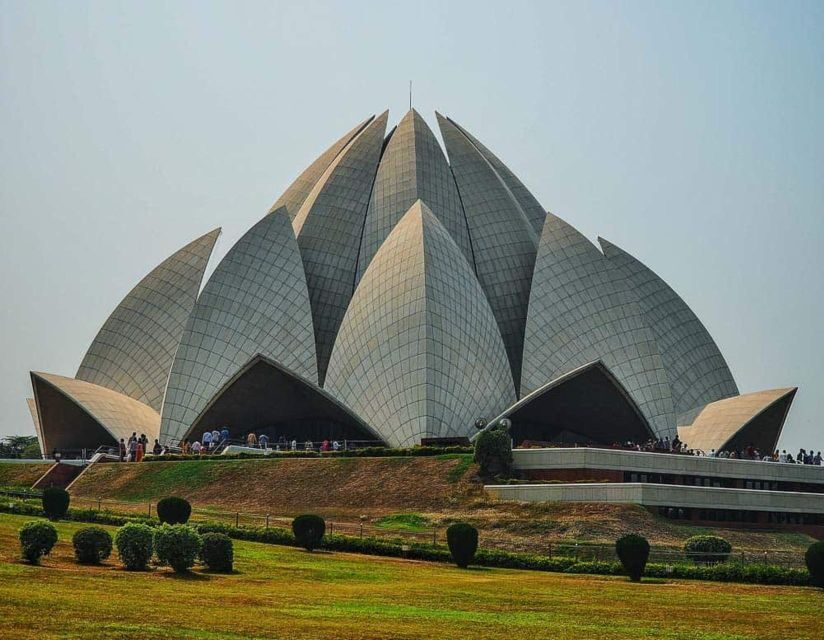
Lotus Temple is your last stop if you choose to skip Qutb Minar. It’s a Bahá’í House of Worship dedicated in December 1986. The shape is its signature: a flower-like form that has become a prominent attraction. If you’re the type who likes clean, calm spaces that feel open and modern, this is a great ending point.
Raj Ghat (optional)
Raj Ghat is optional. It’s a memorial dedicated to Mahatma Gandhi. If you want a reflective pause after all the architecture and religious sites, this can give your day an emotional reset.
Qutb Minar (optional by your choice)
If you include it, Qutb Minar is a major final highlight. It’s described as the highest brick tower in India, built in 1192, and part of a UNESCO World Heritage Site. The tour also frames it as connected to the first Muslim empire in India, which helps connect what you’re seeing to the broader shifts in Delhi’s past.
How to decide between Qutb Minar and the extra time
If you’re starting early and your legs are holding up, adding Qutb Minar can feel like a strong capstone. If you’re already tired from Old Delhi crowds, skipping it and finishing at Lotus Temple can be a smarter, less rushed choice.
Timing, comfort, and how to avoid the day feeling too long
This tour runs 4 to 8 hours, depending on how many stops you include. That range is important. If you choose both optional moments (Raj Ghat and Qutb Minar), plan for a longer day with more walking and more transitions.
Pickup is flexible: you can choose a pickup time between 5AM and 10 AM, and pickup is available from New Delhi, plus nearby areas like Noida, Gurugram, Ghaziabad, and Faridabad. Starting earlier usually helps you handle Old Delhi’s crowd energy with less heat pressure.
Comfort-wise, you’ll have a big advantage: a private air-conditioned car with a driver for the transfer sections. Plus, you’ll get a mineral water bottle and all applicable taxes and charges included in the price.
Still, you’ll want to pack for real street movement. Think comfortable footwear, sun protection, and a light layer for indoor/outdoor temperature swings at major sites.
Price and value: what $26 buys you in practical terms
At $26 per person, the value here comes from the combination, not a single feature. You’re getting:
- Pickup from your location in Delhi NCR
- A live guide (English, Spanish, or French)
- A tuk-tuk ride in Old Delhi
- A private driver in an air-conditioned car
- Mineral water
- Skip-the-line entry using a separate entrance
- Entrance tickets included if you select the ticket option
That list matters because many “cheap” sightseeing days in big cities either trade off the guide quality or skip the most time-saving parts. Here, the guide is part of the experience, not an optional add-on. And the tuk-tuk is a short but meaningful upgrade—one that you can’t replicate easily on your own without planning.
The trade-off
Your day is only as good as your expectations. If you want a slow, unhurried pace with extended time for shopping, this route might feel packed. But if you’re trying to get an organized introduction to both Old Delhi and New Delhi, it’s a solid deal.
Who this tour suits best (and who might want a different pace)
This works especially well if you:
- Want a first-time orientation to Delhi’s architecture and major religious sites
- Prefer a private guide who can explain what you’re seeing while you’re moving
- Like photography but don’t want to guess where to stand
- Enjoy religious diversity as part of cultural understanding—Jama Masjid, Gurudwara Bangla Sahib, Lotus Temple, and optional Raj Ghat are all part of the arc
It may be less ideal if you:
- Hate crowds or don’t handle dense markets well
- Want a strictly relaxed day with lots of downtime
- Have limited mobility and are expecting minimal walking at busy stops
If you fall into the first group, you’ll likely appreciate the structure. If you fall into the second, consider trimming the options so the day feels comfortable.
Should you book it?
Yes, if your goal is a smart, organized introduction to Delhi that covers Old Delhi life plus New Delhi monument scale—without making you manage transport on your own. You’re paying for a private guide-and-driver setup, plus the one standout local touch: the tuk-tuk ride through Chandni Chowk.
Book it if you want to leave with more than photos—ideas. The best part of the day is that you’re not only seeing famous landmarks like Jama Masjid, Humayun’s Tomb, and Qutb Minar. You’re getting the context that turns them into a story you can retell.
And if you’re choosing between optional stops, decide based on your energy: Lotus Temple can be a calm ending, while Qutb Minar adds an extra dose of monumental architecture.
FAQ
What areas can the tour pick up from?
Pickup is available from anywhere in New Delhi, plus Noida, Gurugram, Ghaziabad, and Faridabad.
What time does the pickup start?
You can choose any pickup time between 5AM and 10 AM.
How long is the tour?
The tour duration is listed as 4 to 8 hours.
Do you include a tuk-tuk ride in Old Delhi?
Yes. You’ll enjoy Old Delhi on a tuk-tuk ride.
Which languages are the live tour guides?
The live guide service is available in English, Spanish, and French.
Is entrance included for monuments?
Monument entrance tickets are included if you select that option.
Can I skip some stops like Qutb Minar or Raj Ghat?
Raj Ghat is optional. You can also opt to skip Qutb Minar, with Lotus Temple as the last stop if you skip it.