REVIEW · AMRITSAR
9-Days Private Trip – Holy Amritsar & Golden Triangle
Book on Viator →Operated by BOUT INDIA TOURS · Bookable on Viator
Golden Temple nights change your whole pace. This private 9-day run ties Golden Temple serenity to the high-energy Wagah Border ceremony, then adds Delhi landmarks, Agra Fort, and a classic early visit to the Taj Mahal. You get English-speaking guidance and door-to-door air-conditioned transport, so the logistics stay mostly out of your way. A fun extra: you’ll also get a Delhi rickshaw ride.
I love how this trip mixes big monuments with food and daily life. The food tour in Amritsar and the Traditional Punjabi village tour give you context beyond photos. I also like that key sites come with guides and monument entry passes included, not a pile of tickets you have to manage yourself.
One watch-out: flights aren’t included (you’ll handle the Amritsar–Delhi hop yourself). Also, Taj Mahal is closed on Fridays, so your day-of-week matters.
In This Review
- Key things I’d plan around
- Holy Amritsar plus the Golden Triangle: why this combo works
- Private transport and English-speaking guides: less chaos, more site time
- Delhi first: India Gate, Humayun’s Tomb, Jama Masjid, and Qutub Minar
- Amritsar’s Golden Temple evening lights and the meaning behind them
- Wagah Border ceremony: what you get from the two-hours-before-sunset plan
- Flying between cities: saving time, but watch your flight days
- Agra: Taj Mahal early morning, then Agra Fort in the evening
- Jaipur: from Chand Baori to Hawa Mahal, Jantar Mantar, and Amber Fort
- Hotels, included monuments, and meals: where the money goes
- Practical date tips and pacing choices that matter
- Should you book this Holy Amritsar and Golden Triangle trip?
- FAQ
- What cities are included in the trip?
- Are flights included?
- Are monument tickets included?
- Does the tour visit the Taj Mahal?
- Is there a rickshaw ride in Delhi?
- What do you do in Amritsar besides the Golden Temple?
- What Jaipur highlights are included?
- What meals are included?
- How much can I cancel for a full refund?
Key things I’d plan around
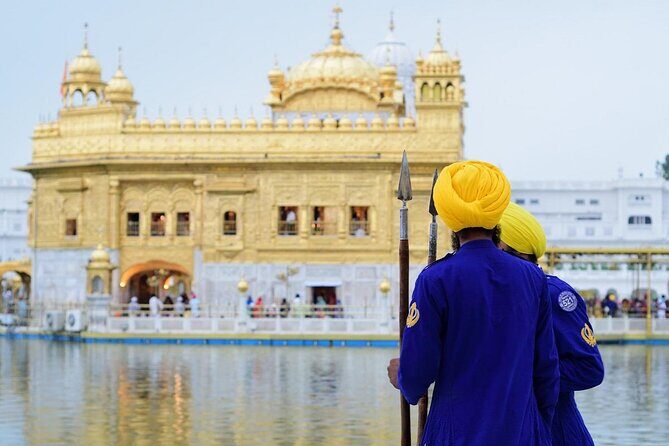
- Golden Temple, twice and in different moods: evening lights on Day 2, then another guided visit after breakfast on Day 3
- Wagah Border ceremony timing: it runs about two hours before sunset each day
- Old Delhi by rickshaw: a short ride in Chandni Chowk adds real texture to the market time
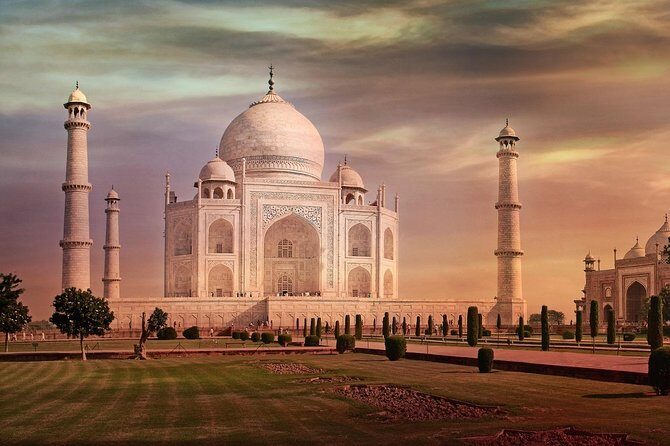
- Early Taj Mahal visit: you go in the morning, when the monument feels most focused
- Jaipur sights in a tight loop: Hawa Mahal, Jantar Mantar, City Palace, Jal Mahal, and Amber/Amer Fort in one day
Holy Amritsar plus the Golden Triangle: why this combo works
This is one of those rare North India trips where you’re not just collecting famous stops. You’re also tracking two very different sides of the region: Amritsar’s spiritual rhythm and the Golden Triangle’s Mughal-era and Rajput-era showpieces.
I like the pacing because it alternates tone. You get quiet, reflective time at the Golden Temple at night, then you jump to the physical, ceremonial energy of Wagah. After that, the trip moves into history you can almost walk through: Delhi’s Mughal monuments, Agra’s Mughal power center, and Jaipur’s royal city design.
The best part for most people is the reduced stress. Private transport and English-speaking guides are built into the schedule, so you’re not trying to coordinate drivers, tickets, and meeting points city to city.
You can also read our reviews of more private tours in Amritsar


Private transport and English-speaking guides: less chaos, more site time
A lot of “multi-city” tours feel exhausting because they’re mostly about transfers. Here, the tour is set up around private door-to-door movement and guides who meet you at the key sights.
On arrival days, you’re picked up and taken to your hotel. That matters because North Indian traffic and airport logistics can eat your day. With an air-conditioned vehicle and a private driver, you at least start your sightseeing window calmer.
Then comes the value of guided time. The tour includes English-speaking guidance at the major monuments listed in the plan, which helps you understand what you’re seeing instead of just taking long looks and moving on. For a first trip to this part of India, that “context” piece is often the difference between a nice photo day and a memorable day.
It’s also a true private setup: it’s only your group. That keeps the experience feeling controlled, even when sites get crowded.
Delhi first: India Gate, Humayun’s Tomb, Jama Masjid, and Qutub Minar
You start in Delhi, and the plan gives you a nice mix of monumental and street-level energy. Even if you only have one full day plus a sightseeing day, you hit major anchors.
In the first Delhi sightseeing block, you drive past Rashtrapati Bhavan and visit India Gate, a memorial tied to 82,000 soldiers of the Indian Army who died in the period 1914–21 during the First World War. That’s a more modern layer than many people expect when they picture India only through ancient ruins.
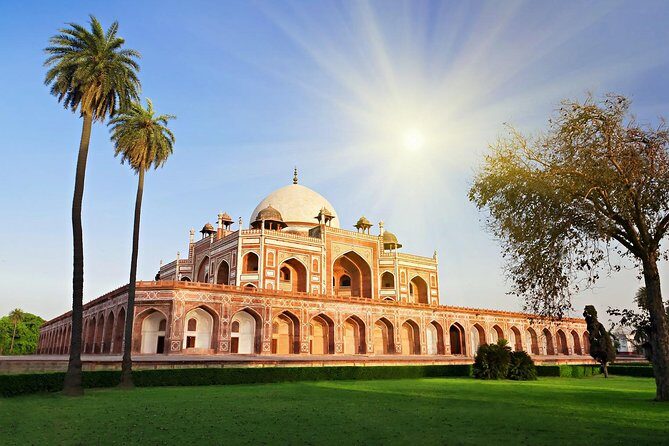
Your next Delhi day leans deeper into UNESCO-class Mughal architecture. You visit Humayun’s Tomb (built in 1570), which is known as the first garden-tomb on the Indian subcontinent. You also get Jama Masjid, described as the largest mosque in India, built by Mughal Emperor Shah Jahan between 1644 and 1656.
Then you move into the market world with Chandni Chowk. The highlight here isn’t shopping; it’s the logistics-friendly choice to add a guided rickshaw ride through the area. It’s a practical way to experience the bustle without spending your whole day on foot.
You round out Delhi with Qutub Minar, a UNESCO site rising about 73 meters with five storeys. If you like architecture that rewards slow attention, Qutub Minar is one of the stops that really pays off.
Amritsar’s Golden Temple evening lights and the meaning behind them
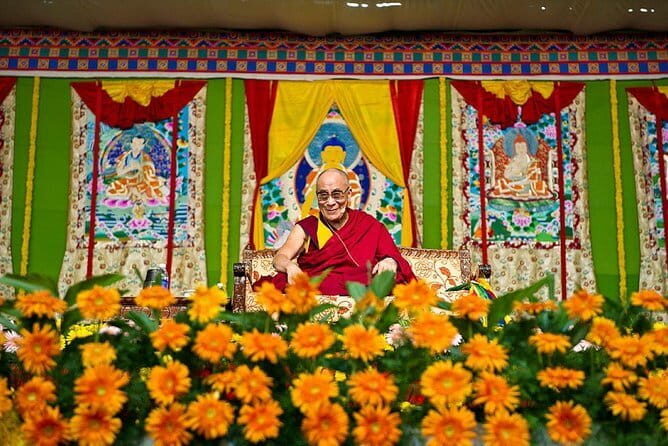
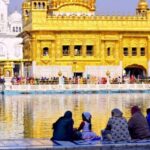
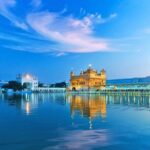
Amritsar is the emotional center of this whole trip. The schedule is built around two Golden Temple visits, which is smart. The Golden Temple can feel different at different times of day, and having a second visit helps you notice details you might miss the first time.
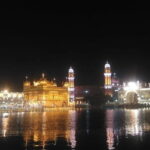
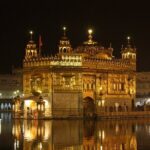
On Day 2, you arrive in Amritsar, then go on a guided food tour in the evening. After that, you visit the Golden Temple at night, when the lighting makes the whole complex feel softer and more sacred. Even if you’re not religious, it’s one of those places where people behave differently. That alone is part of the experience.
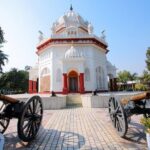
On Day 3, you return after breakfast. You start with another guided Golden Temple visit, then go to Jallianwala Bagh, where the site is tied to the Jallianwala Bagh massacre. This adds weight. It’s not just sightseeing; it’s history you don’t want to skim.
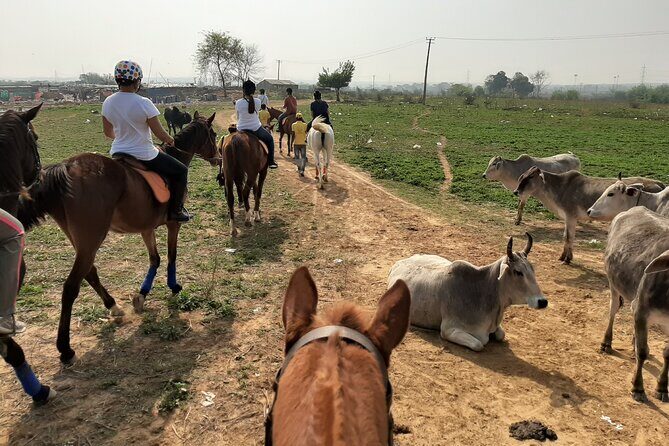
A key added layer is the Traditional Punjabi Village Tour. That’s where the day expands beyond monument walls and into everyday life. It’s also the kind of stop that makes you understand what the region’s traditions are actually built on.
One extra detail I find especially memorable is that hands-on food moments can happen here. In one run of this style of tour, the group helped make chapatis for lunch at the Golden Temple. Even if your timing differs, expect that the food side of Amritsar is taken seriously, not treated as a side quest.
Wagah Border ceremony: what you get from the two-hours-before-sunset plan
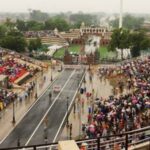
Wagah Border is one of those experiences that’s hard to explain until you’re there. You’re at the border gate between India and Pakistan, and the ceremony runs daily about two hours before sunset.
That timing matters more than it sounds. If you arrive too late, you miss the build-up and the ceremonial pacing. If you arrive too early, you might sit in heat and crowd noise without much structure. This tour’s timing is designed to land you in that sweet spot where the event feels like an event, not a wait.
You’ll go after the rest of the Day 3 sights, then return to your hotel in the evening. That keeps you from trying to squeeze the border into the middle of the day, which is where fatigue tends to hit.
If you like ceremonies, synchronized moments, and high energy crowds, Wagah is likely the emotional peak for many people in this trip.





Flying between cities: saving time, but watch your flight days
This is a multi-city plan, and it uses an Amritsar–Delhi flight to compress the schedule. That’s great if you want to see more without spending most of the trip on roads.
Just remember one important thing: flights are not included. You’ll need to arrange your own flight timing, including the Amritsar back to Delhi segment. Build slack time for airport procedures and baggage, especially if your connection window is tight.
Also, Taj Mahal timing can collide with day-of-week issues. The tour notes that the Taj Mahal is closed on Fridays. Since your Taj Mahal visit is an early morning stop, you should double-check your dates before you lock anything in.
The good news is that private transport handles the ground portions after you land. Once you’re in each city, the driver and guides keep the flow.
Agra: Taj Mahal early morning, then Agra Fort in the evening
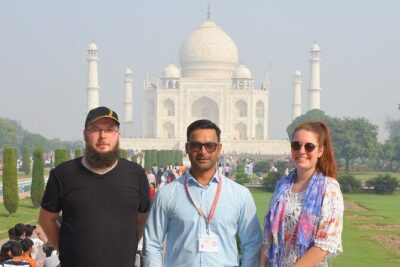
Agra is where the Golden Triangle earns its fame, and this tour treats it like a priority. You go to the Taj Mahal early in the morning, which is exactly when the monument feels most focused and least like a chaotic line item.
The Taj Mahal visit is tied to its origin story: it was built in 1632 by Shah Jahan in memory of Mumtaz Mahal. You’ll see it as a monument meant to hold love in stone, not as a random structure to tick off.
After the Taj day, you still get time for Agra’s power-beyond-the-postcard side: Agra Fort. You visit it in the late afternoon, when the light can be easier to enjoy for photos and walking. Agra Fort is described as the main residence of the Mughal emperors until 1638, which helps you connect the Taj to the broader political center.
If you want your Agra day to feel like more than one building, this combination works well: Taj Mahal gives you the emotional headline, Agra Fort gives you the full context.
Jaipur: from Chand Baori to Hawa Mahal, Jantar Mantar, and Amber Fort
Jaipur is the big color-and-design shift after Agra. The trip gives you a “Rajasthan moment” even before you reach the Pink City with Chand Baori, a step well.
Chand Baori is famous for symmetry: it has about 3,500 narrow steps and descends around 20 meters. The plan notes it was built during the 8th and 9th centuries. Even if you don’t love deep architectural details, this stop gives you a sense of how Rajasthan solves water, shade, and structure.
Once you arrive in Jaipur, you get a guided walk tour of the Pink City markets in the evening. This is a nice change from rapid museum-style sightseeing because it’s about seeing how streets and commerce shape daily life. It’s also a calmer way to start a city day before the heavier monument block.
The next day is your major Jaipur circuit. You visit Hawa Mahal, a high screen wall designed so royal women could observe street festivals unseen from outside. Then you go to Jantar Mantar, UNESCO-listed, with nineteen astronomical instruments built by Rajput king Sawai Jai Singh and completed in 1738.
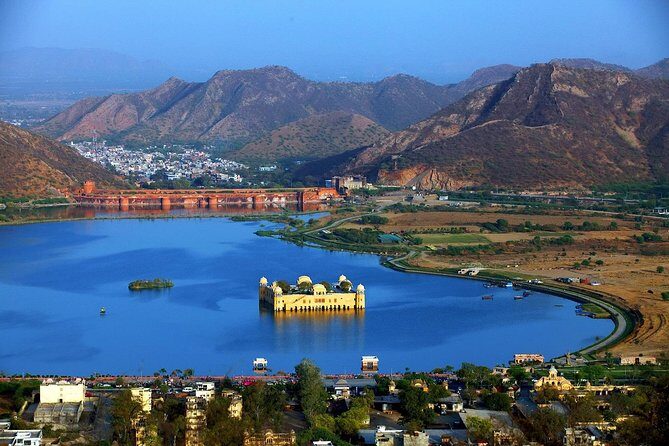
You also see City Palace, described as covering about one-seventh of the walled city, built between 1729 and 1732 by Maharaja Sawai Jai Singh. After that comes a more scenic stop: Jal Mahal, the palace in the middle of Man Sagar Lake.
You finish with Amber/Amer Fort, which is the practical payoff for all the Jaipur design language you’ve been learning. The tour packs a lot into one day, but because it’s guided and private transport keeps you moving efficiently, it usually feels manageable.
Hotels, included monuments, and meals: where the money goes
This tour’s value is in the bundle. You’re not paying separately for a stack of museum entries and multiple guides across four cities.
Included basics:
- 8 nights in 4/5-star hotels on double/twin/triple sharing
- Entry passes for the monuments listed in the plan
- English-speaking guides at those key sites
- Air-conditioned private vehicle for transfers and sightseeing movement
- 8 breakfasts and 2 lunches
- Extras like a rickshaw ride in Chandni Chowk, a guided food tour in Amritsar, a Punjabi village tour, and a guided walk tour of Pink City markets
For many people, those inclusions are what make a multi-city trip feel “worth it.” It’s the difference between spending evenings figuring out tickets and meeting points versus using those hours to rest or just enjoy dinner nearby.
Still, it’s important to know what’s not covered. Flights are excluded, and tips or personal expenses are also not included. Meals and drinks are only included when specifically called out, so you’ll still want to budget for your own dinners.
One more small planning detail: the tour notes a mobile ticket and group discounts. That can help simplify on-the-ground entry timing if you’re traveling with a group.
Practical date tips and pacing choices that matter
Two practical items can affect your experience more than you’d expect.
First, the Taj Mahal closure on Fridays. If your plan lands the Taj on a Friday, you’ll need a workaround, and you don’t want to discover that after you’ve finalized everything.
Second, plan for early starts. The Taj Mahal visit is scheduled for the early morning, and the rest of the day follows with travel toward Jaipur. If you dislike mornings, build a recovery habit into your schedule: simple breakfast, water, and easy footwear.
Also keep in mind the trip is private, so your pace is tied to the driver and guide schedule. That’s usually great for comfort, but it means you’re not going to wander for hours without coordination. If you love spontaneous changes, I’d communicate preferences upfront.
Should you book this Holy Amritsar and Golden Triangle trip?
I think this tour is a strong choice if you want four major North India cities without doing the planning math yourself. You get private door-to-door transport, monument guides at the main stops, and included entry passes, plus the emotional contrast of Amritsar plus the Golden Triangle.
Book it if:
- You like having guides explain what you’re seeing
- You want Amritsar’s spiritual focus plus Delhi–Agra–Jaipur highlights in one stretch
- You’re comfortable handling your own flights and keeping an eye on the Taj Mahal Friday closure
Skip or modify it if:
- You’d rather travel at your own pace without a packed sighting day structure
- Friday dates matter for your schedule and you don’t want to risk changing the Taj Mahal plan
- You’re on a tight budget where a private setup and 4/5-star hotels feel like overkill
If you do book, do two things right away: confirm your travel dates around Friday, and line up your Amritsar–Delhi flight timing early. That’s how you keep this tour feeling smooth instead of stressful.
FAQ
What cities are included in the trip?
The trip covers Amritsar, Delhi, Agra, and Jaipur.
Are flights included?
No. Flights are not included, and the Amritsar to Delhi flight is excluded.
Are monument tickets included?
Yes. Entry passes for the monuments mentioned in the schedule are included.
Does the tour visit the Taj Mahal?
Yes. The Taj Mahal is included, but it is closed on Fridays.
Is there a rickshaw ride in Delhi?
Yes. You’ll enjoy a rickshaw ride at Chandni Chowk.
What do you do in Amritsar besides the Golden Temple?
You also visit Jallianwala Bagh, go on a Traditional Punjabi village tour, and attend the Wagah Border ceremony. There’s also a guided food tour in Amritsar.
What Jaipur highlights are included?
You’ll visit Hawa Mahal, Jantar Mantar, City Palace, Jal Mahal, and Amber/Amer Fort. There’s also a guided walk tour of the Pink City markets.
What meals are included?
Breakfast is included for 8 days, and lunch is included for 2 times. Other meals and drinks are not included unless specified.
How much can I cancel for a full refund?
You can cancel up to 3 days in advance for a full refund.