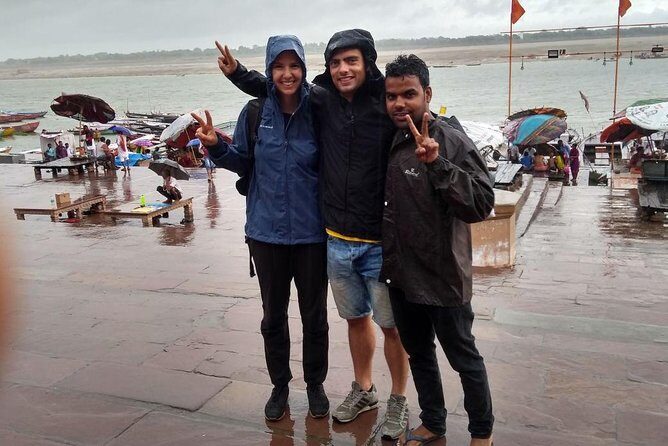
Golden Triangle in a week feels doable. This 7-day private route links Delhi’s old-and-new contrasts to Agra’s icons and Jaipur’s palaces, with supportive, long-experience guides (Amarjeet’s team) and a smooth car plan that keeps you from wasting time. I especially liked the Old Delhi rickshaw ride and how you get smart photo guidance at major sights. One watch-out: the day-by-day notes sometimes flag admissions as not included, so you’ll want to confirm what’s covered before you arrive.
If you’re trying to see a lot without turning it into a stressful checklist, this tour fits. You get air-conditioned pickup, scheduled touring days, and meals that help you keep energy up. Just know it’s busy: expect long sightseeing blocks, plus you’ll need good walking shoes.
In This Review
- Key Highlights That Make This Tour Worth a Week
- Why This Golden Triangle Plan Works (Even If You’re Short on Time)
- Day 1 in Delhi: Airport Arrival and a Simple Landing
- Day 2 Through Delhi: Old Delhi Energy Plus New Delhi Icons
- Day 3 to Jaipur and Chokhi Dhani: Jaipur Gets Fun, Not Just Formal
- Day 4 Jaipur Palaces and Forts: Amber, Hawa Mahal, and Jantar Mantar
- Day 5 to Agra at 8 AM: Fatehpur Sikri Ghost Town and Chand Baoli
- Day 6 Agra Icons: Taj Mahal Sunrise, Agra Fort, and Itmad-ud-daulah
- Day 7 Back to Delhi: Airport Transfer and a Clean Wrap-Up
- Price and Value: Is $700 Per Person a Good Deal?
- Service Quality: What the Guides and Driver Style Really Means for You
- Should You Book This Golden Triangle Tour?
- FAQ
- How long is the 7 Days Golden Triangle private tour?
- Which cities are included in the Golden Triangle route?
- What time does the tour start?
- Is airport pickup or transfer included?
- Are meals included in the price?
- Are entrance fees included for monuments?
- Is this a private tour?
- Can I cancel and get a refund?
Key Highlights That Make This Tour Worth a Week
- Old Delhi by rickshaw after Jama Masjid: a quick hit of street energy plus major monuments.
- Jaipur cultural night at Chokhi Dhani: food, traditional entertainment, and village-life style activities in the evening.
- Amber Fort plus Hawa Mahal and City sights: classic Jaipur landmarks in one guided day.
- Early timing options for the Taj Mahal: sunrise is recommended for the best feel and light.
- Private, guide-led pacing with photo tips: the guides focus on good viewing and photography spots.
Why This Golden Triangle Plan Works (Even If You’re Short on Time)
The Golden Triangle can feel like a blur if you self-plan or bounce between too many separate tours. This one is structured around three big cities—Delhi, Agra, and Jaipur—so you’re always moving forward with a consistent base, car, and guide. Start with Delhi’s mix of imperial-era and modern monuments, then shift to Agra’s UNESCO sites, and finish with Jaipur’s forts and pink-city iconography.
A big value point here is how the basics are handled. You’re picked up by an air-conditioned vehicle, you receive bottled drinking water, and you have breakfast and lunch included for much of the trip. That means fewer decisions mid-day when heat and crowds can wear you down.
For me, the best part is the logic of the route: it keeps the most demanding days packed, so you’re not scrambling to find tickets or transport at the last minute. And because it’s a private tour, you’re not stuck waiting on a large group that moves at a different speed than you do.
You can also read our reviews of more private tours in New Delhi


Day 1 in Delhi: Airport Arrival and a Simple Landing
Your day begins with pickup at Delhi Airport and transfer to your hotel in an air-conditioned vehicle. There’s no pressure to rush sightseeing immediately; you land, get settled, and sleep in Delhi.
This sounds basic, but it matters. After travel, you want your first hours to be low-stress. A private arrival transfer also helps you avoid the usual first-day chaos: negotiating transport, finding your bearings, and losing time to lines.
Tip for you: if you can, use the evening to do a light walk near your hotel and refill on anything you’ll need for long days—water, sunscreen, and comfortable socks. You’ll thank yourself on Day 2.
Day 2 Through Delhi: Old Delhi Energy Plus New Delhi Icons
Day 2 is a full sightseeing day in Delhi, and it’s built around a smart mix: Old Delhi religious heritage, plus major New Delhi landmarks, plus two UNESCO-level stops.
You start with Jama Masjid, then jump into Old Delhi with a rickshaw ride—a classic way to see the old streets without spending half the day stuck in traffic on foot. You’ll also get a Red Fort photostop, which is useful when timing is tight and you want the visual without adding extra complexity.
Then the tour widens out toward New Delhi: you’ll see Gandhi Memorial, Parliament House (as part of the drive-by viewing plan), India Gate, Humayun’s Tomb, and the Qutub Minar Complex. That arc matters. Delhi isn’t one vibe—it’s a stack of layers—and this day shows that clearly.
Possible drawback to plan for: this is the kind of day where you can feel it in your legs. You’ll cover a lot, even with car time. Wear shoes that don’t punish you after midday and carry a light layer. Delhi weather can shift faster than you expect.
Day 3 to Jaipur and Chokhi Dhani: Jaipur Gets Fun, Not Just Formal
After breakfast, you check out and transfer to Jaipur, then check in and relax. This keeps the day from starting like a sprint.
In the evening, you visit Chokhi Dhani, which is essentially a Rajasthan-themed village-life experience. You can enjoy Rajasthani food and traditional performances—dancers and acrobats—plus snack stalls and activities with an adventure-park-like feel. It’s a good contrast to the more stone-and-tower vibe you get at forts and palaces later.
What you should love here: it’s not only about watching. It’s about shifting gears—food, shows, and a more social atmosphere—so your Jaipur experience isn’t 100 percent sightseeing walking.
One practical note: since dinner is not listed as included, plan your evening budget accordingly. Chokhi Dhani does offer food options, but you’ll still want to check what’s included in your meal there and what’s optional.
Day 4 Jaipur Palaces and Forts: Amber, Hawa Mahal, and Jantar Mantar
This is your big Jaipur classic day. You start with Amber Fort, which is the kind of place that rewards patience. You’ll ascend the fort and take in the scale and views before moving on to other iconic sights.
From there, the tour includes Hawa Mahal (the Palace of Wind) and Jal Mahal (Water Palace). You’ll also visit City Palace and Museum and Jantar Mantar, the 18th-century stone observatory.
Why this day works: it balances “wow from the outside” with “learn what you’re looking at.” Forts and palaces give you the visuals, while Jantar Mantar gives you a different angle on how knowledge was built into architecture.
Photo and timing tip: the guides have a track record of helping with good photography points. Still, you should bring a phone strap or small bag you can manage easily. At major landmarks, you’ll move in clusters and stop often—easy to trip over loose items.
A few more New Delhi tours and experiences worth a look






Day 5 to Agra at 8 AM: Fatehpur Sikri Ghost Town and Chand Baoli
You start early—8:00 AM—with a drive to Agra. En route, you visit Fatehpur Sikri, often called a ghost town because it’s partially abandoned yet still full of monumental detail. You’ll also stop at Chand Baoli, a stepwell area that includes a village-life style experience.
This is a strong day because it adds depth between the two big anchors: Jaipur and the Taj Mahal. Fatehpur Sikri isn’t a quick stop; it’s a place where you see how vast a royal project could be—even when it ultimately wasn’t meant to last forever.
Value note: the tour includes monument entrance fees in the package. However, the day-by-day notes also mention some admissions as free and others as not included. Before you go, ask the operator for a simple breakdown of what you’ll pay on-site versus what the package covers, so there are no surprises at the gate.
Day 6 Agra Icons: Taj Mahal Sunrise, Agra Fort, and Itmad-ud-daulah
This is the day you plan around.
After breakfast, you visit the Taj Mahal, with a strong recommendation to go at sunrise. If you’re the type who likes the Taj in soft light rather than harsh midday glare, this matters. Sunrise also tends to feel calmer, and the whole setting feels more peaceful when the day is still getting going.
You’ll also visit Agra Fort and Itmad-ud-daulah (often called the Baby Taj). That second stop is a smart move. It gives you a related monument experience without repeating the exact same view. It’s the kind of contrast that helps the Taj feel less like just a single photo moment and more like part of a broader royal landscape.
A practical consideration: Taj days often mean early wake-up, lots of waiting for entry flow, and standing in tight areas. If you’re sensitive to heat or crowds, pack a refillable water bottle and plan for a bit of sunscreen time even in the morning.
Day 7 Back to Delhi: Airport Transfer and a Clean Wrap-Up
On your last morning, you have breakfast, then drive back to Delhi. The listed drive time is about 3 to 4 hours, and later you’re transferred to the airport for your onward flight.
This is a good end style. You’re not stuck spending extra hours wandering aimlessly. You wrap up with enough structure that you can plan your flight without guessing.
Price and Value: Is $700 Per Person a Good Deal?
At $700 per person for roughly a week, the value comes from the combination of private guiding, car transport, meals, and fees.
Here’s what you get that usually costs extra when you plan it yourself:
- Pickup and transfers in an air-conditioned vehicle
- Monument entrance fees (listed as included)
- Breakfast (6) and Lunch (6)
- Bottled drinking water
- Private touring with a group limited to your party
- A mobile ticket, which simplifies day-of logistics
What’s not included is also clear:
- Dinner
- Tips and gratuities for drivers, guides, and hotel staff
The tricky part is that the itinerary notes sometimes label certain admission tickets as not included on specific days. That doesn’t automatically mean you’ll pay more overall, but it does mean you should confirm what the package truly covers at each major site. If you do that, you’ll know whether $700 feels like a bargain or a slightly expensive convenience.
Service Quality: What the Guides and Driver Style Really Means for You
The standout theme in the feedback is simple: professional, polite guidance, plus a driver who handles Indian roads confidently. Amarjeet and the team behind Companion Journey Private Limited are consistently described as supportive and helpful, with guides who have experience in the field and know good spots for photography at historical monuments.
This kind of service matters in India, where small delays can snowball. A driver who’s experienced and a guide who knows the rhythm of each stop help you spend time seeing, not waiting.
If you want a tour that feels like local help rather than a rigid bus day, this setup fits that goal. You also get private pacing, which is great if you like taking extra minutes at one photo stop or need a longer break.
Should You Book This Golden Triangle Tour?
If you want an efficient, guide-led Golden Triangle with built-in meals and a real sense of pacing, I’d lean yes. It’s especially good if you:
- Want to see Delhi, Agra, and Jaipur in one week without logistics headaches
- Prefer private touring over big-group schedules
- Appreciate a guide who can point you to the best viewing and photo angles
If you’re the type who hates early mornings, the sunrise Taj Mahal recommendation may feel like a stretch. And because the itinerary notes mention some admissions as not included while the package says monument fees are included, I’d treat confirmation with the operator as a must. If admissions are clarified up front, this tour becomes a very straightforward way to get your week right.
FAQ
How long is the 7 Days Golden Triangle private tour?
It’s approximately 7 days.
Which cities are included in the Golden Triangle route?
The tour covers Delhi, Agra, and Jaipur.
What time does the tour start?
The start time is listed as 9:00 am.
Is airport pickup or transfer included?
Yes, pickup is offered, and Day 1 includes transfer from Delhi Airport to your hotel. Day 7 includes transfer to the airport for your onward journey.
Are meals included in the price?
Yes. Breakfast is included for 6 days and lunch is included for 6 lunches. Dinner is not included.
Are entrance fees included for monuments?
Monument entrance fees are listed as included, but the day-by-day notes also show some entries marked as not included. It’s smart to confirm what you’ll pay on-site versus what the package covers.
Is this a private tour?
Yes. It’s a private tour/activity, and only your group will participate.
Can I cancel and get a refund?
You can cancel up to 3 days in advance for a full refund. If you cancel less than 3 full days before the experience’s start time, the amount paid is not refunded.