REVIEW · KALAW
3 Days 2 Night ” Off the beaten track ” ( Kalaw to Inle )
Book on Viator →Operated by Ko Kyaw Kalaw Trekking · Bookable on Viator
Kalaw to Inle can be crowded fast, so this trek’s different. You walk through rare hill-tribe villages and spend nights in local traditional homes, with help from the Ko Kyaw Kalaw Trekking team. Along the way, you’ll see small-scale farming and get a real look at daily life in Southern Shan State, backed by hazy mountain views.
The best part is the human one: your guide and the families you meet tend to treat the trip like a genuine visit, not a staged show. The one thing to consider is that the route is described as arduous—you need a moderate fitness level and you should expect some tough walking days, even if the trek is set up for all skill levels.
In This Review
- Key things I’d circle before you book
- Kalaw to Inle, but not the usual way
- Shan State hill tribes you’ll actually meet
- How hard is it, really? (Skill levels vs. real effort)
- Staying in traditional village houses
- Meals and money: what you’re paying for
- Inle Lake costs you should budget for
- Starting in Kalaw: meeting point and timing that matter
- What the day-to-day likely feels like on this trek
- Who should book this (and who should think twice)
- Quick packing and mindset tips (so you enjoy it more)
- Should you book this Kalaw to Inle trek?
- FAQ
- What’s included in the $190 per person price?
- What’s not included?
- What time does the trek start and where do we meet?
- Is this a private tour?
- How fit do I need to be?
- Do I need to pay for boat rides and entrance fees at Inle Lake?
- What’s the cancellation policy?
Key things I’d circle before you book

- Off-the-beaten route: designed to get you away from the most visited paths
- Hill-tribe culture, in real villages: Taung Yoe, Da-Nu, Palaung, Taung Thu, Pa O, and In Thar areas
- Traditional-house stays: accommodation is with local villagers, not hotels
- Included meals on the trek: food is part of the $190 price, but drinks are not
- Guides who speak to the details: Ko Kyaw and Ko Zaw are specifically mentioned for knowledge and English
- Plan for Inle add-ons: boat transport and Inle entrance fees are extra
Kalaw to Inle, but not the usual way
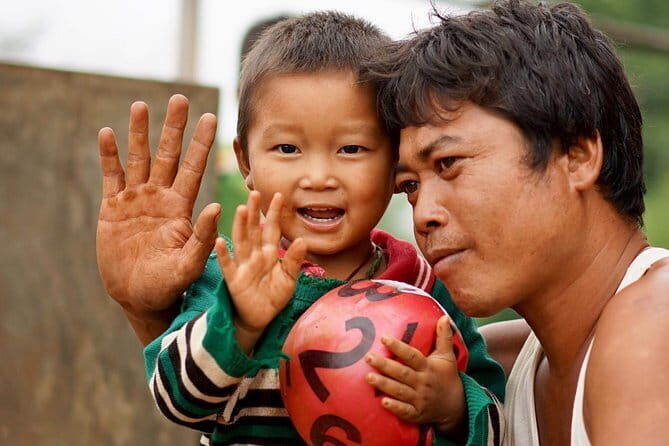
This trek sells the idea you want when you’re in Myanmar: less crowd time, more village time. Instead of turning every day into another viewpoint-and-photo cycle, the focus is the journey between Kalaw and Inle Lake—through surrounding mountains, countryside, and a chain of hill-tribe communities.
From the start, you’re told the route is meant for an off-the-beaten-track experience with rarely visited villages. That matters, because it changes what you notice. You stop seeing the landscape as scenery and start seeing it as a place where people farm, cook, trade, and live—often with a pace that doesn’t match tour buses.
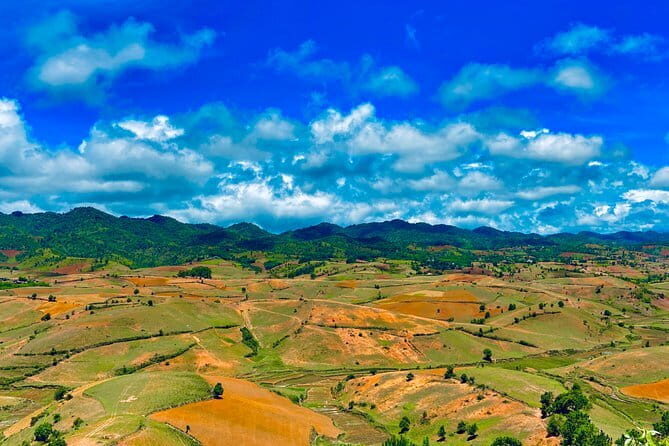
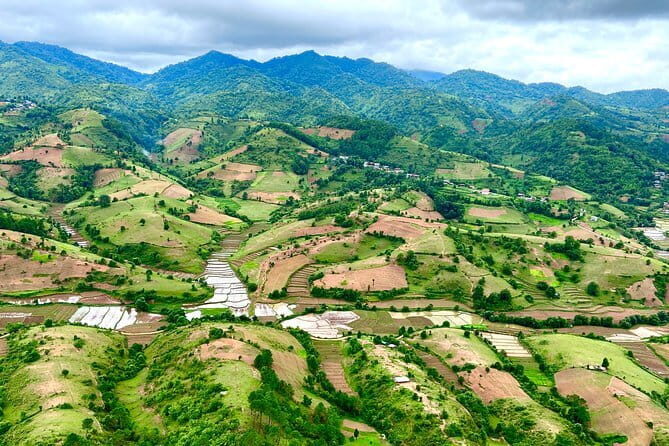
And yes, the scenery is part of it. The haze, the hills, the mountain air—this is the kind of walking where you keep pausing because the view is doing something quiet and dramatic. Just don’t plan on luxury comfort. The trip is described as worthwhile once in a lifetime, but also tough enough to require at least moderate stamina.
You can also read our reviews of more tours and experiences in Kalaw.
Shan State hill tribes you’ll actually meet

The trip is built around learning Southern Shan State’s traditional culture and customs. That’s the headline, but it gets real in the way the trek is framed: you’re not just looking at villages from a distance—you’re moving through them, seeing day-to-day cultivation, and sharing conversations about way of life.
The names of hill-tribe groups mentioned include Taung Yoe, Da-Nu, Palaung, Taung Thu, Pa O, and In Thar. Those are the communities you’ll be trying to understand as you walk: how people live on these hills, how they farm, and how traditions shape daily routines.
What I like here is the balance. The trek isn’t only about culture talks, either. It’s paired with hiking and the practical reality of getting from one place to another on foot. That combination tends to create the best kind of travel memory: you remember the sound of the path as much as the people at the stops.
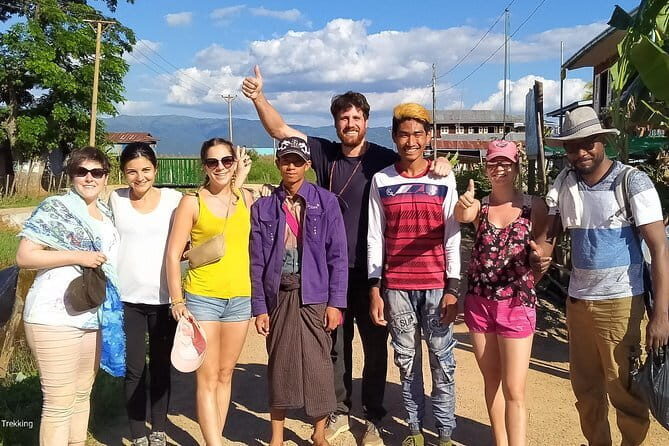
You also get a sense of family-run care from the team. Ko Kyaw Kalaw Trekking is the main provider, and in past trips guides like Ko Zaw have been described as knowledgeable and able to explain things in English. Another contact name you may hear is Joe Joe. Either way, you’re not dealing with a nameless pickup-and-drop operation.
How hard is it, really? (Skill levels vs. real effort)
The route is marketed as accessible to all skill levels, which is a big green flag if you’re not an ultra-hiker. But the same description calls the way arduous. So here’s the practical translation: the trail is likely uneven and hilly, and you should be prepared for long walking days, not a casual stroll.
The data also says you should have moderate physical fitness level. That’s the sweet spot where most people can manage it with reasonable trekking habits—steady pace, breaks when needed, and not treating the trip like you’re going to sprint between tea stops.
If you’re the kind of traveler who needs perfectly flat ground, frequent bathrooms in the same place each day, and zero physical discomfort, this isn’t your style. But if you can handle uphill/downhill walking and you’re excited by community encounters, you’ll probably find the trek very doable—and rewarding.
Staying in traditional village houses
A key difference in this trek is where you sleep. Accommodation during the trek is in the traditional houses of local villagers. That’s not just a marketing line; it shapes the whole feel of the trip.
Instead of being in a standardized guesthouse, you’re living in someone’s home setting. That usually means simpler facilities than what you get at hotels, and it also means the schedule and comfort levels can feel more local than tourist-organized. It’s the kind of setup that often creates better conversations, because you’re not surrounded by the same hotel routines every day.
For practical planning, I’d treat this as a village stay rather than a lodge experience. Pack with that in mind: expect basic conditions, plan for early mornings, and keep your routine flexible. If you’re curious, respectful, and okay with a little unpredictability, you’ll likely love this part.
Meals and money: what you’re paying for
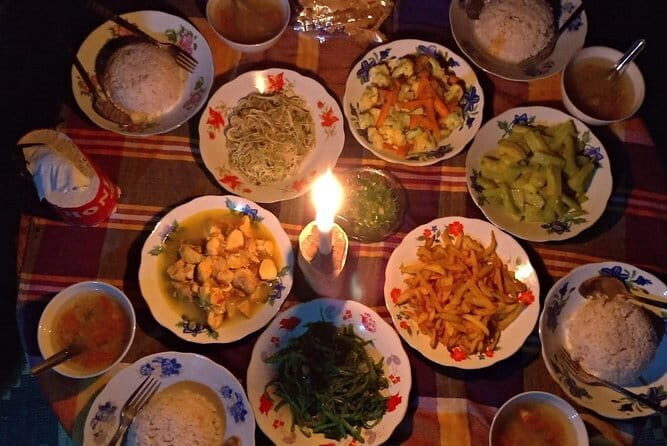
The price is $190 per person for a 3-day, 2-night trek (listed duration is about 3 days 5 hours approx., so expect a long day schedule overall). Meals on the trek are included, and accommodation and trekking guide fees are included too.
Here’s the value logic: food and lodging are often the biggest hidden costs in trekking. If meals and stays are covered, your budgeting becomes easier—you mainly plan for what’s excluded.
What’s not included:
- Transportation by boat: 18 USD
- Big baggage transfer: 3 USD per baggage
- Inle Lake entrance fee: not included
- Drinks: not included
So the real question isn’t only whether $190 sounds like a deal. It’s whether it saves you money and hassle on the essentials. Based on what’s included, you’re paying for a packaged walking experience with guide support and village sleeping, rather than assembling everything separately.
Inle Lake costs you should budget for
This trek ends at the Inle Lake area experience, and the data makes it clear that you’ll face a couple extras once you’re on/near the lake.
Plan for:
- Boat transport at 18 USD (not included)
- Entrance fees in Inle Lake (not included)
- Drinks are extra
The practical benefit of knowing this ahead of time is mental. You won’t get to the lake and suddenly feel like you have to scramble for cash or make last-minute decisions about what you can afford. You can also decide early if you want to limit spending by skipping optional lake charges, or if you’re ready to pay and see more.
One more small note: the tour provider says the activity ends back at the meeting point. That suggests your trek experience is run as a connected program through the team, even though some lake spending may happen along the way.
Starting in Kalaw: meeting point and timing that matter
Your trek starts at Ko Kyaw Kalaw Trekking, No. 144, Quarter 7 Seiktathukha St, Kalaw 06021, Myanmar at 8:30 am.
That early start matters on a trek like this. It gives you daylight for the first walking stretch and helps you avoid the kind of late-day fatigue that can make everything feel harder. If you’re coming from elsewhere in town, aim to be at the meeting point early enough to check in and get your bearings.
The tour is also described as private. That means only your group will participate, which usually helps with pace and communication. You’re not sharing the guiding attention with a large crowd unless your group is large.
The trip is also described as near public transportation and delivered via a mobile ticket. So in a practical sense, you’re not dealing with a complicated paperwork situation if you keep your booking confirmation handy.
What the day-to-day likely feels like on this trek
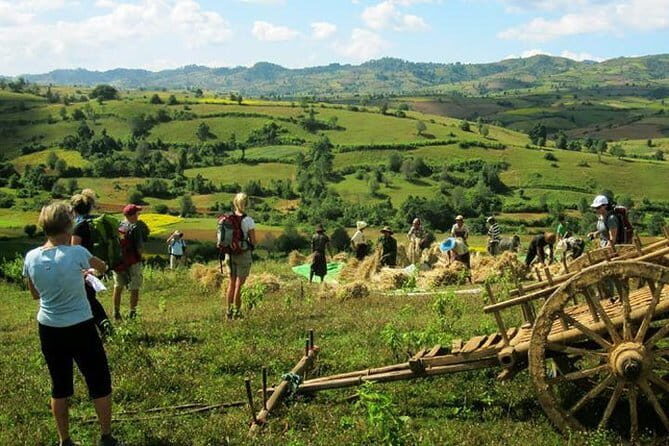
Even without a super detailed schedule, the structure is clear from the concept: you’re trekking over multiple days while learning about the hill tribes and seeing cultivation and village life. Your nights are spent in traditional village homes, which strongly suggests slower evenings built around conversation, rest, and adjusting to village living.
Expect:
- Morning walking with breaks for water and simple stops
- Encounters with villagers and cultural explanations tied to the hill-tribe groups named
- Time spent watching how farming and daily work fit into the landscape
- Evening downtime that’s more local than tourist-structured
The trek also emphasizes that the route is designed to be accessible for different skill levels. That usually means the guides can adjust pacing for your group. Still, the word arduous in the description is a reminder: don’t treat this like a gentle hike.
Who should book this (and who should think twice)
This trek is a strong match if you:
- Want a real off-the-beaten-track experience between Kalaw and Inle
- Care about hill-tribe culture and daily life more than checklists of lake landmarks
- Are comfortable with simpler village accommodations
- Have moderate fitness and can walk for hours with some uphill/downhill
Think twice if you:
- Need hotel-style comfort and predictable amenities
- Can’t handle an arduous route, even if it’s described as accessible
- Only want the classic Inle Lake sightseeing loop and don’t care about the walking-and-people part
Quick packing and mindset tips (so you enjoy it more)
Because village houses are part of the plan, I’d pack with practical readiness rather than luxury expectations. Bring what you need to stay comfortable on hikes—good footwear and layers for mountain air are big wins.
Also, bring patience. This type of trek is as much about meeting people and working with small changes as it is about getting from point A to point B. If you show interest and act respectfully, you’ll likely get more out of every conversation.
Should you book this Kalaw to Inle trek?
I think this is a smart book if your idea of a great Myanmar trip is walking through rarely visited villages, learning about Shan State’s hill tribes, and sleeping in traditional homes with local hospitality.
It’s good value for $190 because meals and trekking accommodation are included, and you’re paying for real guide work. Just go in knowing there are extra costs on the lake side—boat transport at 18 USD, Inle entrance fees (not included), and drinks.
If you want a smooth, low-effort walk with hotel comfort, skip it. If you want an honest, community-focused trek where the scenery comes with people and daily life, book it—especially if you can travel in good weather, since the experience notes weather can affect scheduling.
FAQ
What’s included in the $190 per person price?
The price includes meals during the trek, accommodation during the trek, and trekking guide fees.
What’s not included?
Not included are boat transportation on Inle Lake (18 USD), big baggage transfer (3 USD per baggage), Inle Lake entrance fees, and drinks.
What time does the trek start and where do we meet?
The start time is 8:30 am. The meeting point is Ko Kyaw Kalaw Trekking, No. 144, Quarter 7 Seiktathukha St, Kalaw 06021, Myanmar.
Is this a private tour?
Yes. It’s a private tour/activity, and only your group will participate.
How fit do I need to be?
You should have a moderate physical fitness level. The trek is described as accessible to all skill levels, but the route can still be arduous.
Do I need to pay for boat rides and entrance fees at Inle Lake?
Yes. Boat transportation (18 USD) and Inle Lake entrance fees are not included, so you should budget for them if you want lake activities.
What’s the cancellation policy?
You can cancel for free up to 24 hours in advance for a full refund. If you cancel less than 24 hours before the experience starts, the amount paid is not refunded. The experience also requires good weather, and poor weather can trigger a change of date or a full refund.