REVIEW · NEW DELHI
4 Day Private Golden Triangle Tour : Delhi Agra Jaipur
Book on Viator →Operated by World Travel Experiences · Bookable on Viator
Four days, zero planning, India overload. This private Golden Triangle plan strings together Delhi, Agra, and Jaipur with hotel pickup and drop-off plus a driver doing the hard part. It’s built for first-timers who want the big UNESCO sights and New7Wonders stop without turning your vacation into a spreadsheet.
I especially like the way the tour removes day-to-day stress: a private car throughout, an English-speaking guide in Delhi, Agra, and Jaipur, and clear movement between cities. You’ll also get the Taj Mahal sunrise experience in Agra, plus a battery van ride on-site and hands-on stops like an Agra marble visit. One drawback to plan for: monument entrance fees aren’t included, so you’ll want extra cash or card for tickets, and the pace is naturally tight since you’re covering three major cities in four days.
In This Review
- Quick take: what makes this 4-day plan work
- The Golden Triangle timeline: how they fit Delhi, Agra, and Jaipur
- Day 1 in Delhi: Humayun’s Tomb, Qutub Minar, and New Delhi icons
- Humayun’s Tomb: Mughal architecture with garden geometry
- Qutub Minar: the tower plus the oldest mosque footprint
- Rashtrapati Bhavan and India Gate: New Delhi’s power and memory
- End of Day 1: move to Agra with the driving handled
- Day 2 Agra: sunrise at the Taj Mahal and time for Agra Fort
- Taj Mahal at sunrise: what to watch for besides the obvious
- Agra Fort: a fort that acts like a mini city
- Day 3 Jaipur: Amber Palace, Jal Mahal, Hawa Mahal, City Palace, and Jantar Mantar
- Amber Palace: the Hindu-Muslim blend at hilltop level
- Jal Mahal: a short stop with big photo payoff
- Hawa Mahal: Palace of Wind with 953 windows
- City Palace: the old royal center, not just one building
- Jantar Mantar: practical science built in stone
- Factory visits and market shopping: the part that feels real
- Agra marble factory visit
- Jaipur handmade jewels and stone cutting
- Exclusive shopping tours in local markets
- Comfort and logistics: private car, tickets not included, and your real budget
- Price value: why $120 per person can make sense
- What to watch for
- Who this tour is best for (and who should skip it)
- Should you book this 4-day Delhi–Agra–Jaipur private tour?
Quick take: what makes this 4-day plan work
- Private chauffeur + English-speaking guides across Delhi, Agra, and Jaipur, so you’re not left guessing
- Taj Mahal at sunrise, plus a battery van ride to cut time and hassle inside the complex
- Factory and craft visits (marble in Agra; handmade jewels/stone cutting in Jaipur) for a real look at how things are made
- Jeep safari to Amer Fort area, which helps you tackle the hill approach without exhausting everyone
- Structured sightseeing stops with some shorter photo-friendly breaks (like Jal Mahal and Hawa Mahal)
- 3 breakfasts included, plus packaged drinking water to keep the days moving
The Golden Triangle timeline: how they fit Delhi, Agra, and Jaipur
The big promise here is simple: you get a tight but logical route across India’s three classic cities without doing the planning yourself. The itinerary is built around morning sightseeing, then travel to the next city, then a second block of must-see sights.
That matters because Delhi, Agra, and Jaipur don’t just have famous monuments. Each city has its own “feel,” and the best way to catch that on a first trip is to avoid slow, random stops. You’ll likely spend less time stuck in decision mode (where to eat, what to see next, how to get there) and more time actually looking.
The trade-off is also clear: you’ll want to stay flexible. With major landmarks every day, you won’t be lingering for hours at each corner. If your ideal trip is slow and unstructured, this might feel a bit like you’re checking items off a list. If your goal is “see the classics fast, safely, and with context,” it’s a strong match.
You can also read our reviews of more private tours in New Delhi


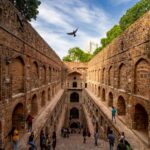
Day 1 in Delhi: Humayun’s Tomb, Qutub Minar, and New Delhi icons
Your day starts with pickup from your hotel, airport, or another chosen spot in Delhi, Noida, or Gurugram. The tour schedule is also listed with a 5:00 am start point at Indira Gandhi Intl Airport, so expect an early morning and a smooth handoff to your guide and driver.
In Delhi, you’ll cover two Mughal-era landmarks with deep influence on what came later:
Humayun’s Tomb: Mughal architecture with garden geometry
Humayun’s Tomb is the first substantial example of Mughal architecture in India, built in 1565. What you should focus on is the layout: the garden design uses the chaharbagh concept, meaning a symmetrical garden with pathways and water channels. The mausoleum sits centrally with a double dome, and the walled enclosure helps you see it as an intentional monument, not just a tomb.
How long it takes on this schedule: about 2 hours. That’s enough time to understand the garden planning and to take in details like the walled enclosure and the presence of Mughal graves inside. Entrance fees aren’t included, so budget for tickets.
Qutub Minar: the tower plus the oldest mosque footprint
Then comes Qutub Minar, a 73 m tower of victory built in the late 1100s after Delhi’s last Hindu kingdom was defeated. It has five storeys with projecting balconies and a tapering form. You’ll notice materials shift by level: red sandstone early on, then marble and sandstone higher up.
At the base is the Quwwat-ul-Islam Mosque, described as the first mosque built in India, and there’s an eye-catching story embedded in an inscription about reusing materials from earlier structures. There’s also a famous iron pillar in the courtyard area, surrounded by a local wish-making legend.
On this itinerary, you’ll have around 1 hour 30 minutes. That’s great for photos and orientation, but don’t count on long sits or slow reading of every sign. Also, entrance fees aren’t included.
Rashtrapati Bhavan and India Gate: New Delhi’s power and memory
You’ll also get time for two iconic New Delhi stops: Rashtrapati Bhavan area (the President’s mansion concept planned by Sir Edwin Lutyens) and India Gate, the big arc-like war memorial. These are shorter, more “look-and-understand” moments compared to the tomb and tower, but they matter because they show the city’s blend of imperial planning and national remembrance.
Why these stops are worth it: they give you a mental map of the city layout. Even if you don’t “feel” Delhi right away, these landmarks help you understand why Delhi is laid out the way it is.
A few more New Delhi tours and experiences worth a look



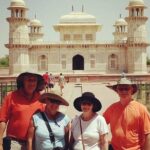

End of Day 1: move to Agra with the driving handled
After Delhi sightseeing, you head to Agra and check into a pre-booked hotel. The logistics are handled for you, which is a big win when road travel hours can add up. The tour includes hotel pickup and drop-off each day, so you’re not playing transport roulette.
Day 2 Agra: sunrise at the Taj Mahal and time for Agra Fort
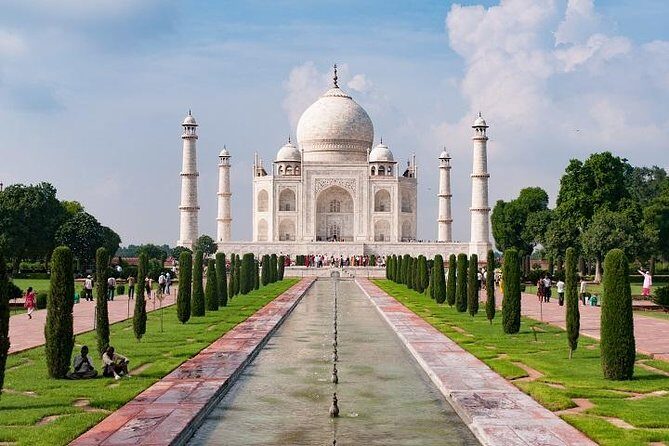
Agra is where the itinerary really earns its name. You’ll start with a sunrise viewing of the Taj Mahal. That timing is key because the light changes fast, and sunrise also helps you beat the heaviest crowds.
Taj Mahal at sunrise: what to watch for besides the obvious
The Taj Mahal is presented here as the Mughal symbol of love, built by Shah Jahan as a memorial for Mumtaz Mahal. You’ll see it as a UNESCO site and one of the most recognizable Mughal architecture examples on the planet.
This plan includes a battery van ride, which can be a practical time-saver inside the complex. The tour also notes Taj Mahal can be closed on Fridays, so if your trip lands on a Friday, you’ll want to confirm the schedule before you commit.
Entrance fees aren’t included, so keep that in mind when you budget. The good news is that your time is built around the monument’s best moment rather than a random mid-day slot.
Agra Fort: a fort that acts like a mini city
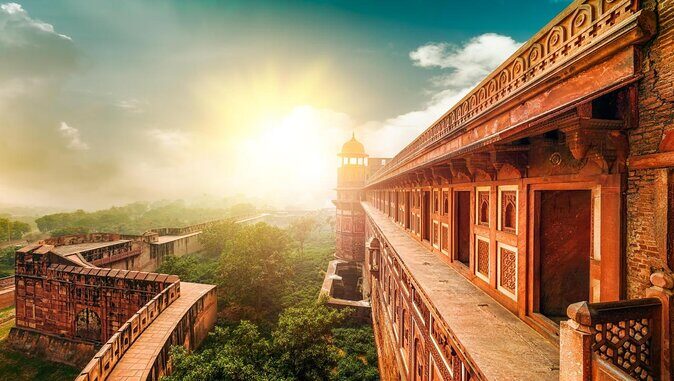
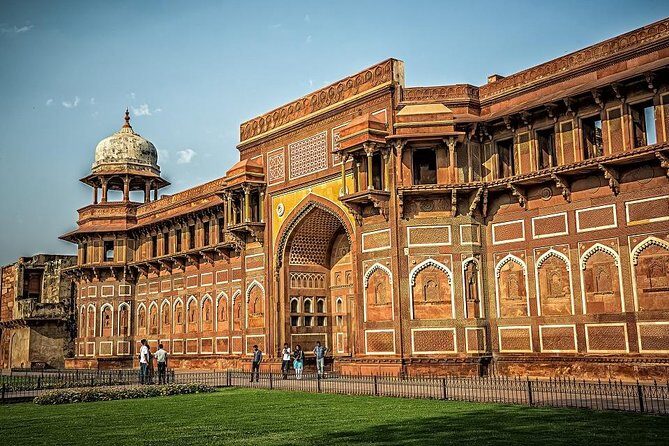
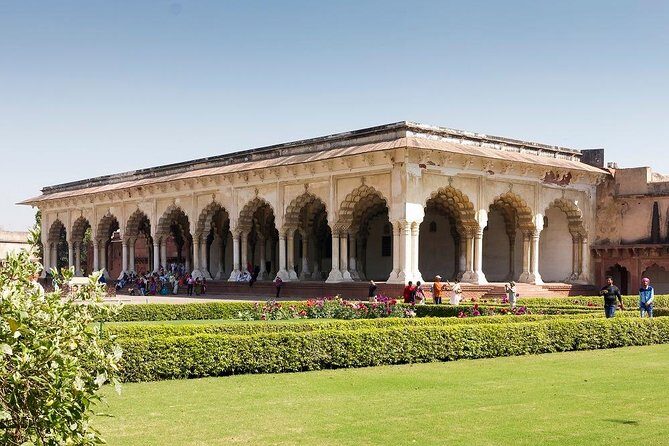
After the Taj, you’ll visit Agra Fort, built by Emperor Akbar on the west bank of the Yamuna. What makes this stop more than just a wall is the internal “city” layout: a maze of buildings inside the fort walls, including key halls like Diwan-i-Aam and Diwan-i-Khas.
You’ll also get pointers on major structures within: Musamman Burj, Khas Mahal, Sheesh Mahal (mirror palace), and Anguri Bagh (Grape Garden). This is one of those sites where a guide really helps. Without context, you might only see stone and gateways. With context, the changes in architecture start to make sense.
Time on this schedule: about 2 hours, with tickets not included. If you’re sensitive to heat, plan your energy. Agra can feel intense, even when you start early.
Day 3 Jaipur: Amber Palace, Jal Mahal, Hawa Mahal, City Palace, and Jantar Mantar
Jaipur is where the itinerary adds variety: forts, palaces, a water palace, and an astronomy observatory. You’ll also get a craft-and-culture style of touring with extra factory visits and market time built in on top of the monuments.
Amber Palace: the Hindu-Muslim blend at hilltop level
You’ll visit Amber Palace, built in the 16th century by Raja Man singh, with construction starting in 1592 and completed by his descendant Jai singh I. The exterior can look rugged, but the interiors are where the story lives: Hindu and Muslim architectural influences combine with painted scenes and decorative elements using mirrors and precious-stone style details.
On this itinerary, there’s also a jeep safari component in Jaipur connected to climbing toward Amer Fort area. That’s useful because the approach up the hill can be tiring, and you’ll get a less exhausting route than walking.
Time: around 2 hours for Amber Palace, entrance fees not included. If you want slower pacing to soak in wall details, ask your guide what to prioritize so you don’t miss the best rooms.
Jal Mahal: a short stop with big photo payoff
Then comes Jal Mahal, the Water Palace sitting in Sagar Lake. It’s described as low-rise and symmetrical, appearing to float. There’s even a note that the palace was once a shooting lodge.
This stop is brief (about 10 minutes) and entrance is marked free. Use this time for photos and a quick reset. Don’t force deep exploration here. You’re meant to move on.
Hawa Mahal: Palace of Wind with 953 windows
Hawa Mahal is next, and it’s famous for a reason: five stories and 953 windows (jharokhas). It was built in 1799 by Maharaja Sawai Pratap Singh. There’s also a small museum within the complex showing items like miniature paintings and ceremonial armor.
The scheduled time is short at about 10 minutes. That’s enough for the classic façade photos and a quick look, but not enough to read everything carefully. If you care about museum details, give your guide a heads-up so you can see the best displays.
City Palace: the old royal center, not just one building
City Palace is a complex of courtyards, gardens, and buildings, and it’s described as the former seat of kings. It sits in the center of Jaipur’s Old City, which means it’s also useful as a navigation anchor: after City Palace, you can understand where the older streets run.
Time: 2 hours, with entrance fees not included. This is one of the better stops for a guided explanation because the value is in the layout and how different parts connect.
Jantar Mantar: practical science built in stone
Finally, you’ll see Jantar Mantar, a UNESCO World Heritage site and an observatory with nineteen astronomical instruments built by Sawai Jai Singh II, completed in 1734. The schedule is about 1 hour, with no entrance fees included.
What’s worth your attention here is that it’s not just “old stuff.” It’s designed for naked-eye observation, including the world’s largest stone sundial. If you like explanations that turn history into something you can visualize, this is a strong stop.
Factory visits and market shopping: the part that feels real
A lot of Golden Triangle tours include a shopping stop. This one adds something more useful: specific craft and production visits plus markets that help you understand what you’re seeing.
Agra marble factory visit
In Agra, you’ll visit a marble factory. The Taj Mahal is made with white marble, and that connection is the point. Even if you’re not planning to buy anything, this kind of stop helps you understand what “marble work” actually means: cutting, shaping, and the time-intensive process behind the look.
The tour also includes time for this as a scheduled inclusion, so it’s not random or tacked on at the last minute.
Jaipur handmade jewels and stone cutting
In Jaipur, you’ll visit a handmade jewels/stone cutting factory. The itinerary clearly frames this as stone cutting and craft work, which fits well with the city’s identity. Jaipur is famous for gemstones and colored stones, and factory visits can turn shopping into something you can actually evaluate.
Just keep your expectations practical: you’re learning how the work is done, not watching magic tricks.
Exclusive shopping tours in local markets
You’ll also do exclusive shopping tours in local markets to get a feel for real Indian art and culture. Since the tour doesn’t promise specific store types, you should treat this as a guided browsing session. Ask your guide what’s worth paying attention to, and compare prices gently. You’re on a time schedule, so don’t wait too long before deciding what you want.
Comfort and logistics: private car, tickets not included, and your real budget
This is a private tour/activity, meaning it’s only your group. That’s a big deal in India because it reduces the chaos of shared planning and “everyone please move together” energy.
Here’s what’s included in the practical sense:
- 3 nights in hotels
- Professional English-speaking guides in Delhi, Agra, and Jaipur
- Private English-speaking chauffeur-driven car throughout
- Battery van ride at Taj Mahal
- Jeep safari in Jaipur for climbing toward Amer fort area
- Marble factory visit in Agra
- Handmade jewels/stone cutting factory visit in Jaipur
- Exclusive shopping tours
- Packaged drinking water
- Breakfast (3)
- Tolls, parking, fuel, and govt taxes
Entrance fees and monument tickets are not included, except some stops noted as free (like Jal Mahal, and the hotel check-in day includes an “admission ticket free” item in the overview that doesn’t specify a monument). So your total cost will be higher than the headline price if you plan to go inside every site.
Price value: why $120 per person can make sense
At $120 per person for an approximately 4-day private setup, the value is mainly in what would otherwise be hard to coordinate yourself: a private car between cities, English-speaking guides for multiple days, hotel nights, and multiple scheduled inclusions like Taj battery van and the Jaipur jeep safari.
You’re still responsible for entrance fees and any optional meals or tips. But if you’ve ever tried to DIY the Golden Triangle with guides and reliable transport, you already know the time cost is real. This price is mostly paying for reduced friction.
What to watch for
- Taj Mahal closure on Fridays: plan around it, or confirm alternatives when booking.
- Early starts: the listed meeting time is 5:00 am at IGI Airport, and Day 1 pickup is in the morning.
- Tight sightseeing blocks: some stops are 10 minutes, which is fine for photos but short for deep reading.
If you bring realistic expectations, the logistics feel like a feature, not a compromise.
Who this tour is best for (and who should skip it)
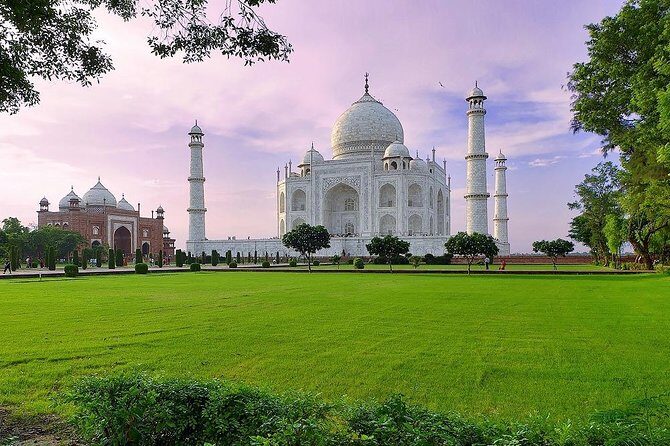
This tour is a strong fit if you:
- Want a first-timer-friendly Golden Triangle intro
- Prefer having someone drive while you focus on landmarks
- Like structured days with a guide explaining what you’re looking at
- Travel with a group that benefits from private pacing
It may be less satisfying if you:
- Want lots of free time per city for wandering and independent detours
- Hate early mornings
- Want every monument at a slow museum pace
If you’re somewhere in the middle, it’s still workable. Just keep your must-do list short, and let the guide guide you.
Should you book this 4-day Delhi–Agra–Jaipur private tour?
If your priority is seeing Delhi, Agra, and Jaipur’s big-name sites without the planning headache, I think this is a smart booking. You’re paying for reliable transport, English-speaking guidance, and time-saving extras like Taj Mahal’s battery van and the jeep approach in Jaipur. That’s the kind of value that matters most on a first Golden Triangle trip.
Book it if you can handle a tight pace and you budget for entrance fees. I’d skip or look for a different option if you’re traveling on a Friday and Taj Mahal timing is your absolute top goal, or if you want a slow, unstructured vacation.
If you’re deciding, ask yourself one question: do you want India organized for you, or do you want to organize it yourself? This tour clearly picks the first option.