REVIEW · JAIPUR
3 Days Private Khajuraho Historical Tour with Breakfast
Book on Viator →Operated by 5 Senses Walks · Bookable on Viator
Khajuraho hits hard—in the best way. This 3-day private tour swaps Delhi’s traffic for 10th-century Hindu and Jain temples, including the famous erotic stone work linked to Kamasutra themes, all with a guide who helps you read what you’re seeing. I especially like the private car and professional guide setup, and I also like that the round-trip flights are included so you don’t burn a full day just getting there.
One possible drawback: the pace is quick. You’ll typically have only about 20–30 minutes per temple, and breakfast is included but lunch and dinner are not, so you’ll want to budget for meals and water.
In This Review
- Key things I’d plan around
- The big idea: a tight guided temple circuit in Khajuraho
- Day 1: flight to Khajuraho and a low-stress hotel landing
- Day 2 temple hopping: Javari to Kandariya Mahadev in a clean sequence
- Javari Temple: UNESCO-listed stone craftsmanship
- Chausath Yogini Temple: 64 shrines and Shiva at the center
- Kandariya Mahadev: the star of the 11th-century cluster
- Lakshmana Temple and Varaha Temple: character, sculpture, and symmetry
- Day 3 Jain and Shiva at the river edge: Dulhadev, Parshwanath Digambar, Jagdamba
- Dulhadev Temple: Shiva pictured as a bridegroom
- Bhagawan Parshwanath Digambar Jain Mandir: motifs and musical goddesses
- Devi Jagdamba Temple: a pyramidal roof and imaginative beasts
- The end of the tour: 3 pm drop and evening flight home
- Kamasutra-style erotic carvings: how to see them without getting stuck
- Value check: what you’re paying for and where you might spend extra
- Timing and pace: how long you’ll actually be at each temple
- Photo tip that actually helps
- Who should book this tour (and who should rethink it)
- Weather notes: why they matter for temple days
- Should you book this 3-Day Private Khajuraho Tour with Breakfast?
- FAQ
- What time does the tour start, and what’s the Day 1 travel plan?
- What’s included in the price?
- Are temple admission tickets included?
- Is this a private tour or a shared group?
- What food is included?
- What happens if weather is poor?
Key things I’d plan around
- Direct Delhi–Khajuraho flights to protect your time for temples instead of long road transfers
- UNESCO-site temple stops like Javari, with admission tickets built into the visits
- A guided stop-by-stop “meaning map” so the carvings feel less random and more intentional
- A true mix of faiths across Hindu and Jain sites in just 3 days
- Tight timing with short visits (great for seeing a lot, less great if you want long, slow wandering)
- Meals not included beyond breakfast so you’ll want a simple plan for lunch and dinner
The big idea: a tight guided temple circuit in Khajuraho
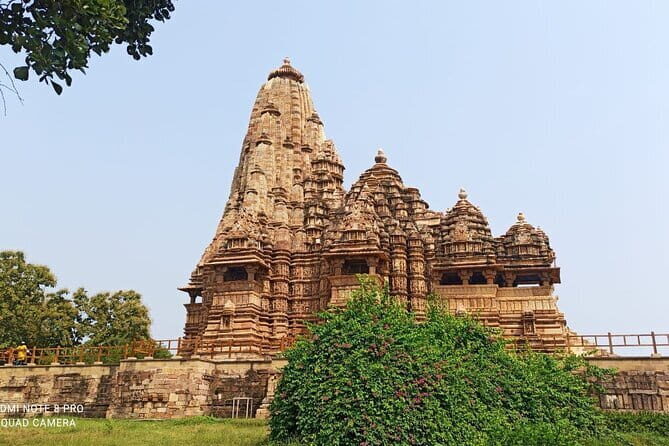
Khajuraho rewards attention. It’s not just that the temples are old; it’s that the building details are doing a job—tracking gods, legends, seasons, and human life in stone. On this tour, you get a focused loop through major sites, and the guide helps you connect the “wow” factor (especially the famous sensual stone panels) to what the temple art is actually trying to communicate.
The value is in the structure. Rather than renting a car yourself or trying to stitch together temple tickets and local drivers, you’re handled end-to-end: flights, hotel nights, a private car, and a professional guide. That matters in a place where temple hopping can be simple on paper but stressful in real life—timing, heat, uneven walking, and ticket lines add up quickly.
You can also read our reviews of more private tours in Jaipur

Day 1: flight to Khajuraho and a low-stress hotel landing
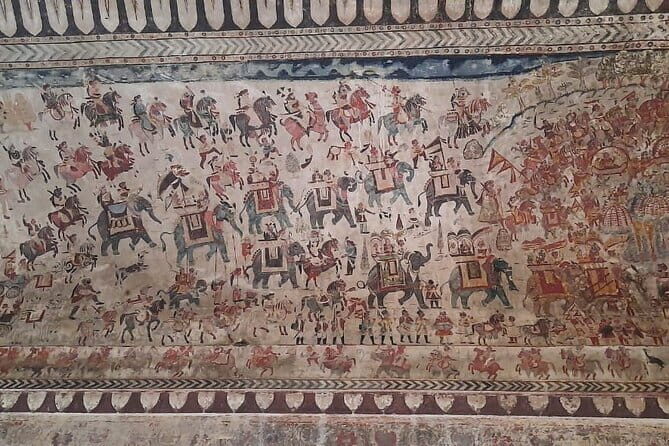
This tour starts at 3:30 pm with departure by flight from Delhi. You’ll land in Khajuraho around 4:50 pm, then check in and settle for the night. That’s a smart design if you’re flying in from Delhi or trying to keep your trip calm. You’re not arriving at dawn, and you’re not scrambling to fit temples into the same day as travel.
Practically, what you should do on Day 1 is simple:
- Use the arrival evening to rest, shower, and get your bearings
- Ask the guide (or your local driver) what time to start early the next morning
- Keep expectations realistic: this is a handoff day, not a marathon day
Even with an easy landing, Khajuraho still feels like a switch from city pace. You’re trading honking streets for a temple-focused rhythm. If you’re the type who likes to wake up and go straight to sights, the schedule sets you up well.
Day 2 temple hopping: Javari to Kandariya Mahadev in a clean sequence
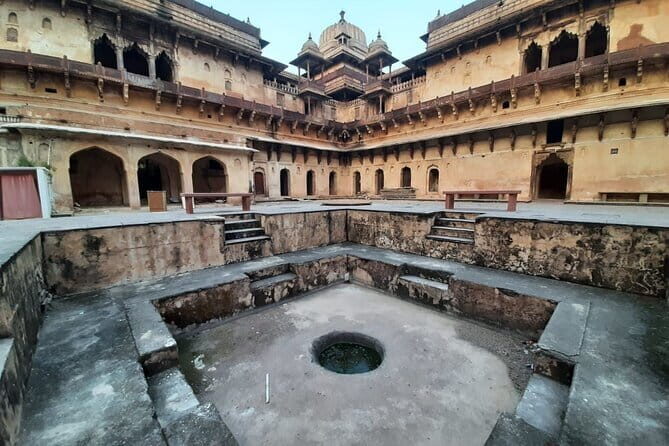
Day 2 is the heart of the Hindu temple experience. After breakfast, you head out for multiple major stops, each giving you a different architectural “lesson.” The tour also keeps you moving in a way that feels efficient without turning into a blur.
Javari Temple: UNESCO-listed stone craftsmanship
Javari Temple is a UNESCO World Heritage Site, and the big draw is how the artistry shows up both outside and inside. It sits on a high pedestal, so even before you get close, you get that “this was built to be seen” feeling. The stop is about 30 minutes, which is enough time to look at key carvings without rushing your way through everything.
If you want to enjoy Javari, don’t just scan. Look for:
- how the exterior ornament leads your eye inward
- the difference between simple shapes and more worked surfaces
It’s the kind of temple where good explanation makes your photos better later, because you start recognizing patterns instead of just recording details.
Chausath Yogini Temple: 64 shrines and Shiva at the center
Next is Chausath Yogini Temple. The clue is in the name: there are 64 shrines dedicated to one yogini each, with the central shrine being the largest. This stop is about 30 minutes, and it’s especially rewarding if you like spiritual themes that are expressed through architecture rather than text.
Here, the guide’s job is valuable because the place can feel like a “counting challenge” at first. Once you understand that each shrine has its own posture and carving style, you start seeing consistency and variation at the same time. It’s built mostly of granite, which gives the sculptures a solid, weighty look—like the stone is holding its breath after a thousand years.
You can also read our reviews of more historical tours in Jaipur
Kandariya Mahadev: the star of the 11th-century cluster
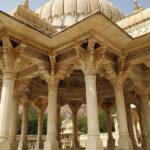
Kandariya Mahadev is often the temple people remember, and this tour gives it the right amount of time—about 30 minutes. It was designed and built by Chandela King Vidyadhara in the early 11th century. It also has a dramatic historical context tied to invasions and destruction in the region, which helps explain why preservation and reconstruction matter here.
Key things to pay attention to:
- the eye-catching Makara Torana at the entrance
- the interior hallways, which feel like you’re moving through carved storytelling
- the main hall and the linga dedication to Lord Shiva
If you’re trying to make sense of why Khajuraho looks so “busy,” this temple helps. The art doesn’t sit quietly. It actively fills space and keeps attention on spiritual symbolism.
Lakshmana Temple and Varaha Temple: character, sculpture, and symmetry
After Kandariya, you move to Lakshmana Temple (about 20 minutes) and then Varaha Temple (about 20 minutes).
Lakshmana is tied to the Chandela ruler King Yashovarman in the 10th century. The main idol represents Lord Vaikuntha, and the sculpture details are the point: a multi-headed and multi-armed form, plus accompanying avatars like Narasimha and Varaha. There are also figures of women and couples, which helps connect the spiritual and human themes that Khajuraho is famous for.
Varaha Temple focuses on an incarnation of Vishnu with a boar head on a human body and four arms. The carving details include Goddess Saraswati playing her veena, which gives the temple a more artistic and musical feel than you might expect from something so “mythology heavy.”
The best way to handle these two stops is to go in with a flexible mindset. Think of them as “two extra angles” on the same big story: gods, forms, and the sculptor’s craft.
Day 3 Jain and Shiva at the river edge: Dulhadev, Parshwanath Digambar, Jagdamba
Day 3 shifts tone. You’ll still be moving through major stone work, but now the mix includes Jain worship and more variety in the types of figures and motifs you’ll see.
Dulhadev Temple: Shiva pictured as a bridegroom
Dulhadev Temple takes you into a distinctive depiction of Lord Shiva as a bridegroom, which is why the name connects to a “dulha” idea and becomes dhuladeo here. This is described as the last temple built in the group, and it sits on the banks of the Khodar River.
The shape is also unusual: it’s said to resemble a chariot driven by seven horses. Even if you’re not an architecture nerd, the chariot theme helps you “see” the building as action rather than just a static structure. The stop is 30 minutes, which is a comfortable length for walking around and picking out key carvings.
Bhagawan Parshwanath Digambar Jain Mandir: motifs and musical goddesses
The Jain stop is Bhagawan Parshwanath Digambar Jain Mandir, built by Chandela ruler Dhanga in the early 10th century. Motifs on the walls include male and female figures, Gemini, trees, flowers, and references like Ganga and Yamuna.
Inside, there are multiple idols of female goddesses associated with music and instruments. The list includes gandarva, manjeera, shankha, mridanga, and vadya. For me, this kind of detail is why a guided stop matters. Without context, Jain temple art can look like “decor.” With context, you recognize it as devotional symbolism arranged for meaning.
This stop is 30 minutes, so you can take your time with the wall motifs and not feel like you’re sprinting.
Devi Jagdamba Temple: a pyramidal roof and imaginative beasts
Devi Jagdamba Temple brings you back to Parvati themes, with a gorgeous statue and an intricately designed pyramidal roof. The temple also includes imaginative creatures—mythical shardulas described as combinations like a body of a lion with a parrot head, plus other animal blends.
This is another 30-minute stop. I recommend you treat it like a “story temple.” Ask yourself what each creature might symbolize in the overall message of the building—then let the guide fill in what you can’t guess.
The end of the tour: 3 pm drop and evening flight home
Day 3 wraps with a 3:00 pm drop to the airport, then departure around 5:10 pm and arrival in Delhi around 6:25 pm. This timing is helpful if you have onward plans in Delhi that evening. It also reinforces that the trip is designed to be compact and efficient.
Kamasutra-style erotic carvings: how to see them without getting stuck
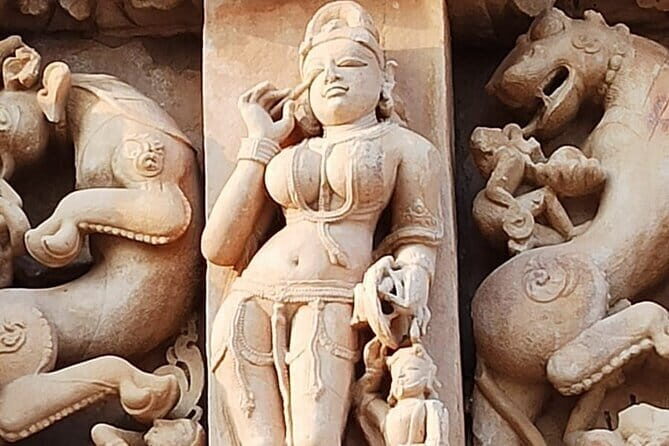
Khajuraho is famous for erotic sculptures, and the tour leans into that theme by taking you through multiple temples where those carvings appear as part of the stone program. The key is to approach them like art history, not like shock value.
Here’s the practical way to think about it:
- These figures are carved into temple space, so they’re connected to broader ideas about life, fertility, devotion, and human experience.
- The best way to enjoy them is to pair a “look” with a “why.” A good guide will help you understand what the carvings likely represent in the temple context.
- Don’t let one panel dominate your whole attention. Your enjoyment rises when you can step back and see the full balance of decorative work.
The bonus of having a structured tour is that you won’t just stumble onto a single erotic scene and then scramble to find the next thing. You move temple-to-temple, so the sensual stonework becomes one part of a bigger visual system.
If you’re sensitive to explicit imagery, know that these carvings are part of Khajuraho’s identity. This tour won’t hide that fact, but with a guide you can control how long you linger and when you shift focus to architecture and symbolism.
Value check: what you’re paying for and where you might spend extra
At $435 per person, the price isn’t cheap on its face. But in practice, a big chunk of the cost goes into things that are hard to organize smoothly on your own: economy flights (Delhi to Khajuraho and return), 2 nights hotel in Khajuraho, a private car, and a professional guide. Admission tickets for the temple stops are also included.
Where you’ll likely spend extra is straightforward:
- Food and beverages are not included beyond breakfast
- You may want snacks, water, and maybe a few paid guides or souvenirs at specific spots (not listed as included)
So the real value question is: do you want a stress-free, guided run with flights handled? If yes, this can be good value. If you’re comfortable building your own route, booking flights, and arranging drivers, you might find cheaper options—but you’ll spend more time managing logistics.
Timing and pace: how long you’ll actually be at each temple
A good thing about this tour is that the temple stops have defined time windows. You’ll usually see about 20–30 minutes per major site. That’s enough time to:
- take in the main carvings
- notice a few architectural details
- follow your guide’s explanation
- move on before fatigue stacks up
If you want the “museum pace,” this isn’t that kind of itinerary. But for a first visit to Khajuraho, it’s a strong format. You’ll cover multiple UNESCO-relevant sites without turning your day into a long crawl.
Photo tip that actually helps
For temples, the best photos often come from recognizing angles and repetition. When you move in a sequence like this, you start to see how towers, entrances, and sculpted motifs work as a system. That makes your photos feel like you collected “chapters,” not just random pictures.
Who should book this tour (and who should rethink it)
This tour fits best if you:
- want a private guided experience rather than a bus tour
- have limited time and want to travel efficiently between Delhi and Khajuraho
- care about understanding architecture and symbolism, not just taking pictures
- prefer that flights, hotel, and temple admissions are handled for you
It might be less ideal if you:
- want long stays in fewer temples
- expect lunch and dinner to be included
- dislike tight schedules or short stop times
One note that matters for comfort: this experience is described as suitable for most travelers, but you’ll still be walking through temple areas and moving between sites. Wear comfortable shoes and keep water handy.
Weather notes: why they matter for temple days
This tour requires good weather. If conditions are poor, you’ll be offered a different date or a full refund. That’s a fair policy for temple touring, since visibility and ground conditions can change fast.
If you’re booking for a specific trip window, treat Khajuraho like a “plan around the forecast” destination. When weather cooperates, the temples feel more enjoyable and less exhausting.
Should you book this 3-Day Private Khajuraho Tour with Breakfast?
If your goal is a well-paced, guided introduction to Khajuraho’s most important temples—with flights and hotel handled and temple tickets included—this is a solid choice. The standout strengths are the temple-by-temple guidance and the efficient use of time through included transportation. The big tradeoff is the short time at each stop and the fact that only breakfast is included, so you’ll want to budget for meals.
My practical recommendation: book it if you want structure, explanations, and a strong first pass at both Hindu and Jain temples. If you’d rather wander for hours or you’re traveling with very strict meal needs or long rest requirements, you might prefer a looser itinerary.
If you want, tell me your travel month and your comfort with walking. I can suggest how to plan your day so you enjoy the carvings without feeling rushed.
FAQ
What time does the tour start, and what’s the Day 1 travel plan?
The tour starts at 3:30 pm with departure by flight from Delhi. You arrive in Khajuraho around 4:50 pm, then check in to your hotel for the night.
What’s included in the price?
The tour includes breakfast, 2 nights in a hotel in Khajuraho, a private car, a professional guide, and economy flight tickets from Delhi to Khajuraho and return.
Are temple admission tickets included?
Yes. Admission tickets are included for the listed temple stops (for example Javari Temple, Chausath Yogini Temple, Kandariya Mahadev Temple, and the other sites on the itinerary).
Is this a private tour or a shared group?
This is a private tour/activity. Only your group will participate, and pickup is offered.
What food is included?
Breakfast is included. Food and beverages beyond that are not included.
What happens if weather is poor?
The experience requires good weather. If it’s canceled due to poor weather, you’ll be offered a different date or a full refund.