REVIEW · NEW DELHI
3 Days Private Golden Triangle Tour From Delhi
Book on Viator →Operated by Aalin Tours · Bookable on Viator
If you have limited time in India, this route makes sense fast. In three days, you link Delhi’s Mughal icons to Agra’s Taj Mahal and then to Jaipur’s royal architecture, with a private guide and door-to-door car service.
What I like most is how practical the pacing feels for a Golden Triangle sprint, and how much your guide’s storytelling actually helps you see the details instead of just snapping photos. One thing to keep in mind: entrance fees aren’t included, and there are fixed closure days for two major sights.
In This Review
- Key Highlights You’ll Care About
- Golden Triangle in 3 Days: What You’re Really Buying
- Day 1 in New Delhi: Old Delhi Lanes, Mosque Courtyards, and Mughal Legacies
- Jama Masjid: Scale, symmetry, and a huge courtyard
- Chandni Chowk: The lane experience, on purpose
- Humayun’s Tomb: The garden tomb concept that echoed later
- Qutub Minar: A 73-meter marker of time
- Lotus Temple and India Gate: Calm contrast in the middle of the city
- Rashtrapati Bhavan: The grand official residence pause
- End of Day 1: Drive to Agra
- Day 2: Taj Mahal Early Start, Agra Fort, and Fatehpur Sikri on the Way
- Taj Mahal: Why the early morning visit matters
- Agra Fort: Red sandstone power, with Taj views
- Fatehpur Sikri: A UNESCO detour that breaks the drive
- Day 3 in Jaipur: Fort Views, Hawa Mahal Windows, and Palace Rooms
- Jaigarh Fort: Cannon history and big viewpoints
- Hawa Mahal: 953 windows and the idea of privacy
- City Palace: Rajasthani and Mughal fusion in one complex
- Jal Mahal: The Water Palace for photos, then move on
- End of tour: Jaipur back to Delhi
- Transportation, Tickets, and Timing: The Stuff That Makes or Breaks a Short Trip
- Entrance fees: Plan extra
- Fixed closures: Know this before you pick your dates
- Hotel timing basics
- Group size and comfort
- Who This Tour Fits Best (and Who Might Want Something Different)
- Should You Book This 3-Day Private Golden Triangle Tour?
- FAQ
- How do pickups and drop-offs work?
- Is this tour private or shared?
- What’s included in the tour price?
- Are entrance fees included?
- What time is the Taj Mahal visit scheduled?
- Are there any day-of-week closures I should know?
- What hotel timing should I plan around?
- Can I cancel for a full refund?
Key Highlights You’ll Care About
- Private A/C car, real pickups and drops: you meet your guide and move quickly between cities.
- Old Delhi tuk-tuk time: a fun, efficient way to experience the lanes without burning the whole day.
- Taj Mahal sunrise-style departure (05:30 AM): early start helps you beat the worst crowds and heat.
- UNESCO sites in both cities and suburbs: Delhi’s Qutub Minar and Humayun’s Tomb style of stops plus Agra and Fatehpur Sikri.
- Guides by name and function: Iqrar, Jimmy, Mohsin, and Gourav show up as strong examples of how guides can turn stops into stories.
- Admission fees are separate: plan extra money for tickets like Taj Mahal, Agra Fort, and Jaipur’s palace sites.
Golden Triangle in 3 Days: What You’re Really Buying
For the price point, you’re mainly buying three things: time savings, guided interpretation, and the comfort of a private A/C car across long drives. At $160 per person for this 3-day setup, the value comes from not having to stitch together transport, guides, and city-to-city logistics on your own.
This is a private tour, so it’s just your group, not a shared bus with strangers. That matters on a short trip, because you can follow the flow of your guide’s plan without waiting around for other people’s pace.
The experience also signals what kind of traveler it’s best for: people who want the headline sights (Taj Mahal, the major forts and palaces) but still want an explanation beyond what you can read on signs. Your itinerary mixes big monuments with street-level moments, so you get variety rather than a single-theme day.
You can also read our reviews of more private tours in New Delhi



Day 1 in New Delhi: Old Delhi Lanes, Mosque Courtyards, and Mughal Legacies

Delhi is a fast-learning city if you have a guide, and this day is built to help you get your bearings quickly. Pickup can happen at the airport or your hotel, then you meet your guide and start with classic Old Delhi and central landmarks.
Jama Masjid: Scale, symmetry, and a huge courtyard
Jama Masjid (built by Shah Jahan in 1656) is one of Delhi’s biggest mosques, and it’s listed for a short stop. Even if you don’t go deep into religious details, the sheer layout and red sandstone design make it an instant visual anchor for Mughal-era Delhi.
Chandni Chowk: The lane experience, on purpose
Next comes Chandni Chowk, one of Delhi’s older, more active markets areas. This is where you should expect tight streets, real street life, and lots of sensory input—exactly the kind of place where a short guided walk helps you understand what you’re seeing.
A highlight here is the included tuk-tuk ride in Old Delhi. That’s a practical win: you get movement through areas that can be slow or confusing on foot, but you still experience the streets up close.
Humayun’s Tomb: The garden tomb concept that echoed later
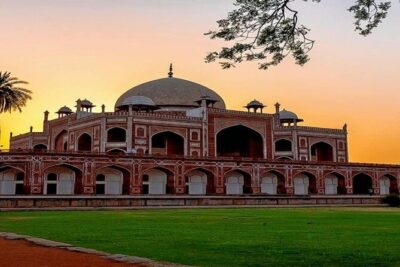
Humayun’s Tomb is UNESCO-listed and is known as India’s first garden tomb. If you’re curious why the Taj Mahal design feels so intentional, this stop sets you up well, since it’s described as inspiring later Mughal architecture.
This stop is marked with an admission ticket not included, so plan ticket budget accordingly. The time is short, but it’s enough to notice the garden layout and the key architectural lines.
A few more New Delhi tours and experiences worth a look





Qutub Minar: A 73-meter marker of time
Qutub Minar is another UNESCO site, and at about 73 meters tall, it’s hard to miss. The stop includes a view of its Indo-Islamic design and intricate carvings, which you’ll appreciate more if you have a guide pointing out the patterns and why the style matters.
Lotus Temple and India Gate: Calm contrast in the middle of the city
The Lotus Temple is a Bahá’í House of Worship shaped like a lotus, and it’s open to all faiths. It’s also listed as a free admission stop and is scheduled as a shorter visit, which helps if you’re trying to manage fatigue after the Old Delhi leg.
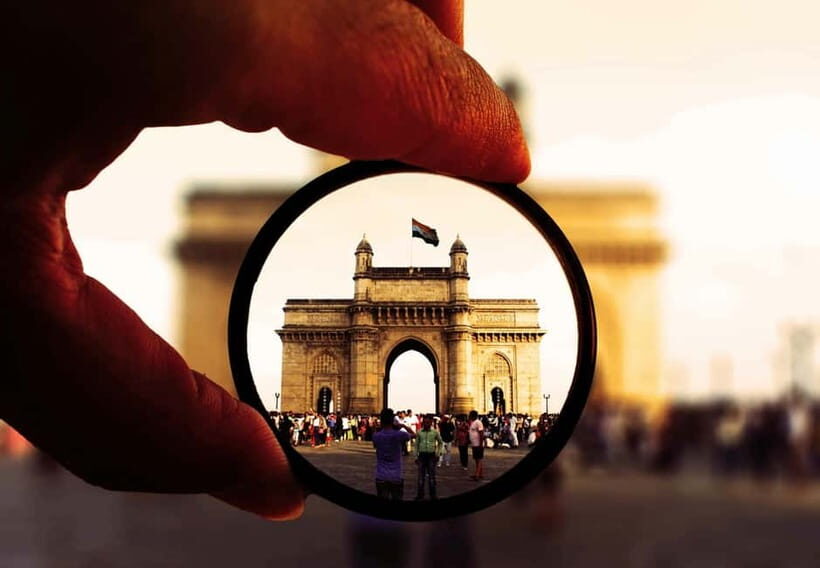
Then you’ll hit India Gate, the World War I memorial in New Delhi. It’s a quick stop, but it adds an important non-palace perspective to the day—war memorials have a different emotional rhythm than monuments built for dynasties.
Rashtrapati Bhavan: The grand official residence pause
There’s also a stop for Rashtrapati Bhavan, India’s official president’s residence, originally built during British rule as the Viceroy’s House. You’ll mainly get the architectural overview here, not a deep inside visit (since no time or ticket details are provided), but it’s useful context for how Delhi’s power centers have changed.
End of Day 1: Drive to Agra
After Delhi, the driver takes you to Agra and drops you at your hotel. Your specific hotel depends on the option you selected, but the overall structure is clear: you sleep in Agra so Day 2 can start early.
Day 2: Taj Mahal Early Start, Agra Fort, and Fatehpur Sikri on the Way
Day 2 is built around the biggest name on the Golden Triangle: the Taj Mahal. The pickup from your hotel at 05:30 AM and then meeting the guide is your first clue that this tour respects daylight and timing.
Taj Mahal: Why the early morning visit matters
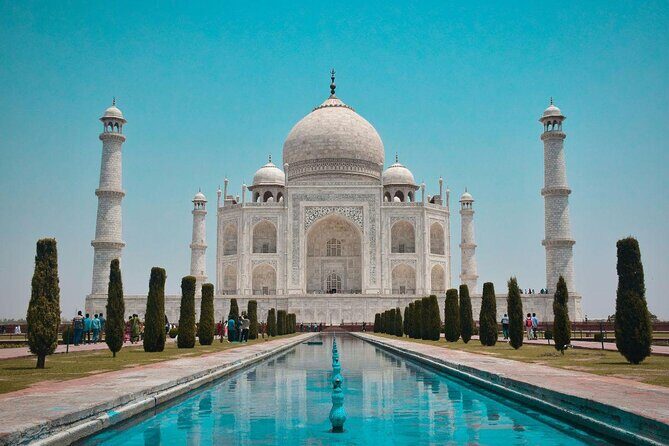
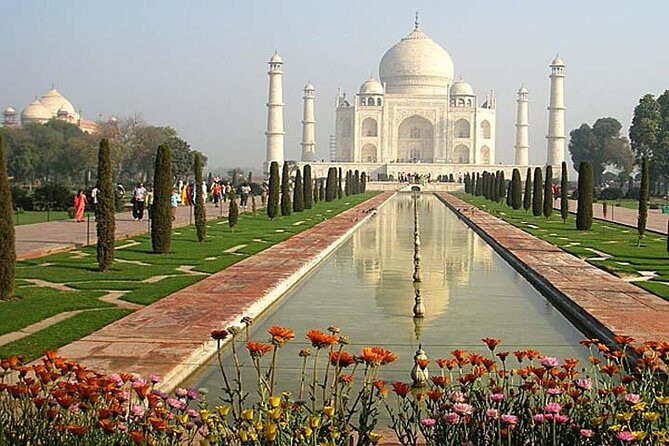
The Taj Mahal stop is planned for about two hours, and tickets aren’t included. Beyond the iconic white marble look, the early start helps you deal with heat and crowds—both can ruin the experience faster than you’d expect if you’re waiting in the wrong sunlight.
If you care about understanding what you’re looking at, you’re in good hands. Guides like Iqrar are specifically mentioned for explaining the stories behind the Taj Mahal, which is exactly what turns it from a landmark to a narrative you can follow as you walk.
Agra Fort: Red sandstone power, with Taj views
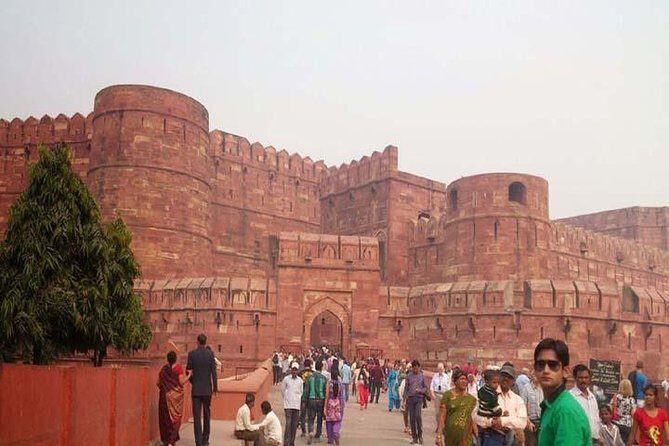
After the Taj, you go to Agra Fort, UNESCO-listed and scheduled for about 1.5 hours. This is a different kind of monument than the Taj Mahal: think fortress, palaces, and Mughal-era structures built for rule and control.
One of the best practical details here is that the fort has views toward the distant Taj Mahal. Even if you already saw the Taj up close, those sightlines give you a stronger sense of where everything sits in the larger city layout.
Fatehpur Sikri: A UNESCO detour that breaks the drive
On the way to Jaipur, there’s a stop at Fatehpur Sikri, UNESCO-listed and associated with Emperor Akbar in the 16th century. It’s described as a once-Mughal capital with grand courtyards and a remarkable Jama Masjid.
This stop is marked as free admission, which helps your budget. It’s also a nice change of scenery: red sandstone city energy without the same pressure you feel at the Taj entrance queues.
Day 3 in Jaipur: Fort Views, Hawa Mahal Windows, and Palace Rooms
Jaipur on Day 3 is where the tour shifts from monuments to royal design. The day starts with a hotel pickup and a guide meeting, then you head to a set of stops that each highlight a different facet of Jaipur’s story.
Jaigarh Fort: Cannon history and big viewpoints
Jaigarh Fort is scheduled for about two hours and is known for views over Jaipur. It also houses the world’s largest cannon, named Jaivana. That detail matters because it signals the fort wasn’t only about beauty—it was built for military power and planning.
Tickets aren’t included here, so again, budget for entrances. The fort time length is a clue that you’ll have more than a quick glance; you should expect time to look outward at the city as well as around the fort structures.
Hawa Mahal: 953 windows and the idea of privacy
Hawa Mahal (Palace of Wind) is one of Jaipur’s most recognizable facades. The stop is short—around 30 minutes—but the experience is about noticing the honeycomb-like design and understanding why it has 953 windows.
Your guide can make this more than a photo stop by explaining the original purpose: it helped royal women observe street life while staying unseen. That kind of context is what makes the building feel like a living part of the city instead of just a backdrop.
City Palace: Rajasthani and Mughal fusion in one complex
City Palace takes around an hour, with tickets not included. It’s described as blending Rajasthani and Mughal architecture, and it includes courtyards, gardens, and named rooms like Mubarak Mahal and Chandra Mahal.
If you enjoy architecture, this is where you should slow down. A guided hour lets you understand how different styles share space and how palatial life was organized inside the complex.
Jal Mahal: The Water Palace for photos, then move on
Jal Mahal (Water Palace) is scheduled as a brief stop (about 15 minutes) and is marked as free admission. It’s known for appearing to float on Man Sagar Lake, and it’s a practical final photo moment before the drive back.
End of tour: Jaipur back to Delhi
After Jaipur, the driver takes you from Jaipur to Delhi and drops you off. This is a short-and-sweet way to finish, but it also means you’ll want to be ready for a travel stretch after your sightseeing.
Transportation, Tickets, and Timing: The Stuff That Makes or Breaks a Short Trip
This tour includes a private air-conditioned car and hotel pickup and drop-off. That’s not just comfort—it’s also how you fit a lot into three days without burning daylight in transit planning.
You’ll also get a private live guide in all cities, which is a big deal for a route like this. Monuments can blur together on a tight schedule, but a guide who ties the designs to the people and eras keeps each stop distinct.
Entrance fees: Plan extra
Entrance fees are listed as not included (approx.) and tips aren’t included either. Major stops like Taj Mahal, Agra Fort, Humayun’s Tomb, Qutub Minar, Hawa Mahal, Jaigarh Fort, and City Palace all fall into the not-included category, while some other points are free.
If you’re budgeting, don’t wait until the day of. Add a ticket buffer so you don’t feel rushed when you reach the entrances.
Fixed closures: Know this before you pick your dates
Two closure rules matter a lot for planning:
- The Lotus Temple is closed every Monday.
- The Taj Mahal is closed every Friday.
If your dates hit those days, you might need adjustments in the order or the actual on-site experience. The tour data flags these closures, so it’s worth checking before you commit.
Hotel timing basics
Standard hotel check-in time is 3:00 PM and check-out is 12:00 PM. That matters if your arrival is early or your departure day is tight, because it affects when you can fully relax after you arrive in Agra or Delhi.
Group size and comfort
This is a private tour, so only your group participates. That generally means fewer stress points: your guide can respond to your pace, and the driver isn’t managing multiple schedules at once.
Who This Tour Fits Best (and Who Might Want Something Different)

This is best for you if:
- you’re short on time and want the Golden Triangle highlights
- you like a guide explaining the meaning behind major sights
- you prefer private comfort over public transport or group tours
It may be less ideal if:
- you want lots of slow, wandering time in markets or museums without structured stops
- you’re traveling on a very strict budget where extra entrance fees are hard to absorb
- your travel dates line up with Taj Mahal Friday closure or Lotus Temple Monday closure
Still, for most first-timers to India who want a focused introduction, the format works: you get iconic sites in each city and enough variety to keep the days from feeling identical.
Should You Book This 3-Day Private Golden Triangle Tour?
If you want a clean, efficient Golden Triangle sampler with private transport and guides, I think this is a strong pick. The best part is how the tour mixes major landmarks with at least one genuine street-level moment in Old Delhi, plus an early Taj Mahal departure that respects your time.
Before you book, do two quick checks: confirm your dates avoid the fixed closure days, and set aside money for entrance tickets since they aren’t included. If that fits your plan, this tour offers a solid shortcut to seeing the big names without losing your whole trip to logistics.
FAQ
How do pickups and drop-offs work?
Pickup is offered from your airport or hotel in Delhi, and you’ll also get hotel pickup and drop-off for the city portions. At the end, the driver takes you from Jaipur back to Delhi and drops you off.
Is this tour private or shared?
This is a private tour/activity. Only your group will participate.
What’s included in the tour price?
Included items are private air-conditioned transportation, private live tour guide in all cities, hotel pickup and drop-off, tuk-tuk ride in Old Delhi, all tolls and taxes, and breakfast for 2 days if you select the 2-night stay option. You’ll also receive a mobile ticket.
Are entrance fees included?
No. Entrance fees are not included (approx. amounts). Tips and gratuities are also not included.
What time is the Taj Mahal visit scheduled?
Your driver picks you up from the hotel at 05:30 AM so you can begin the Taj Mahal visit early.
Are there any day-of-week closures I should know?
Yes. The Lotus Temple is closed every Monday, and the Taj Mahal is closed every Friday.
What hotel timing should I plan around?
Standard hotel check-in time is 3:00 PM, and check-out time is 12:00 PM.
Can I cancel for a full refund?
You can cancel for free, up to 24 hours in advance of the experience for a full refund. If you cancel less than 24 hours before, the amount paid is not refunded.