REVIEW · NEW DELHI
2 Day Agra tour with Cultural show
Book on Viator →Operated by Padma Holidays · Bookable on Viator
Agra feels like walking through layers of empires. This 2-day trip pairs the big hitters—Taj Mahal and Fatehpur Sikri—with a guide who connects the dots between Hindu, Islamic, and Persian influences, plus evenings that turn Mughal culture into a story you can actually picture.
I particularly like the way the schedule mixes classic monuments with practical pacing: you get hotel time in Agra, meals are handled, and the Delhi-to-Agra drive is supported by pickup and air-conditioned transport. I also love the extras that add texture beyond photos, like the marble craftsmanship and hand-knotted carpet weaving demonstrations, plus the light-and-sound cultural show.
One thing to consider: you’ll be moving across multiple major sites in a short window, and you’ll start early on Day 2 for sunrise views—great for the experience, but it means long days and tight photo schedules.
In This Review
- Quick hits before you go
- Two days in Agra for $198: what that price really covers
- Day 1: Taj Mahal, Agra Fort energy, and a night of Mughal storytelling
- Day 1 cultural extras: the demos that make the Taj feel real
- Day 2: sunrise Taj, Baby Taj, then Fatehpur Sikri before you head back
- Fatehpur Sikri: the big UNESCO day with the right must-sees
- The guide factor: when Subhash turns facts into momentum
- Timing and logistics: what to expect on the ground
- What’s included (and what isn’t): the practical checklist
- Cultural show: why it helps more than you might think
- Should you book this Agra 2-day tour with cultural show?
- FAQ
- FAQ
- How long is the Agra 2-day tour?
- Do I get pickup and drop-off in Delhi?
- Is the hotel included?
- What monuments do we visit?
- Are tickets included for entrances?
- Is lunch included?
- What cultural activities are part of the tour?
- Is alcohol included?
- Can I cancel and get a full refund?
Quick hits before you go
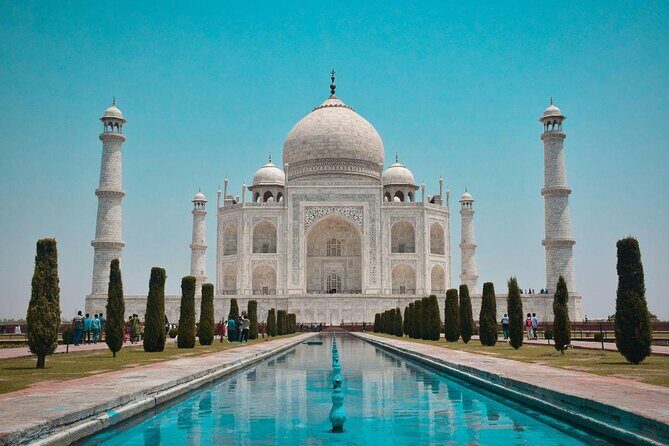
- Guided Taj Mahal with deep, detail-focused narration that helps you see what to look for (and why it matters)
- Agra Fort included as a UNESCO stop showing Mughal-scale architecture beyond the Taj
- Mahtab Garden at dusk for softer light and easier photo conditions
- Fatehpur Sikri with major highlights like Buland Darwaza, Jama Mosque, Tomb of Salim Chishti, and Jodha Bai’s palace
- Cultural add-ons: light-and-sound show plus hands-on-style demos (marble craftsmanship and carpet weaving)
- Comfort support: Delhi pickup/drop-off, private vehicle, bottled water, and a group setup
Two days in Agra for $198: what that price really covers
At $198 per person for a 2-day Agra experience, you’re paying for more than transport and tickets. You’re buying structure: Delhi pickup and drop-off, a guided plan across long distances, hotel time in Agra (with the tour option), and on-the-ground support so you’re not negotiating your way between monuments on limited daylight.
The value becomes clearer when you match the price to what you’re getting in the real world. Day 1 includes the Taj Mahal experience and then adds Agra Fort and cultural programming in the evening window, plus a stop at Mahtab Garden for that calmer dusk photo mood. Day 2 continues early with sunrise at the Taj area, includes Baby Taj (Itmad-ud-Daula), adds lunch, and then finishes with Fatehpur Sikri before returning toward Delhi.
Where it gets practical for you: the tour is set up for group travel with a private-vehicle setup, so you don’t have to coordinate multiple tickets, guides, or timing yourself. And since you get mobile ticket support and bottled water, the small logistics that usually slow people down are handled.
The trade-off: this isn’t a slow, city-wandering style trip. If you want extra unscheduled time in Agra markets or long rests between sites, you’ll need to build that yourself or pick a different pace.
A few more New Delhi tours and experiences worth a look



Day 1: Taj Mahal, Agra Fort energy, and a night of Mughal storytelling
Your Day 1 starts with the drive from New Delhi to Agra—about 250 km, roughly 3 hours on the road. After arrival, a Padma Holidays representative greets you, and then you check in to your Agra hotel (hotel is included with the tour option).
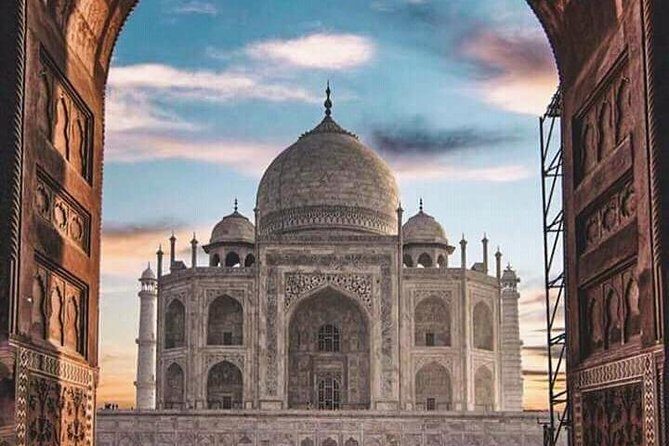
Then comes the heart of the trip: the Taj Mahal. This is the kind of monument where most first-time visits feel like a blur—white marble, symmetry, and crowds. The big advantage of a guided experience is that you learn what to look for beyond the obvious views: how the design reads as Mughal art, and why the complex symbolism and craftsmanship make the Taj more than a pretty landmark.
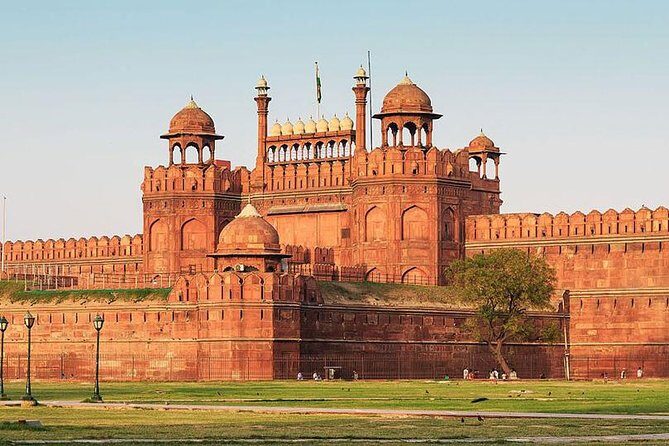
You’ll also likely get the later-day shift from Taj views to Agra Fort territory. The fort is described as a huge red sandstone structure in the Mughal architectural style, and that change of material and mood is one reason people love pairing these two sights. The Taj can feel like a poem; Agra Fort often feels like the framework that held the story together.
Evening planning is where Day 1 adds depth. After a full monument day, you can opt for a light and sound show, and the program also includes a light-and-sound cultural show that briefs you on Mughal culture and traditions. If you like your history explained in a way you can follow while you’re still in the mood of the sites, this is the part that helps everything connect.
Before the night program, there’s a stop at Mahtab Garden (Moonlight Garden) in the evening. This is a great photo window because the lighting is softer and more diffused, which usually means less harsh glare than mid-day.
Day 1 cultural extras: the demos that make the Taj feel real
Two inclusions stand out for me because they change how the monuments land in your brain. The tour includes a Live Demonstration of Marble craftsmanship, and it also includes Live Demonstration of Hand Knotted Carpet weaving.
These aren’t just add-ons for entertainment. They help you understand the effort behind the visuals. When you see the kind of precision that goes into working marble—or the patience behind hand-knotting—you stop treating the Taj as something you just look at. You start treating it like something people built with skill and time, which makes the experience feel more grounded.
If you’re the type of traveler who hates being rushed through a monument without explanation, these demos act like a bridge. You go from seeing the result (the Taj’s look) to understanding the process (how craft is made).
Day 2: sunrise Taj, Baby Taj, then Fatehpur Sikri before you head back
Day 2 begins with a strong move: sunrise. The schedule calls for sightseeing with an early view of the Taj at sunrise, described as a white marble structure seen early in the day. This is one of those moments where crowds thin out and the light turns more flattering, making it easier to appreciate the monument’s shape without fighting the busiest hours.
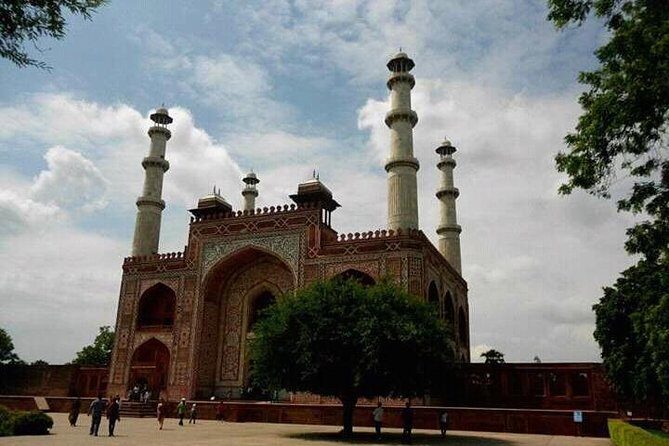
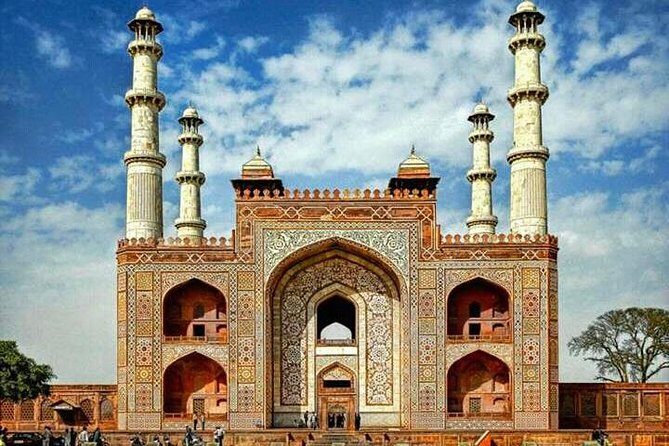
After sunrise, you check out of your hotel and then head to Itmad-ud-Daula—often called Baby Taj. The transfer time is short, about 20 minutes, and the tour frames it as an important design influence linked to the Taj Mahal concept. Even if you’ve seen photos, seeing it in person changes the feel: it’s smaller than the Taj, but it’s the kind of site that rewards careful looking.
Then you’ll get lunch, included in the tour. This matters because after early viewing and back-to-back sites, food breaks help you keep energy for the biggest Day 2 payoff: Fatehpur Sikri.
Fatehpur Sikri: the big UNESCO day with the right must-sees
Later in the day, you’ll visit Fatehpur Sikri, listed as a UNESCO World Heritage Site and one of India’s more visited historical places. The tour highlights major stops inside the complex, including:
- Buland Darwaza (Asia’s biggest gate, as described in the itinerary)
- Tomb of Salim Chishti
- Jama Mosque
- Jodha Bai’s palace
This is the kind of place where a guided approach helps you keep your bearings fast. Without context, Fatehpur Sikri can feel like “another fort complex.” With the right narration, it becomes a map of power, religious life, and imperial architecture living side-by-side.
The itinerary positions Fatehpur Sikri as the closer of the tour, then you return to your Delhi hotel or the airport. That last transfer is the part you’ll feel most. If you have a late flight or a demanding schedule, plan buffer time in Delhi so you’re not sprinting at the end.
A few more New Delhi tours and experiences worth a look






The guide factor: when Subhash turns facts into momentum
The strongest praise in the experience centers on the guide. Names mentioned include Subash / Subhash, and the consistent theme is that he doesn’t just recite dates. He shares details about the monuments in a way that makes the Taj Mahal experience land harder, especially for first-time visitors.
One review highlights that Subhash knows the tiniest details about the Taj Mahal and can even help with photos. Another notes that he’s caring, answers queries, and makes the explanation of the history feel clear and memorable.
For you, this translates into a simple benefit: you’re less likely to leave feeling like you only saw a famous building. With a guide who explains what you’re looking at, you’ll notice design cues, symbolism, and architectural logic—stuff you’d otherwise miss while staring at the skyline.
Timing and logistics: what to expect on the ground
This tour is built around a practical pace and private-vehicle comfort. You’ll have air-conditioned transfers with expert drivers, and the itinerary is structured around major sites rather than wandering.
A few timing considerations you should plan for:
- Day 1 is long, because the route is followed by check-in and then multiple evening activities.
- Day 2 starts early for sunrise, so sleep and morning energy matter.
- You’ll be moving between Agra and Fatehpur Sikri within the tight two-day window, so wear comfortable shoes.
You also get pickup offered in Delhi and drop-off at your hotel or airport at the end. That’s a genuine convenience, especially if you’re not staying near transport hubs.
What’s included (and what isn’t): the practical checklist
Here’s what you can expect to be covered based on the tour inclusions.
Included:
- Hotel/airport pickup and drop-off in Delhi
- Professional Indian guide
- Transport by private vehicle
- Bottled water
- Lunch (included)
- Culture show
- Monument entrance passes (with tour option only)
- Live demonstrations: marble craftsmanship and hand knotted carpet weaving
- All taxes, tolls, and handling charges
- Accommodation (only with the tour option)
- Mobile ticket
Also, admission specifics are part of the Day 1/Day 2 setup:
- Day 1: admission ticket included
- Day 2: admission ticket free (as stated for that day)
Not included:
- Alcohol
If you’re budget-checking, that alcohol note is important. Everything else that usually turns into surprise costs—guiding, transport, and the core entrance coverage—appears to be handled.
Cultural show: why it helps more than you might think
The cultural component isn’t just background. The itinerary includes a light and sound cultural show that briefs you about Mughal culture and traditions. When you’re already looking at Mughal-era architecture across days, having a program that ties the visuals to culture can make the history feel less like memorization.
Think of it as nighttime reinforcement. You walk out of the monument day, you sit, and you get a guided narrative that connects the dots you saw earlier—then you sleep and process it properly the next morning during sunrise.
Should you book this Agra 2-day tour with cultural show?
You should book if:
- You want the big Agra sights with a guide who explains what you’re seeing
- You like structured days (Day 1: Taj + evening cultural program; Day 2: sunrise + Baby Taj + Fatehpur Sikri)
- You value small craft context through the marble and carpet weaving demonstrations
- You’re okay with early mornings and a fast, packed itinerary
You might skip or switch if:
- You prefer slow travel with lots of free time in Agra
- You want purely self-guided sightseeing with no sunrise schedule
My bottom line: for first-timers, this is a strong way to get maximum meaning from limited time. If the guide is Subhash/Subash, you’ll likely feel the difference right away, since the standout praise is all about detailed, caring explanations and help with the experience flow.
FAQ
FAQ
How long is the Agra 2-day tour?
It runs for 2 days (approx.). Day 1 is listed as about 14 hours, and Day 2 is about 8 hours.
Do I get pickup and drop-off in Delhi?
Yes. The tour includes hotel/airport pickup and drop-off in Delhi.
Is the hotel included?
Accommodation is included only with the tour option. If you book the tour option, you’ll check in to your Agra hotel during the itinerary.
What monuments do we visit?
You’ll visit Taj Mahal, Agra Fort, Itmad-ud-Daula (Baby Taj), and Fatehpur Sikri.
Are tickets included for entrances?
For Day 1, an admission ticket is included. For Day 2, the admission ticket is listed as free. Also, monument entrance passes are included with the tour option.
Is lunch included?
Yes. Lunch is included.
What cultural activities are part of the tour?
There’s a culture show and a light-and-sound cultural show. There are also live demonstrations of marble craftsmanship and hand knotted carpet weaving.
Is alcohol included?
No. Alcohol is listed as not included.
Can I cancel and get a full refund?
Yes. Free cancellation is available up to 24 hours in advance for a full refund, based on the experience’s local time. If you cancel less than 24 hours before the start time, the amount paid is not refunded.