REVIEW · NEW DELHI
12 Day Royal Rajasthan Tour – Taj Mahal Tigers Lakes & Wildlife
Book on Viator →Operated by Joyful Holidays · Bookable on Viator
Sunrise at the Taj is the payoff. This private 12-day Rajasthan-to-Agra trip couples classic forts and palaces with two Ranthambore tiger game drives, all handled by car. You also get a packed-but-manageable route across Jaipur, Jodhpur, Udaipur, and Pushkar, with guided stops where it matters.
I especially like the “you don’t have to plan it” feel: transport is handled, you’re based in good city center hotels, and you’ll get English-speaking naturalists on the wildlife days. The main thing to watch is that monument entry fees and most meals aren’t included, and the schedule includes early starts—great for results, but you’ll want stamina and a bit of cash for tickets.
In This Review
- Key things that make this tour worth a look
- How this 12-day road trip makes Northern India feel simple
- Delhi day: Jama Masjid, rickshaws, and Qutub Minar without the guesswork
- Jaipur’s big hits: Fort views, City Palace, Hawa Mahal photo time, and Jantar Mantar
- Jodhpur’s Mehrangarh Fort: the hilltop perspective you can’t fake
- Udaipur and Ranakpur: lake views, Jain marble, and palace gardens
- Ranakpur Jain Temple stop
- Udaipur sightseeing day
- Pushkar: ghats, Brahma Temple, and the town’s spiritual rhythm
- Ranthambore tiger safaris: two game drives and how to be ready
- Morning safari setup
- Afternoon safari timing
- Agra and the Taj Mahal sunrise: the day you’ll remember for years
- Agra Fort and Mehtab Bagh
- Price and logistics: does $1,479 feel fair?
- Should you book this 12-day Delhi–Rajasthan–Agra tour?
- FAQ
- Will I have hotel accommodations included?
- Is transportation included?
- Is this a private tour?
- Are the Ranthambore tiger safaris included?
- Do I need to pay for monument tickets?
- Is pick-up offered in Delhi?
- Will I visit the Taj Mahal at sunrise?
- What about getting from the Taj parking area to the monument?
Key things that make this tour worth a look
- Two Ranthambore safaris included with English-speaking naturalists (morning and afternoon timing)
- Private door-to-door transport by air-conditioned vehicle with bottled water
- Delhi and Rajasthan sights with guided structure, so you don’t waste time guessing
- Jaipur, Jodhpur, Udaipur, Pushkar hit the big symbols plus the neighborhoods around them
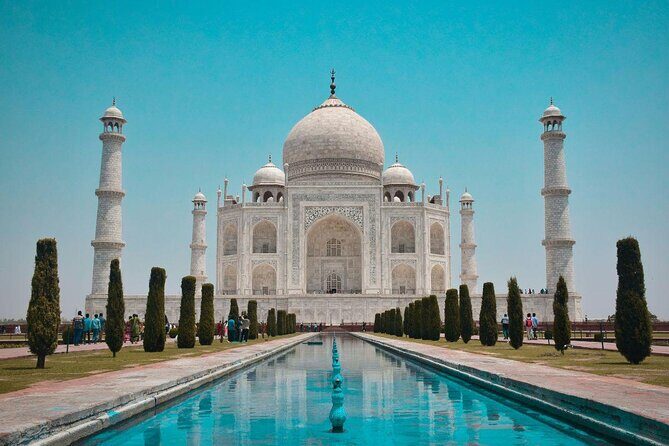
- Agra with Taj Mahal sunrise + battery bus, which cuts walking time inside a busy complex
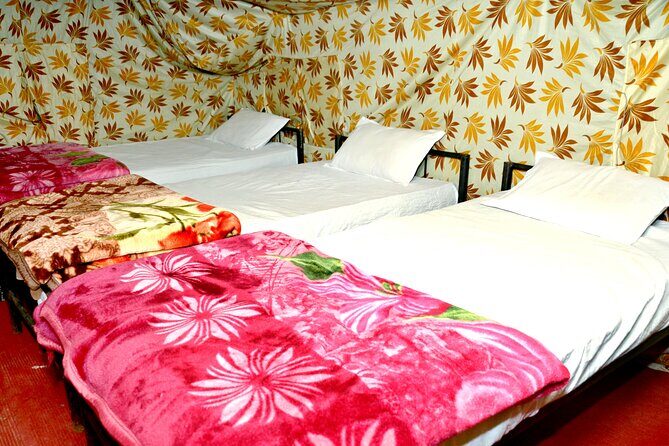
- Hotel options (3, 4, or 5 stars) depending on the package you pick
How this 12-day road trip makes Northern India feel simple

This tour is designed like a good road trip should be: you move daily, but you’re not stuck navigating. I like that it’s private, so the pace feels adjustable for your group, not like a cattle-car route. You’re also not dealing with separate tickets for every transfer—all transportation is included and you get a chauffeur-style approach starting from Delhi.
The route is also smart in the way it clusters regions. Delhi comes first to shake off jet lag with a guided orientation. Then you slide into Rajasthan’s forts and palaces (Jaipur, Jodhpur, Udaipur) before heading to Pushkar, and finally to the wildlife-focused base at Ranthambore. You end with Agra, which is a must if you’re doing this part of India and want the Taj Mahal to feel like a real highlight rather than a rushed stop.
If you’re the type who likes “see a lot, but in the right order,” this works. If you want totally free time every day, you may feel the schedule a bit more than you’d like.
A few more New Delhi tours and experiences worth a look



Delhi day: Jama Masjid, rickshaws, and Qutub Minar without the guesswork

Delhi is a big, layered city—old and modern side by side. On day two, you’ll start in Old Delhi with a guided visit to Jama Masjid, the large Friday mosque commissioned by Shah Jahan. You’ll then head into the markets with a rickshaw ride, which is one of the easiest ways to understand how the lanes work without walking for hours right away.
From there, you’ll get photo-time around major landmarks:
- Red Fort from the outside (the inside is restricted in this plan because a large portion is used by the Indian Army)
- Raj Ghat, the black-marble memorial marking where Gandhi was cremated
- India Gate, a First World War memorial gateway
- Parliament House and Rashtrapati Bhavan photo stops, for the official architecture side of Delhi
- Qutub Minar, a UNESCO-listed minaret and one of the best “first wow” monuments in the city
A practical note: the itinerary marks some stops as admission free and others as not included (for example, Qutub Minar and Jama Masjid ticketing is listed as not included). So I’d plan to budget for entry fees even if the tour feels guided and organized.
Jaipur’s big hits: Fort views, City Palace, Hawa Mahal photo time, and Jantar Mantar
Jaipur is the part of Rajasthan people often picture first—and this plan hits the icons in a logical flow.
You’ll start with the Jaipur Fort (Amer/Fort complex area), described as a stunning palace complex rising from a rocky mountainside. This is where the views start making sense: Jaipur looks like a city you can read from above, and it helps that the tour includes enough time (about two hours) to actually experience the architecture rather than just stand in front of a gate.
Then it moves through the heart of the old city with stops that balance “inside time” and “quick landmark moments,” including:
- City Palace of Jaipur (royal residence complex overlooking the Old City)
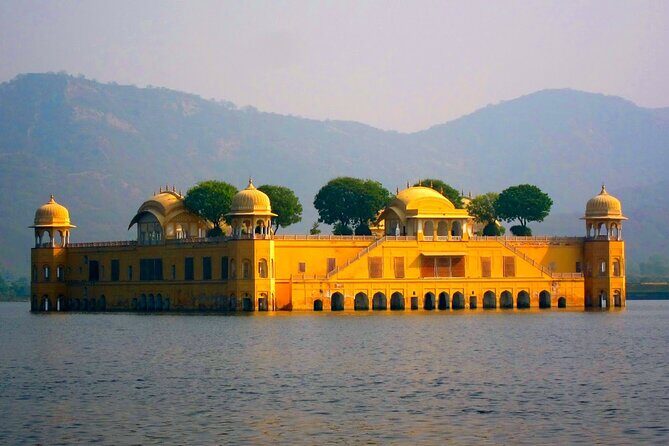
- Jal Mahal photo stop at the Water Palace (short, mostly for photos)
- Hawa Mahal (Palace of Winds) photo stop—classic exterior views rather than a long visit
- Jantar Mantar, a UNESCO observatory made of geometric instruments built to track celestial movement
The key tradeoff here is that not every Jaipur landmark is a long, sit-down visit. That’s not a bad thing—it keeps you from burning daylight in lines and ticket checkpoints. But it does mean you should enjoy it as a “great overview day,” then decide if you want extra time later on your own.
Jodhpur’s Mehrangarh Fort: the hilltop perspective you can’t fake
Jodhpur’s charm is all about altitude and atmosphere. After the drive from Jaipur (about five hours), you get a lighter day on arrival before the full sightseeing.
The big star is Mehrangarh Fort, one of India’s largest fort complexes. It sits about 410 feet above the city, and the tour plans enough time (around two hours) to appreciate the defensive walls and the fort’s stonework details like the latticed windows.
After the fort, you’ll shift into more intimate heritage stops:
- Jaswant Thada, a marble memorial built in memory of Maharaja Jaswant Singh II
- Ghanta Ghar (clock tower area), a recognizable old-city landmark
- Sardar Market, a ramble-friendly bazaar area where you can browse spices, sweets, textiles, and handicrafts
This day works well if you like forts, views, and walking through real neighborhood edges. It also helps if you enjoy shopping as “part of the sightseeing,” not as a separate activity you have to squeeze in later.
Udaipur and Ranakpur: lake views, Jain marble, and palace gardens
Udaipur earns its nickname for a reason. The approach into town is scenic, and the tour leans into that with a stop en route at Ranakpur Jain Temple.





Ranakpur Jain Temple stop
Ranakpur is known for marble carvings and the complexity of its Jain architecture. The itinerary gives about an hour—enough time to notice how the carvings repeat and vary and to understand why this is a “stop your camera and look up” kind of place. Tickets here are listed as not included, so again, have a small buffer for entry fees.
Udaipur sightseeing day
Udaipur’s main day is packed but not chaotic. You’ll see Jagdish Temple, then the City Palace, which overlooks Lake Pichola and has been built over nearly 400 years. After that, you get Lake Pichola, including time for a boat ride (not included in admissions per the itinerary), plus a garden visit to Sahelion Ki Bari, with fountains, pools, pavilions, and marble elephant features.
I like that this itinerary gives you both the “royal” side (palace complex) and the “peaceful” side (gardens and lake). It’s a strong contrast after the more fortress-heavy days in Jaipur and Jodhpur.
Pushkar: ghats, Brahma Temple, and the town’s spiritual rhythm
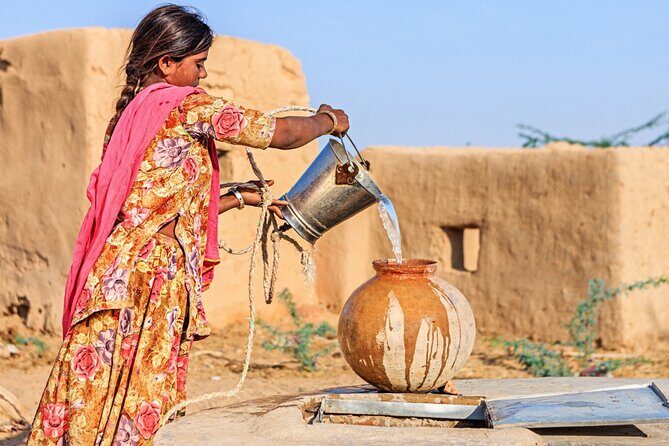
Pushkar is smaller than Rajasthan’s big cities, but it hits a different note. On the way from Udaipur you’ll have about five hours of travel, and you arrive to a laid-back evening followed by guided sightseeing the next day.
The core stops are:
- Brahma Temple: one of the few temples dedicated to Lord Brahma, linked to the sacred Pushkar Lake
- A walk through the ghats, including places like Varaha Ghat, Gau Ghat, and Jaipur Ghat
Pushkar is also known for the Pushkar Camel Fair, an annual event drawing traders and visitors. The itinerary doesn’t say you’ll attend the fair, but if your dates happen to line up, the town can feel far busier and more festival-like.
This is the part of the trip I’d recommend to anyone who wants a break from forts and wants something more spiritual and slower paced. Just remember: you’ll still be moving again the next day, so don’t overbook yourself with extra side trips unless you’re sure you’ll have the energy.
Ranthambore tiger safaris: two game drives and how to be ready
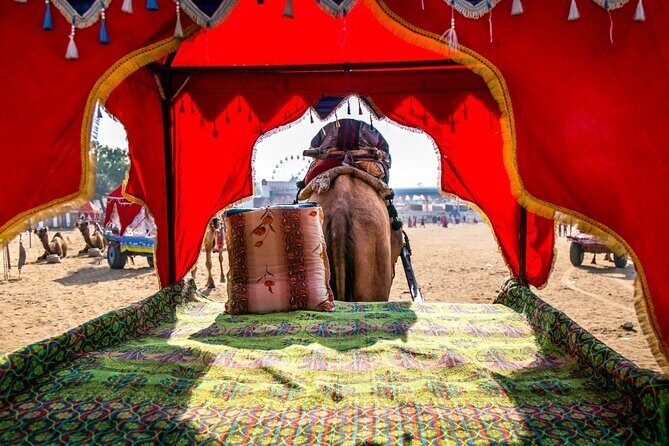
This is the heart of the tour’s “Tigers” promise. You’ll travel to Ranthambore and check in, then the next day delivers the safaris.
Morning safari setup
You’ll be picked up around 05:30 to 06:00, then you head into Ranthambore National Park for a morning drive. The schedule shows you returning to your hotel around 10:30 AM, with breakfast afterward. The day plan also includes lunch time back at your hotel or a local restaurant area.
Afternoon safari timing
Later you’ll go out again with an afternoon safari, scheduled to start around 2:30 PM. You’ll return around 6:30 PM and then have dinner afterward.
Two things I like about this structure:
1) You’re not relying on one single sighting chance. Two drives are a real advantage for wildlife trips.
2) The plan includes English-speaking naturalists, which matters because it can turn random sightings into actual learning—tracks, behavior, and why a tiger might be where it is.
What to bring and how to plan: even though the tour includes transport and pickup, you’re still the one responsible for being comfortable early in the day. Pack layers for dawn and late afternoon, wear closed-toe shoes, and keep water handy (the vehicle includes bottled water, but you’ll likely want more during longer waits).
Agra and the Taj Mahal sunrise: the day you’ll remember for years
Agra in this itinerary is built around one goal: see the Taj Mahal at sunrise.
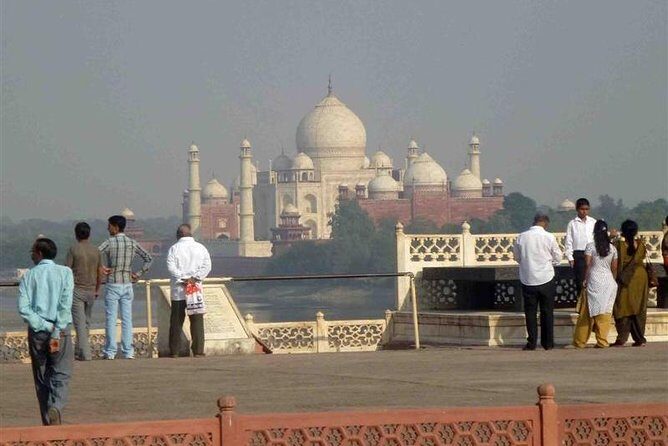
That means an early meet in the hotel lobby around 5:45 AM, then you head to the monument and take in the light show. The tour plan emphasizes the Taj’s color shifts, and at sunrise the Taj is described as taking on a pink shade. You’ll then have guided time on site (the itinerary lists the Taj Mahal block with not-included admission tickets, even if the sunrise transfer entry timing is marked as free in parts of the schedule).
You also get practical help inside the complex. The tour includes a battery bus ride from the Taj parking area to the monument and back. That’s a small detail, but it saves time and sore feet—especially on a sunrise schedule.
Agra Fort and Mehtab Bagh
On the day before the sunrise, you’ll tour:
- Agra Fort (Akbar’s fort complex; described as UNESCO-listed and made of red sandstone)
- Mehtab Bagh, the “Moonlight Garden” across the Yamuna, identified as a location for sunset views of the Taj
Inclusions do not cover monument fees or meals, and Agra Fort/Mehtab Bagh are listed as not included for admission. So I’d assume you’ll pay tickets out of pocket and bring some flexibility into your budget.
Price and logistics: does $1,479 feel fair?
At $1,479 per person, this tour can be good value if you compare apples to apples: you’re getting long-distance road transfers across multiple cities, air-conditioned transport, hotel nights (depending on your chosen 3, 4, or 5 stars option), guided sightseeing where listed, bottled water, and two Ranthambore safari game drives with English-speaking naturalists.
The “watch this” part is the divide between included items and out-of-pocket costs. The itinerary and pricing info both point out that monument fees, lunch, and dinner are not included. That means your final trip cost depends on how often you want paid entries versus free photo stops.
Here’s how I’d think about it for your budget:
- If you hate ticket-line friction and want the schedule handled, the all-transport and guided structure justifies more of the price.
- If you’re a do-it-yourself planner who already knows ticket strategy and is comfortable with Indian transit logistics, the included transport is the main savings lever—but you might reduce cost by booking separately.
- If wildlife is your priority, the fact that you get two safaris included is often where organized packages earn their keep.
Should you book this 12-day Delhi–Rajasthan–Agra tour?
I’d book this if you want one coherent route through the “classic” Northern India highlights with minimal decision fatigue. This is a great fit for first-timers, for couples or small groups who prefer a private feel, and for anyone who wants tigers + Taj Mahal sunrise without stitching together separate tours.
You might want a different plan if:
- You want lots of free hours with no early pickups.
- You’d rather skip Agra’s paid-entry costs and only do the Taj if you’re already in the mood for it.
- Your travel style is ultra slow and you don’t like moving almost every day.
FAQ
Will I have hotel accommodations included?
Yes. The tour offers hotel accommodations in 3, 4, or 5 stars depending on the option you choose.
Is transportation included?
Yes. The tour includes an air-conditioned vehicle with packaged bottled drinking water, and transportation between cities and activities is included.
Is this a private tour?
Yes. It is described as a private tour/activity, meaning only your group participates.
Are the Ranthambore tiger safaris included?
Yes. You get two game drives in Ranthambore at no extra cost, with English-speaking naturalists.
Do I need to pay for monument tickets?
Not always. The tour lists monument fees (and lunch/dinner) as not included, and the itinerary marks some sites as admission not included. Some stops are marked free, but you should still plan for paid entry at several monuments.
Is pick-up offered in Delhi?
Yes. The tour includes pickup offered in the tour details.
Will I visit the Taj Mahal at sunrise?
Yes. On the final day, you’ll meet around 5:45 AM to visit the Taj Mahal at sunrise.
What about getting from the Taj parking area to the monument?
The tour includes a battery bus ride from the Taj Mahal parking lot to the monument and back.