REVIEW · NEW DELHI
Private Luxury 4-Day Golden Triangle Tour: Delhi, Agra, Jaipur
Book on Viator →Operated by Taj Private Tour · Bookable on Viator
Four days, three icons, one smooth route. This private luxury Golden Triangle plan threads together Mughal monuments, Rajasthan forts, and quick cultural stops without the usual chaos of figuring everything out yourself.
What I like most is the hands-on feel: a private driver + English-speaking guide means you get context while you move, not just photos while you’re confused. I also appreciate the practical extras—AC transfers across cities and three included breakfasts—so the trip runs like a sequence, not a scramble.
One consideration: monument and camera fees are usually extra, and a few marquee sights (like the Red Fort and Taj Mahal) are not included. If you’re budgeting tightly, factor in those tickets early so you don’t get surprised mid-trip.
In This Review
- Key highlights worth your attention
- Private AC car and English guide: what luxury really means here
- Day 1 in Delhi: Qutub Minar, Lotus Temple, and Red Fort optional
- Qutub Minar: the tall brick landmark
- India Gate: a war memorial with a calm center
- Lotus Temple: peace, unity, and simple design
- Rashtrapati Bhavan: a short look at the presidential residence
- Red Fort: optional, and worth deciding early
- Day 2 Agra: sunrise Taj Mahal, Agra Fort, and Baby Taj
- Taj Mahal: why the timing matters
- Agra Fort: Mughal palaces inside a fortress
- Itimad-ud-Daulah (Baby Taj): marble lacework
- Mehtab Bagh optional: the view across the Yamuna
- Day 3 Jaipur: Amber Fort, City Palace, and the fast-hit icons
- Amber Fort: hilltop drama and big views
- City Palace: royal heritage in a working complex
- Hawa Mahal: quick iconic photos
- Jal Mahal: the floating palace on the lake
- Jantar Mantar: world’s largest stone sundial
- Optional Albert Hall Museum: art, arms, jewelry, paintings
- Hotel nights, daily flow, and why breakfast matters
- Transport tips: pacing, photos, and the hidden costs you must plan
- Guide and driver quality: the names people kept praising
- Who this 4-day luxury Golden Triangle tour fits best
- Should you book this Golden Triangle tour
- FAQ
- What cities does the Golden Triangle tour include?
- Is pickup included?
- Are hotels and breakfast included?
- Are monument tickets included?
- What kind of vehicle will I use?
- Is this a private tour?
Key highlights worth your attention
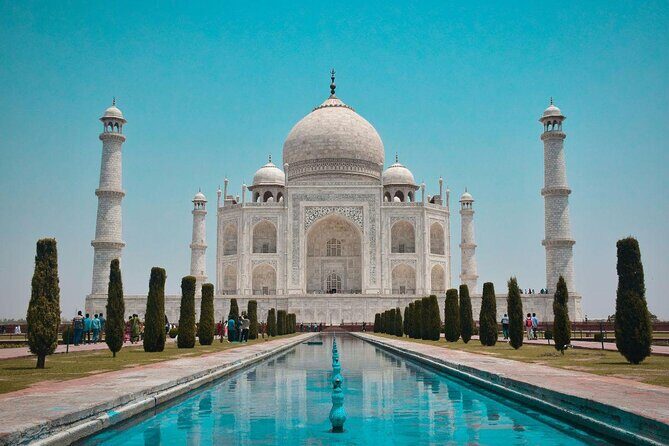
- Sunrise or sunset Taj Mahal timing, built into the Agra day for maximum atmosphere
- Private AC car sized to your group, so you’re not squeezed into someone else’s itinerary
- Delhi’s top trio in one day: Qutub Minar, Lotus Temple, and India Gate
- Jaipur photo stops that don’t waste time, like Hawa Mahal and Jal Mahal
- Guide and driver quality stands out in past feedback, with names like Shiraz, Athar, Rishi, Ali, and Khan showing up in the praise
Private AC car and English guide: what luxury really means here
A Golden Triangle tour can be cheap and chaotic, or it can be smooth and worth your money. This one leans toward smooth. You’re paying for the combo of private transfers and an English-speaking guide who can explain what you’re looking at while you’re standing in front of it.
That matters in Delhi, where sites are spread out and history stacks on history. Without someone to translate the meaning behind the stones, you can end up doing a checklist instead of understanding the place. With a guide, you can ask simple questions—why this was built, what you’re seeing, what changed over time—and your time feels more intentional.
The private car part is also underrated. An air-conditioned sedan or SUV keeps you comfortable as you hop between forts, memorials, and temples. In a route like this, the ride is part of the experience, because it controls your energy. You’ll notice that on days packed with timed stops, like Taj Mahal.
One more practical note: you get 3-night accommodation in a hotel tier you choose (3, 4, or 5 stars on the option). The “luxury” isn’t just the car; it’s also sleeping and recharging so you can actually enjoy the next day instead of surviving it.
You can also read our reviews of more private tours in New Delhi


Day 1 in Delhi: Qutub Minar, Lotus Temple, and Red Fort optional
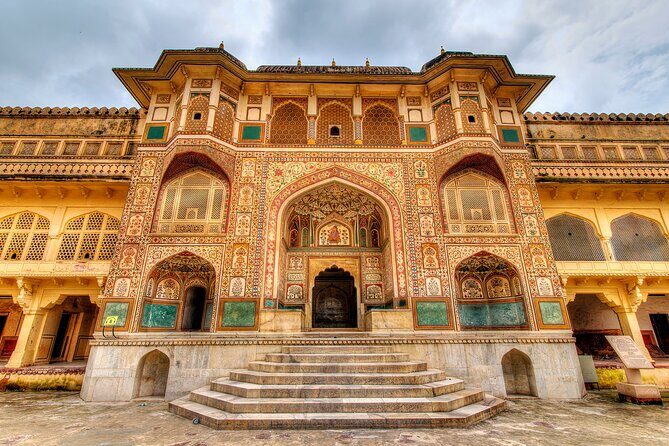
Delhi on day one is about getting your bearings fast—medieval, memorial, spiritual, and presidential. You’ll start with Qutub Minar, then move into a handful of iconic stops that are easy to fit into a tight schedule.
Qutub Minar: the tall brick landmark
You’ll get about an hour at Qutub Minar, and for good reason. It’s the tallest brick minaret in India, so even if you arrive with only basic curiosity, you’ll quickly see why it’s such a big deal in the Delhi skyline. Expect photos, a bit of walking around the complex, and time to look closely at the architectural details.
The monument fee isn’t included, so keep that in mind. Still, this is one of those stops where the value is in what you notice once someone explains it.
India Gate: a war memorial with a calm center
India Gate is quick—around 30 minutes—and admission is free. This is one of the best “breathing space” stops in Delhi. You’ll walk, take a few photos, and see the names and scale of the memorial area. It’s not flashy like some attractions, but it hits emotionally, especially after you’ve been staring at stone monuments for a while.
Lotus Temple: peace, unity, and simple design
Next is the Lotus Temple, another free stop, also around 30 minutes. The flower-shaped Bahá’í House of Worship is famous for its calm atmosphere. If you’ve been moving nonstop, this is where you can slow down and reset.
A few more New Delhi tours and experiences worth a look





Rashtrapati Bhavan: a short look at the presidential residence
Then comes Rashtrapati Bhavan with about 10 minutes. This one is brief, so treat it like an exterior landmark stop rather than a full visit. It gives you that “this is modern India too” feeling after the older monuments.
Red Fort: optional, and worth deciding early
Red Fort is listed as optional, with about an hour. If you have energy and you’re okay adding the ticket, it’s a major Mughal-era fortress and a UNESCO World Heritage Site. If you skip it, you still get a strong Delhi opener. If you include it, go in knowing you’ll want time to take in the scale and the story of the fortress.
Practical tip: because Red Fort is optional, you can use it to match your own pace. If you’re arriving tired, skip it and keep the day light. If you’re full of jet-lag energy and want maximum sightseeing, add it.
Day 2 Agra: sunrise Taj Mahal, Agra Fort, and Baby Taj
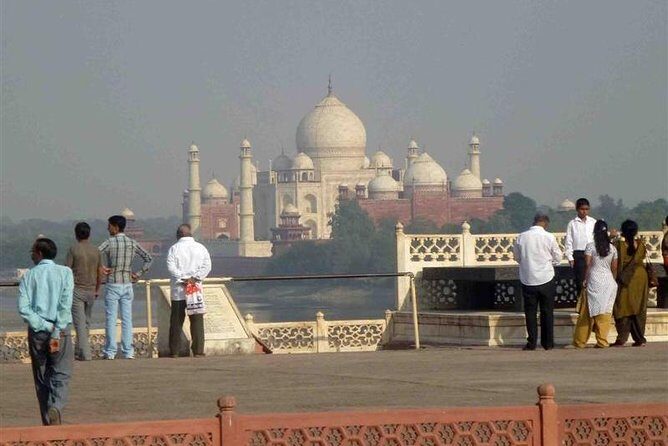
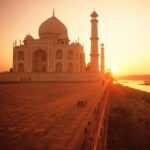
Day two is built around one goal: Taj Mahal at sunrise (the description also mentions sunrise or sunset timing). This is the day people remember, because the light can turn a famous monument into something almost surreal.
Taj Mahal: why the timing matters
You’ll have about two hours at the Taj Mahal. When you go for sunrise, you’re often trading crowds for calmer viewing conditions and a softer glow. Even if you’ve seen pictures, the real impact is the scale and the detail you can only notice when it’s not too hectic.
Admission isn’t included, so you’ll want to budget for it. Also, plan for early mornings. Sunrise trips usually cost you sleep, but you gain a different feel.
Agra Fort: Mughal palaces inside a fortress
Agra Fort comes next, about an hour. This UNESCO-listed site is where the Taj Mahal story widens beyond one mausoleum. You’ll walk through royal Mughal palaces and grand halls.
If the Taj is the icon, Agra Fort is the context. And because time is tight, an hour is just enough to appreciate that it’s not only a wall—it’s a complex with multiple layers of power.
Itimad-ud-Daulah (Baby Taj): marble lacework
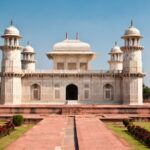
Then you’ll visit Itimad-ud-Daulah, often called the Baby Taj, for about 30 minutes. This is a smart stop because it balances the day. After the huge emotional hit of Taj Mahal, this smaller tomb gives you a closer, more delicate look at marble latticework and fine detail.
Admission isn’t included here either, so plan for ticket costs across the day.
Mehtab Bagh optional: the view across the Yamuna
Mehtab Bagh is optional, about 30 minutes, and it’s all about the perspective. This is the place for the Taj view from across the Yamuna River, especially around sunset.
If you feel Taj was enough already, you can skip it. But if you enjoy photography and you like seeing landmarks from a new angle, Mehtab Bagh can be the payoff that makes the whole Agra day feel complete.
Day 3 Jaipur: Amber Fort, City Palace, and the fast-hit icons
Jaipur is where your eyes go from stone to color. Day three mixes a hilltop fort experience with palace interiors and short photo-friendly stops across the city.
Amber Fort: hilltop drama and big views
Amber Fort is your first stop and it gets about two hours. You’ll ride up to this majestic fort known for artistic design and sweeping views of the Pink City.
If you only had time for one Jaipur attraction, this would be the one. The views alone are worth the effort, and the fort’s structure helps you understand why Jaipur developed a reputation for powerful royal architecture.
Ticket fees aren’t included, so budget for the entry.
City Palace: royal heritage in a working complex
Next is City Palace of Jaipur for about an hour. This is the grandeur of Rajasthan’s royal heritage inside a historic complex. It’s not a single-room stop; it’s a zone, and that’s why one hour works well. You’ll get a feel for the scale without being rushed through every corridor.
Again, admission isn’t included, but the value is that you’re seeing a living slice of the city’s identity, not only a monument.
Hawa Mahal: quick iconic photos
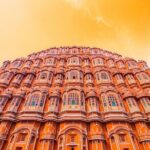
Hawa Mahal, the Palace of Wind, is about 15 minutes and free. It’s famous for its five-story pink sandstone facade. This is one of those stops where you get the best value by arriving ready to take pictures and then moving on fast.
Don’t overthink it. It’s short for a reason.
Jal Mahal: the floating palace on the lake
Jal Mahal is also free and about 15 minutes. The palace floating on Man Sagar Lake is an unforgettable sight, especially at sunset. Even if you’re not waiting at the perfect golden moment, you’ll still appreciate the surreal setting.
Jantar Mantar: world’s largest stone sundial
Then comes Jantar Mantar for around an hour. This is the world’s largest stone sundial and includes other astronomical instruments. If you like science built into architecture, you’ll enjoy it. If you prefer classic palace-and-fort vibes, you may find it different, but it’s still a meaningful contrast in the Jaipur lineup.
Ticket fees aren’t included.
Optional Albert Hall Museum: art, arms, jewelry, paintings
Albert Hall Museum is optional, about 30 minutes. It’s Rajasthan’s oldest museum and the collection includes art, arms, jewelry, and paintings.
If you’re museum-friendly, add it. If your legs are tired, skip it and keep your evening lighter.
Hotel nights, daily flow, and why breakfast matters
This tour includes 3 nights of hotel accommodation and breakfast (3). That sounds basic, but on a 4-day pace it’s a real benefit. Breakfast means you’re not hunting for food first thing while you’re adjusting to new cities. You can start the day with energy and fewer decisions.
Your hotel star level depends on what option you choose: 3, 4, or 5 stars. Since the sightseeing is already set, your comfort level will largely come down to the hotel tier and the room type you pick. In the past feedback, what seems to matter most is that the service stays consistent through all three cities.
Vehicle size also stays matched to your group:
- 1–2 people: sedan
- 2–3–4–5 people: mid SUV
- Above 5 and below 13: mini van
That matters because it affects the “feel” of the trip. A proper-sized vehicle keeps the group comfortable and reduces friction. It also helps when you’re making quick stops for photos.
Transport tips: pacing, photos, and the hidden costs you must plan
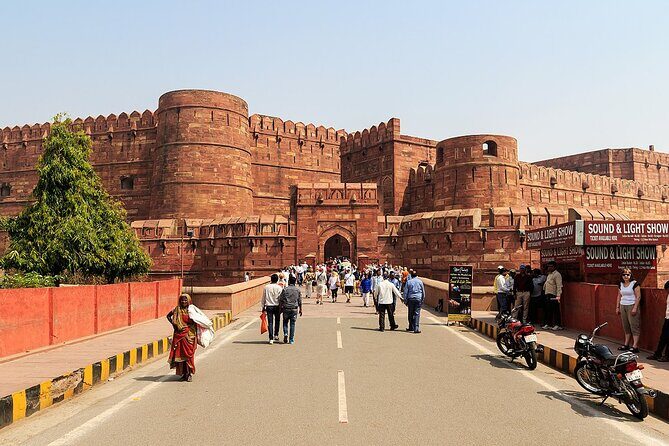
This tour is private and organized, but you still need to plan like a smart traveler. The big thing to watch is that monument and camera fees are not included. That means your final spend depends on how many ticketed sites you choose—especially if you add optional items like Red Fort or Mehtab Bagh.
So here’s how I’d handle it:
- Budget for paid entry on ticketed monuments (Taj Mahal, Qutub Minar, Agra Fort, Baby Taj, Amber Fort, City Palace, Jantar Mantar, and often Red Fort and Albert Hall if you add them).
- Bring cash or a card you trust for on-site fees. Even when digital systems exist, you don’t want payment stress during early morning hours.
- Think about photos before you go. Short stops like Hawa Mahal and Jal Mahal are photo-first. If you spend too long chatting, you’ll miss the light or lose time elsewhere.
Also, pay attention to guide/driver coordination. The route is structured, so you benefit from being ready when your guide is ready. That’s where good driving and good guiding show up in real life.
Guide and driver quality: the names people kept praising
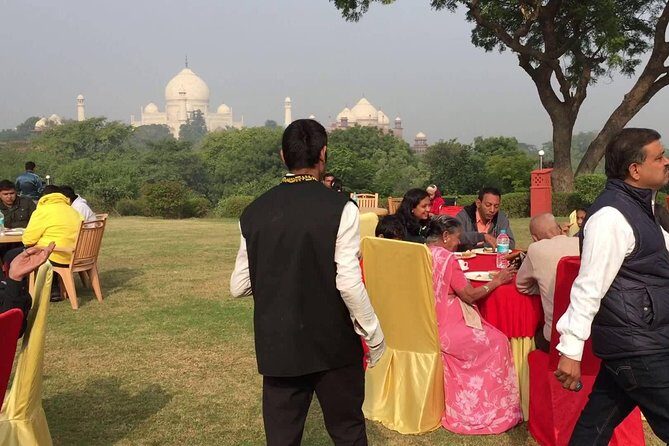
The best part of many private tours isn’t the itinerary on paper. It’s the person you’re sitting with for hours and the calm confidence they bring.
In the feedback tied to this kind of experience, a few names show up with strong praise:
- Shiraz for helping a solo traveler see key places and adjust the plan to make sure expectations were met
- Rishi as a driver who was on time, considerate, and great at explaining what you’re seeing, with extra care for safety when traveling with a parent
- Ali for flexibility and for keeping the ride comfortable with beverages and snacks
- Athar as a guide in Agra noted for clear, easy-to-follow explanations of Taj Mahal and Agra Fort
- Mr Khan for being attentive and making everything feel easy to manage
I can’t promise you’ll get the exact same individuals, but I can give you the advice that comes from these stories: ask your guide early what’s flexible and what’s fixed, and tell them your priorities. If you care about sunrise light, say it. If you want more time for a palace interior, ask for it before you’re already rushing.
That’s when a private tour becomes genuinely personal.
Who this 4-day luxury Golden Triangle tour fits best
This is a strong match if you:
- Want the big-name sights of Delhi, Agra, and Jaipur without over-planning
- Like the comfort of a private AC vehicle and the clarity of an English-speaking guide
- Prefer 3 hotel nights with breakfast included rather than piecing meals and lodging together
- Are short on time but still want a first-timer overview that includes key architecture and memorials
It might feel less ideal if you:
- Love slow travel and long museum stays, since several stops are intentionally timed
- Want every admission price included in one bundle (this tour lists several monument fees as not included)
- Are the type who enjoys wandering independently and doesn’t need context from a guide
Should you book this Golden Triangle tour
If your goal is to see the headline monuments—sunrise Taj Mahal, Amber Fort, and the major Delhi landmarks—while moving comfortably between cities, this is a sensible, good-value way to do it. The price ($95 per person) is low enough that the biggest question becomes hotel tier and monument fees, not “can we afford the basic idea.”
Book it if you want structure with flexibility, and you appreciate having someone organize the day while you focus on the experience. Think of it as a stylish shortcut: you get the essentials, you get context, and you don’t burn half your trip figuring out logistics.
If you’re the kind of traveler who plans every step and wants to control every minute, you might still enjoy the private car and guide—but you’ll want to confirm exactly which optional stops you want included so your time matches your style.
FAQ
What cities does the Golden Triangle tour include?
It covers Delhi, Agra, and Jaipur over 4 days, with sightseeing in all three cities.
Is pickup included?
Yes. The tour includes pickup offered, and on the last day it includes drop-off at your hotel, airport, or another location you choose.
Are hotels and breakfast included?
Yes. You get 3 nights of hotel accommodation (3, 4, or 5 stars depending on your selected option) and breakfast for 3 days.
Are monument tickets included?
No. Monument/camera fees are not included during sightseeing, including major sites listed as not included.
What kind of vehicle will I use?
You’ll travel by air-conditioned car sized to your group: sedan for 1–2 people, mid SUV for 2–5 people, and a mini van for above 5 and below 13 people.
Is this a private tour?
Yes. It’s a private tour/activity, meaning only your group participates. Confirmation is received at booking time.