REVIEW · NEW DELHI
08 Days Golden Triangle Tour with Ranthambore and Jhalana Safari
Book on Viator →Operated by Golden Triangle Tours India · Bookable on Viator
Tigers and temples in one tight route? That’s the appeal of this 8-day Golden Triangle plan: you cover Delhi, Agra, Jaipur, then hunt for wild cats at Ranthambore and Jhalana—with private transport and guided stops so you’re not stitching everything together yourself. The flow also leans on well-timed highlights, including a sunrise Taj Mahal slot.
Two things I’d put near the top: first, the comfort and control of a private car with a driver, plus local guides for sightseeing. Second, the safari days are built in as real events—Ranthambore gets both a morning and evening chance, and Jhalana follows up later. In the operator’s orbit, I also like the human factor: the name Gopal comes up in multiple accounts, alongside skilled drivers like Surendra and Maan Singh.
One possible drawback: you’ll need to plan for extra paid monument tickets. Several big names are listed as not included (including Taj Mahal and City Palace), and a few other stops are marked not included without prices, so budget carefully.
In This Review
- Key things that make this tour work
- Private Golden Triangle + Safaris: what you gain by not rushing
- Day 1 in Delhi: Bangla Sahib, Qutub Minar, and Old Delhi intensity
- Delhi in practice: how the itinerary balances highlights and sanity
- Agra with less stress: getting the Taj Mahal moment at the right time
- Agra Fort and the “in-between” sites: what you’ll appreciate more later
- Jaipur routing: the “wow” points plus the quieter stops
- Ranthambore Safari: two chances to see tigers, not just one
- Jhalana Safari Park: leopards near Jaipur, with a different vibe
- Jaipur Amber, City Palace, Jantar Mantar, and Hawa Mahal: the classic day
- Birla Mandir and the goodbye drive back to Delhi
- Price and value: $553.85 per person is the base, not the full cost
- Comfort, groups, and hotel setup: what your daily routine will feel like
- Should you book this Golden Triangle + Ranthambore and Jhalana tour?
- FAQ
- What’s included in the tour besides the sightseeing?
- How many safari outings are included?
- Are the hotel nights included?
- Do I need to buy tickets for major monuments?
- Where does the tour start and how does the day end?
- What are the room-sharing arrangements?
- How does cancellation work?
Key things that make this tour work

- Sunrise Taj Mahal timing plus a battery bus ride from Taj parking to the monument area
- Two Ranthambore safaris (morning and evening), with park entrance handled
- Jhalana Safari Park added after Jaipur, with entrance included
- Private, air-conditioned vehicle with a driver sized to your group (sedan, wagon, or minivan)
- Daily breakfast included when you book the hotel option
- Private guides for sightseeing through Delhi, Agra, and Jaipur
Private Golden Triangle + Safaris: what you gain by not rushing
This itinerary is basically the smart version of the Golden Triangle formula. A lot of shorter packages shove too much into too little time. Here, you spread the big-ticket cities across multiple days and add the wildlife parks without making the whole trip feel like a sprint.
You also get the practical benefits that matter in India: a driver who handles the road logistics, hotel pick-up and drop-off, and guided sightseeing instead of wandering with only your own map. Even the ride to the Taj Mahal area has a small comfort layer: battery bus transport from the parking zone up to the monument.
The wildlife part is the other reason this works. Ranthambore gets both a morning and an evening safari attempt, and Jhalana is scheduled later so you’re not exhausted at the start when you really want your eyes sharp.
A few more New Delhi tours and experiences worth a look



Day 1 in Delhi: Bangla Sahib, Qutub Minar, and Old Delhi intensity
Your first day mixes spiritual calm and urban electricity. Gurudwara Bangla Sahib is where the trip opens up with a free, easy win—easy to enjoy even if you’ve just landed. The next blocks of the day swing toward major landmarks you’ll likely want with a guide, like Qutub Minar and the Lotus Temple.
Then comes the Old Delhi shift: India Gate, Parliament House (Sansad Bhavan), Jama Masjid, and Chandni Chowk. This is the part where you’ll feel the city’s rhythm—shops, crowds, spice smells, and side streets that don’t care about your schedule. The upside of having a guide is that you can move with purpose rather than just getting pulled into every stall.
Quick note on monuments: some Delhi ticketed stops are listed as not included (for example Qutub Minar and Humayun’s Tomb). Plan to pay on the day if you want inside access.
Delhi in practice: how the itinerary balances highlights and sanity

Delhi can be exhausting even when you’re doing it “right.” This plan softens the blow in two ways. First, you’re not bouncing between random pickup points all day; it’s structured sightseeing with private transport. Second, you get a mix of free stops and a couple of ticketed ones, so you can control the total cost better than with a package that includes everything blindly.
You’ll also appreciate that the tour includes bottled mineral water during journeys. It’s a small line item, but it keeps your day from turning into constant “Where’s the water?” problem.
And if you’re the type who likes quick photo moments as well as deeper looks, the itinerary supports both. Some stops are brief (like Agrasen Ki Baoli), while others are scheduled longer (like Chandni Chowk).
Agra with less stress: getting the Taj Mahal moment at the right time

Agra is where this tour earns its keep. The drive is about 222 km and around 4 hours, so you’re not losing your entire day to transit. Once you arrive, you check in and then focus on the cluster of Mughal-era icons.
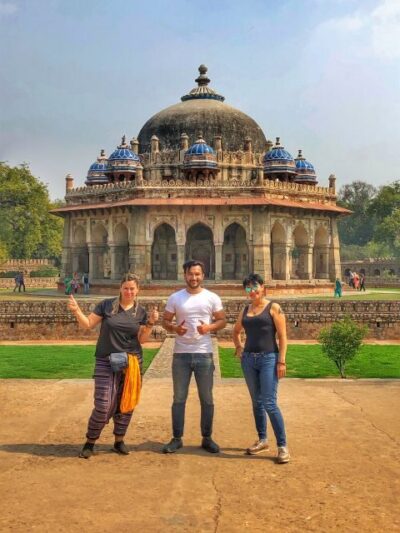
You’ll see the Taj Mahal, Agra Fort, and Itimad-ud-Daula (often called Baby Taj). You also get the Mehtab Bagh idea for a view of the Taj from across the Yamuna. Even if you’re not planning a photo marathon, this gives you context for how the complex sits in the larger landscape.
Then comes the big move: a sunrise day. The itinerary explicitly builds in the chance to watch the sun rise over the Taj and includes a guided tour inside. Sunrise is one of the few times the Taj experience feels less like a checklist and more like a real atmosphere.
Agra Fort and the “in-between” sites: what you’ll appreciate more later
The Taj Mahal is the star, yes. But the rest matters because it fills in the why. Agra Fort connects you to the Mughal power story, and Itimad-ud-Daula adds a different kind of beauty—still Mughal, but more delicate in feel than the Taj.
Mehtab Bagh is a helpful add-on too. It’s not the same as standing in front of the marble itself, but it helps you understand sightlines and the Taj’s relationship to the riverbank.
Plan for paid entry where listed as not included: Taj Mahal, Agra Fort, and Itimad-ud-Daula all have separate ticket costs listed.





Jaipur routing: the “wow” points plus the quieter stops
On the way to wildlife, Jaipur isn’t treated like a quick stop. You get multiple layers: viewpoints, temples, and major heritage sites.
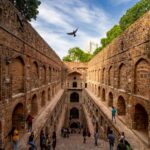
Along the route, Fatehpur Sikri is scheduled as a free admission stop, and Chand Baori (Abhaneri) is included as a worthwhile detour with ticket marked not included. This is a good setup if you like seeing different kinds of architecture in one day—Mughal imperial space plus stepwell engineering.
Once in Jaipur, you’ll do a first temple round: Galtaji (Monkey Temple) and Birla Mandir. These tend to work well early in the trip because they’re vivid, easy to navigate, and not overly time-taxing.
Ranthambore Safari: two chances to see tigers, not just one
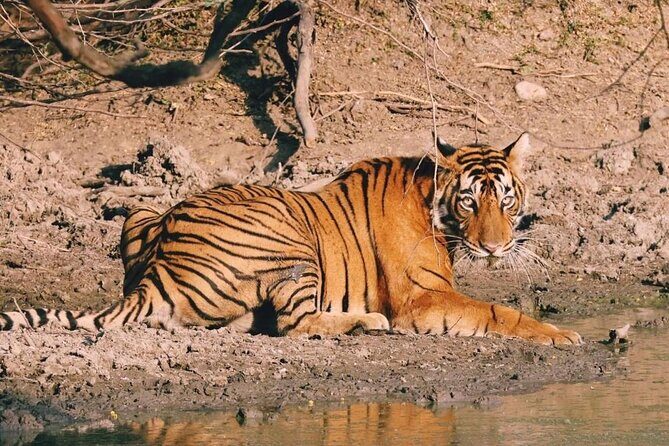
Ranthambore is the heart of the tiger goal here. You arrive, check in, then later you get two safari windows: a morning run and an evening run. That “two tries” structure matters because wildlife sightings are unpredictable. You’re not putting all your luck into a single outing.
You’ll also benefit from having the park entrance handled (Ranthambore Safari Park entrance is listed as included). That removes one of those small trip drains that can turn into long lines or last-minute hassle.
A practical expectation: your day will revolve around safari timing. That’s normal. Plan to keep water and sunscreen ready, and expect the schedule to feel slightly rigid compared to city sightseeing.
Jhalana Safari Park: leopards near Jaipur, with a different vibe
Then comes Jhalana Safari Park. It’s scheduled as an evening safari after Jaipur check-in, which is a smart rhythm: you get your main Jaipur sightseeing spread out, and you still get wildlife without having to do it first thing when you’re fresh from long travel.
Jhalana’s entrance is also listed as included, and the safari window is set for about 3 hours. The biggest difference you’ll feel compared with Ranthambore is that this is a different kind of wildlife experience. Even if your “target” is the same idea—wild cats—the odds and the way you experience the park will be different.
For this day, just go in with the right mindset: enjoy the drive, scan carefully, and treat any sighting as a win.
Jaipur Amber, City Palace, Jantar Mantar, and Hawa Mahal: the classic day
Day 7 is where Jaipur turns into a full-on heritage buffet. You start with Panna Meena ka Kund, a stepwell near Amber Fort, then move to Amber Palace with a guided tour of its palace, squares, and monuments.
Jal Mahal is included as a photo stop. You’ll get the shot idea—palace on the lake—without needing to spend your whole day chasing viewpoints.
Then it’s City Palace of Jaipur, Jantar Mantar (UNESCO), and Hawa Mahal. You end at Albert Hall Museum with a short stop.
A big budgeting note: several of these are not included ticket-wise, and the list includes City Palace and Jantar Mantar with specific prices. Hawa Mahal is also listed as not included. So even though many “town” landmarks are free, your total admission bill can still climb.
Birla Mandir and the goodbye drive back to Delhi
On the final day, Birla Mandir appears again—short, manageable, and a nice visual end to a trip that started with religious sites. Then you drive back to Delhi for drop-off near your chosen endpoint in the city.
The drive is set for around 5 hours. Because you’re not flying immediately, it’s a decent way to end: you still get a last viewpoint and then someone drops you off where you need to go.
Price and value: $553.85 per person is the base, not the full cost
At $553.85 per person, this tour’s price feels like it’s covering logistics and structure. Here’s what’s clearly included:
- Private AC transport with driver
- Hotel pick-up/drop-off and 7 nights when you choose hotel options
- All sightseeing with private local guides
- Daily breakfast (if you book the hotel option)
- Bottled mineral water during journeys
- Ranthambore and Jhalana safari park entrance
- Battery bus ride to and from Taj parking up to the Taj Mahal monument
- Mobile ticket and 24/7 support
What’s not included is where you need to think like a budget hawk. Ticket costs are listed for major sites such as Taj Mahal (₹1,100), Agra Fort (₹600), City Palace (₹700), Qutub Minar (₹550), Humayun’s Tomb (₹550), and Jantar Mantar (₹250), among others. Some places are marked not included without a listed price.
So the best way to judge value is this: the base price buys convenience, guiding, and the safari gates. You still pay for monument entries on top. If you’re already the type who wants inside access at the big monuments, you’ll likely feel this tour is worth it because it handles everything around those tickets.
Comfort, groups, and hotel setup: what your daily routine will feel like
This is a private tour, meaning it’s only your group. Vehicle size scales with your group size: a 4-seater sedan for 1–2 people, a 6-seater wagon for 3–4, and a 10-seater minivan for 5–10.
Rooms are typically twin-sharing. If you book 3 people, the default is triple-sharing unless you want to split into 2 rooms with an extra charge. This matters because the “per person” price only feels fair if you’re comfortable with the room setup.
Also, the tour is described as requiring good weather for the safaris. That doesn’t mean you lose everything if weather turns—it’s just a reminder that wildlife days depend on real-world conditions.
Should you book this Golden Triangle + Ranthambore and Jhalana tour?
If you want the Golden Triangle with a real wildlife payoff, I’d say this is a strong fit—especially because it schedules two Ranthambore safari attempts and pairs them with Jhalana later. The private transport and private guiding are the big “quality of life” advantages here, and sunrise timing for the Taj Mahal is a smart move.
Skip it or rethink if you hate ticket add-ons. Several major monuments are listed as not included, so your total spend will rise once you start paying on-site. Also consider whether you want a less scheduled feel—this trip is efficient, and days run around landmark and safari windows.
For families, mixed ages, or anyone who wants to avoid the constant planning friction, this structure tends to be a practical way to see a lot without feeling chaotic.
FAQ
What’s included in the tour besides the sightseeing?
Private air-conditioned transport with a driver, guided sightseeing with private local guides, hotel or airport pick-up and drop-off, daily breakfast if you choose the hotel option, bottled mineral water during journeys, Ranthambore and Jhalana safari park entrance, and battery bus ride to/from Taj Mahal parking up to the monument. Mobile tickets and 24/7 support are also included.
How many safari outings are included?
You get two safari outings at Ranthambore (morning and evening) and one safari outing at Jhalana Safari Park.
Are the hotel nights included?
Yes—7 nights are included if you book the option that includes hotels. (The tour also mentions accommodation choices.)
Do I need to buy tickets for major monuments?
Yes. Several monument tickets are not included, including Taj Mahal, Agra Fort, Humayun’s Tomb, Qutub Minar, Jantar Mantar, City Palace, Hawa Mahal, and Itimad-ud-Daula. Some other stops are marked as free, such as Fatehpur Sikri.
Where does the tour start and how does the day end?
It starts with pick-up from Indira Gandhi Intl Airport in New Delhi. On the final day, you drive back to Delhi for drop-off at the airport, your hotel, or another desired location in the city.
What are the room-sharing arrangements?
Rooms are generally twin-sharing. If a booking includes 3 people, the default is triple-sharing unless 3 guests prefer 2 rooms, in which case an additional charge applies.
How does cancellation work?
You can cancel for a full refund if you cancel at least 24 hours before the experience’s start time. If you cancel less than 24 hours before, the amount paid is not refunded.