REVIEW · DHARAMSALA
Triund Trek & Snow Line Trek
Book on Viator →Operated by Tripills · Bookable on Viator
That first uphill breath is worth it. This guided Triund Trek & Snow Line Trek turns a popular day hike into an overnight camp experience, so you get calmer pacing and proper time for the views. I love that you’re not figuring anything out alone—there’s a professional guide, and tents plus sleeping bags are provided. I also like that meals are handled (breakfast, lunch, dinner), which makes the logistics feel almost too easy for a mountain trek. One thing to consider: the trek can involve a mixed pace, so if you’re a slower hiker, pay attention to how the group is managed and ask your guide about support if you need it.
Overnight trekking changes the vibe. You’re trading a quick in-and-out push for an experience that lets you settle, eat well, and then look out at the Dauladhar ranges when the light is doing its best work. The route starts around McLeod Ganj, includes a stop linked with Bhagsu Waterfall scenery, and ends near the Gallu Devi Temple area.
If you want a scenic Himalayan walk without carrying camp gear, this is a strong fit. It’s private for your group, but it still runs like a real trek—bring a steady pace, wear grippy footwear, and don’t assume the schedule means you’ll move fast every hour.
In This Review
- Key things I’d remember before you go
- Why an overnight Triund trek feels different than a one-day climb
- McLeod Ganj to Bhagsu Waterfall: warming up your legs the right way
- Triund Hill: the Dauladhar range viewpoint and Snow Point time
- Timing you can feel
- The Triund campsite setup: tents, sleeping bags, and a washroom tent
- What to expect from the campsite experience
- Bring the right mindset
- Day 2: morning breakfast, the return down, and a final Bhagsu moment
- Price and logistics: what $28 really buys (and what it doesn’t)
- The “private” factor
- A small drawback to consider: guide pacing vs group pace
- Who this trek suits best—and who should tweak the plan
- Booking checklist: what I’d do before you leave
- Should you book Triund Trek & Snow Line Trek?
- FAQ
- What’s included in the price?
- Does the tour provide a guide?
- Is this a private trek?
- Where do you start and where do you end?
- What fitness level is required?
- Are trekking shoes or poles included?
- What happens if the weather is bad?
Key things I’d remember before you go
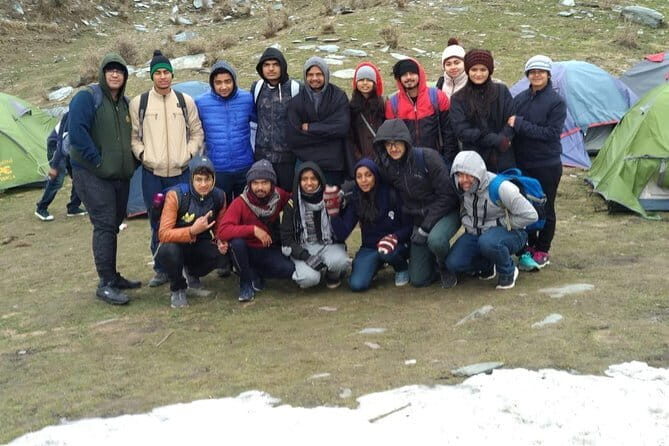
- Overnight time at Triund: you’re not racing sunset; you can actually enjoy it
- Camping kit included: tents, sleeping bags, mattress, and a washroom tent are part of the deal
- Meals are included: lunch on Day 1 plus dinner Day 1 and breakfast Day 2 remove a lot of guesswork
- A view-focused itinerary: Triund hill time is built around the Dauladhar ranges and Snow Point spotting
- Private group flexibility: you move with your party instead of getting swept into random mixing
Why an overnight Triund trek feels different than a one-day climb
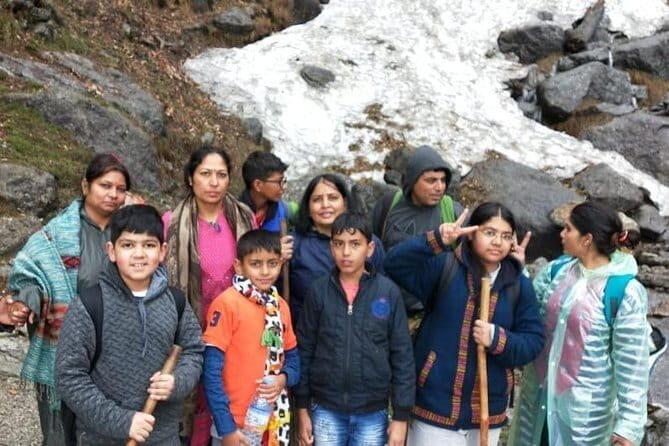
Triund is the kind of hike that many people try to cram into a single day. That works if you’re chasing a fast stamp in your passport—or if you’re happy to feel rushed and cold. But staying overnight is what makes the climb feel human.
With this 2-day plan, Day 1 builds in enough time to hike up, pause for food, and then land at the Triund campsite for the night. Day 2 starts with breakfast and a return, so you’re not doing everything by headlamp and snack crumbs. The payoff is simple: you get time for the views, not just time to reach them.
Also, overnight trekking means you can shift your pacing. You can walk steadily, eat when it’s planned, and stop to look without turning it into a sprint. For many people, that alone turns a hard-to-manage activity into an enjoyable one.
You can also read our reviews of more hiking tours in Dharamsala
McLeod Ganj to Bhagsu Waterfall: warming up your legs the right way
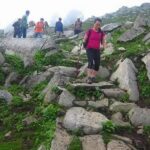
The tour meets you in the McLeod Ganj / Dharamshala area and gets you moving toward Triund with a guide. Along the way, there’s a stop connected to Bhagsu Waterfall, including time built for the scenery on the way up and again briefly on the way back.
Here’s why that matters. Bhagsu is one of the more well-known areas near Dharamsala, and even when you treat it as a “break stop,” it helps you break up the climb psychologically. You get a moment to reset—legs, breath, and expectations—before you commit to the longer stretch.
Practical note: the itinerary includes time blocks around Bhagsu (including admission ticket timing mentioned in the plan). Plan to use those moments. If you rush through them, you lose what makes the day feel balanced rather than nonstop climbing.
Triund Hill: the Dauladhar range viewpoint and Snow Point time
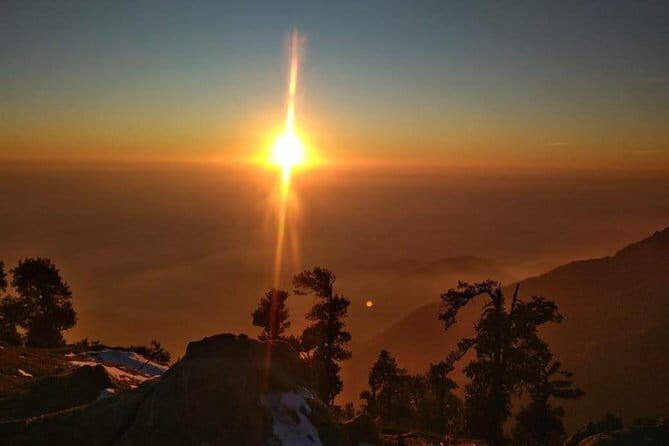
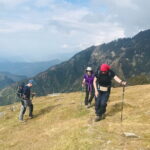
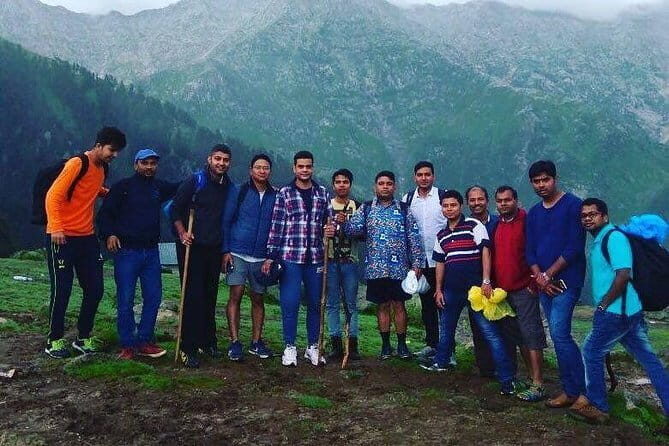
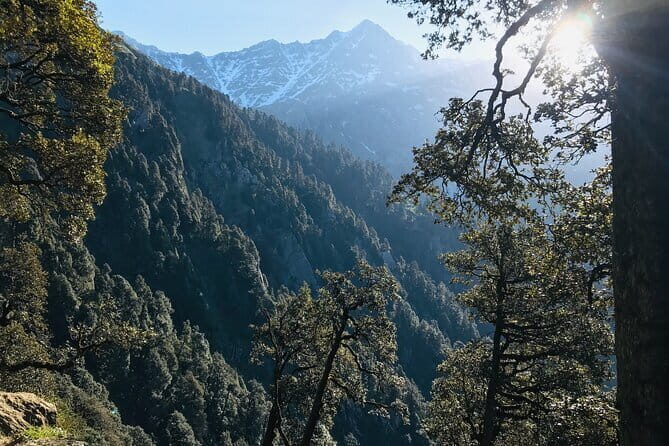
Triund hill is the star. After you reach the area, the plan gives you long sightseeing time focused on big scenery—Dauladhar ranges and a look toward Snow Point (the Snow Line viewpoint referenced in the experience name).
This is the part where the overnight plan really earns its keep. If you only go up and come back the same day, you often spend the best hours moving. With an overnight, you can actually linger where the views are doing the most.
What I like about the way this experience is framed is that it doesn’t promise some cartoon-perfect fantasy snow scene. Instead, it gives you time to look and time to take in the mountain geometry: ridges, layers, and distance. Even when conditions are less dramatic than you hoped, Triund still gives you that “the mountains keep going forever” feeling.
Timing you can feel
Day 1 includes a long on-hill block at Triund (the plan notes a sizable sightseeing window). Day 2 also includes a return trek with morning breakfast at the campsite before you start back. In other words, the schedule is set up so the views aren’t a 10-minute stop.
The Triund campsite setup: tents, sleeping bags, and a washroom tent
One of the biggest value points here is that you’re not hunting for camping gear. The included camping equipment lists tents, sleeping bags, a mattress, and a washroom tent. That’s a big deal for two reasons: comfort and simplicity.
Comfort because you can sleep without improvising. Simplicity because you don’t have to travel with bulky gear or worry about whether your “sleeping setup” will work at elevation. If you’ve done any mountain trekking where you had to cobble together sleep from whatever you packed, you’ll appreciate how much this removes.
What to expect from the campsite experience
You’ll have dinner at Triund campsite on Day 1, then breakfast on Day 2. That means you can treat the night as part of the trek, not as a separate problem you have to solve. The washroom tent helps too, because nothing ruins an overnight like scrambling for basic facilities at the worst moment.
Bring the right mindset
Even with gear included, you should expect the basics: outdoor air, nighttime temperature shifts, and being ready for an early start the next day. Wear a head covering and bring warm layers that you can add or remove. If you get cold easily, pack accordingly.
Also, remember that the tour is described as requiring moderate physical fitness and running best in good weather. That matters because the whole experience depends on the trekking conditions being workable.
Day 2: morning breakfast, the return down, and a final Bhagsu moment
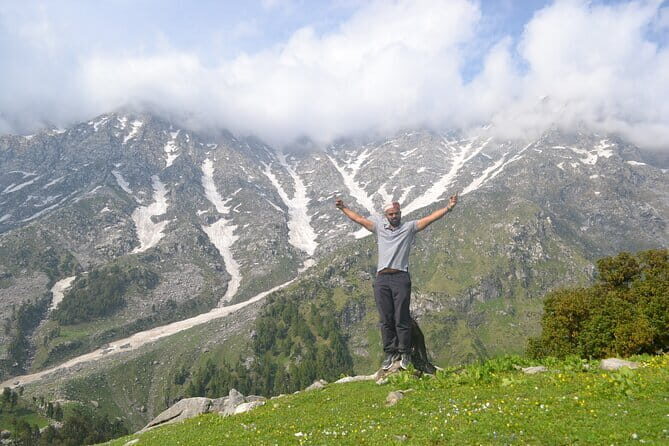
Day 2 starts with breakfast at the Triund campsite and then switches into descent mode. The plan has you trekking back toward Dharamkot / McLeod Ganj area and reaching by evening.
Descent is where many people feel it in their knees. So the smart move is a steady rhythm: shorter steps, careful footing, and no dramatic hero moves. You’ll want your pace to match your guide’s flow, especially on uneven stretches.
After you finish the trek near the Gallu Devi Temple area, there’s time for sightseeing back at Bhagsu Waterfall (the plan includes a shorter stop for that). This acts like a “soft landing” before you head onward. If your legs feel a bit cooked, that final sightseeing slot is easier to enjoy than trying to add extra activities right away.
Price and logistics: what $28 really buys (and what it doesn’t)
At around $28 for a 2-day guided experience with meals and camping equipment, the value is the biggest selling point. You’re paying for three core things that usually cost extra in one way or another:
- guiding and route management up and down
- provided sleeping setup (tents, sleeping bag, mattress)
- planned meals (lunch, dinner, breakfast)
What’s not included is also important to understand. The tour lists GST as not included, and it also doesn’t include tips or porter support for extra luggage. Trekking equipment like shoes and poles isn’t included either, so you’ll need to arrive with your essentials.
The “private” factor
The tour is private for your party, which usually means less time waiting around and more flexibility to move with your group. That matters a lot on something like Triund where people naturally vary in pace.
A small drawback to consider: guide pacing vs group pace
One of the main cautions from experience feedback is about responsiveness and safety pacing. In some groups, you may have a bigger spread of walking speeds, and a single front-and-back approach can leave slower hikers waiting longer than ideal. The tour uses professional guidance, but if you know you’ll need extra support, I’d ask how they manage pacing and spacing for slower members before you start.
Who this trek suits best—and who should tweak the plan
This experience is a great match if you want:
- a guided trek with less planning stress
- an overnight camp so the views aren’t rushed
- included meals and camping gear
- a private setup for your group
It’s also well-suited for people with moderate physical fitness who want to challenge themselves without hauling heavy equipment. If you’re traveling light, this is a relief because the camping gear is handled.
If you’re expecting a full winter “Snow Line expedition” with lots of technical snow travel, you might be disappointed. Based on the plan, the emphasis is on Triund hill sightseeing with a look toward Snow Point rather than a long, higher-altitude snow route.
And if you’re very sensitive to cold nights or you hate sleeping outdoors, you’ll want to think carefully. The sleeping bag and mattress help, but it’s still an overnight in a mountain campsite.
Booking checklist: what I’d do before you leave
Since trekking gear isn’t included, you’ll want to show up ready. At minimum, bring:
- sturdy, grippy footwear
- a daypack with water and snacks (even if meals are included, you’ll likely want extra small items)
- warm layers you can add on breaks
- rain protection, because the experience depends on good weather and plans can shift if conditions are poor
Because the tour is weather-dependent, keep your schedule flexible. If the experience is canceled due to poor weather, you should expect the operator to offer a different date or a full refund.
Also, don’t forget that the tour uses a mobile ticket system. Download the booking details so you don’t scramble at check-in.
Should you book Triund Trek & Snow Line Trek?
If your goal is to enjoy Triund without turning it into a time-trial, I’d book this. The overnight format, included meals, and provided camping gear make it good value, especially if you don’t want to carry a lot or figure out food and sleep at elevation.
I’d only hesitate if you’re very fast-only and hate slower pacing, or if you expect a technical snow trek rather than a viewpoint-focused experience. And if your walking speed is on the slower side, I’d bring it up early so your guide can manage spacing and responsiveness.
If you want a classic Dharamsala mountain experience with real mountain time—and you like the idea of sleeping under the stars while the views wait for you—this is a solid pick.
FAQ
What’s included in the price?
The tour includes breakfast, lunch, dinner, and camping equipment: tents, sleeping bag, mattress, and a washroom tent.
Does the tour provide a guide?
Yes. You trek with a professional guide during the Triund climb and the overall experience.
Is this a private trek?
Yes. It’s a private tour/activity, so only your group participates.
Where do you start and where do you end?
You start from McLeod Ganj, Dharamshala (meeting point in that area). The trek ends near the Gallu Devi Temple area in Dharamkot.
What fitness level is required?
The tour notes that travelers should have a moderate physical fitness level.
Are trekking shoes or poles included?
No. Any extra trekking equipment like shoes or poles is not included.
What happens if the weather is bad?
The experience requires good weather. If it’s canceled due to poor weather, you’ll be offered a different date or a full refund.