REVIEW · CHENNAI
South India Tour- Temple Architecture and Backwaters
Book on Viator →Operated by GeTS Holidays · Bookable on Viator
Temples by day, backwaters by night. This South India circuit balances Tamil Nadu’s monumental temple architecture with Kerala’s houseboat cruising—and it keeps changing pace as you move from Chennai to the coast, then inland to tea country, then back to calm water.
What I like most is how much you actually see without feeling lost: you get an English-speaking guide, plus air-conditioned private vehicle transport for the sightseeing days. Second, the tour’s highlight moments are built in, like temple evening ceremonies in Madurai and the houseboat format in Alleppey that works around how the fishermen use the waterways.
One watch-out: not everything is included. Monument fees are not part of the package, and entry fees for Periyar National Park are also excluded, so your total cost can creep up if you plan to visit every site and park area fully.
In This Review
- Key moments that make this route worth your time
- Why this Tamil Nadu and Kerala mix works (and not just on paper)
- Chennai arrival: set up fast, then enjoy the momentum
- Mahabalipuram (Mamallapuram): rock-cut temples and the Shore Temple feel
- Pondicherry: a fast change from Tamil temple gravity
- Thanjavur (Tanjore): temples plus art you can actually buy and see
- Tiruchirappalli (Trichy): Rock Fort Temple views and Srirangam scale
- Chettinad: mansions, courtyards, and the practical side of luxury
- Madurai: Meenakshi Temple and the Aarti ceremony in the evening
- Munnar tea hills: viewpoints, plantations, and a tea museum day
- Thekkady and Periyar: your one wildlife window is a boat ride
- Kumarakom leisure day: slower water time without the pressure
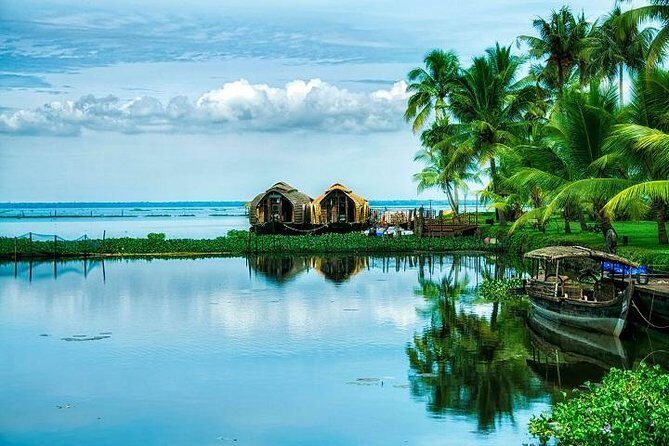
- Alappuzha houseboat stay: what makes it feel different
- Kochi (Cochin) departure: plan for a clean finish
- Price and value: where the money goes, and what to expect to pay extra
- Who this tour suits best (and who should think twice)
- Should you book this South India temple-and-backwaters tour?
- FAQ
- Is the price for this South India tour $1,750 per person?
- What’s included in the tour package for meals and accommodation?
- Are monument fees or entry fees included?
- Do you get airport transfers?
- Is there a guide and transportation during sightseeing?
- Is there any time without the vehicle?
- What boat experiences are included?
- Does the houseboat cruise happen at night?
- Is Periyar’s boat ride guaranteed?
- What if my plans change after booking?
Key moments that make this route worth your time
- Rock-cut and coastal temple stops in Mahabalipuram with UNESCO-level scenery you can walk through
- Madurai at night with an Aarti ceremony at the Meenakshi Temple complex
- Tea country days in Munnar tied to plantation viewpoints and a tea museum
- A Periyar lake boat ride in Thekkady as your wildlife-sighting window
- An Alleppey houseboat stay with lunch and evening snacks handled onboard, plus overnight anchoring since cruising stops at night
Why this Tamil Nadu and Kerala mix works (and not just on paper)
South India isn’t one “thing.” Tamil Nadu can feel like a living museum of stonework—busy gates, tall gopurams, and temple towns built around rituals. Kerala, on the other hand, is about water, slow travel, and the way landscapes soften once you reach the backwaters.
This tour works because it puts those two moods next to each other on purpose. You start on the east coast with Mahabalipuram’s rock-cut temples and the Shore Temple vibe, then shift northward to Pondicherry’s French-influenced neighborhoods. After that, you go inland through temple hubs like Thanjavur and Tiruchirappalli, then hit Madurai for the full devotional experience. Finally, you switch to Kerala for hills (Munnar), a wildlife-focused day (Thekkady/Periyar), and then the signature backwater experience (Kumarakom and Alappuzha).
If you like your travel days planned but not over-scripted, this has a good rhythm: sightseeing blocks in the morning to afternoon, then slower evenings—especially in places like Madurai and on the houseboat.
You can also read our reviews of more tours and experiences in Chennai.
Chennai arrival: set up fast, then enjoy the momentum
On arrival at Chennai International Airport, you’re met and assisted for the transfer to your hotel, then you check in and relax. That first day matters more than it sounds. Chennai can be chaotic, and the biggest travel mistake is wasting your energy on logistics after a long flight.
The tour also uses a private setup for the sightseeing portion. That means you’re not negotiating with random schedules or waiting around for a big group to herd itself into motion. The meeting time is set for 8:00 am, so once you’re settled, you know what to expect the next day.
Mahabalipuram (Mamallapuram): rock-cut temples and the Shore Temple feel
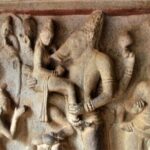
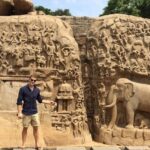
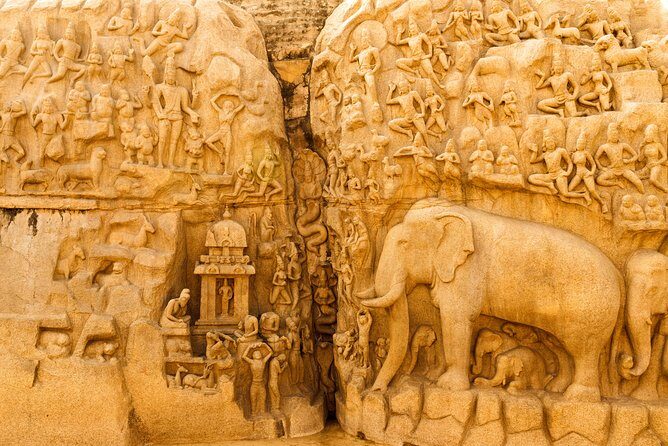
After breakfast, you drive to Mamallapuram, a UNESCO World Heritage Site, and spend time at two standout temple experiences: the rock-cut temples (including Arjuna’s Penance) and the Shore Temple.
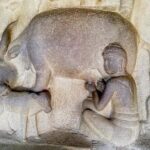
Here’s what makes this stop click: rock-cut temples don’t just look old. They show technique. You’re seeing how sculptors worked with the shoreline’s stone and how religious art was designed to be read up close. Arjuna’s Penance is one of those carvings where your eyes keep traveling—figures, scenes, and layers of detail—until you realize the entire composition is built like a story.
Practical note: you’ll spend a few hours here, so bring comfortable walking shoes and expect you may want extra time if you get curious and start looking at smaller carvings.
Pondicherry: a fast change from Tamil temple gravity
From there, the tour shifts to Pondicherry. You head out after breakfast and then tour Pondicherry across two clear identities: the French “White City” and the Indian “Black City.” You’ll visit spots including the Sri Aurobindo Ashram, Auroville, Sri Ganesha Temple, and Manakula Lord Vinayagar.
This is a smart palate cleanser between temple stops. Tamil Nadu’s architecture can feel monumental and intense; Pondicherry gives you a different kind of texture—less about towering stone, more about layered cultural influence and a calmer street pace.
One small caution: the stop is scheduled for a few hours. If you’re the kind of person who wants to linger for quiet moments, you may wish you had an extra half-day. Still, as a transition day, it does the job.
Thanjavur (Tanjore): temples plus art you can actually buy and see
Next comes Thanjavur, known for Tanjore paintings, silk weaving, and Bharatanatyam. You check in and then spend time sightseeing.
Why it matters for you: this isn’t only architecture. Thanjavur connects temple culture to craft culture. You’ll see how the same devotional environment that builds temples also supports the visual arts—paint and textile traditions that people still practice.
The tour keeps the day at a reasonable length, but if you’re shopping-inclined, Thanjavur is the kind of place where you’ll want to keep an eye on time so you don’t rush past workshops and markets.



Tiruchirappalli (Trichy): Rock Fort Temple views and Srirangam scale
You travel to Trichy and then visit the Rock Fort Temple and Srirangam Temple. After that, you walk through the China Bazaar, Grand Bazaar, and nearby side streets.
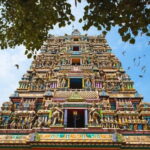
This is a strong combo. Srirangam is the kind of temple space where scale becomes part of the experience. You feel the complex before you even finish walking through it. Then Rock Fort Temple adds a different angle—literally and figuratively—because the “fort” setup suggests elevation and the chance to see the town layout.
The market stroll is also a practical win. Temple days can turn into a string of “sit, look, move on.” Here, you get street life and browsing time, which makes the day feel more grounded.
Chettinad: mansions, courtyards, and the practical side of luxury
From Trichy, you head to Chettinad, famous for houses embellished with marble and Burma teak, with wide courtyards and spacious rooms. You’ll visit Chettiars mansions and the museum.
Chettinad is one of those places where architecture tells you about wealth and trade. Even when you’re just observing, you can tell these spaces were built for social life: courtyards for air and movement, interiors made for comfort in a warm climate, and materials chosen for durability and status.
Worth knowing: the tour lists admission for this stop as not included, so if you plan to go deep inside, expect separate fees.
Madurai: Meenakshi Temple and the Aarti ceremony in the evening
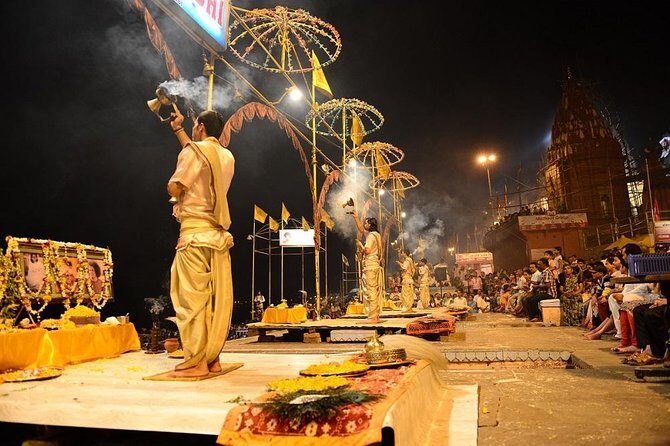
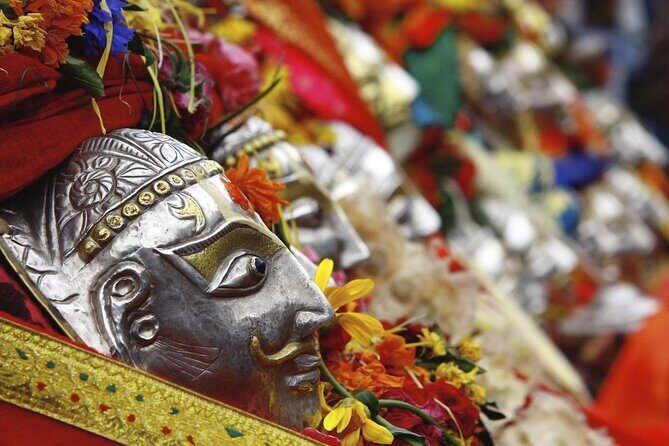
Madurai is where the tour leans fully into Tamil Nadu devotion. You visit the Meenakshi Temple, the Vandiyur Mariamman Teppakulam, and the Thirumalai Nayak Palace, then you catch an evening Aarti ceremony at the temple.
This is the kind of evening ritual that can’t be faked by photos. Aarti is built around timing, sound, movement, and the way the crowd participates. Even if you’re not steeped in the tradition, you’ll likely feel the structure of the moment: devotion happening in real time.
One thing to consider: temple areas can mean lots of people at certain points. If you prefer open space, arrive with patience and plan to keep your expectations flexible.
Munnar tea hills: viewpoints, plantations, and a tea museum day
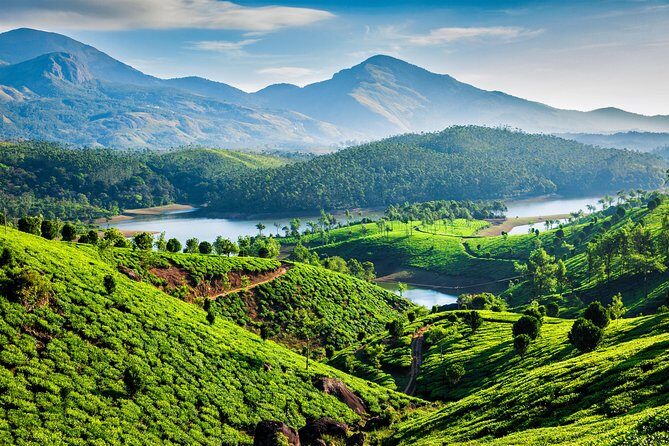
After Madurai, the tour moves to Munnar, meaning three rivers—Madhurapuzha, Nallathanni, and Kundaly. You’re in tea plantation hills with spectacular views, and you stay here for two days.
Day one in Munnar focuses on the viewpoint-side experience: tea plantation landscapes are the main event. Day two adds specific visits including Atukkad Cascades, Chithirapuram tea plantations, a floriculure center, and a tea museum.
This is where the tour gives you a mix that helps. If you only do tea views, it can feel repetitive. If you only do museums, you miss the reason people come to hill stations in the first place. The combination keeps it interesting: you see the product, you see how it grows, and you get a chance to connect it to how the region works.
Practical tip: tea-country sightseeing days often involve winding roads and cooler air than the lowlands. Light layers help.
Thekkady and Periyar: your one wildlife window is a boat ride
From Munnar you go to Thekkady for Periyar Wildlife Sanctuary. You take a boat ride in Periyar lake (one boat ride is included), then you check in and stay overnight in the Periyar area.
Two key notes from the tour details:
- the park ride/boat ride in Periyar is subject to accessibility
- entry fees for Periyar National Park are not included
This means you should treat the wildlife portion as a timed, weather-and-access dependent window. You can still plan your expectations: the goal is the lake ride and the scenery around it, with wildlife as a bonus rather than a guarantee.
Kumarakom leisure day: slower water time without the pressure
Next comes Kumarakom. You drive there, check in, and then get a day free at leisure.
This is a smart break after packed days. It’s also a clue about the tour’s structure: the vehicle is not provided on leisure days. That’s normal for many packages, but it matters for planning—have an idea of what you want to do on your own, or simply use the time to rest.
Kumarakom is also a good place to let the Kerala “water mood” settle in. Even without a scheduled excursion, you’re already in the right region for backwater vibes.
Alappuzha houseboat stay: what makes it feel different
Alappuzha (Alleppey) is the big backwater moment. You board the houseboat and stay onboard as part of the itinerary.
Here’s what I’d underline for you, because these details shape the experience:
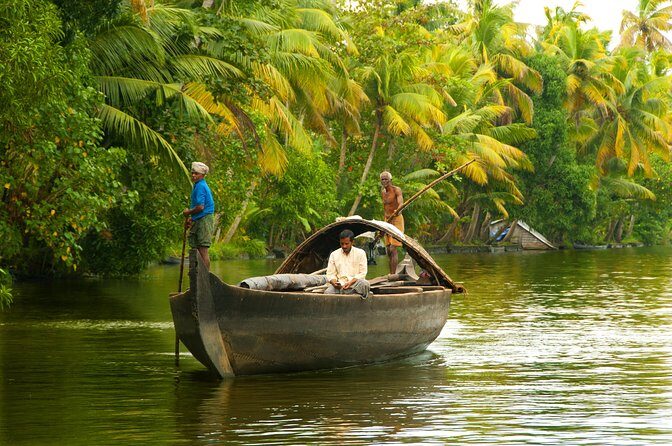
- The houseboat will be anchored near rice paddies for lunch, then cruise resumes afterward.
- In the evening, tea/coffee and snacks are served.
- At night, the boat is anchored near villages, because cruising is not possible when local fishermen put their nets.
- Dinner is served onboard.
In other words: this isn’t an all-night speed cruise. It’s a working-waterway routine, which is often what makes the experience feel authentic. When the boat stops, you’re not stuck. You’re observing—water, villages, and the slow switch into evening quiet.
Also note: houseboat cruising is subject to weather conditions. If conditions aren’t ideal, your actual cruising time can change.
Kochi (Cochin) departure: plan for a clean finish
On the final day, you head to Cochin International Airport for your flight back home. The tour includes the transfer and assistance.
This is another good logistics element. Ending with a straightforward airport transfer helps you avoid last-minute stress—especially after days of multiple accommodations and long drives.
Price and value: where the money goes, and what to expect to pay extra
At $1,750 per person for about 13 days, this sits in the “organized and comfortable” category rather than a budget DIY trip. The value comes from a bundle of things that are expensive and time-consuming to coordinate yourself:
- 12 nights of accommodation in 3-star hotels
- meals (dinner and lunch are included during the hotel portion, plus breakfast listed for 12 mornings)
- houseboat accommodation at Alleppey, including meals onboard
- airport transfers with assistance in Chennai and Cochin
- air-conditioned private vehicle for sightseeing days
- an English-speaking guide
- a boat ride in Thekkady
What’s not included can affect your final total:
- monument fees
- entry fees to Periyar National Park
- anything personal (tips, laundry, phone use, liquor, and similar)
- travel/medical insurance
- and any extra spending on optional tours
My practical take: if you’re the type who likes to see set sights with a guide and predictable meal planning, this package can feel fair. If you’re trying to minimize extra fees and you’re happy to skip optional entries, you can keep costs down by being selective about paid monuments.
Who this tour suits best (and who should think twice)
This tour is a great fit if you want:
- a single route covering both Tamil Nadu temples and Kerala backwaters
- structured sightseeing with an English-speaking guide
- the houseboat experience without needing to arrange it yourself
- comfortable 3-star hotel bases and most meals handled
It might be less ideal if you:
- hate packed days and multiple city-to-city changes
- plan to rely on strict inclusion of every ticketed site (since monument fees and Periyar entry aren’t included)
- need total freedom on leisure days (because the vehicle isn’t included then)
Should you book this South India temple-and-backwaters tour?
I’d book it if your priority list looks like this: Tamil Nadu temple architecture, a real ritual evening in Madurai, plus the classic Kerala backwater stay in Alleppey. The structure makes it easier to focus on experiences rather than navigation.
I’d pause before booking if you’re counting on all paid entries being included, or if you need every day to be totally unhurried. With monument fees and Periyar entry excluded, your total depends on how many ticketed sites you decide to do.
One more reason I’d feel confident recommending it: the tour planning approach is described as professional and safe, with standout support mentioned by name—Santosh and Azhar are credited with careful planning, and one review specifically mentions an Italian guide. That’s the kind of attention you want when you’re moving across multiple regions.
FAQ
Is the price for this South India tour $1,750 per person?
Yes. The tour price listed is $1,750.00 per person for the 13-day experience.
What’s included in the tour package for meals and accommodation?
You get 12 nights in 3-star hotels, plus dinner and lunch, and breakfast for 12 days during the hotel portion. You also get accommodation on the houseboat at Alleppey with room and meals onboard.
Are monument fees or entry fees included?
No. Monument fees are not included, and entry fees to Periyar National Park are also not included.
Do you get airport transfers?
Yes. Airport transfer with assistance is included for Chennai and Cochin.
Is there a guide and transportation during sightseeing?
Yes. You’ll have an English-speaking guide for sightseeing and air-conditioned private vehicle transport as per the itinerary.
Is there any time without the vehicle?
Yes. The tour notes that services of the vehicle are not provided on leisure days and after finishing the sightseeing tour.
What boat experiences are included?
The tour includes one boat ride in Thekkady. For Alappuzha, you stay on a houseboat, with cruising details handled onboard.
Does the houseboat cruise happen at night?
No. The houseboat is anchored near villages at night because cruising is not possible while local fishermen put their nets.
Is Periyar’s boat ride guaranteed?
It’s not guaranteed. The boat ride/park ride in Periyar National Park is subject to accessibility.
What if my plans change after booking?
This experience is non-refundable and cannot be changed for any reason.