REVIEW · SAWAI MADHOPUR
Ranthambhore: Ranthambhore Tiger Reserve Booking
Book on GetYourGuide →Operated by Ranthambore Wildlife · Bookable on GetYourGuide
That first tiger look is the whole point.
This 3.5-hour jeep safari in Ranthambore mixes wildlife time with a guided tour that also takes in the Ranthambore Fort area, so your time isn’t only about waiting in silence. I especially like the small group feel (up to 6 people) and the chance to spot not just tigers but also leopards, sloth bears, deer, and lots of birds. One thing to think about: tiger sightings aren’t guaranteed, and the park zones you’re taken to can make a big difference.
You meet at Shiv Shankar Restaurant, head into Ranthambore National Park by shared jeep, and return to the same place. The best version of this trip feels like a focused morning or daytime safari with a guide who helps you read animal behavior and park terrain fast, from your seat in a jeep.
In This Review
- Key Things That Make This Safari Worth Your Time
- Riding Out to Ranthambore: What the 3.5 Hours Actually Feels Like
- Ranthambore National Park by Jeep: Seeing More Than One Type of Animal
- The Fort Factor: Why Ranthambore Fort Adds Real Value
- Wildlife Odds: Tigers, Leopards, Sloth Bears, and the Things People Miss
- Price and Comfort: Is About $62 Good Value?
- Zones Matter: How to Improve Tiger Chances (Without Losing Your Mind)
- English Guide and Game-Reading: What You’re Paying For
- What to Bring (and What to Wear) for a Better Safari Day
- Who Should Book This Safari in Ranthambore
- Should You Book This Ranthambore Tiger Reserve Jeep Safari?
- FAQ
- How long is the Ranthambore jeep safari?
- Where do I meet for the tour?
- Is there a guide, and what language is used?
- What should I bring with me?
- Can I smoke or eat during the safari?
- Who is the safari not suitable for?
Key Things That Make This Safari Worth Your Time
- Small group (up to 6) so you’re not stuck in a huge crowd fighting for sightlines
- English live guide who helps you understand what you’re seeing and why it matters
- Ranthambore Fort stops add context beyond wildlife spotting
- Shared jeep comfort with enough visibility to scan for movement (not just stare at dust)
- Bring binoculars because the real action can be far off and quick
Riding Out to Ranthambore: What the 3.5 Hours Actually Feels Like
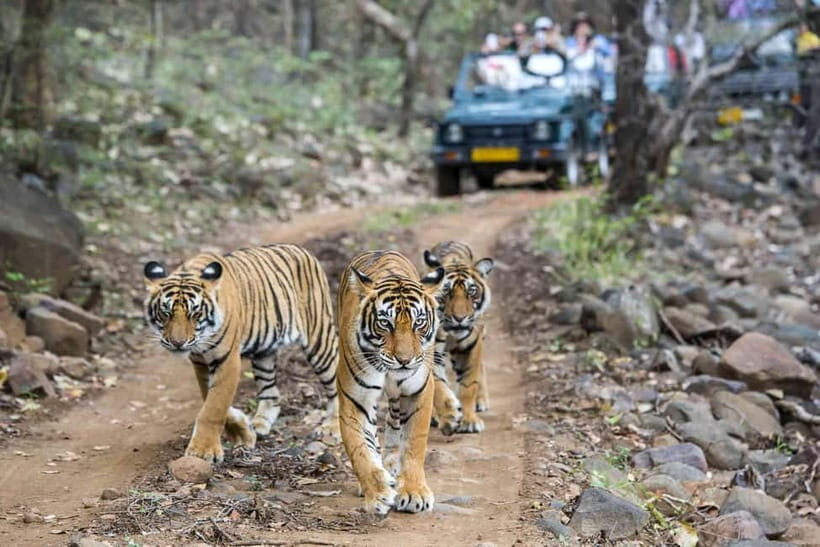
This tour is built around a simple promise: you get into Ranthambore National Park and you spend about 3.5 hours on a guided jeep safari with entry fees covered. That time box matters. In wildlife parks, the day can stretch fast if logistics are sloppy. Here, the structure is tight enough that you’re not just touring your way to the “idea” of wildlife—you’re in the park, and you’re driving.
Your day starts at Shiv Shankar Restaurant. That’s helpful because you’re not trying to decode where to meet, and it keeps the pickup and drop-off simple. During the safari window, you’re also moving through different parts of the reserve, which is part of the strategy: animals spread out, and you need routes that put you near signs, tracks, resting spots, and feeding rhythms.
This is a shared jeep experience. That means you’ll be closer to other people than in a private vehicle, but the upside is value. You’re also more likely to learn something from the way your guide handles questions and scanning during stops—especially if the jeep has room to reposition for spotting.
You can also read our reviews of more tours and experiences in Sawai Madhopur.
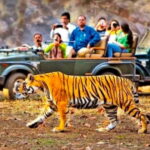
Ranthambore National Park by Jeep: Seeing More Than One Type of Animal
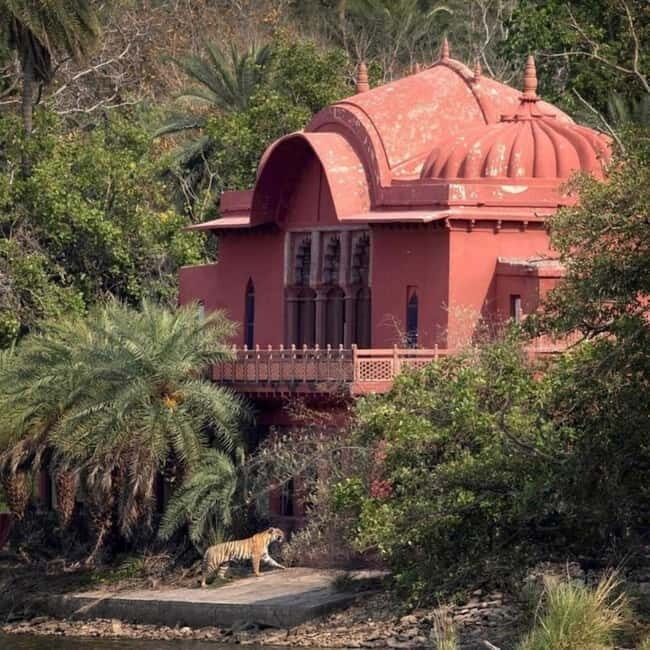
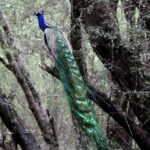
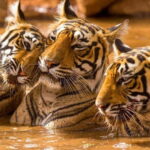
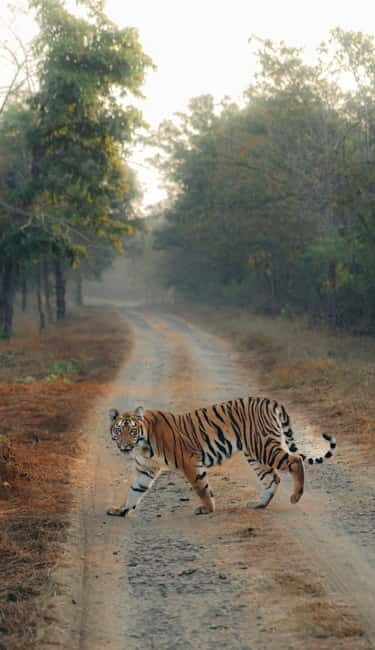
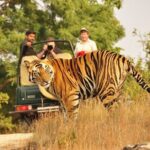
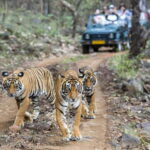
Ranthambore is known for Bengal tigers, but the park experience isn’t just tiger math. This safari is also set up for the “second surprises” that make a day feel complete: leopards, sloth bears, several kinds of deer, and lots of bird life.
Here’s what that means in practice. A tiger is a rare, fast event when it happens. But deer movement, bird calls, and bear-like body language can show up more often. If you go in expecting every minute to produce a tiger, you’ll end up tired and tense. If you go in ready to notice smaller signals—like where deer are keeping watch, or where birds cluster—you give yourself more chances to feel like something is happening.
The guide’s role helps here. You’re not just riding; you’re getting cues about where to look and what to watch for. That’s especially useful because animal sightings in a jeep can be brief. Sometimes the most important thing is knowing what you’re already seeing before it turns into a “maybe it was nothing.”
The Fort Factor: Why Ranthambore Fort Adds Real Value
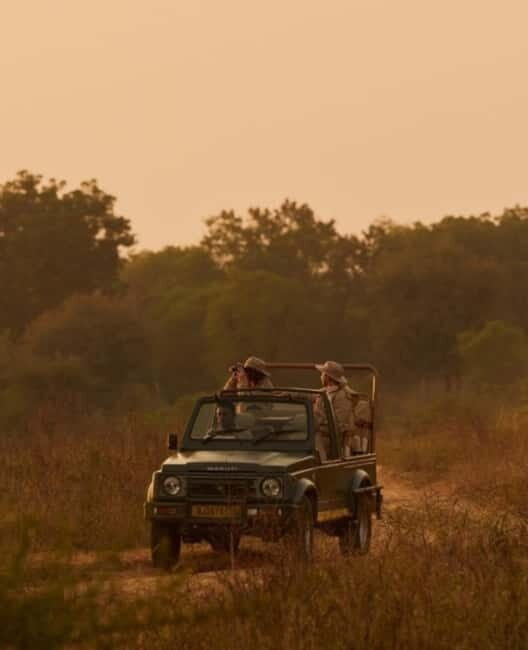
Many safaris are strictly wildlife. This one adds another layer: the Ranthambore Fort area. You might not expect a fort to matter on a safari, but it does for two reasons.
First, it gives context. The park isn’t only “nature on a map.” Human history shaped how this area was understood, used, and built up over time. A fort stop is a quick way to connect the dots between the wildlife reserve and the older Rajasthan story.
Second, it helps you read the geography. Fort viewpoints and the ridges around them tend to influence how animals move and how people see into the reserve. Even if you’re not spending long on sightseeing, those brief stops can improve your mental map for the rest of the drive.
One careful note: the fort area can be tied to specific parts of the park. If you care about seeing it, ask ahead (or confirm with your guide) how your route is planned and which zones you’ll enter.
Wildlife Odds: Tigers, Leopards, Sloth Bears, and the Things People Miss
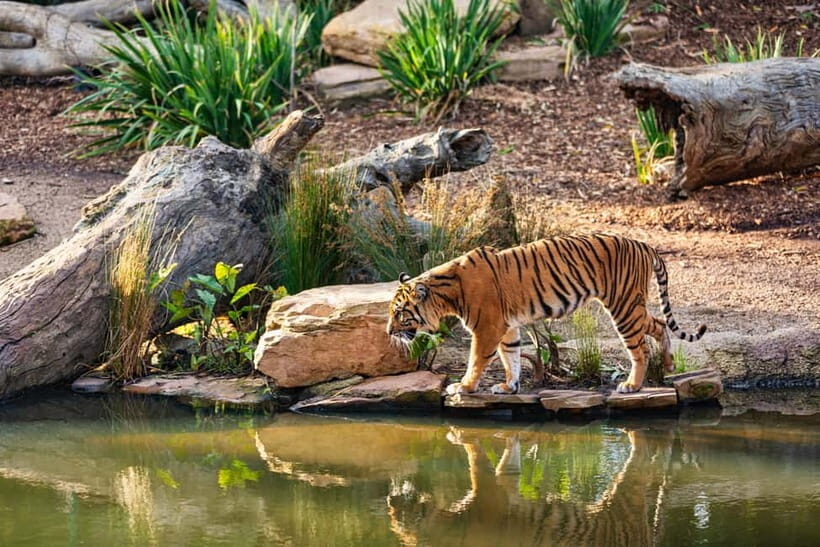
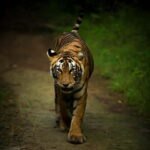
Let’s be honest: the main reason people book Ranthambore is tigers. But the real win is often broader. You’ll want to judge your day by what you actually see, not by what you hoped would happen.
A tiger sighting, when it comes, can feel like the entire safari clicks into place at once. But if your tiger chance is low, the park still offers memorable encounters—like leopards (which can be easier to spot than tigers, depending on timing and cover) and sloth bears (trickier, but fascinating when you catch the movement and behavior).
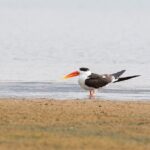
Also, don’t underestimate birds. In a jeep, birds can be your early warning system. If you see a change in bird activity, or a sudden burst of calls, it can signal something bigger nearby—even if you can’t see it immediately.
A practical mindset helps. If you come prepared with a camera and binoculars, you can switch from “search mode” to “observe mode” when animals are at distance. That alone can turn an average safari into a satisfying one.
Price and Comfort: Is About $62 Good Value?
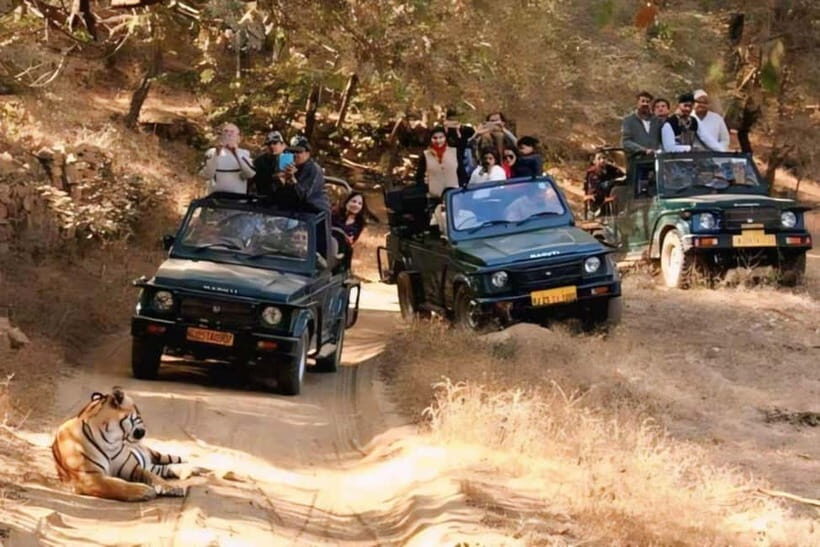
The listed price here is $62 per person, with entry fees included and transport by shared jeep. That’s usually a fair balance in a place like this, where access to the reserve is regulated and vehicle-based safaris are the standard.
Where value gets tricky is not the base price—it’s the details that affect your outcome:
- How many people are in your jeep
- Which park zone you’re taken to
- How clearly your guide communicates and helps you spot animals
- Whether vehicle type matches what you think you booked
You may see large price swings online. When prices look unusually cheap or unusually premium, I’d treat that as a red flag to double-check what you’re actually getting. One painful example from recent experiences: people who expected a specific private-style vehicle ended up in a much larger group setup. If you’re paying for comfort or a quieter ride, confirm the arrangement clearly before you go.
For me, the best value is the sweet spot: small group access, good sightlines, and a guide who actively helps you interpret what’s happening on the ground.

Zones Matter: How to Improve Tiger Chances (Without Losing Your Mind)
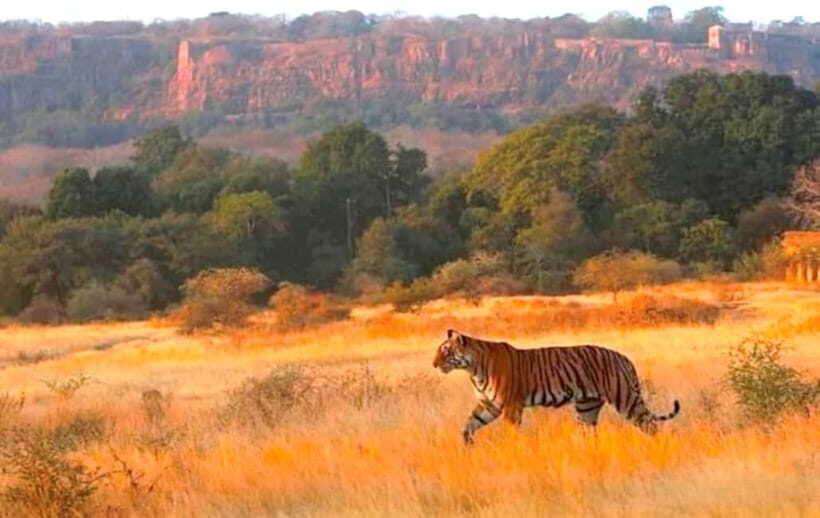
Here’s the part that can make or break expectations. Ranthambore is managed by zones, and your odds can change depending on where you’re placed.
A couple of key lessons you should take seriously:
- If tiger sightings are your top priority, push for zones 2–6.
- If you’re put into a different zone (like zones 7 or 8), you may get fewer tiger moments, and your guide may explain tiger behavior patterns for that time of day.
One common disappointment pattern: arriving expecting tigers, then being routed to a zone that isn’t performing for tiger sightings that day. Another issue: the fort can be located in different zones (people talk about it in relation to zones 1, 2, and 5). If you’re sent to a far-out zone, you might lose both tiger odds and the fort stop you were hoping for.
So what should you do?
- Ask the operator what zones are planned for your safari.
- If zones can be requested, request 2–6 when possible.
- If you’re aiming for the fort, ask which zone(s) make that stop realistic.
You can’t control the park’s animal behavior. But you can control the entry area, and that’s a lever worth using.
English Guide and Game-Reading: What You’re Paying For
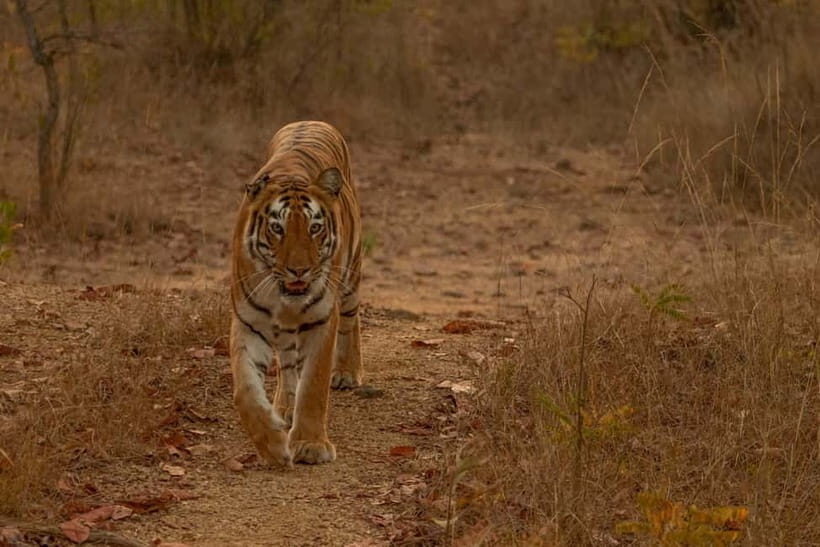
This safari includes a live guide in English, and that’s a big deal for two reasons.
First, it helps you scan efficiently. In a jeep, you don’t have time to get confused. A good guide helps you learn quickly: where to look first, what movement patterns mean, and how to interpret animal distance.
Second, it turns the safari into a story you can follow. Instead of “we drove and saw nothing,” it becomes “we checked these areas, we watched this behavior, and here’s why the tiger didn’t show (or did).” Even when the tiger stays hidden, understanding the process reduces the frustration.
The flip side: not every guide experience will feel equal if English isn’t handled smoothly. If clear communication matters to you, confirm guide language and expectations before you book.
What to Bring (and What to Wear) for a Better Safari Day
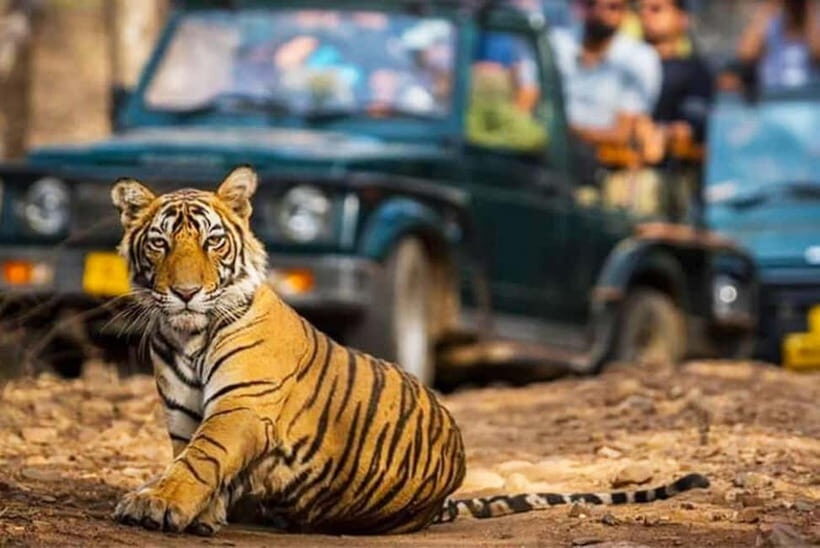
Ranthambore is hot, bright, and dusty at times. Your comfort directly affects your ability to watch for movement. For this safari, I’d plan around the provided essentials:
Bring:
- A hat
- Sunscreen
- Camera
- Binoculars
- Comfortable clothes
- Comfortable shoes
Not allowed:
- Smoking
- Food and drinks during the safari
If you forget the hat and sunscreen, you’ll spend the first part of the safari thinking about your sunburn instead of the reserve. Binoculars are especially useful because wildlife can be at the edge of sight. A camera is great, but binoculars are often the difference between “I saw something” and “I know what I saw.”
Who Should Book This Safari in Ranthambore
This experience fits best if you:
- Want a guided wildlife safari, not a self-driving day
- Like the idea of seeing multiple animals, not only tigers
- Prefer a small group format (up to 6 people)
- Are comfortable with jeep travel and limited on-the-spot movement
It’s not suitable for:
- Wheelchair users
- Pregnant women
- People with back problems
If any of those apply, don’t force it. A safari vehicle is bumpy and the time in the seat is real.
Should You Book This Ranthambore Tiger Reserve Jeep Safari?
Book it if you want a structured, small-group safari with an English guide, entry fees included, and a plan that includes wildlife plus Ranthambore Fort context. At around $62 per person, it also looks like solid value if the vehicle arrangement and route match what you need.
I’d hesitate or at least ask very specific questions if:
- Tigers are your only goal and you’re risk-sensitive about not seeing one
- You care deeply about which zone you enter and the fort stop
- You want to avoid surprises in vehicle size or group crowding
To make the call smart, confirm two things before you pay: the zone plan (aiming for 2–6) and the exact vehicle/group size arrangement. Do that, and you’ll set yourself up for the best kind of Ranthambore day—one where you actually enjoy the chase.
FAQ
How long is the Ranthambore jeep safari?
The safari lasts about 3.5 hours, including the guided safari experience inside Ranthambore National Park.
Where do I meet for the tour?
The tour starts and ends at Shiv Shankar Restaurant.
Is there a guide, and what language is used?
Yes, there is a live guide and the tour language is English.
What should I bring with me?
Bring a hat, camera, sunscreen, and binoculars, plus comfortable clothes and comfortable shoes.
Can I smoke or eat during the safari?
No. Smoking is not allowed, and food and drinks are not allowed during the safari.
Who is the safari not suitable for?
It’s not suitable for wheelchair users, pregnant women, or people with back problems.