REVIEW · CHENNAI
Private Tour to Kanchipuram and Mahabalipuram with Pick Up
Book on Viator →Operated by Chuttibaaz · Bookable on Viator
One morning, two ancient worlds. This private Kanchipuram and Mahabalipuram day mixes temple architecture, sacred art, and seaside rock sculptures without the hassle of planning the route yourself.
I like the clean format: you get a comfortable AC car plus a professional English-speaking guide, so you can focus on the sights instead of figuring out logistics. I also love that the stops are focused—Kanchipuram’s major temples first, then Mahabalipuram’s shoreline monuments—so the day feels structured even if it runs long.
The main drawback to weigh is time: it’s about 12 hours with transfer time baked in, and the sun can feel intense during outdoor ruins. Bring a hat and plan for a long day, not a quick hit.
In This Review
- Key Things That Make This Tour Worth Your Time
- Morning Pickup From Chennai: How a 12-Hour Temple Day Really Feels
- Kanchipuram: A Temple Town with Silk in the Background
- Kamakshi Amman Temple: Peace, Carvings, and Dravidian Details
- Varadharaja Perumal Temple: Vishnu Devotion in Stone Halls
- Ekambareswarar Temple: Shiva, a Massive Tower, and an Ancient Mango Tree
- Drive Toward Mahabalipuram: Watching the Day Shift to the Coast
- Shore Temple: An 8th-Century Sea-Side Landmark
- Pancha Rathas: Five Stone Chariots Carved from Rock
- Arjuna’s Penance and Krishna’s Butterball: The Big Myth-on-Stone Stop
- Price and What You’re Actually Getting for $128.86
- Comfort, Pacing, and Who This Tour Fits Best
- Should You Book This Chennai-to-Kanchipuram-and-Mahabalipuram Tour?
- FAQ
- How long is the tour?
- What time will I be picked up in Chennai?
- Is this tour private?
- Which places are included in the day?
- Are temple entry tickets included?
- What’s included in the price?
- What isn’t included?
- Can I cancel for a full refund?
- Who can participate?
Key Things That Make This Tour Worth Your Time
- Private group only: it’s just your party, so the pace and questions stay flexible.
- AC pickup from Chennai: you start early and stay comfortable on the drive between cities.
- Temple stops that match different faith traditions: Kamakshi Amman, Varadharaja Perumal, and Ekambareswarar give you variety in Dravidian architecture and symbolism.
- Mahabalipuram highlights in one circuit: Shore Temple, Pancha Rathas, and Arjuna’s Penance let you see the UNESCO core without juggling tickets and transport.
- Water and essential costs included: 2 bottles of mineral water per person plus parking/tolls/local taxes reduce small “surprise” expenses.
- Guide quality can make or break a heritage day: one guide named Shiva was specifically praised for being patient and friendly.
Morning Pickup From Chennai: How a 12-Hour Temple Day Really Feels
This is built as a full-day outing. Expect a morning pickup from your hotel or residence in Chennai, with the start time falling between 8:00 AM and 9:00 AM. In one review, the departure was even called out as a 7:30 start, so if you want cooler travel and fewer crowds, you’ll be up early either way.
The payoff is that you avoid the biggest headaches of DIY travel: getting out of Chennai, finding the right vehicles for the long drive, and coordinating multiple stops across two towns. The tradeoff is simple—you’re out for most of the day, and the time on the road matters.
Bring a hat, plan to dress light, and keep your water handy. One practical detail I appreciate here: you’re provided with 2 bottles of mineral water per person, which helps you pace yourself once the walking starts.
You can also read our reviews of more private tours in Chennai


Kanchipuram: A Temple Town with Silk in the Background
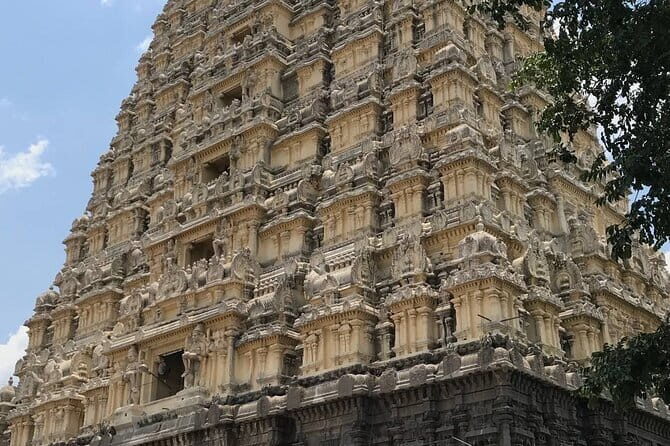
After pickup, you head toward Kanchipuram, often called the City of Thousand Temples. It’s not just a name you pass by on the way; the whole town’s identity is tied to temple life and long-standing crafts, especially silk weaving.
Once you arrive, the day doesn’t feel random. The route moves through major temples that represent different parts of South Indian devotional culture. Even if you’re not a “temple person,” you’ll likely find something visual to latch onto—carvings, stone columns, and the way each temple design tells you who the focus is.
Kanchipuram is also where your guide’s context becomes useful. Dravidian temple architecture can look similar at first glance. With a good guide, you start noticing the differences in layout, the style of sculptures, and the kinds of symbols that appear again and again for each deity tradition.
Kamakshi Amman Temple: Peace, Carvings, and Dravidian Details
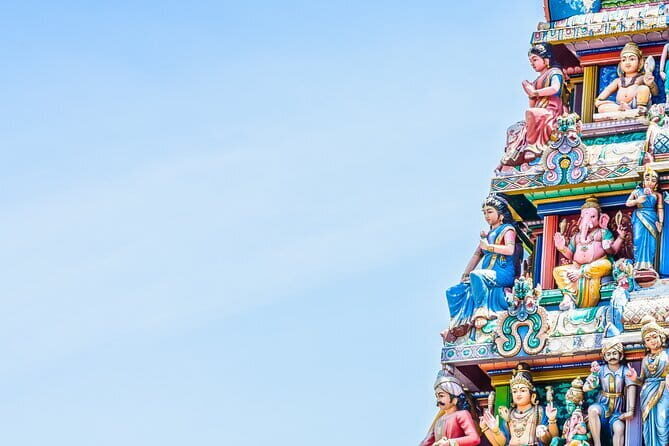
One of the first major stops is Kamakshi Amman Temple, a key site dedicated to Goddess Kamakshi. This temple is known for a peaceful atmosphere, and that’s the kind of “breathing room” you want early in the day—especially when the rest of your schedule includes several more monuments.
Plan on about one hour here. You’ll see traditional Dravidian architecture and detailed carvings up close. This is one of those stops where you’ll get more out of it if you slow down for a few minutes and look rather than just move through.
A practical note: the temple experience can involve shaded and open areas. If you’re visiting during hotter parts of the day, you’ll want light clothing and a plan to take brief rests when you can.
Varadharaja Perumal Temple: Vishnu Devotion in Stone Halls
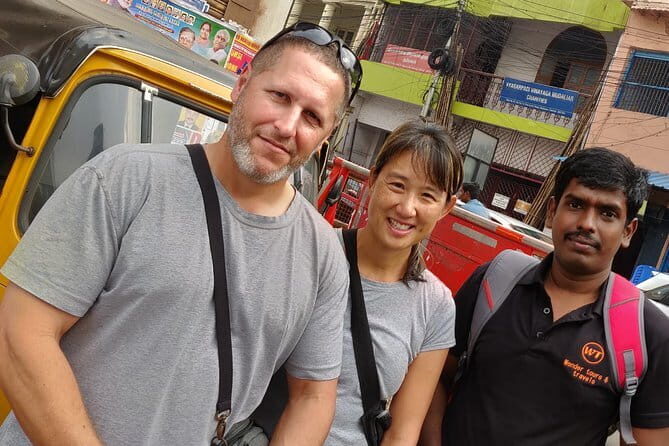
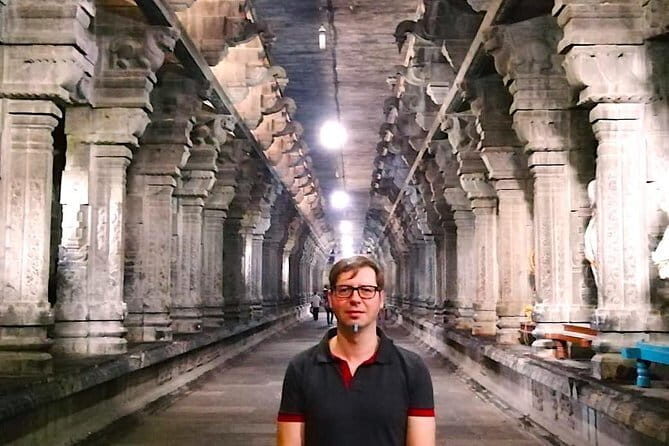
Next comes Varadharaja Perumal Temple, dedicated to Lord Vishnu. This one is shorter—around 30 minutes—but it’s memorable because you’re moving through grand halls and seeing impressive stone pillars.
This is the stop that often surprises people. From a distance, temples look like “big buildings.” Up close, you understand how the interior space is part of the devotional experience. You’re not only looking at sculptures; you’re reading the structure.
If you’re the type who likes photographs, remember that camera or video charges at monuments are listed as not included. So if you plan to shoot a lot, assume there could be extra costs depending on the site rules.
Ekambareswarar Temple: Shiva, a Massive Tower, and an Ancient Mango Tree
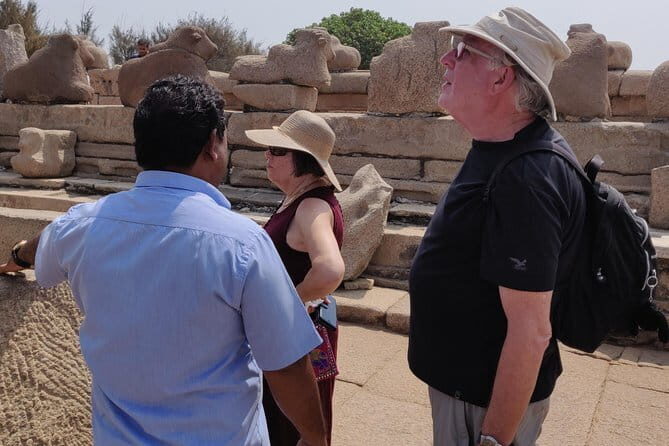
Then the schedule turns toward Ekambareswarar Temple, dedicated to Lord Shiva. Expect around two hours here, and it’s one of the longest temple blocks in the day.
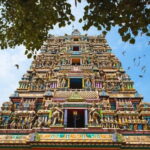
This temple is known for a massive gopuram (tower) and an ancient mango tree believed to grant wishes. Even if you’re not weighing the spiritual side, the visuals are hard to miss: the tower’s scale changes your sense of the whole area, and the mango tree gives the site a living, grounded feel.
For me, the best part about this stop is that it connects architecture with meaning. The gopuram isn’t just decorative—it’s part of how the temple communicates importance. The tree, on the other hand, brings the site from stone into everyday symbolism.


Drive Toward Mahabalipuram: Watching the Day Shift to the Coast
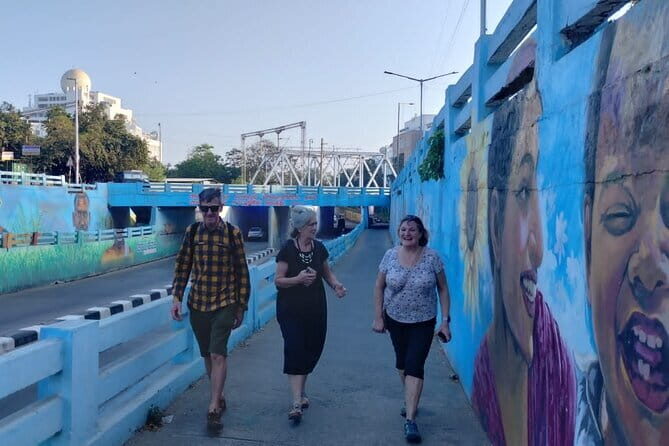
After Kanchipuram, you’ll drive toward Mahabalipuram, and the mood shift is real. The road takes you through villages and green fields, and the scenery starts reminding you that you’re heading to a coastline heritage zone.
The transfer time is about two hours, and there’s no pretending that this is short. But that’s also what makes the day work: you get a change of pace, not just a “continue to the next monument” situation.
If you’re prone to travel fatigue, this is where the AC car helps most. I’d keep your daypack simple—water, hat, sunglasses—so you can focus on comfort during the drive and save your energy for the walking.
Shore Temple: An 8th-Century Sea-Side Landmark
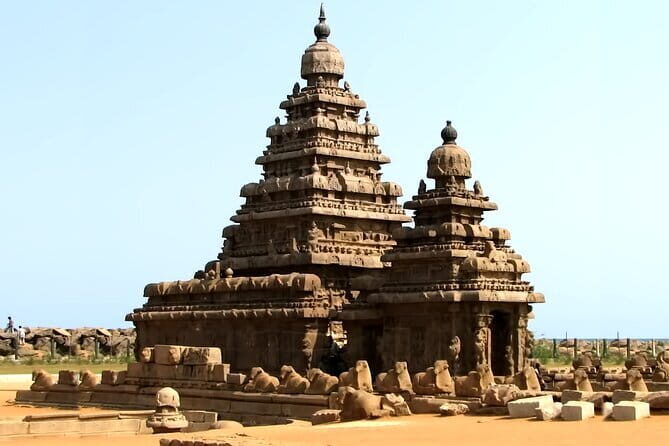
At Mahabalipuram, your first major coastal stop is the Shore Temple, built in the 8th century. It’s made of stone and shows Pallava architecture, and it sits by the sea in a way that makes the location feel like part of the design.
You’ll likely spend about one hour here. The big value isn’t just the building itself—it’s the setting. Even if the weather is bright, the seaside light helps you see textures in the stone that can look flat inland.
The guide can be key during this stop because Mahabalipuram’s monuments are connected stories. Once you understand what you’re seeing in one place, the next stops click faster.
Pancha Rathas: Five Stone Chariots Carved from Rock
Next up: Pancha Rathas (Five Chariots). These are five impressive stone structures, each carved from a single rock. They represent the five Pandava brothers from the Mahabharata, and the result is a mini gallery of design differences across a unified concept.
The time here is brief—around 15 minutes—but it’s enough if you move with a goal. I like using this stop to train my eye: you can compare shapes, styles, and the way each carving uses rock to form architectural forms.
If you’re visiting with kids or a friend who gets restless, this is a good “short win” in the middle of the day. You get a lot of visual variety without a long grind.
Arjuna’s Penance and Krishna’s Butterball: The Big Myth-on-Stone Stop
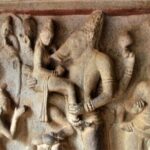
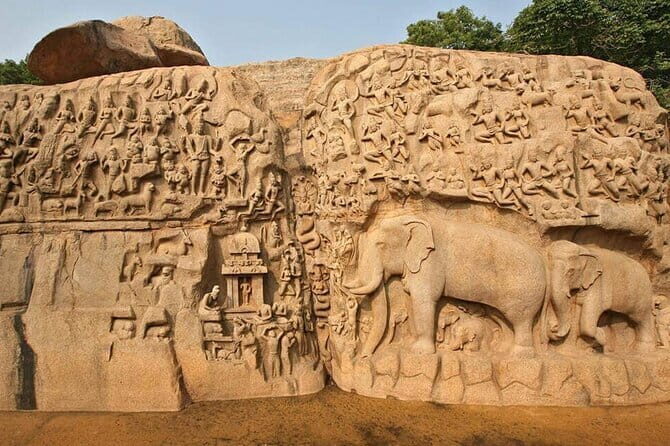
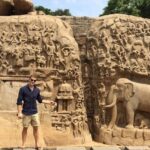
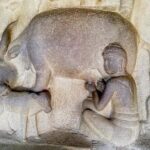
Then comes one of the headliners: Arjuna’s Penance & Krishna’s Butterball. This is where the myths show up as large-scale stone carvings, including one of the largest rock carving scenes of its kind.
You’ll spend about one hour for this combined stop. Look for the scale first—this isn’t a small temple panel you can miss. It’s a broad narrative statement carved into the landscape.
Nearby is the huge round rock famously known as Krishna’s Butterball. That nickname matters because it helps you remember what you’re looking at: a rockform associated with the mythic idea of weight and balance, right next to the larger storytelling carving.
This is also a good place to slow down. The carvings reward patience. If you rush, you’ll mostly remember “big rock art.” If you take a few minutes, you’ll start sorting the scenes and details.
Price and What You’re Actually Getting for $128.86
At $128.86 per person, you’re paying for a full-day private experience that includes a lot of the hidden costs people forget when planning independently. You get a private AC vehicle for the entire tour, plus a professional English-speaking guide, which matters because temple and sculpture interpretation is hard to do well from just signage.
You also get 2 bottles of mineral water per person and coverage of parking fees, tolls, and local taxes. Those line items add up fast in a DIY plan.
Here’s the one important “watch closely” detail: temple entry tickets are included only with the CBSI018-02 option. Some stops list admission ticket included in the schedule, but the overall inclusion statement makes it clear this depends on your chosen option. If you don’t pick the entry-fee option, you may need to pay on-site.
Meals are not included, and tips are not included. That means you should budget for a lunch break and a bit of extra cash for personal snacks. Also note: camera or video charges at monuments are not included, so if you’re a heavy shooter, factor that in.
For value, I’d frame it like this: this tour is often worth it if you want comfort, a guided explanation, and a tight route across two towns in one day. If you’re already comfortable driving yourself and you don’t care about interpretation, the savings from going solo might matter more than the convenience.
Comfort, Pacing, and Who This Tour Fits Best
This is best for you if you:
- want temples plus UNESCO-style rock monuments in one day
- prefer a private day with your own group
- appreciate context from a guide, especially for temple architecture and mythology
It’s also a good match for first-time visitors to the Chennai region who want a high-impact cultural day without complicated planning.
It may not be ideal if you:
- hate long drives or long days
- want lots of free time for wandering and shopping (the day is structured)
- need a highly flexible schedule, since the itinerary has planned temple blocks and transfer time
If your tour guide is someone like Shiva, that can help a lot. One review highlighted Shiva as patient and friendly, which is a big deal when you’re visiting multiple sites back-to-back.
Should You Book This Chennai-to-Kanchipuram-and-Mahabalipuram Tour?
I think you should book this if you’re aiming for a single, well-organized day that covers the major highlights of Kanchipuram’s temple world and Mahabalipuram’s coastal rock art. The AC car, the private setup, and the guided route make it easier to enjoy rather than simply “check boxes.”
Before you hit confirm, do two quick checks:
- Choose the option that includes temple entry tickets (CBSI018-02), if that’s important to you.
- Plan for heat and walking. Bring a hat and keep energy up with snacks you buy yourself, since meals aren’t included.
If you want a day trip that feels thoughtful and efficient, this is a strong choice. If you’d rather slow down and explore more independently, you might prefer splitting it into separate trips.
FAQ
How long is the tour?
The tour runs about 12 hours (approx.).
What time will I be picked up in Chennai?
Pickup is offered from your hotel or residence in Chennai, with the tour expected to begin between 8:00 AM and 9:00 AM.
Is this tour private?
Yes. It’s a private tour/activity, so only your group participates.
Which places are included in the day?
You’ll visit major sites including Kamakshi Amman Temple, Varadharaja Perumal Temple, Ekambareswarar Temple, Shore Temple, Pancha Rathas, and Arjuna’s Penance & Krishna’s Butterball.
Are temple entry tickets included?
Temple entry tickets are included only with the CBSI018-02 option.
What’s included in the price?
A private AC vehicle for the entire tour, a professional English-speaking guide, mineral water (2 bottles per person), and all parking fees, tolls, and local taxes.
What isn’t included?
Meals and snacks, tips for the guide and driver, camera or video charges at monuments, personal expenses, and anything not listed under inclusions.
Can I cancel for a full refund?
Yes. You can cancel up to 24 hours in advance for a full refund.
Who can participate?
Most travelers can participate, and no health restrictions are listed for this experience.