REVIEW · KOLKATA
Private tour of Murshidabad from Kolkata about the great betrayal
Book on Viator →Operated by 5 Senses Walks · Bookable on Viator
Murshidabad history reads like a thriller, but with mosques. This private Great Betrayal-themed tour strings together the Battle of Plassey ground, key nawab figures, and the grand monuments that still shape how the story feels today. You get a private guide to connect names, motives, and architecture as you move through town.
What I really like is how much you pack into just 2 days and one night without feeling like a checklist robot. The overnight stay plus breakfast are built in, and the itinerary hits multiple layers: the battlefield turning point, the people tied to power and money, and the religious and royal spaces that came after.
One possible drawback: it’s an early start at 6:30 am from Kolkata, and the pace means each stop is typically a short, focused visit. If you hate rushing or you want deep museum time, this may feel a bit tight.
In This Review
- Key moments that make this trip work
- Why Murshidabad’s Great Betrayal story still lands
- The early start from Kolkata: smooth, but you’ll rise early
- Day 1: Nimak Haram Deori and the Plassey turning point
- Day 1: Siraj-ud-Daulah’s tomb adds a personal gravity
- Day 1: Jagath Seth’s house and the politics of money
- Day 1: Katra Masjid shows the nawab era beyond war
- How the included overnight stay changes your pace
- Day 2: Bara Imambara on the Bhagirathi riverfront
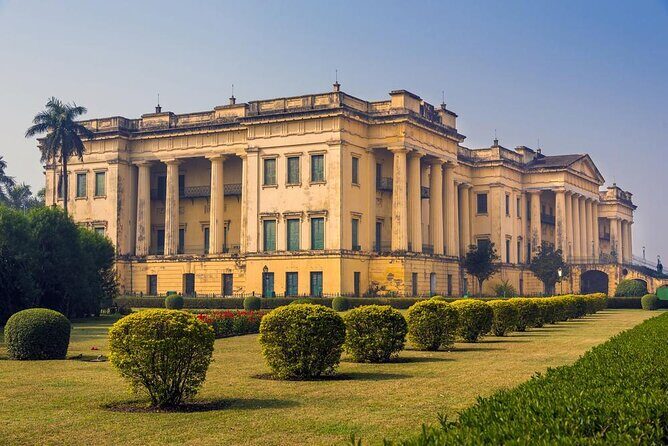
- Day 2: Hazarduari Palace Museum and the thousand doors
- What you’re really buying: a private guide who connects the dots
- Price and logistics: is $370 per person fair value?
- Practical tips so Day 1 doesn’t feel brutal
- Who this Murshidabad tour suits best
- When you might skip it
- Should you book this Great Betrayal tour from Kolkata?
- FAQ
- How long is the Murshidabad tour?
- What time does the tour start from Kolkata?
- What’s included in the price?
- Are lunch and dinner included?
- Is this tour private?
- Are admission tickets included?
- Do I get a mobile ticket?
- What’s the cancellation window for a full refund?
- Is pickup offered from hotels in Kolkata?
Key moments that make this trip work
- Plassey turning-point stop sets the historical stakes early, before you even reach most monuments.
- Siraj-ud-Daulah’s tomb gives the story a human anchor, not just dates and dates.
- Jagat Seth’s house connects the politics to money and influence in Bengal.
- Katra Mosque adds the nawab-era learning and legacy side of the period.
- Bara Imambara and Hazarduari show how rulers used massive building projects to project power.
- Private pacing means your guide can slow down or speed up based on your questions.
Why Murshidabad’s Great Betrayal story still lands
If you’re into history that actually changed the world, this is a good route. Murshidabad sits at the center of the power struggle that helped set up the East India Company’s rise. And the tour theme, the Great Betrayal, matters because it’s not just about battles. It’s about alliances, betrayals, and who held the levers when the situation shifted.
What I find valuable here is the way the route alternates between “big moment” sites and “supporting character” places. You’ll start with the Battle of Plassey ground, then move to figures tied to nawab rule and the financial and political networks around it. That mix helps you understand the conflict as a system, not a single dramatic scene.
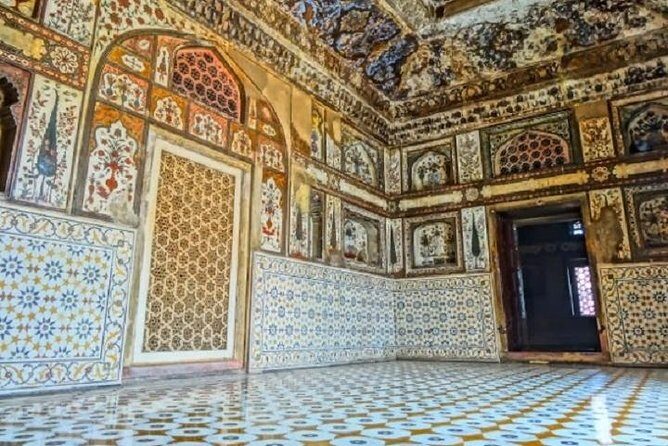
The other big win is that architecture is treated like evidence. Places like the Katra Mosque, the Imambara, and the Palace of a Thousand Doors don’t sit there as pretty backdrops. You’ll learn why rulers built them, and how those spaces helped tell their own version of stability and authority.
You can also read our reviews of more private tours in Kolkata


The early start from Kolkata: smooth, but you’ll rise early
The day starts at 6:30 am in Kolkata. Departing in the morning is the difference between seeing a lot and feeling like you spend your trip trapped on the road. The schedule is set up so you arrive in Murshidabad by noon, which gives you the best shot at daylight for the key sights.
Hotel pickup and drop-off from Kolkata are included, so you avoid the chaos of figuring out transport on your own. If you’re traveling as a couple or small group, the private nature of the tour also helps. You’re not squeezed into the same rhythm as everyone else’s photo sprint.
Bring patience for the drive. Even when everything runs well, you’ll want to use that time wisely: water, sunscreen, and a few snacks can make the day feel easier since lunch and dinner are not included.
Day 1: Nimak Haram Deori and the Plassey turning point
Day 1 opens at Nimak Haram Deori, before you shift into the Battle of Plassey area. The itinerary frames this first set of stops as your historical ignition point. It’s where the story’s momentum changes, and where the stakes start to feel real.
From there, you visit the grounds connected to the Battle of Plassey. This is the stop that explains why the rest of Bengal’s 18th-century story matters far beyond Bengal. You’ll get an admission ticket included, and the time set aside is long enough to absorb the place without rushing your brain.
The value of starting here is simple: you understand what came next. When you later look at tombs, mosques, and power-showing architecture, you’re not just sightseeing. You’re reading the landscape like a timeline.
Day 1: Siraj-ud-Daulah’s tomb adds a personal gravity
Next comes the Tomb of Siraj-ud-Daulah. Even if you’re not a hardcore battlefield-history person, cemetery stops do something important: they humanize the conflict. You stop thinking only in terms of strategy and start thinking about leadership, loss, and legacy.
This stop is short on paper, but it’s powerful because it’s anchored to a named person. You’ll spend about 20 minutes here, and that’s usually enough time to understand the significance and take in the setting without turning it into a long sit-down ceremony.
Day 1: Jagath Seth’s house and the politics of money
Then you move into the world of influence through the House of Jagath Seth. This is one of the more interesting stops because it shifts the story into the hands of moneylenders and bankers, not just commanders and rulers.
The tour description highlights Jagat Seth as the most famous money lender of Bengal, and points out that his family had political clout. It also links him to major political shifts around the time of Mir Jafar. Translation: this isn’t presented as a purely military event. It’s presented as a power struggle shaped by finances and alliances.
You’ll get about 45 minutes at this stop, and it’s the kind of place where a good guide can make small details matter. If you ask questions about who benefited, you’ll likely start to see the Great Betrayal theme more clearly.



Day 1: Katra Masjid shows the nawab era beyond war
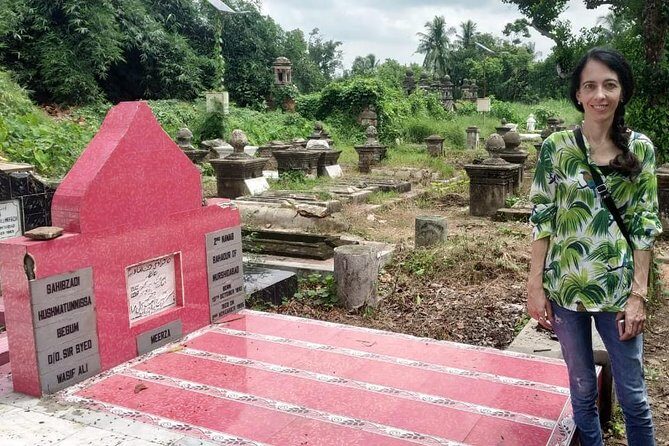
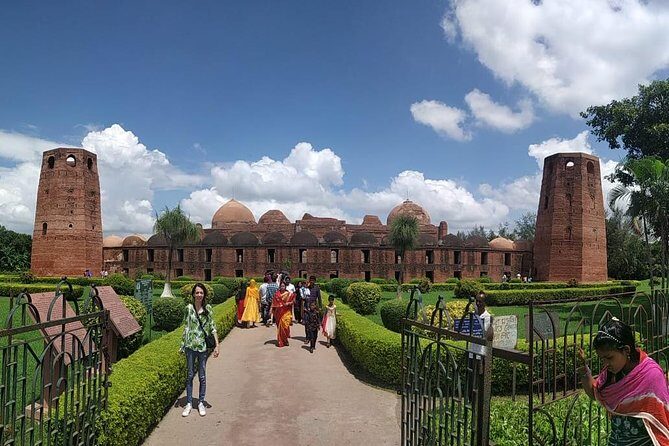
After the political and personal history, the tour takes you to Katra Masjid, built by Nawab Murshid Quli Khan in 1723–1724. It’s presented as an important center for Islamic learning, which helps balance the day’s focus.
This stop also connects the religious world to the ruling class. The description notes it as the final resting place associated with Nawab Murshid Quli Khan, reinforcing that these were not separate lanes: faith, power, and learning were intertwined.
Plan for about 30 minutes here. It’s not a long architectural study day, so if you love slow-looking at carvings, you’ll want to ask your guide to point out what to notice first.
How the included overnight stay changes your pace
One of the best values in this tour is that overnight accommodation is included, along with breakfast (2 times). That means you’re not doing the punishing option of commuting back to Kolkata the same evening.
Staying the night also makes the history feel less like a day trip. Murshidabad becomes more than a sequence of monuments. Even without long free time spelled out, the simple fact of being there overnight helps you absorb the town as a place, not just a set.
Since lunch and dinner are not included, you’ll want to budget for evening and a simple day-2 meal strategy. If you’re the kind of traveler who likes to eat early or keep it light between stops, this setup is usually pretty workable.
Day 2: Bara Imambara on the Bhagirathi riverfront
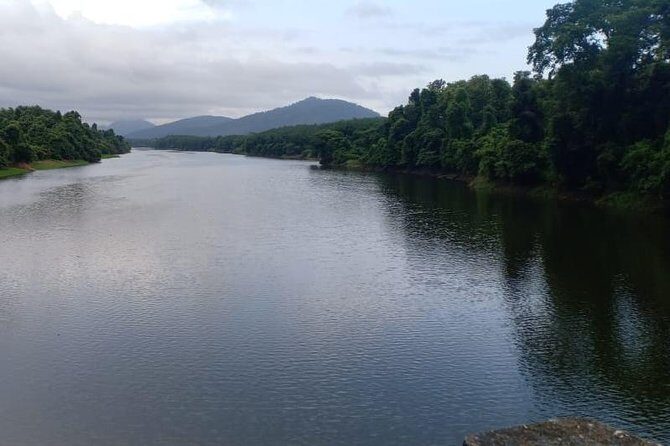
Day 2 starts at the Bara Imambara, described as the largest Imamdara in India. It sits on the banks of the Bhagirathi river and was built in 1847 by Nawab Nazim Mansoon Ali Khan Feradun Jah.
The important thing isn’t only the size claim. It’s how the tour frames the Imambara as a deliberate act of authority. Big building projects are political language. They say: we’re here, we’re organized, and we can command resources.
You’ll spend about 45 minutes here, which is enough to take in scale and understand why rulers built structures like this rather than leaving religion purely to smaller spaces.
Day 2: Hazarduari Palace Museum and the thousand doors
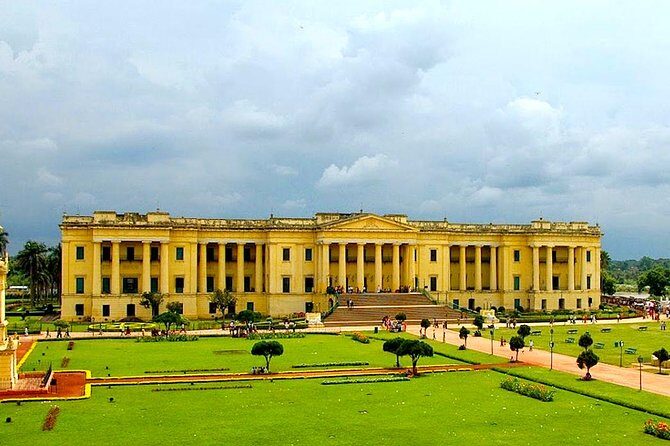
Next is Hazarduari Palace Museum, the famous Palace with a thousand doors. The tour explanation is specific: 900 doors are real, and the rest are false doors made to confuse intruders.
That’s the kind of detail that turns a sightseeing label into a story with stakes. And the palace’s architectural style is described as an amalgam, including Italian influences. So you get both local and foreign design influences tangled together in the way rulers wanted their palaces to be seen.
Again, about 45 minutes is planned. If you’re the type who wants to read every plaque, you might want to keep a short list of what interests you most and let the guide direct the rest.
What you’re really buying: a private guide who connects the dots
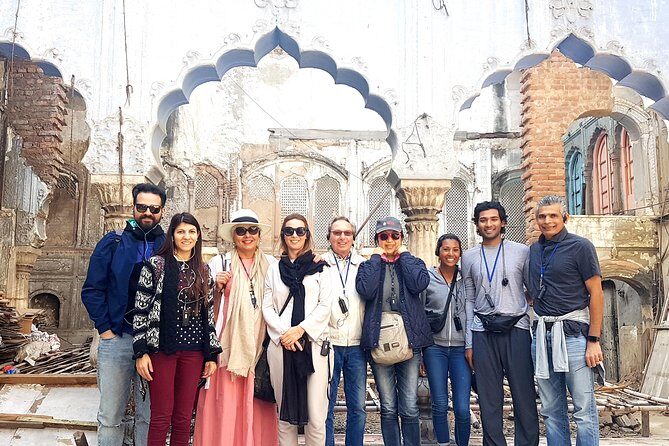
The tour isn’t just about seeing named places. It’s about having a private guide (and a cultural evangelist) to interpret what those places mean in context.
That’s a rare value-add on history trips. A guide can help you connect the battlefield outcome to the people who lost, the people who gained, and the buildings that were commissioned to signal control. With a private setup, you can ask follow-up questions without feeling like you’re interrupting a group rhythm.
One of the strongest signals from past experiences is that guides on this route tend to be genuinely strong on history and accommodating within the timetable. Names like Sauvik show up in feedback, and the overall pattern is clear: people come away feeling the sites were explained well, not just visited.
Price and logistics: is $370 per person fair value?
At $370 per person for a 2-day tour, you’re not buying a budget bus-and-souvenir stop. You’re paying for a bundle: hotel accommodation, breakfast, hotel pickup and drop-off within Kolkata, a local guide, admission tickets for the listed stops, taxes and fees, and a mobile ticket.
To judge value, look at what’s included versus what isn’t. What’s included is the “hard stuff” that usually costs extra when you organize yourself: lodging, transport coordination, guided interpretation, and paid entry fees. What isn’t included is simpler: lunch and dinner.
So the real question is whether you want someone else to handle the threading—morning pickup, day-1 routing, overnight, and day-2 sequencing. If you do, then this price feels more reasonable. If you’re a very independent traveler who’s happy to arrange trains, drivers, and tickets on your own, then you might compare costs and feel the difference.
Also note the timing: the average booking window is 57 days in advance. That’s often a good sign the itinerary is popular. If your dates are fixed, booking earlier can help you avoid availability headaches.
Practical tips so Day 1 doesn’t feel brutal
This trip runs on a schedule, so pack for the reality of a fast history weekend.
- Start your morning early routine the night before. The 6:30 am departure is not a suggestion.
- Because lunch and dinner are not included, plan for snacks or a budget for meals near your stops.
- Wear comfortable shoes. You’re walking through historic grounds, tomb areas, mosques, and palaces that are meant to be seen in person.
- If you care about photos, prioritize the “story stops” first: Plassey grounds, Siraj-ud-Daulah’s tomb, and the Palace of a Thousand Doors. The short time blocks are enough, but you’ll want your angles ready.
If you’re sensitive to heat or strong sun, treat it as a daytime sightseeing trip. The schedule pushes big places during daylight, and you’ll enjoy the monuments more if you’re not baking.
Who this Murshidabad tour suits best
This fits best if you:
- Love history that connects politics, conflict, and culture.
- Want a guided route without planning the details yourself.
- Appreciate architecture when it’s tied to power and purpose.
It’s also a solid choice for couples and small groups who like the focus of a private tour. The pace gives you the ability to move at your own speed, and your guide can adjust the emphasis if you’re more interested in battlefield history or in nawab-era monuments.
When you might skip it
Consider another option if you:
- Want a slower, deeper museum day with lots of free time.
- Prefer returning to Kolkata the same day instead of spending a night in Murshidabad.
- Don’t want early mornings. This itinerary’s rhythm starts early and stays structured.
Should you book this Great Betrayal tour from Kolkata?
If you want a high-efficiency, story-driven history weekend, I’d say it’s a strong pick. The included lodging and breakfasts, the private guide, and the way the route links Plassey to the people and monuments around it make this more than a sightseeing sprint.
Book it if you’re the type who likes to understand what you’re looking at. If you’re chasing photos only, you might feel the time pressure. But if you want meaning, this itinerary is built to deliver.
FAQ
How long is the Murshidabad tour?
The tour lasts 2 days (approx.) and includes one night in Murshidabad.
What time does the tour start from Kolkata?
The start time is 6:30 am.
What’s included in the price?
The price includes overnight accommodation, breakfast (2), hotel pickup and drop-off, a local guide and cultural evangelist, all taxes/fees/handling charges, and admission tickets for the listed stops.
Are lunch and dinner included?
No. Lunch and dinner are not included.
Is this tour private?
Yes. It’s a private tour/activity, so only your group participates.
Are admission tickets included?
Yes. Admission tickets are included for the tour stops listed in the itinerary.
Do I get a mobile ticket?
Yes. The tour includes a mobile ticket.
What’s the cancellation window for a full refund?
You can cancel up to 6 days in advance for a full refund.
Is pickup offered from hotels in Kolkata?
Yes. Hotel pickup and drop-off in Kolkata are included.