REVIEW · NEW DELHI
Private Half-Day Delhi Flower Market Tour
Book on Viator →Operated by Delhi Daily Life · Bookable on Viator
If you like your travel photos with a story, this is for you. This private half-day flower market visit shows how Delhi’s flowers move before most people are awake. I especially like the hands-on flower knowledge you get from the flower wallas, and the photo-friendly alleys packed with greenery, garlands, and color. One thing to think about: you’re out very early, so you’ll want to be ready for the morning routine.
You’ll head to East Delhi for the wholesale market scene at Ghazipur, where vendors go out to source flowers at dawn and return to sell. It’s priced as a short experience, but it feels like more because you’re watching the real workflow—sorting, choosing, and caring—rather than just looking from the sidelines.
In This Review
- Key Highlights You’ll Actually Care About
- Why Delhi’s Flower Market Starts at Dawn
- Meeting at Ghazipur: What Happens in the First Minutes
- Entering a Wholesale Flower World (Not Just Pretty Blooms)
- Photo Tips for the Ghazipur Alleys (Without Being That Person)
- The Guide Factor: Why Faramarz Makes This Tour Feel Personal
- Timing, Pace, and What 2 to 3 Hours Feels Like
- Private Tour Value: Why $35 Can Still Feel Like a Good Deal
- Practical Considerations Before You Go
- Should You Book This Delhi Flower Market Tour?
- FAQ
- What time does the tour run?
- How long is the flower market visit?
- Where do we meet for the tour?
- Is this a private tour?
- Is there an admission ticket for the market stop?
- What if the weather is bad?
Key Highlights You’ll Actually Care About

- Dawn sourcing vibe: flower wallas head out early (around 4am) to bring back the best local blooms
- Ghazipur stop with free entry: you spend about 2 hours at the market area, admission ticket free
- Private group, your pace: only your group joins, so the guide can tailor the walk
- Photography-focused route: alleys, garlands, and bundles give you lots to frame
- Real care tips: you learn where flowers come from and how to keep them looking good
- Guide praise that repeats: Faramarz gets consistent shout-outs for conversation and attention
Why Delhi’s Flower Market Starts at Dawn
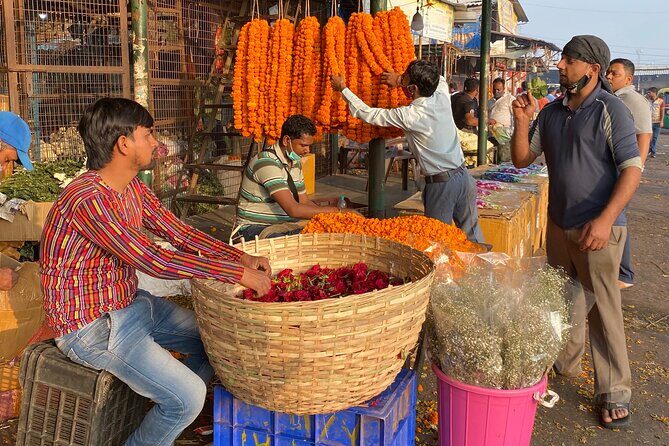
Flower markets in big cities can feel like a show. This one feels like work—and that’s exactly why it’s interesting. The day begins when the city is still waking up, and flower wallas head out to unearth the best local flowers before returning to their shops.
Two things make that timing matter. First, you’re present when selections are still being made, not after everything is already packaged and quiet. Second, you get to see the flower trade as a morning ritual: people know what they’re chasing, what they can get, and what customers will want next.
The tour’s early start also changes the vibe around you. Streets aren’t clogged yet, and the market atmosphere is all motion—sorting, handling, and arranging. If you’re the type who likes to photograph daily life (not just monuments), this is a strong fit.
You can also read our reviews of more private tours in New Delhi


Meeting at Ghazipur: What Happens in the First Minutes
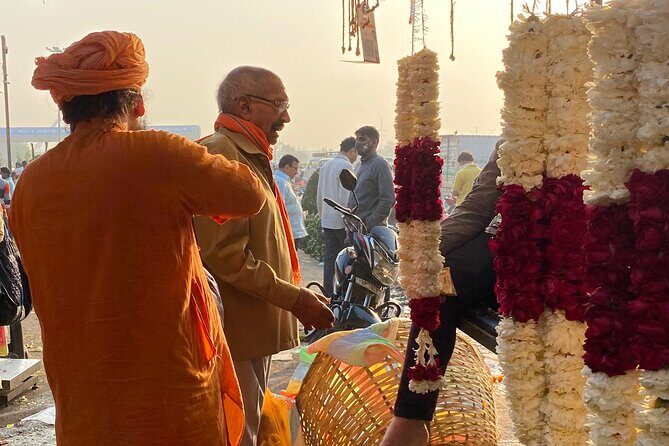
You meet at the Agricultural Produce Marketing Committee New Vegetable market, labeled A-11 in Ghazipur Village. The exact location matters here because it’s inside a working produce/wholesale area, not a tourist square.
From the start, you’ll be in the right mode: looking closely, asking questions, and paying attention to how flowers are grouped. The stop is set for about 2 hours, so it doesn’t drag. You’ll also be back at the same meeting point at the end, which keeps the experience clean and straightforward.
Because it’s described as near public transportation, you’re not stuck guessing how to reach the area. Still, plan to arrive early enough to settle in. When tours start while most of Delhi is asleep, even small delays can steal time from the best part: the busiest flower-handling moments.
Entering a Wholesale Flower World (Not Just Pretty Blooms)
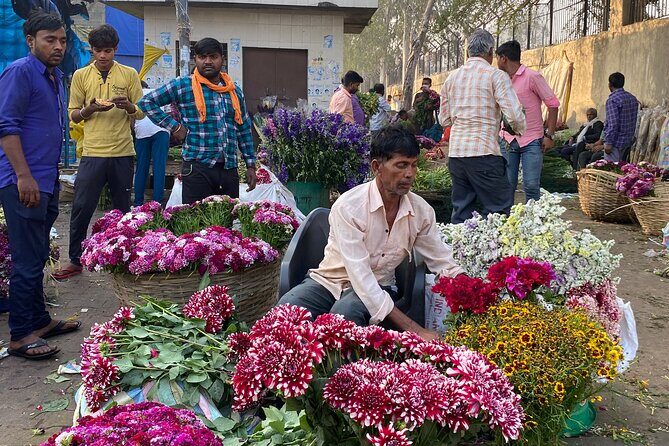
This is a flower industry tour, and the difference shows up fast. A wholesale market doesn’t run on vibes. It runs on speed, choice, and knowledge of what will last, what needs care, and what’s worth the price.
As you walk through the market area, you’ll see the practical side of flower buying and selling. You’ll notice bundles and arrangements being prepared, garlands being built, and different greens and stems being handled with purpose. It’s not just color on display; it’s raw materials moving through a system.
The biggest value here is that you’re not limited to surface-level descriptions. The flower wallas can explain where flowers come from and how to care for them. That might sound like small talk, but it’s the kind of information you can use right away if you ever buy flowers for someone—or even if you’re just curious why some arrangements last longer than others.
And yes, you can treat yourself. The tour includes an option that makes sense in this setting: getting a flower bouquet as a personal souvenir or pickup for your stay.
Photo Tips for the Ghazipur Alleys (Without Being That Person)
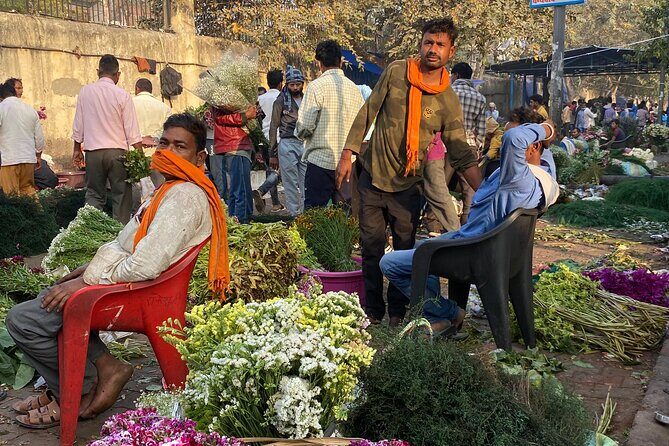
You’ll have plenty to photograph: colors, textures, stems, greenery, and the visual rhythm of garlands being made. The tour is specifically positioned as a delight for pictures, and the market’s layout supports it—alleyways and lanes give you layered shots instead of one flat view.
Here’s how to get better photos without getting in the way. Keep your camera ready but your movement slow. In a wholesale setting, people are working through tasks quickly. If you stop abruptly or block a lane, you’ll slow others down and lose your chance at candid, real-market frames.
Also, consider your camera strategy. Because this is about dawn-time energy and active handling, you’ll get sharper results if you’re prepared rather than constantly checking settings. If you’re photographing bouquets or garlands, aim for detail shots—hands working with stems, close-ups of layered colors, and the contrast between greenery and petals.
One more note: the experience has been described with softer light in at least one session (including sunset in a reported case). If your departure time offers gentler light, use it. Backlit color and warm tones make flower photos look extra alive.
The Guide Factor: Why Faramarz Makes This Tour Feel Personal
A good guide can turn a market walk into a real understanding. This one has an advantage: Faramarz gets repeated praise for being attentive and friendly, with genuine conversation.
What stands out in the way people describe him is less about scripted facts and more about human interaction. You’re not just listening while you walk. You’re talking—asking questions, getting answers, and picking up local context that helps everything you see make sense.
That’s important because flower markets can confuse you quickly. You might see dozens of varieties and wonder what’s seasonal, what’s local, and what’s meant for which occasion. With a guide who can translate the logic of the market, you get a framework for understanding the choices people make.
And because the tour is private, it’s easier to tailor questions. If you care about photography, you’ll want practical guidance on where to stand and what angles work. If you care about the industry side, you’ll want the guide to explain sourcing and handling, not just names of flowers.
You can also read our reviews of more shopping tours in New Delhi




Timing, Pace, and What 2 to 3 Hours Feels Like
The tour runs about 2 to 3 hours, and the schedule is built around a morning window. The market hours listed run Monday to Friday from 6:00 AM to 10:00 AM, while the broader concept is that vendors head out around 4am to source flowers.
So what does that mean for you? Expect a very early start. The experience isn’t meant to be slow breakfast tourism. It’s built for prime active-market time—when flowers are freshest and decisions are being made quickly.
The pace is also designed to be doable. Since it returns to the meeting point, you don’t need to plan extra logistics around your day. It’s also private, so your group doesn’t have to keep up with strangers if your questions take a moment longer.
If you’re traveling on a tight schedule, this is a smart way to add something local and sensory without losing your whole day. If you’re the type who likes to sleep in, this one will challenge you—because flowers don’t wait for late risers.
Private Tour Value: Why $35 Can Still Feel Like a Good Deal
At $35 per person, this half-day tour isn’t trying to be a budget bus ride. It’s positioned as a focused, private market experience with a guide and a market-time window built around dawn.
The value comes from what you get per hour:
- Access to a working wholesale market scene, not a staged viewpoint
- A guide who can explain how the flower world works
- Time to take photos in the lanes and alleys (where the action is)
- Practical information about flower sourcing and care
- The option to pick up a bouquet for yourself
If you’ve ever done a long sightseeing day and ended up with a few decent pictures but no real understanding, this is the opposite. You’re investing in a compact experience with real detail and a local working rhythm.
One more value point: your tour time is limited, but your questions don’t have to be. In a private setting, it’s easier to ask follow-ups and stay engaged rather than waiting for a group to catch up.
Practical Considerations Before You Go
A few things are worth planning for so you enjoy it instead of rushing through it.
First: early hours. The market concept is anchored to dawn sourcing, so you’ll want sleep and a calm mindset. Arriving ready helps you get better photos and better conversations.
Second: the setting is a working market. Keep your expectations realistic. This isn’t a place designed for casual strolling with big crowds and wide sidewalks. It’s functional. That’s part of the authenticity, but it means you should move thoughtfully.
Third: weather matters. The experience notes that it requires good weather. If conditions are poor, the tour may be changed to a different date or refunded. That’s a fair tradeoff for an outdoor morning market walk.
And finally: you’ll be using a mobile ticket. Make sure your phone battery is reliable, since the whole process is built around that.
Should You Book This Delhi Flower Market Tour?
If you want Delhi that feels lived-in—not just photographed from the outside—this is a strong choice. It’s especially worth booking if you care about:
- Photography with context (not only pretty scenes)
- Learning how flowers are sourced and handled
- A morning activity that feels local and specific
I’d skip it if you hate early starts or you’re looking for a relaxed, slow-paced stroll. This is active market time. You’ll need patience, comfortable shoes, and the willingness to stand in lanes while people work.
My take: for $35 and a 2–3 hour window, you’re paying for access plus understanding, not just a quick scenic stop. If you match that style of travel, book it.
FAQ
What time does the tour run?
The tour is scheduled as an early morning experience, with the market window listed as Monday to Friday from 6:00 AM to 10:00 AM. The concept includes vendors heading out around 4am to source flowers.
How long is the flower market visit?
The Ghazipur market stop is about 2 hours, and the overall tour is described as lasting approximately 2 to 3 hours.
Where do we meet for the tour?
You meet at the Agricultural Produce Marketing Committee New Vegetable market, A-11, Ghazipur Village, Ghazipur, Delhi 110096, India.
Is this a private tour?
Yes. It’s a private tour/activity, so only your group participates.
Is there an admission ticket for the market stop?
The Ghazipur stop lists admission as ticket free.
What if the weather is bad?
The experience requires good weather. If it’s canceled due to poor weather, you’ll be offered a different date or a full refund.