REVIEW · NEW DELHI
Old Delhi: Khari Bawli – Asia’s Largest Spice Market
Book on GetYourGuide →Operated by Crystal India Holidays · Bookable on GetYourGuide
Spices hit your nose before your guide does. A Khari Baoli Road walk turns Old Delhi into a sensory lesson, and you get an English-speaking expert guide plus hotel pickup by private AC vehicle.
I love that you’re not just shopping—you’re learning how spices connect to daily cooking and even traditional uses. You’ll also get handy language help if you decide to buy spices, so ordering isn’t a guessing game.
One thing to plan for: you will do real walking in the market area, and it can be tight and hot, so comfortable shoes matter more than you’d think.
In This Review
- Key things I’d bet on before you go
- Getting To Khari Baoli Road Without Hassle
- First Smell: A Guide That Explains the Market Logic
- Walking the Spice Lanes and Learning What You Can Buy
- Tea Sampling, Translation Help, and Photo Spots That Actually Work
- Price and Logistics: Is $23 Worth It?
- Who This Old Delhi Spice Market Walk Is Best For
- Should You Book This Spice Market Tour?
- FAQ
- How long is the Khari Baoli spice market tour?
- Is hotel pickup and drop-off included?
- Is this tour private?
- What languages are available for the guide?
- What should I bring?
- Is walking required?
Key things I’d bet on before you go
- Hotel pickup and drop-off by private, air-conditioned vehicle saves time in chaotic Old Delhi streets.
- Asia’s largest spice market gives you a focused setting where the whole story is about trade, food, and everyday life.
- Expert English guide keeps you moving with context, not random wandering.
- Tea sampling and street-store chats turn the experience from “see it” to “understand it.”
- Photography moments are built in, including the colorful market displays and Old Delhi architectural charm.
- Translation assistance helps if you want to buy spices without stress.
Getting To Khari Baoli Road Without Hassle
Old Delhi can feel like a puzzle when you first arrive—streets are busy, signs are dense, and it’s easy to waste energy just finding your bearings. This tour helps you skip that early confusion with hotel pickup and drop-off in a private, air-conditioned vehicle. For a 3–4 hour outing, that’s big value: you spend your energy on the market, not on logistics.
You’ll meet your guide and head straight toward Khari Baoli Road. The tour is set up as a private group, so the pace and questions are easier to manage than on a large shared tour. If you like explanations in between the walking—perfect. If you want more time to look and take photos—your guide can help you work that in.
Practical note: even with pickup, you’ll still spend most of the tour on foot. That’s not optional here. The market area is where the meaning lives, and the only way to really get it is walking among shops and displays.
You can also read our reviews of more shopping tours in New Delhi


First Smell: A Guide That Explains the Market Logic
The first part of the experience is all about orientation. Your guide shares the history of Khari Baoli Road and why it became central to Delhi’s culinary and trading traditions. Think of it as the map your senses need. Without that context, you might see spices as just piles of color. With it, you start noticing patterns: what gets sold where, how it’s presented, and why certain products matter to cooks.
You’ll also get practical education as you walk. Spices, dried fruits, herbs, teas—your guide connects them to uses in Indian cuisine, and you’ll hear how these ingredients show up in traditional medicine too. The point isn’t to turn you into a pharmacist; it’s to help you understand why people here buy and talk about these items the way they do. In a market like this, context is the difference between touristy and genuinely curious.
One more thing I like: the guide’s English skills help you avoid the common problem in markets—silence. When you can ask questions and get answers, you move faster through sensory overload because your brain has something to grab onto besides smell.
And yes, photo stops work better with context too. When your guide points out what you’re actually looking at, your pictures turn into memories you can explain later.
Walking the Spice Lanes and Learning What You Can Buy
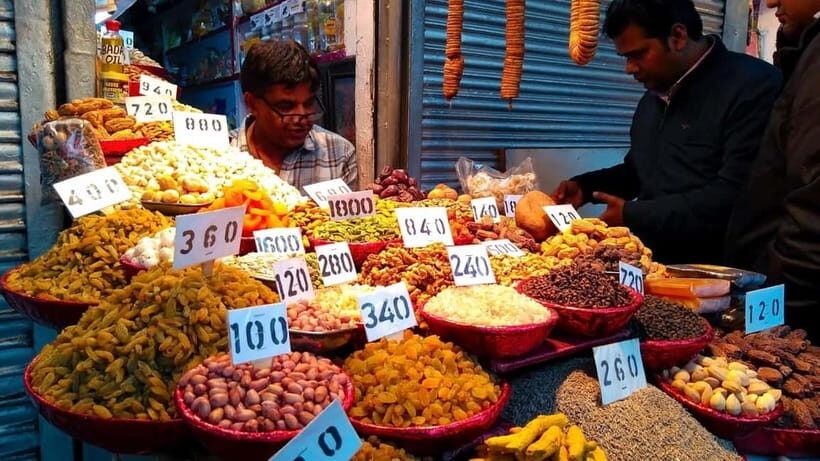
Once you’re oriented, the tour becomes a walk through the lanes where spices and ingredients are displayed at street level. You’ll pass colorful stacks and containers of things like spices, dried fruits, herbs, and teas. The displays are part of the sales pitch, but they’re also a kind of education—each product is organized, labeled, and presented in a way that makes its purpose feel obvious once your guide translates the culture for you.
This is also where you can start learning how Indian cuisine builds flavor. You’ll hear about common uses of spices and the roles they play in cooking. That helps a lot if you’re planning to bring something home. Rather than buying a random bag because it looks cool, you’ll have a clue about how to use it later.
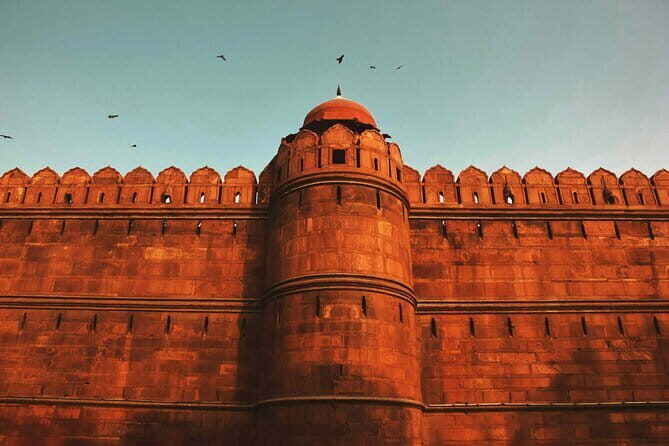
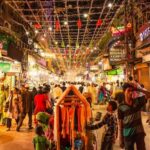
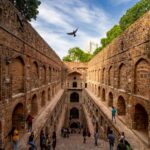
You’ll also get a glimpse of the architectural charm of Old Delhi alongside the street life. Markets here aren’t isolated from the city around them—buildings frame the lanes, and the whole area has a lived-in look. If you enjoy urban photography, pay attention to transitions: shop fronts to doorways, signboards to courtyards, and the way the lanes narrow and open.
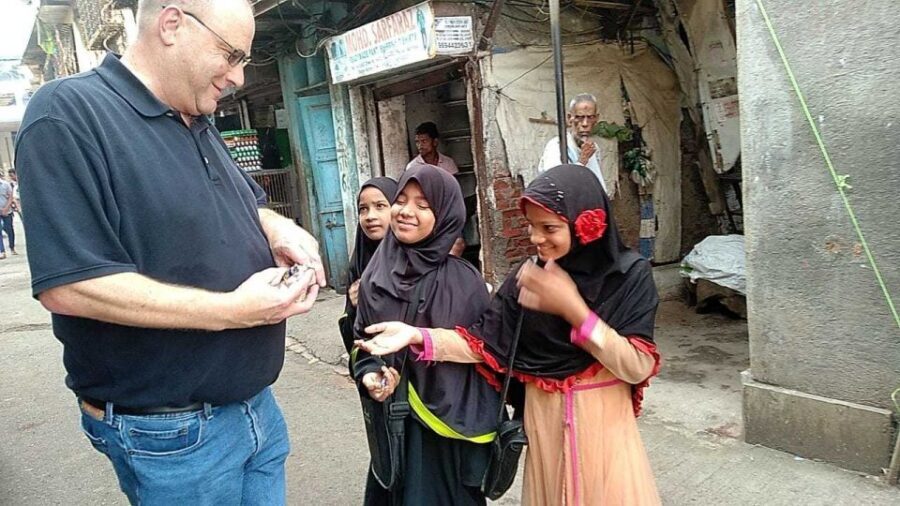
If you’re the type who likes to ask questions, this is your moment. The tour includes time to engage with local shopkeepers, and those conversations often teach you more than any lecture. Your guide can help you ask what you want to know, from ingredients to how people use them day to day.
Tea Sampling, Translation Help, and Photo Spots That Actually Work
At some point, you’ll have a chance to sample exotic teas. For me, tea tasting is a smart way to slow down in a market environment. You get a break from “looking with your eyes” and switch to “tasting with your brain.” Tea also connects nicely to why the market exists beyond cooking—it’s social, daily, and part of how people keep themselves going through heat and traffic.
If you decide to buy spices, the tour includes assistance with translating local language. That’s a practical inclusion, not a small perk. Buying can get awkward in any foreign market—prices, quality, and even basic questions about what’s inside. Translation support makes it easier to buy with confidence, and it also helps you avoid ending up with something you can’t use.
For photos, you’ll want to take advantage of the moments when the displays are the main subject. The colorful spice and ingredient stacks are obvious targets, but don’t ignore the wider shots. The market scenes and nearby Old Delhi architecture make a stronger set when you vary your angles—close-up textures one minute, street context the next.
Bring a hat and sunglasses. You don’t need to be dramatic about it, but strong sun on foot can drain your day faster than you expect. And bring cash if you plan to shop. That part matters because market purchases rarely work like a tidy, modern card payment system.
Light refreshments and bottled water are included, which helps you keep going. In a sensory market, it’s easy to forget to hydrate until you feel it.
Price and Logistics: Is $23 Worth It?
The price is listed at about $23 per person for a 3–4 hour tour, and the “value” is in the package, not the destination alone.
Here’s what you’re effectively buying:
- Private AC pickup and drop-off, which can easily cost more than you expect if you’re paying for separate transport.
- An expert guide fluent in English (and the tour offers multiple other languages too, so you’re not stuck).
- Bottled water and light refreshments, which is genuinely useful during a walking-heavy market visit.
- Practical support for shopping: translation assistance if you buy spices.
If you were to do this on your own, you’d still face the same sensory experience, but you’d miss the structured explanations about how spices fit into cuisine and traditional medicine. You’d also likely spend time figuring out the best way to navigate, ask questions, and decide what to buy. For me, that’s why the price feels reasonable: it purchases your time and your understanding.
Also, private group tours tend to feel less chaotic. You’re not constantly negotiating space with a large crowd, which makes it easier to stop, ask, and photograph.
A few more New Delhi tours and experiences worth a look



Who This Old Delhi Spice Market Walk Is Best For
This tour fits best if you like hands-on learning and you’re okay with a walking experience. You don’t need special background knowledge. If you cook, you’ll get ideas you can use later. If you don’t cook, you’ll still come away with a clearer sense of how Indian ingredients are organized and why locals care so much about them.
It’s especially good for:
- Food lovers who want more than a quick photo stop
- Travelers who like city context and want to connect food to trade and daily life
- People who plan to shop for spices and want translation help
- Anyone who wants a structured Old Delhi introduction without wrestling transport
It may feel less ideal if you hate walking in crowds or you’re sensitive to strong smells. The market area requires walking, and the air is scented by design.
That said, the tour is said to be suitable for all ages. So if you’re traveling with family, you’ll just want to be realistic about footwear and pacing.
Should You Book This Spice Market Tour?
Yes, if your goal is to understand Khari Baoli Road—not just pass through it. The combination of hotel pickup, a real guide-led explanation, time to talk with shopkeepers, and tea tasting makes this more like a guided culinary introduction than a shopping errand.
I’d especially book it if you want to buy spices. Translation assistance reduces the stress, and the guide’s explanations make your purchases more likely to match what you’ll actually use later.
Skip it only if you strongly prefer minimal walking or you want a purely independent, self-paced market wander. For everyone else, this is one of those experiences where the structure genuinely improves the memories.
FAQ
How long is the Khari Baoli spice market tour?
The tour lasts about 3 to 4 hours.
Is hotel pickup and drop-off included?
Yes. You get hotel pick-up and drop-off in a private, air-conditioned vehicle.
Is this tour private?
Yes, it’s listed as a private group.
What languages are available for the guide?
The guide is available in English, Spanish, French, German, Italian, Japanese, Hindi.
What should I bring?
Bring comfortable shoes, sunglasses, a hat, and cash.
Is walking required?
Yes. Walking is required in the market area. The tour is described as suitable for all ages, but comfortable footwear is important.