REVIEW · NEW DELHI
Old Delhi: 3-Hour Tuk-Tuk/Rickshaw Tour
Book on GetYourGuide →Operated by Keeper Landwey · Bookable on GetYourGuide
Old Delhi hits fast and hard, minus the walking. I like how this tuk-tuk tour threads you past traffic while still hitting the big sights, and I like the plan that pairs Jama Masjid with chai-and-samosa stops so you get history, food, and faith in one smooth block of time. When the guide is on top of it, the storytelling feels practical too—names like Raghuveer Singh and Arham show up in guides’ styles that are friendly and easy to follow.
One catch: it’s not a sit-and-stare outing. You’ll be in crowded areas, you must remove shoes and socks in places of worship, and the tour isn’t suitable for pregnant women or wheelchair users.
In This Review
- Key things to know before you ride
- Old Delhi by tuk-tuk: why this format works
- Meeting point near Red Fort: where the tour starts
- Ride past Old Delhi markets: the real appetizer
- Jama Masjid: red sandstone courtyard and minaret views
- Khari Baoli spice market: smell, health talk, and street-level trade
- Chandni Chowk snack stop: chai and samosa (plus possible extras)
- Gurudwara Sis Ganj and langar: the community kitchen experience
- Jain Mandir bird hospital: a quieter ending with a purpose
- Safety and etiquette: how to make the day easier
- Price and value: is $25 for 3 hours worth it?
- Who this tour suits best (and who should skip it)
- Sunday note: market closures change the plan
- Should you book this Old Delhi tuk-tuk tour?
- FAQ
- Where is the meeting point for the tour?
- How long is the tour, and what does it include?
- What is the snack included during the tour?
- Is water included?
- Do I need to remove shoes in temples?
- Does Jama Masjid include a minaret climb?
- What should I bring and avoid?
- What happens if I visit on a Sunday?
Key things to know before you ride
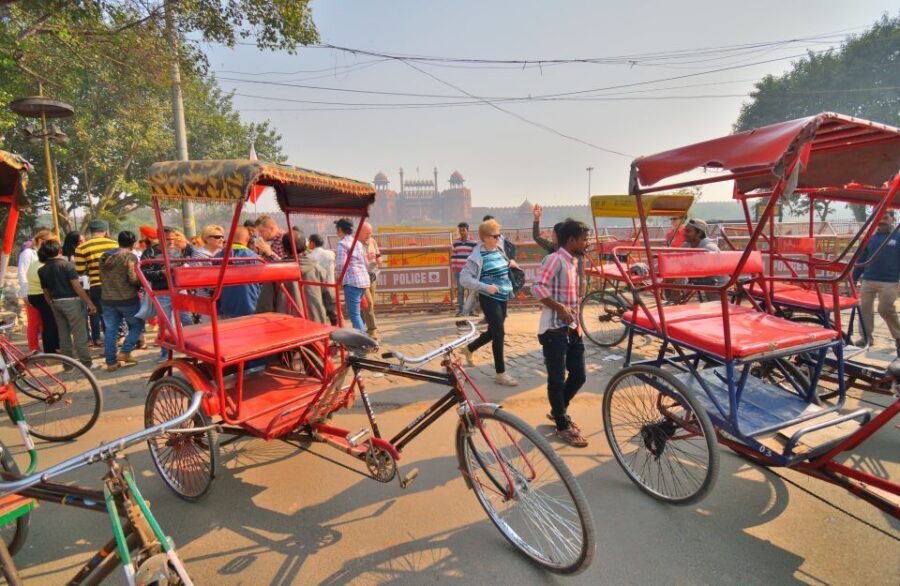
- A tuk-tuk solution to Old Delhi chaos: you still see the lanes, but you’re not stuck doing all the walking.
- Jama Masjid first, then the spice route: big spiritual sights and strong sensory markets are sequenced well.
- Khari Baoli’s spice education isn’t just shopping talk: expect info on uses and health benefits.
- Chandni Chowk snacks are built into the timing: chai and samosa are included, with other snack variations possible depending on the guide.
- Langar at Gurudwara Sis Ganj adds a real community angle: you’ll get hands-on with how the kitchen service works.
- End at a Jain Mandir with a bird-care purpose: it’s a meaningful change of faith and focus before you head back.
Old Delhi by tuk-tuk: why this format works
Old Delhi can overwhelm you fast. The streets are tight, the pace is intense, and if you try to walk it all on your own you spend more energy dodging foot traffic and vehicles than noticing what’s in front of you. This tour fixes that with a 3-hour tuk-tuk/rickshaw ride, letting you cover ground while your guide handles the tricky routing.
I also like that it’s built around contrasts. You’re not only seeing monuments—you’re also seeing how people shop, pray, and eat. That mix is why this kind of tour tends to feel more “Delhi” than a checklist of famous stops.
A few more New Delhi tours and experiences worth a look



Meeting point near Red Fort: where the tour starts
You meet at the gate of Sunehri Masjid on Nishad Raj Marg, Lal Qila area (opposite the Red Fort parking). Your guide waits outside with a Green Banner that says Sunehri Masjid, which makes it easier to spot in a busy area.
For transit, Jama Masjid station (Violet Line on the Delhi Metro) is the one mentioned. It’s also an easy pickup by taxi if you’re arriving from elsewhere in Central Delhi. Just give yourself a little extra time—Old Delhi moves at its own rhythm.
Ride past Old Delhi markets: the real appetizer
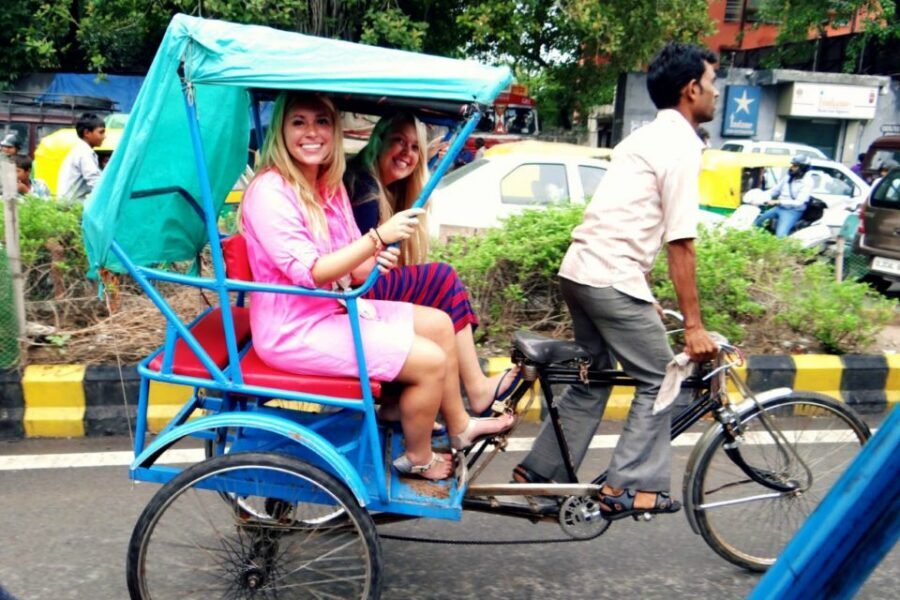
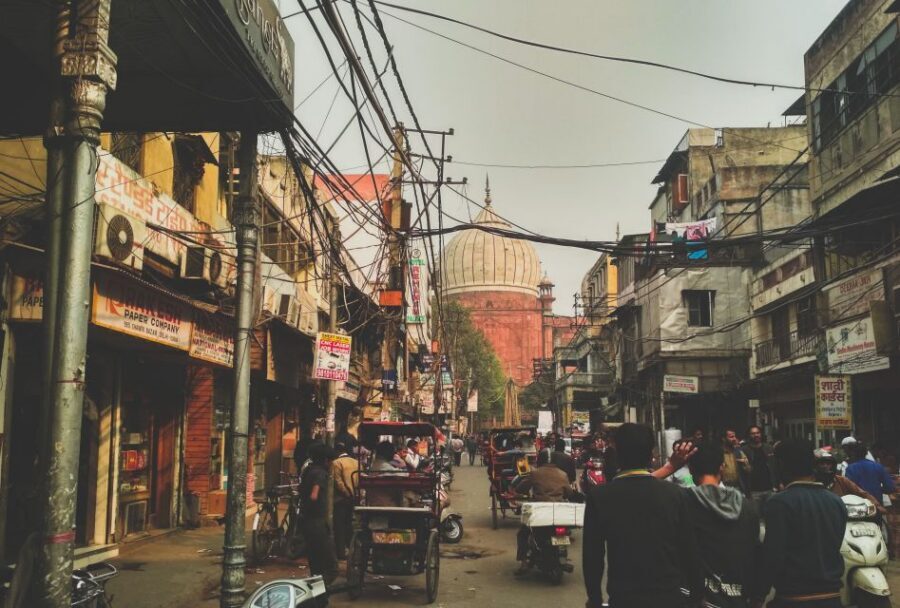
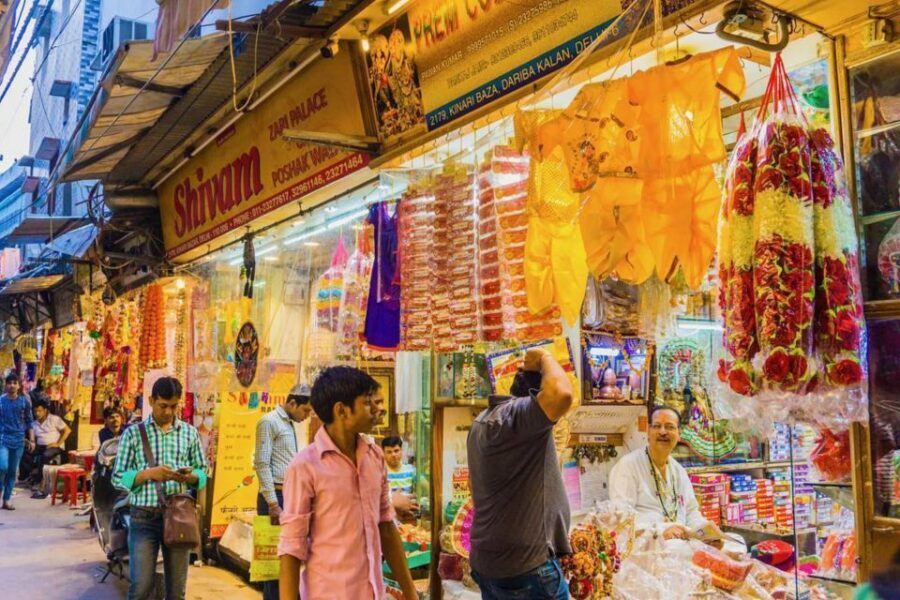
After you get seated, you’ll ride past the colorful and busy bazaars while your guide explains what role they play for locals. This is where the tuk-tuk earns its keep. You get the street view without having to fight for footing, and you can listen for the “why” behind what you’re seeing.
This is also a good moment to reset your senses. You’ll catch the smells and the visual variety early, before you head into the more structured stops like Jama Masjid and Gurudwara Sis Ganj.
Jama Masjid: red sandstone courtyard and minaret views
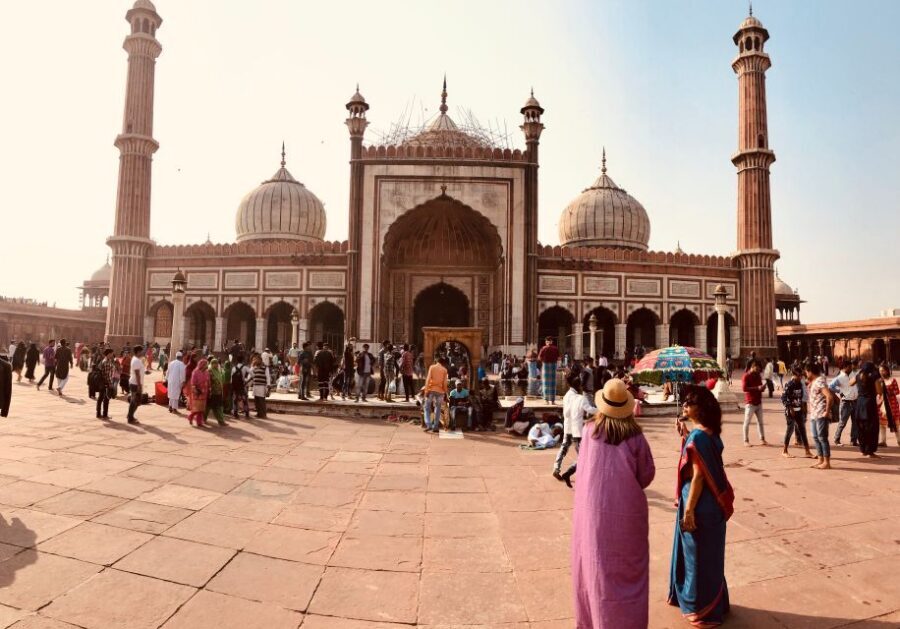
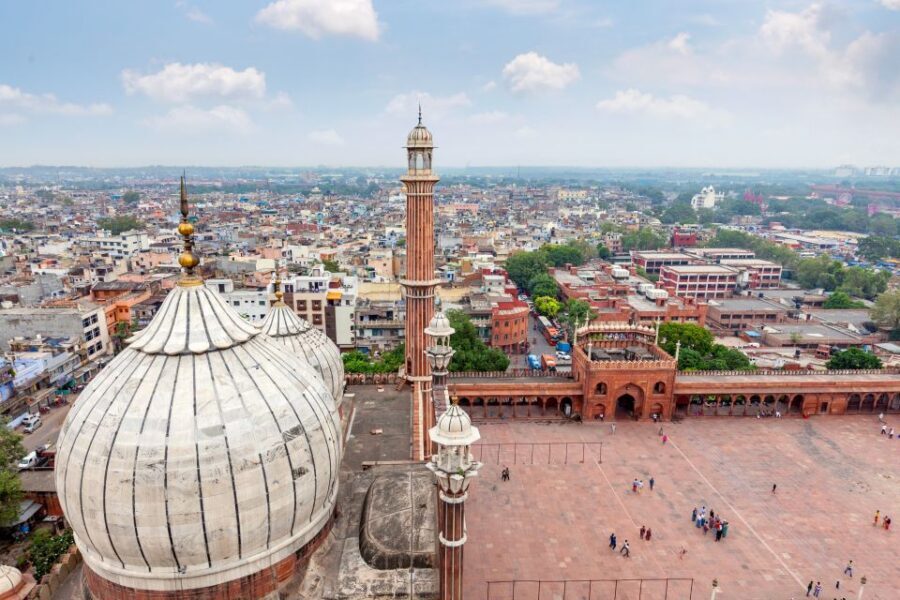
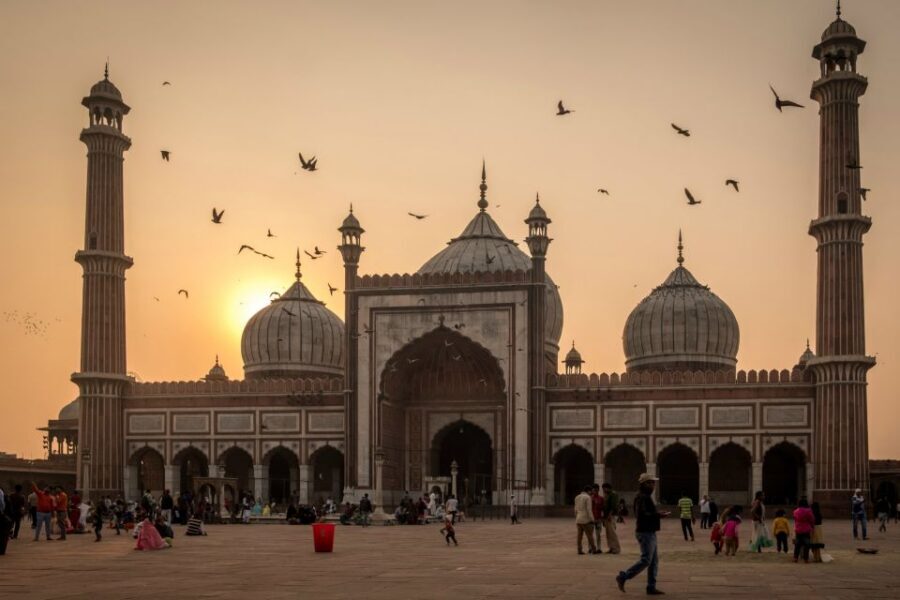
Your first major stop is Jama Masjid, described as India’s largest mosque. You’ll spend time in the courtyard built from red sandstone, which gives you a strong sense of scale the moment you arrive.
Two practical notes matter here:
- You may be able to climb a minaret for views, but it may be closed, even though the plan includes the possibility.
- You’ll need to follow the rules for places of worship, including removing shoes and socks when required.
This stop is valuable even if you’ve seen other mosques before. The courtyard layout and the sheer number of visitors make it feel like a living place of worship, not a staged photo spot. And because your guide is with you, you get the context that helps the building feel less like a blank landmark.
Khari Baoli spice market: smell, health talk, and street-level trade
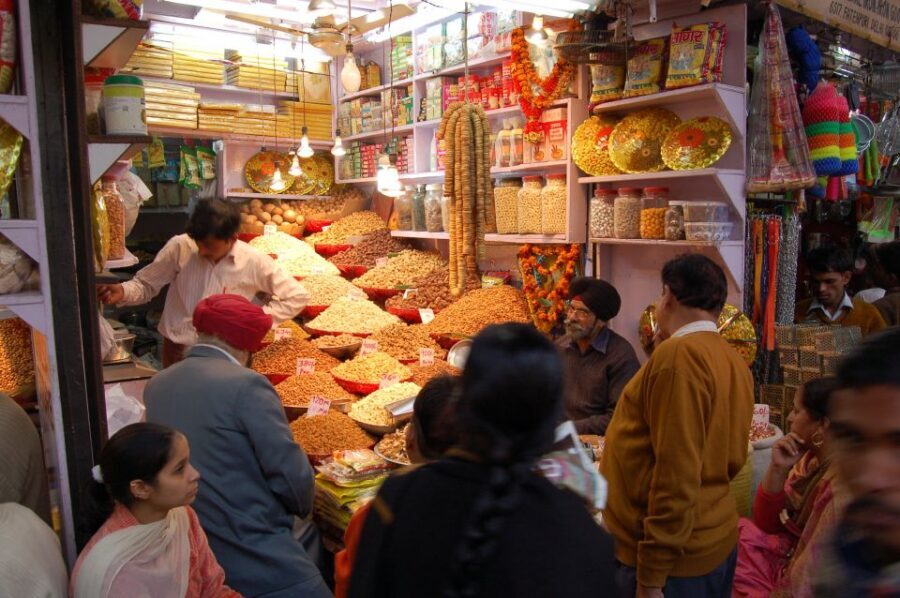
Next you ride to Khari Baoli, called Asia’s largest spice market and said to have existed since the 17th century. This is one of those places where words don’t fully prepare you—the air changes as you get closer, and the market’s energy is visible in every stall.
Your guide provides hands-on style info about spices and their medicinal and health benefits. Just remember: this isn’t a sterile classroom. You’re learning while standing among traders and shoppers, so take it as practical cultural knowledge rather than lab science.
A good guide experience here can make a big difference. In the feedback for this tour, guides like Kamran and Junaid are praised for explaining clearly and stepping in when things get pushy around sales. If you’re someone who can get distracted or overwhelmed in crowded places, this is exactly the kind of built-in support you’ll appreciate.






Chandni Chowk snack stop: chai and samosa (plus possible extras)
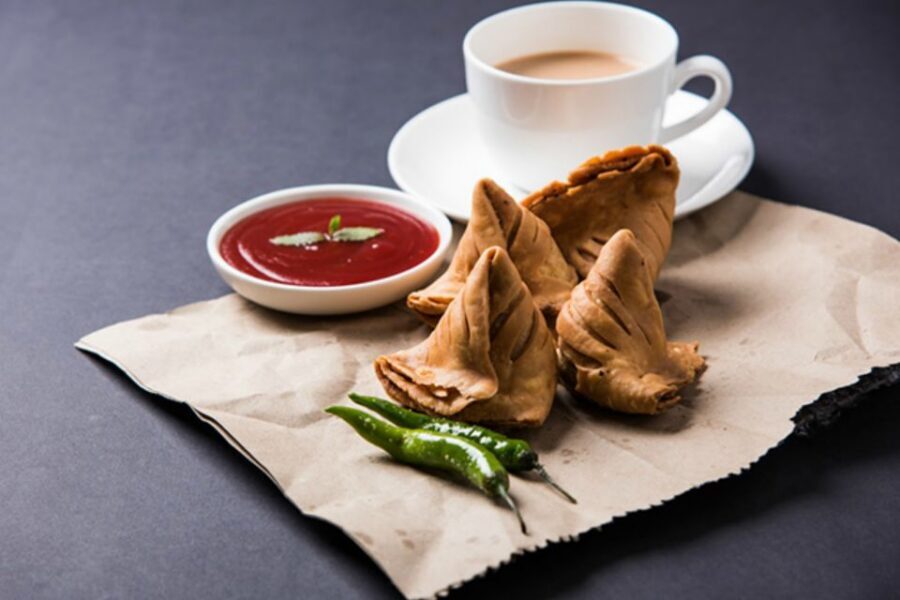
By the time you reach the snack moment, you’ll likely have worked up an appetite. The tour includes a quick break at Chandni Chowk, where you can taste the local evening-time favorites—chai and samosa.
Food breaks are more than a treat on this itinerary. They’re also a pacing tool in Old Delhi. After intense visuals and lots of movement, you get a short pause to sit, eat, and reset before your next faith stop.
Some groups report other snack highlights too, like banana paratha and lassi, which suggests different guides may lean into additional local classics as part of the included snack time. The consistent core is chai plus samosa, so you won’t leave totally guessing what you’ll get.
Gurudwara Sis Ganj and langar: the community kitchen experience
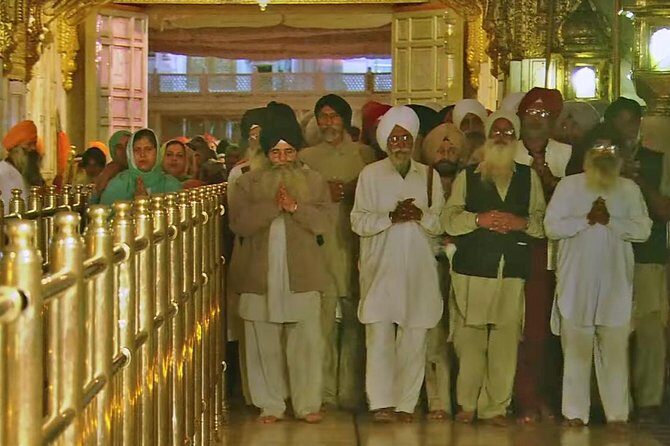
Then you head to Gurudwara Sis Ganj, an important prayer house for Sikhs. Spend time interacting with locals, and if you’re up for it, try your hand at langar, the community kitchen service.
This is one of the most meaningful parts of the tour because it shifts your focus from sightseeing to daily values. You’re not only looking at religion—you’re participating in the community practice that supports people through shared meals. That makes the experience feel personal, even if you’re visiting from another country.
Also, you’ll likely get clearer context here because some guides are specifically praised for making temple and faith explanations easy to follow. If you’re the kind of person who asks questions, this stop tends to reward it.
Jain Mandir bird hospital: a quieter ending with a purpose
The tour ends at Jain Mandir, home to a charitable hospital for birds. It’s a thoughtful change of pace from the earlier big-signal places. Instead of a crowd-focused stop, you get something more purpose-driven and reflective.
You’ll also learn about the tenets of Jain religion as part of the visit. Since the tour wraps up afterward and returns you to your starting area near Red Fort, it works well as a “last chapter” that slows your mind down before you head back into the city.
Safety and etiquette: how to make the day easier
Old Delhi is crowded and chaotic by nature. The tour guide’s job is to keep you moving safely, and the guide’s advice matters—especially around navigation and personal belongings.
Here’s what you should actually do:
- Stay close to your guide at all times.
- Watch your phone, wallet, and camera in crowded areas; pickpockets are a known risk.
- Plan on removing shoes and socks when you enter temples and places of worship.
- Keep your hands and bags controlled—this is not the best day to carry luggage or large bags.
What to bring from the practical list:
- Comfortable shoes
- Sunglasses
- Sun hat
- Sunscreen
And what not to bring:
- Pets
- Luggage or large bags
One more planning detail: Jama Masjid is open to all visitors, but the minaret climb can be restricted. So don’t build your entire day around getting to the top.
Price and value: is $25 for 3 hours worth it?
At $25 per person for 3 hours, the value comes from the package, not any one stop. You’re paying for:
- A tuk-tuk ride through multiple areas
- A professional English-speaking guide (and Spanish is available too)
- Tea and snacks included
You’re also saving energy. Walking all these segments yourself would be harder, slower, and more tiring—especially when you factor in crossing between markets and managing crowds. If you’re short on time and want an intro to Old Delhi that covers the main threads—mosque, spice trade, Sikh community practice, and Jain charity—this is a cost-effective way to do it.
One thing you should note: water isn’t included. Bring your own or plan to buy a bottle elsewhere so you don’t feel stuck halfway through.
Who this tour suits best (and who should skip it)
This tour is a strong fit if you want a fast, structured introduction to Old Delhi without spending the day battling streets on foot. It’s also a good match for first-time visitors who feel unsure about where to start and how to order the day.
It tends to work well for solo travelers too. In the feedback, multiple people highlight feeling safe with the guide and driver, and they praise guides who intervene if street sales get too aggressive.
But don’t book if any of these apply:
- You’re pregnant (listed as not suitable)
- You need wheelchair access (listed as not suitable)
- You’re planning to bring pets or large luggage (not allowed)
Also, if you hate crowds, you’ll feel Old Delhi’s intensity even from a tuk-tuk. The tour reduces walking, but it doesn’t erase the city.
Sunday note: market closures change the plan
If your travel day is Sunday, expect a change. The main markets are closed, and the route is adjusted to show other local markets instead. That’s good news in the sense that you won’t lose the whole market component—you just won’t see the exact same stalls as on a weekday.
Should you book this Old Delhi tuk-tuk tour?
If you want a 3-hour Old Delhi sampler that mixes monuments with daily life—and you like the idea of sitting down while someone else navigates the mess—then yes, I’d book it. The best reason is simple: you get several major experiences in one run, including Jama Masjid, Khari Baoli, langar at Gurudwara Sis Ganj, and chai-and-samosa timing, plus tea and snacks.
I would only hesitate if you:
- need full step-free access,
- are sensitive to crowd pressure,
- or can’t handle shoe-removal rules in places of worship.
If that’s not you, this is one of the more practical ways to see Old Delhi while keeping your energy intact. Start at Sunehri Masjid, ride through the markets, eat your way to the next stop, and let the guide’s pace do the heavy lifting.
FAQ
Where is the meeting point for the tour?
Meet at the gate of Sunehri Masjid on Nishad Raj Marg, Lal Qila, Old Delhi, New Delhi, Delhi 110006. It’s opposite the Red Fort parking, and the guide waits outside with a Green Banner stating Sunehri Masjid.
How long is the tour, and what does it include?
The tour lasts 3 hours and includes the tuk-tuk rickshaw ride, a professional English-speaking guide, and tea and snacks.
What is the snack included during the tour?
Tea and snacks are included. The tour highlights chai and samosa for the snack portion, and other local snack items may be part of the included snack time depending on the guide.
Is water included?
No. Water is listed as not included.
Do I need to remove shoes in temples?
Yes. The tour guidance says you must remove your shoes and socks in temples and places of worship.
Does Jama Masjid include a minaret climb?
The plan includes the possibility of climbing a minaret to see views, but it may be closed.
What should I bring and avoid?
Bring comfortable shoes, sunglasses, sun hat, and sunscreen. Pets and luggage or large bags are not allowed.
What happens if I visit on a Sunday?
Main markets are closed on Sundays, and the itinerary changes to show other local markets instead.