REVIEW · MUMBAI
Mumbai: Dharavi Slum and Dhobi Ghat Laundry Tour
Book on GetYourGuide →Operated by Cityscape Mumbai Tours · Bookable on GetYourGuide
Mumbai’s most surprising factory is laundry. In just three hours, you’ll see Dhobi Ghat at work in the open air, and learn how daily life and small-scale industry power a neighborhood that outsiders often misunderstand. This tour pairs hard-to-believe visuals with real explanations from local guides like Anesh, Priti, Subhan, and Ruba.
I especially like the contrast: Dhobi Ghat’s traditional wash routines on one side, and Dharavi’s maker economies on the other. You’ll also get a short ride on Mumbai’s iconic local train, and that simple 15 minutes helps you feel the city’s pace in a way Google Maps never does.
The main drawback to plan around is physical comfort. You’ll walk a lot in crowded, narrow lanes, and the Dhobi Ghat portion may feel brief depending on how long you want to linger at the tanks and washing points.
In This Review
- Key moments that make this tour worth your time
- Why Dhobi Ghat and Dharavi feel like two sides of one city system
- Getting started at Third Wave Coffee and what that means for your day
- Dharavi on foot: how small industries create a neighborhood economy you can see
- The leather factory stop: Asia’s largest scale, explained with everyday context
- Kumbhar Wada pottery: why the craft community feels older than the streets around it
- Plastic recycling in Dharavi: learning the process without the sensational tone
- Dhobi Ghat: the open-air laundry operation and what to watch for
- The 15-minute local train ride: the fast, real Mumbai feeling
- Guides make the difference: from Priti to Ruba and Subhan
- Price and value: about $5 for 3 hours of “how the city works”
- What to bring, what not to do, and how to stay comfortable
- Who should book this tour, and who should skip it
- Should you book the Mumbai Dharavi and Dhobi Ghat tour
- FAQ
- How long is the Dharavi Slum and Dhobi Ghat Laundry Tour?
- What does the tour cost?
- Where does the tour start and end?
- Is the tour guided, and is there an English option?
- What is included in the tour?
- Is food and drinks included?
- What should I bring?
- Is smoking allowed during the tour?
- Is there a train ride?
- Who is this tour not suitable for?
Key moments that make this tour worth your time
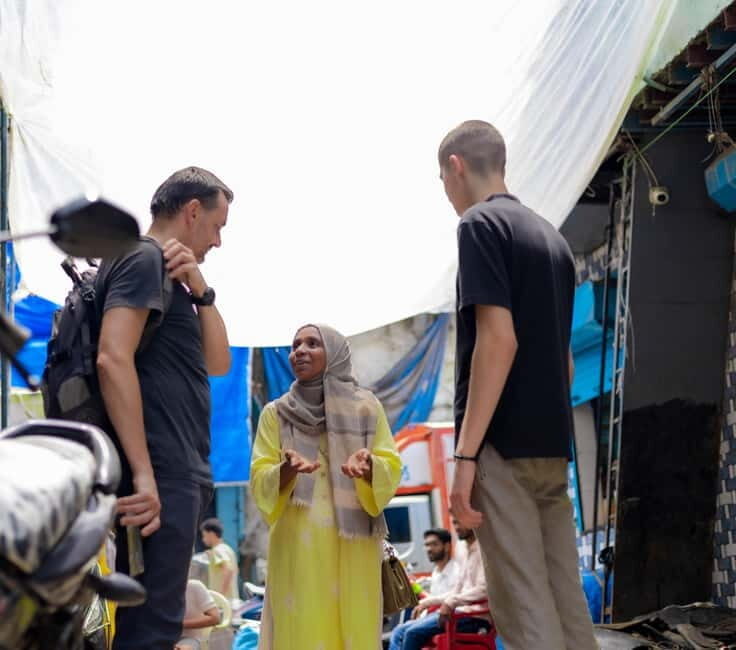
- Dhobi Ghat laundry in action: watch an open-air system that processes enormous daily volumes of clothing.
- Dharavi’s small industries, in plain sight: leather, plastic recycling, and neighborhood manufacturing all connect.
- Kumbhar Wada pottery community: you see how older craft workflows still shape everyday life.
- A Mumbai local train ride: a short, guided taste of commuter reality.
- Local English-speaking guides: guides such as Priti, Ruba, Subhan, and Jawwad help keep things respectful and clear.
Why Dhobi Ghat and Dharavi feel like two sides of one city system
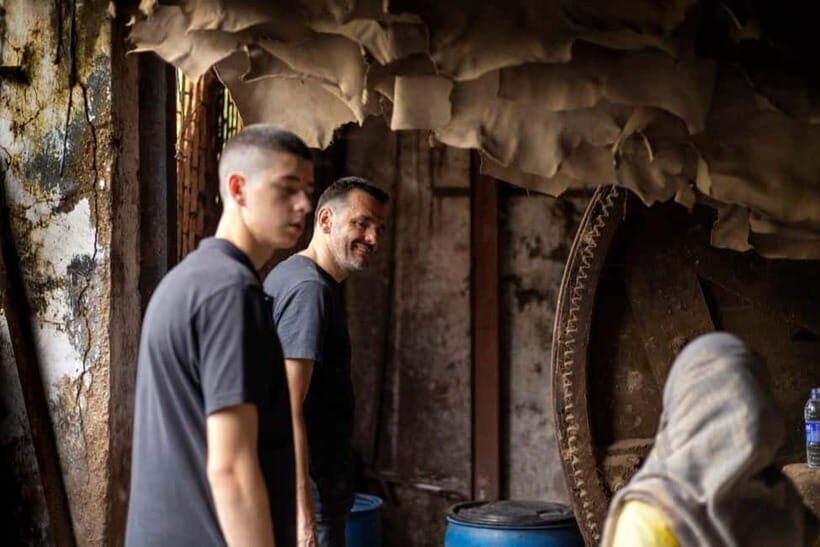
Mumbai can look like separate worlds from a distance. On this tour, it stops being abstract. Dharavi and Dhobi Ghat don’t feel like sightseeing stops; they feel like parts of one working machine.
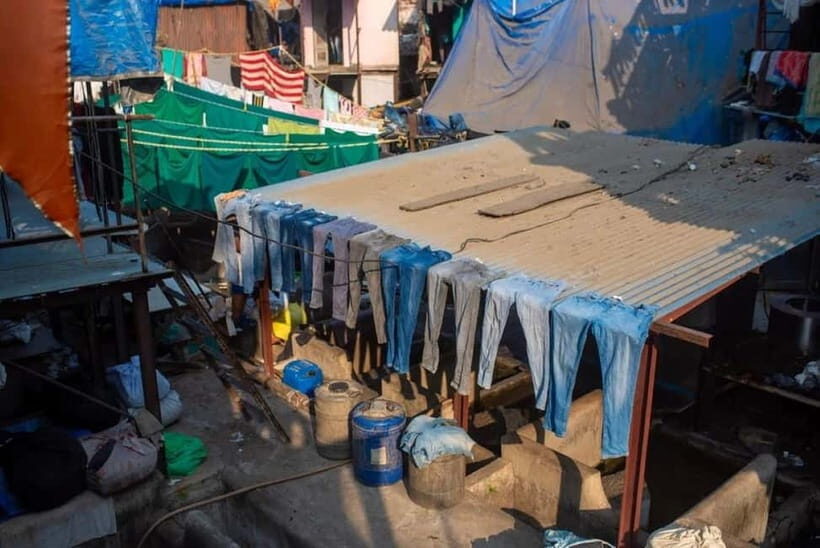
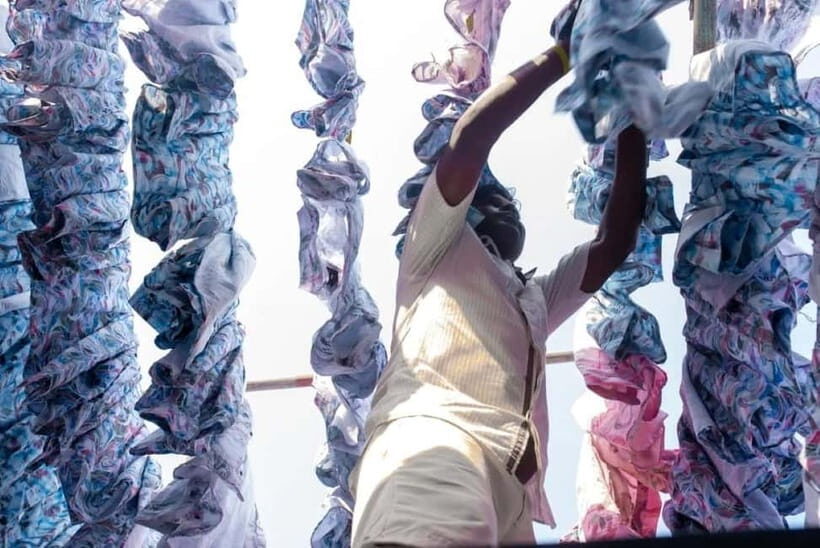
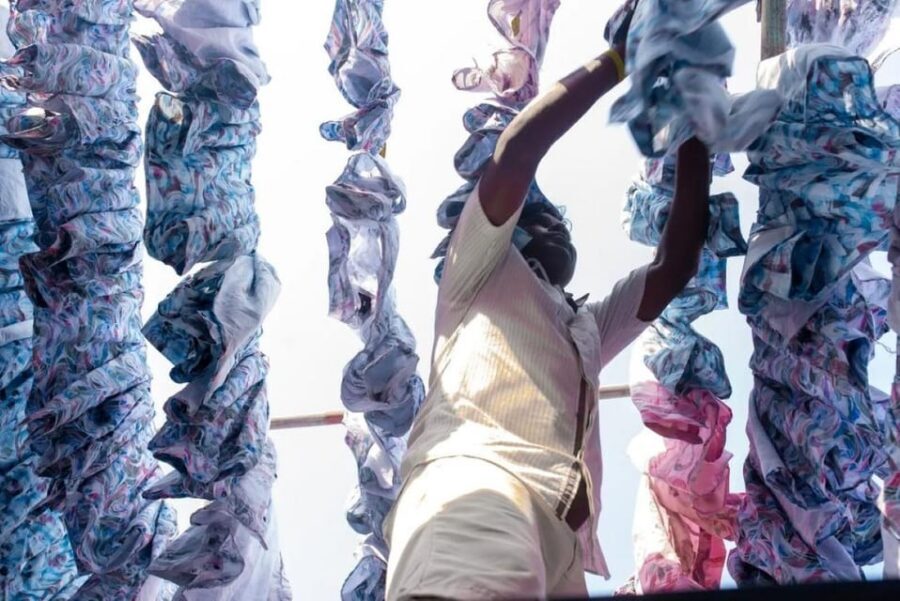
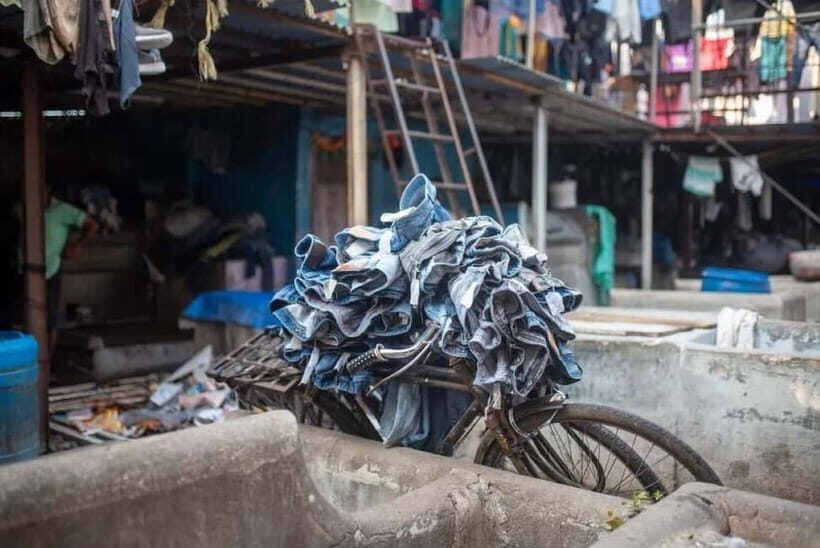
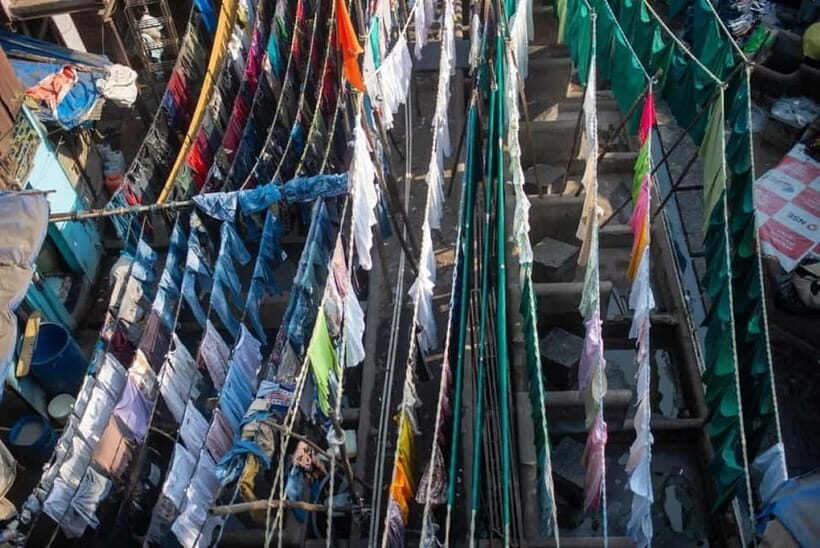
Dhobi Ghat is where you understand the word work, with your eyes. Clothes arrive, people handle them at different stages, and the whole operation depends on time-tested methods. In many places, “laundry” is a private task you never watch. Here, it’s public and communal, and you quickly realize why locals treat it as essential infrastructure.
Dharavi adds the other side: the neighborhood’s economy isn’t one big factory. It’s thousands of smaller businesses, craft spaces, and recycling workflows that keep things moving. You also get context for why the area has this entrepreneurial energy—people solving problems in close quarters, day after day.
If you enjoy practical travel—places where you can see how things actually function—this is your kind of tour.
You can also read our reviews of more tours and experiences in Mumbai.



Getting started at Third Wave Coffee and what that means for your day
You’ll meet at a Third Wave Coffee location (the exact meeting point can vary by option). That’s a nice change from the usual chaos of “meet by the taxi stand” instructions. The tour is designed to keep the early part simple: get you into the neighborhood route smoothly, with a guide who can manage the flow of a walk in busy areas.
You’re in for a real-walking format. Comfortable shoes matter more than you think, because Dharavi’s lanes can get tight, and you’ll move at a local pace for a few different segments.
The biggest benefit of using a guided route is that it reduces friction. You’re not trying to decode where you’re allowed to stand, which paths are best for viewing, and how to handle photography respectfully. Your guide handles that rhythm for you.
Dharavi on foot: how small industries create a neighborhood economy you can see
The Dharavi portion focuses on what residents do and how different trades interact. Even if you’ve heard general stories about Dharavi, you’ll still be surprised by the everyday practicality of what you see: workspaces, production processes, and the connections between materials and finished goods.
This is also where the tour’s tone matters. A good guide doesn’t turn the neighborhood into a stage. The better ones—like the English-speaking hosts people often mention, including Priti and Subhan—keep the visit grounded in explanation and context, not shock.
Here’s what makes this walk valuable for you:
- You’re not just looking at buildings. You’re learning what people are producing, recycling, and crafting.
- You’re seeing how the neighborhood’s resilience shows up in work routines, not slogans.
A note of realism: you’re walking through a living community. So your job is to be observant without intruding. That means you’ll likely pause when your guide asks you to, and you’ll keep your distance from private areas.
The leather factory stop: Asia’s largest scale, explained with everyday context
One of the standout segments is a visit connected to Asia’s largest leather factory in Dharavi. That sounds like a headline. On the ground, the value is how your guide frames what leather production involves and how industrial work fits into a neighborhood setting.
This isn’t a museum-style look at a product. It’s more about understanding the supply chain mindset: how materials move through stages, how workers keep processes running, and why these types of businesses form clusters where skills and tools are available nearby.
If you care about how cities function economically, this stop gives you a concrete example of Mumbai’s industrial web.
Practical expectation: factory-related viewing can come with boundaries. Photography may be restricted in certain areas, so watch for guidance from your host.
Kumbhar Wada pottery: why the craft community feels older than the streets around it

Kumbhar Wada is known for its pottery-making community, and it’s a great stop because it changes your perspective. Leather and recycling are about materials in motion. Pottery brings you back to making—hands-on work with shape, form, and workflow.
What I like about this kind of stop is that you get variety. The tour doesn’t just show one “topic.” It shows how different trades sit close together, which is one of Dharavi’s key stories.
Pottery also encourages patience. You start noticing the details: the rhythm of production, the logic of tools, and why craft knowledge matters even when the surrounding city keeps changing.






Plastic recycling in Dharavi: learning the process without the sensational tone
The tour also includes an introduction to Dharavi’s plastic recycling industry. This is one of those topics that can turn into fear-based commentary if a guide gets it wrong.
A good guide keeps it practical. You’re not collecting headlines; you’re learning what people do with materials, where those materials come from, and why recycling businesses form an economic loop in a place with intense urban pressure.
This stop can hit harder than you expect, in a useful way. You come away thinking about consumption and waste, but also about labor and skills. It’s not just an environmental topic. It’s an economic one.
Dhobi Ghat: the open-air laundry operation and what to watch for
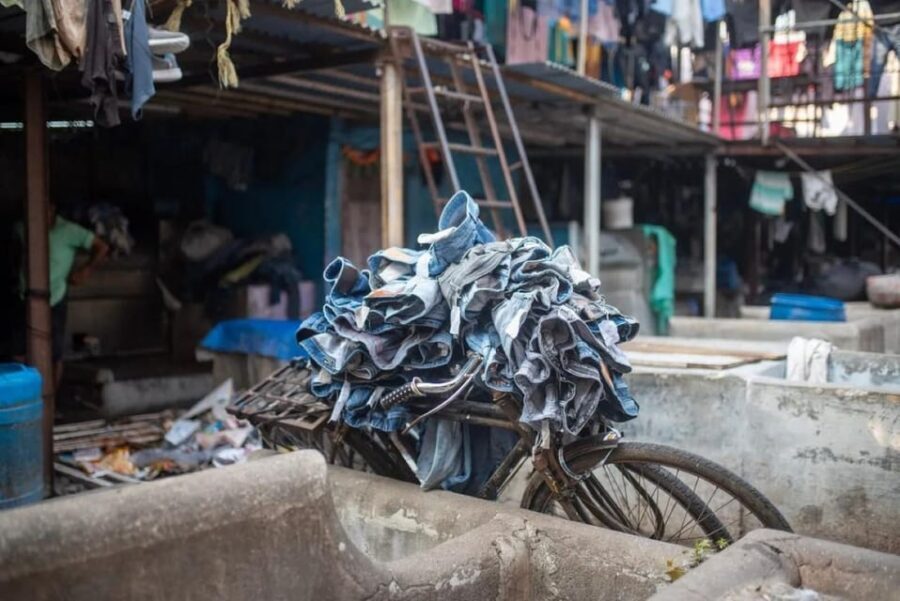
Dhobi Ghat is the heart of this experience. You’re stepping into an open-air laundry world where traditional methods handle vast daily volumes. The scale is hard to forget: the operation washes over 100,000 clothes per day.
When you’re there, watch for the workflow logic:
- How clothes move through stages.
- How people manage the washing routine in an outdoor environment.
- How the operation depends on time, coordination, and repeated motions.
Your guide should help you connect what you see to what it means for the community. If you’re the type who likes explanations, this is a good place to ask questions—things like how the laundry routines work and why the methods have persisted.
Photography note: photography may be restricted in some areas. I’d treat your camera like a tool you use with permission, not a free-for-all. Your host’s instructions come first.
Time note: a common consideration is that some people feel the Dhobi Ghat time can be on the short side. If you’re someone who likes to watch details for longer, you may want to keep your expectations flexible and be ready to see what you can in the allotted viewing window.
The 15-minute local train ride: the fast, real Mumbai feeling
Then comes the part that many people love for a simple reason: the Mumbai local train is not a staged photo moment. It’s a real commuter system, and you get a short 15-minute ride as part of the experience.
Even during busy periods, guides help you stay oriented. People often mention that the ride can feel safe when you’re with the right group and host, and that it’s a first-time highlight for many visitors who’ve never ridden in India before.
Here’s how to make the ride work for you:
- Keep your phone/camera secured and only take photos when you can do so comfortably.
- Be ready for crowds and motion.
- Pay attention to how quickly the city moves, and how the train connects neighborhoods to the rest of Mumbai’s daily rhythm.
This segment also helps you understand the economic point of the tour. Dharavi isn’t an isolated bubble. It’s linked to Mumbai’s broader movement of people, work, and goods.
Guides make the difference: from Priti to Ruba and Subhan
This tour’s quality is heavily tied to the guide guiding style. You’ll see many guides referenced by name in participant feedback—Anesh, Priti, Subhan, Krishna, Jawwad, Ruba, Chirag, Sharon, Aarti, Kavita, and Roopa among them.
What matters in practice is not just English ability, but how the guide handles three things:
- Pacing: several guides are described as adjusting to the group and walking at a pace that feels manageable.
- Respect: the best tours keep a careful tone around residents’ privacy and daily work.
- Clarity: people often comment on explanations and Q&A that make the stops feel connected, not random.
If you want to choose the best fit, look for the guide described as careful, friendly, and willing to answer questions. That’s where your understanding starts to feel personal instead of purely observational.
Price and value: about $5 for 3 hours of “how the city works”
Let’s talk value, because $5 can sound too good until you notice what you’re actually getting.
For roughly three hours, you’re getting:
- A guided Dharavi walk with explanations of leather, pottery, and plastic recycling.
- A visit to Dhobi Ghat, including a guided viewing of a massive laundry operation.
- A guided local train ride (15 minutes), where getting it right matters.
- A local English-speaking guide leading you through crowded streets with context.
You’re not just buying access to one attraction. You’re buying translation of meaning—why the trades exist, how they fit together, and what they show about Mumbai’s economy.
Also, the tour format includes practical elements like skipping ticket line time. That may sound minor, but in crowded cities it can save you stress and time, especially if you’re not used to local systems.
Bottom line: at this price, the tour is strongest when you treat it as education with real logistics. You’ll get the most out of it if you arrive ready to walk, ask questions, and follow the guide’s instructions.
What to bring, what not to do, and how to stay comfortable
This is a practical, walking-heavy experience, so pack like you’re going on a long neighborhood walk, not a short museum visit.
Bring:
- Comfortable shoes
- Water
- Sunscreen
- A camera (with the understanding that photography can be restricted in some areas)
Not allowed:
- Smoking
A few behavior tips that will make your visit smoother:
- Dress modestly, since you’re moving through a working community.
- Respect privacy. Don’t linger at doorways or peek into private spaces.
- Follow your guide on when and where you can take photos.
If you do these basics well, you’ll feel less like you’re “visiting a place” and more like you’re learning beside it.
Who should book this tour, and who should skip it
This tour is best for adults and older kids who can handle walking and crowded lanes. It is not suitable for:
- Children under 5 years
- Pregnant women
- Wheelchair users
If you’re short on mobility, hate crowds, or want a low-effort day, this probably won’t feel good. Dharavi’s lanes can be narrow and busy, and the tour’s value comes from being present in the space.
On the other hand, if you’re the type of traveler who likes grounded city experiences—places where industry and everyday life overlap—this tour can be a standout Mumbai day.
Should you book the Mumbai Dharavi and Dhobi Ghat tour
If you want a Mumbai experience that’s more than landmarks, I think you’ll like this. The combination is what makes it work: Dhobi Ghat’s scale and routine, Dharavi’s real trades like leather work, pottery, and recycling, plus a short ride on the local train to connect it back to the city.
Book it if:
- You’re curious about how neighborhoods function economically.
- You enjoy guided walking with explanations and Q&A.
- You’re comfortable being respectful in a living community and following photography boundaries.
Skip it or rethink if:
- You need lots of seating or step-free access.
- You dislike crowds and narrow lanes.
- You’re sensitive to hard-working environments where people are focused on daily tasks.
For the price and the mix of stops, this is strong value—just show up ready to walk, stay hydrated, and let the city teach you through what it actually does.
FAQ
How long is the Dharavi Slum and Dhobi Ghat Laundry Tour?
The duration is 3 hours.
What does the tour cost?
It’s priced at about $5 per person.
Where does the tour start and end?
You meet at a location that may vary depending on the option booked, and drop-off can be at Third Wave Coffee or Mahalaxmi Station.
Is the tour guided, and is there an English option?
Yes. It includes a live tour guide in English.
What is included in the tour?
You get a guided tour of Dharavi, a visit to Dhobi Ghat Laundry, and insights into local industries and community life.
Is food and drinks included?
No. Food and drinks are not included.
What should I bring?
Bring comfortable shoes, a camera, sunscreen, and water.
Is smoking allowed during the tour?
No, smoking is not allowed.
Is there a train ride?
Yes. You’ll have a 15-minute ride on Mumbai’s local train.
Who is this tour not suitable for?
It’s not suitable for children under 5 years, pregnant women, or wheelchair users.