REVIEW · JAISALMER
Little Prince Camel Safari with Overnight
Book on GetYourGuide →Operated by Desert Tour Jaisalmer & Overnight Camel Tour Non Touristic · Bookable on GetYourGuide
Stars are the main show here. This 2-day Thar Desert camel safari trades a jeep ride for real camel-back time, with a local camel expert leading you off the usual route. I love the hands-on desert feel (especially the non-touristy approach) and the way the team focuses on practical care, like plenty of water, blankets, and food. The one drawback to plan around is harsh desert reality: no bathrooms, no electricity, and little to no mobile signal.
You start around 1:30 PM from the Marvin Camel Safari office and head out to sights on the way to the dunes, including Kuldhara Abandon Village, Khabha MT Fort, and a natural oasis. After a sunset pause, you switch to camel-back for the approach to camp, then eat a wood-fire veg dinner and sleep under the stars on warm desert bedding or right on the dunes.
In This Review
- Key things I’d circle before you go
- Jaisalmer pickup and the jeep ride that sets the tone
- Kuldhara, the fort stop, and the oasis: the day’s “build-up scenes”
- Camel expert and the first ride into the dunes
- Sunset pause, tea and snacks, and why the timing is smart
- Dinner by wood fire and the bonfire night routine
- Sleeping on dunes: warm bedding, real sky, and real limitations
- Day 2 sunrise, camel ride, and returning to Jaisalmer by 10 AM
- Price and value: what $26 covers (and what it doesn’t)
- Who should book this camel safari, and who should skip it
- What to bring: pack for the desert night, not the day
- A quick note on guides and care (the difference you feel)
- Should you book Little Prince Camel Safari with Overnight?
- FAQ
- What time does the safari start?
- Where do you get picked up?
- How long is the camel ride?
- What meals are included?
- Where do you sleep overnight?
- Is there electricity or mobile signal?
- Are alcoholic drinks included?
Key things I’d circle before you go
- Non-touristy desert route: More real time in the dunes, less time in the usual tourist shuffle.
- Camel-back matters: You ride your way into camp, not just a quick photo stop.
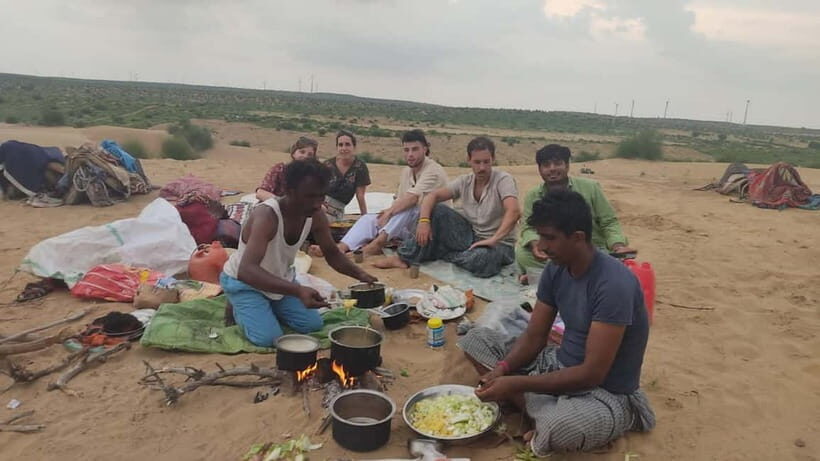
- Wood-fire veg meals: Dinner is cooked over wood fire, then you hang around the bonfire.
- Night under stars: Plan for a sky that feels close enough to touch.
- Care from the team: In real bookings, people praised how guides like Hayat made sure essentials were covered.
Jaisalmer pickup and the jeep ride that sets the tone
This safari is built like a proper desert outing, not a bus tour with one token camel moment. You’ll be picked up in Jaisalmer, and the operator notes pickup can be from your hotel (or from Jaisalmer Railway Station or Jaisalmer Bus Station if that’s what you prefer—just be ready to provide the details at booking time). The main departure point on Day 1 is around 1:30 PM from the Marvin Camel Safari office by jeep or car.
That first jeep drive is more than transportation. It’s how the Thar Desert goes from something you’ve seen on maps to something you can actually feel—space, heat in the daytime, cooler air after sunset, and that slow change in sound as you leave the town behind. The route also gives you context before you even reach the dunes.
One practical note: you’re going to spend time sitting in a vehicle. If you’re sensitive to long rides, bring a light layer and keep your water bottle easy to reach (bottled water is included, so you’re not starting from zero).
A few more Jaisalmer tours and experiences worth a look
Kuldhara, the fort stop, and the oasis: the day’s “build-up scenes”
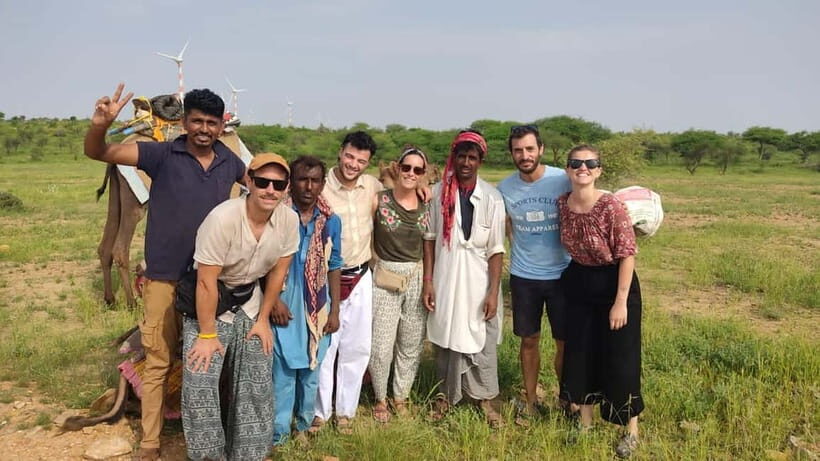
Before the camel-back part begins, you’ll pass through a few places that break up the drive and give you something to look at besides empty sand.
First up is Kuldhara Abandon Village. It’s the kind of stop that makes the desert feel older and more serious. Even if you don’t know the full story before you arrive, the location and the feeling of abandonment do the work. You’re not just sightseeing; you’re seeing how human history sits against desert conditions.
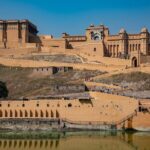
Next comes Khabha MT Fort. The fort stop is another “pause and absorb” moment, not a long museum-style experience. Think of it as a way to understand the Thar Desert wasn’t always only about animals and dunes—it also had people moving, protecting, and living on the edge of harsh landscapes.
Then you’ll reach a natural oasis stop. This is the kind of contrast your brain appreciates: sand and dryness turning into a pocket of greenery or water. It also gives you a chance to reset before the ride gets more physical.
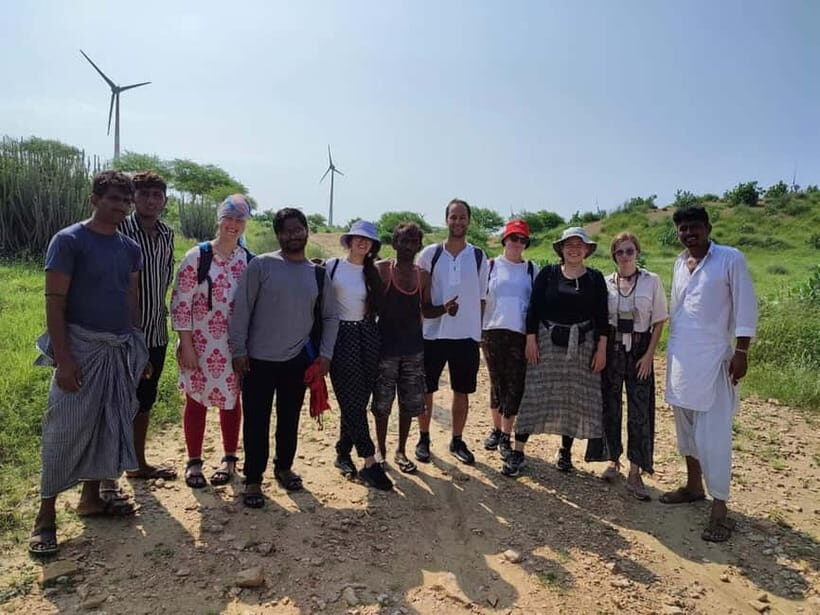
These stops matter for two reasons. One, they make the afternoon feel varied. Two, they help you arrive at the dunes with your eyes open, instead of just thinking, Wow, sand again.
Camel expert and the first ride into the dunes
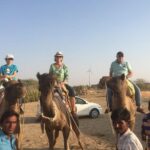
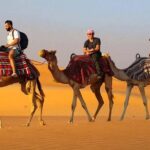
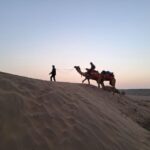
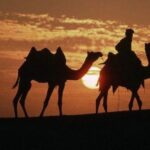
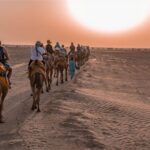
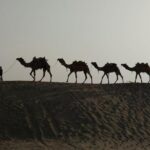
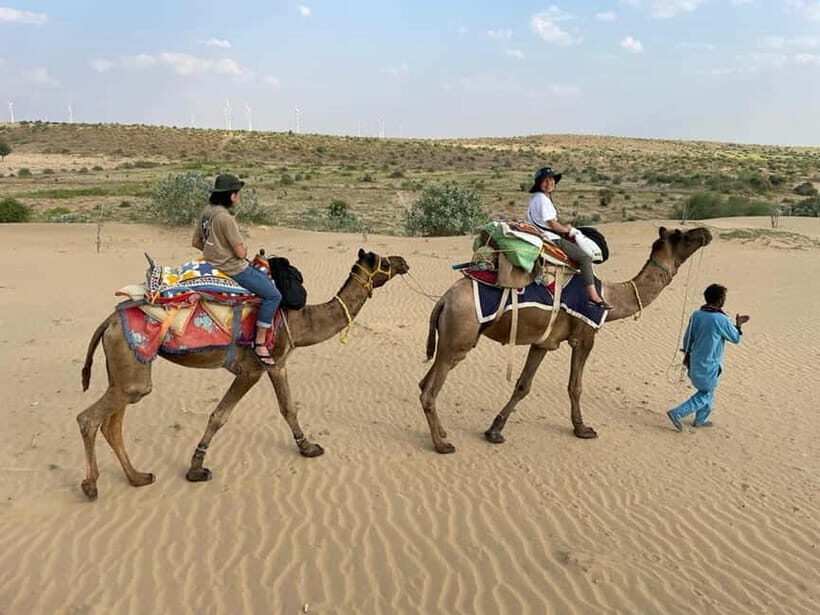
Once you’re in the right zone, you switch from jeep travel to the main event: camel-back. On Day 1, the camel ride is around 45 minutes into the desert. That timing is long enough to feel like you’ve truly shifted modes, but not so long that you’re wiped out before sunset.
A local camel expert guides you, and the difference shows. You don’t just hop on and hope. The team helps with how to sit and settle, and you get a safer, smoother experience than the quick “camel for photos” approach.
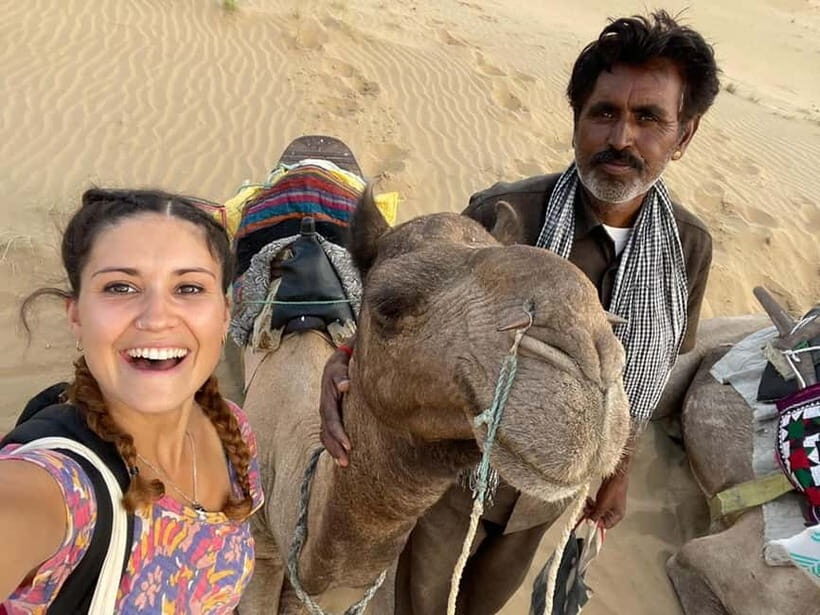
Also, take the animal welfare angle seriously. One of the strongest themes in the feedback is that people felt the camels were treated well. That matters, because a good safari is as much about respect and routines as it is about views.
My suggestion for this part: wear comfortable clothes you can move in, and keep your hands calm. The motion on a camel is rhythmic, not chaotic, but your body needs a moment to stop bracing for every step.
Sunset pause, tea and snacks, and why the timing is smart
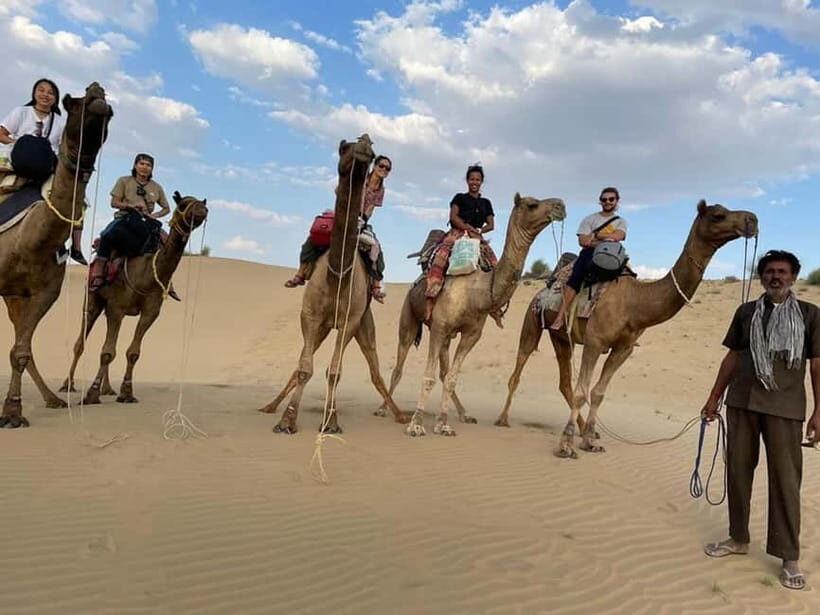
After the first camel segment, you’ll stop in the dunes and watch the light change. Sunset here isn’t an abstract idea—it’s practical. The air cools, visibility improves, and the desert stops looking flat.
There’s a pause for Tea & Coffee and snacks during the sunset moment. That little reset is important because you’re about to switch from riding to dinner mode and then night-sky mode. It’s easier to enjoy the evening when your energy is stable and you’ve had something warm in your system.
This is also where you should slow down. If you’re always rushing for photos, you’ll miss the way the dunes shift tone minute by minute. If you’re the type who likes to watch a place for a few minutes without turning it into a photo session, you’ll have a better time.
Dinner by wood fire and the bonfire night routine
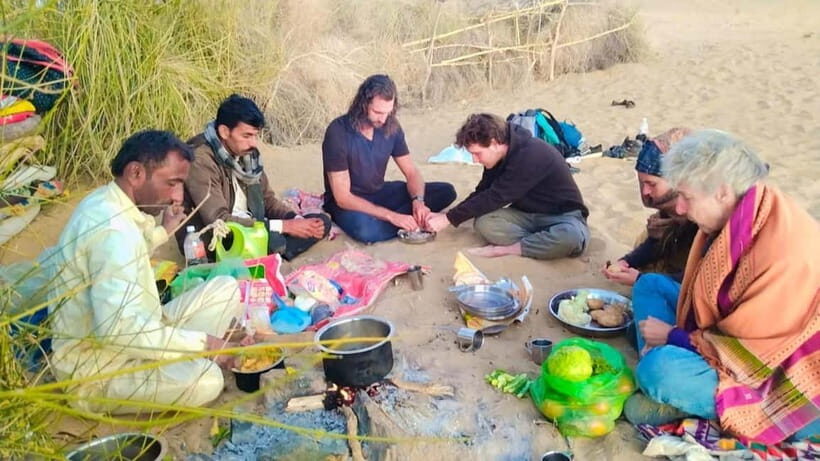
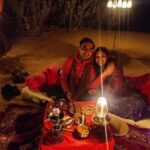
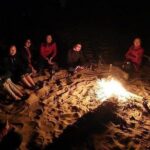
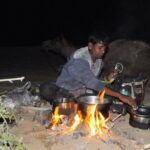
Night in the desert comes fast. You’ll have a dinner prepared on wood fire by your camel driver or host team. Then there’s time around the bonfire, with a traditional veg dinner.
This meal setup is one of the best value parts of the whole trip. You’re paying for a full day experience that continues into the evening without requiring you to find restaurants, track down a cook, or worry about where you’ll eat once you’re far from Jaisalmer.
The best detail is how the team handles the basics. In one booking, a guide named Hayat was praised for taking care of guests: enough water, enough blankets, and that steady check-in that keeps you from feeling lost in the dark. That kind of attention is what turns “roughing it” into “fun discomfort,” instead of “why did I wear the wrong pants.”
One more point: alcoholic drinks are not included, though they may be available to purchase. If you drink, plan for that cost in advance. If you don’t, the campfire tea and cool night air do a lot of the job anyway.

Sleeping on dunes: warm bedding, real sky, and real limitations
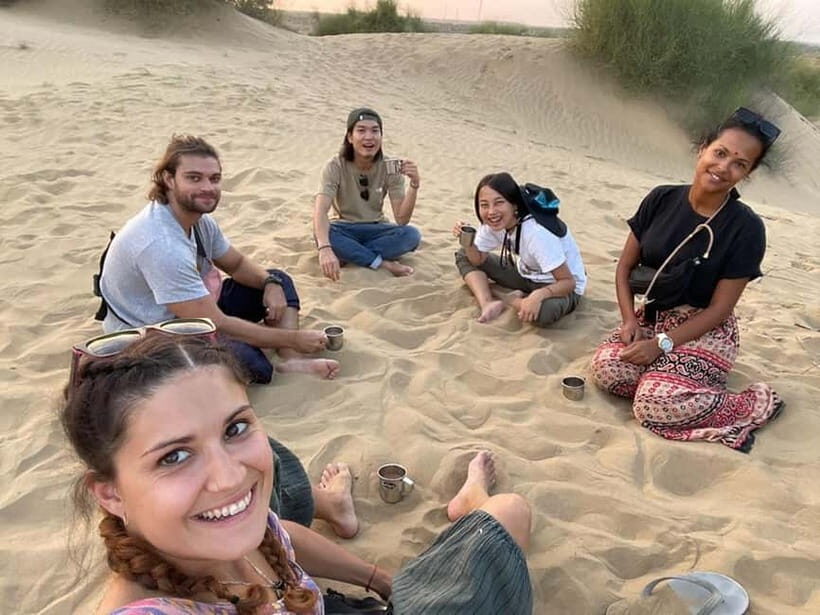
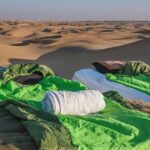
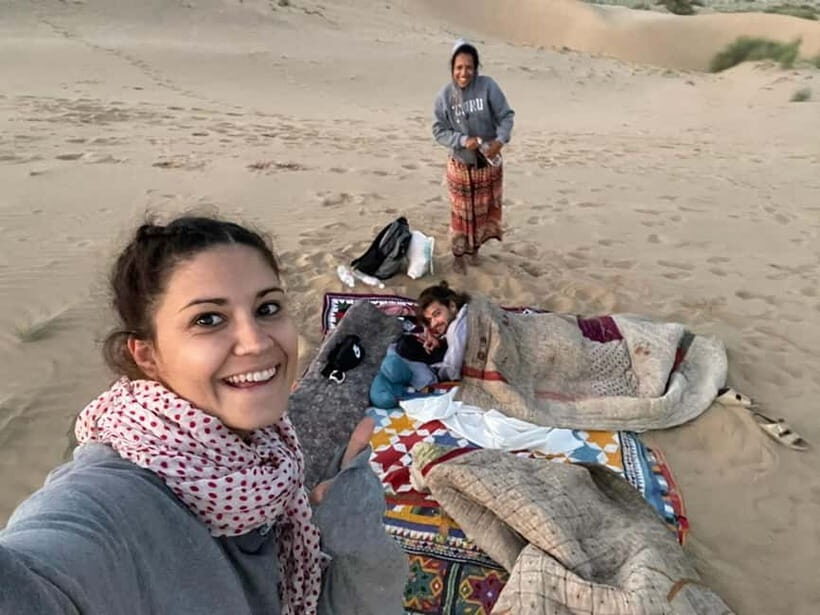
Sleeping under stars is the headline reason people book this. And yes, it’s the right kind of wow. When you’re far from city light, the sky turns into a ceiling. People specifically called out how phenomenal it was to sleep under the stars.
You’ll sleep either:
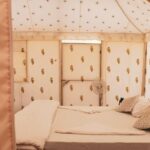
- in camp with a blanket and mattress on the dunes, or
- directly on the dunes with desert-style bedding (depending on how the camp is set up that night)
Either way, you’re doing “desert camping,” not hotel bedding. The reviews also mention sleeping can feel comfortable, but comfort still depends on what you bring and how you prepare for cold desert night temperatures. Even in warmer months, sand cooling and nighttime air can make a difference.
Here’s what you must plan around: no electricity and no mobile signal. The tour information is clear on that, and it’s the difference between a relaxing night and a stressful one. Don’t assume you can charge anything. Use your power bank earlier in the day, and don’t rely on your phone for time, navigation, or entertainment.
Also, bring a flashlight. The packing list includes one, and in a camp setting it becomes your best friend fast. Toiletries are also on the bring list, which is helpful because you’ll want to freshen up before settling in.
Day 2 sunrise, camel ride, and returning to Jaisalmer by 10 AM
Day 2 starts with sunrise. You’ll wake up to a beautiful sunrise with Tea & Coffee, then have breakfast after sunrise. The timing is built for the desert light—morning colors tend to look softer and less harsh than midday glare.
After breakfast, you mount your camel again for around 30 minutes. This second ride is shorter, but it’s a chance to feel the desert twice: once arriving into it on Day 1 and again while leaving camp on Day 2.
Once the camel segment is done, you take a jeep ride back to Jaisalmer, reaching by about 10 AM. That ending is practical. You’re not stuck waiting around all day, and you can still use the morning to continue your itinerary.
It also helps you keep the cost down, because the tour gives you a full morning experience and then gets you back on track quickly.
Price and value: what $26 covers (and what it doesn’t)
At about $26 per person, this tour looks cheap until you break down what’s included.
You get:
- hotel pickup and drop-off
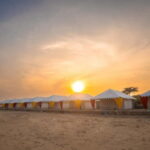
- overnight in camp on the dunes (blanket and mattress)
- a tour guide
- camel rides (about 45 minutes Day 1 and 30 minutes Day 2)
- tea/coffee in the evening
- breakfast and dinner
- bottled water
Not included:
- lunch
- alcohol (can be available to purchase)
- insurance
- any other food and drinks unless specified
For value, the big win is the complete package. Your main costs—transport out to the dunes, the overnight setup, the animals, and the meals—are handled. A lot of “cheap camel experiences” only give you the animal ride and then tell you to figure out the night on your own.
A fair way to think about it: you’re paying mostly for time, effort, and coordination in a place that doesn’t naturally support easy logistics. You’re not just buying a ride. You’re buying a whole desert schedule.
Who should book this camel safari, and who should skip it
This is a great fit if you want:
- a true desert adventure rather than a quick stop
- camel-back time that lasts
- a campfire dinner and an honest night under the stars
- a guided route that includes Kuldhara and other desert stops
It’s especially good for solo travelers who want a structured experience without feeling locked into a large group vibe.
But you should think twice if:
- you need access to bathrooms, electricity, or reliable phone service (this tour does not provide them)
- you’re pregnant (the tour lists it as not suitable)
- you use a wheelchair (also listed as not suitable)
- you travel with baby strollers or carriages (not allowed)
Basically: if you’re okay with basic desert conditions and you’ll pack smart, you’ll likely love it.
What to bring: pack for the desert night, not the day
The tour’s own packing list is a helpful guide, and I’d treat it as a minimum plan. You don’t need everything listed, but don’t ignore the big items.
Key brings that make the night easier:
- Sunglasses and sunscreen for the daytime glare
- a jacket or warmer layer for the evening
- comfortable shoes (you’ll want stable footing during stops)
- long pants and long-sleeved options to handle heat and chill
- toiletries so you can feel human before you sleep
- a flashlight since the camp is dark
- power bank (and use it before the power-free night)
- cash (handy for any small purchases, since alcohol may be available to buy)
Also, the tour notes passport is required. Don’t leave that out if you’re traveling internationally or you keep it elsewhere.
One small humor tip: pack like you’re going camping, not like you’re going to a rooftop bar. The desert doesn’t care about fashion. It cares about warmth, sun protection, and comfort.
A quick note on guides and care (the difference you feel)
In the feedback, one name comes up in a positive way: Hayat. Guests credited him with excellent care—making sure they had what they needed, including enough water, extra food, and plenty of blankets.
That matters because desert comfort is mostly about small things that don’t look important until you’re cold and far from everything. If your team takes care of those basics, the whole safari feels smoother and more enjoyable.
There’s also mention of Raheem, the manager connected with Little Prince Hostel in Jaisalmer. The point for you isn’t that you must stay there. The point is that the operator ecosystem seems to have caring staff who handle communication and support well, which can matter when pickup details are involved.
Should you book Little Prince Camel Safari with Overnight?
Book it if you want a Jaisalmer camel safari that feels like a real desert overnight: jeep out, camel-back into camp, wood-fire veg dinner, and sleep under the stars. The included meals, bottled water, and round-trip pickup make it good value for a full 2-day experience.
Skip it if you’re not comfortable with real off-grid conditions. No bathrooms, no electricity, and no mobile signal means you need to plan your comfort. Also, the tour isn’t suitable for everyone, including pregnant women and wheelchair users.
If you’re the type who likes practical adventure and you’re willing to pack for the night, this is a strong pick.
FAQ
What time does the safari start?
The Day 1 start time is around 1:30 PM, departing from the Marvin Camel Safari office by jeep or car.
Where do you get picked up?
Pickup is included from your hotel in Jaisalmer. The operator also mentions pickup is possible from Jaisalmer Railway Station or Jaisalmer Bus Station if you provide the details.
How long is the camel ride?
On Day 1, the camel ride is around 45 minutes. On Day 2, it’s about 30 minutes.
What meals are included?
You’ll have breakfast and dinner. Tea and coffee are included in the evening. Lunch is not included.
Where do you sleep overnight?
Overnight is in a camp with blanket and mattress on the dunes (with the option of sleeping on the dunes with desert-style bedding).
Is there electricity or mobile signal?
No. The experience is described as having no electricity and no mobile signal, and there are no bathrooms.
Are alcoholic drinks included?
Alcoholic drinks are not included, though they may be available to purchase.