REVIEW · KOCHI
Fort Kochi & Chinese Fishing Nets Private Walking Tour
Book on GetYourGuide →Operated by Carnival Tours Kochi · Bookable on GetYourGuide
Fort Kochi makes sense fast on foot. This private walking tour links the waterfront sights, centuries-old churches, and local market life into one easy route—plus you get short tuk-tuk hops so you’re not fighting the whole distance on tired legs. I especially liked how the guide ties the buildings to real stories, not just dates.
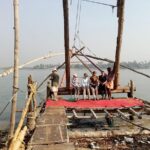
I also love the moment you reach the beach and see the Chinese Fishing Nets at work. It’s the kind of view that turns history into something you can actually picture, and the guide keeps explaining how the mechanism and fishing method fit into Kochi’s coastal culture. If you like learning while you walk, this format really clicks.
One thing to consider: the tour isn’t recommended for people with limited mobility, because you’ll be doing a good amount of walking around churches, viewpoints, and Jew Town.
In This Review
- Key Highlights You’ll Feel Immediately
- Fort Kochi in 3 Hours: A Route Built for Real Understanding
- Where You Meet and How the Tempo Works
- St. Francis Church: The 1503 Church With Vasco da Gama’s Story
- Santa Cruz Cathedral Basilica: Murals and Paintings From the 1500s
- Chinese Fishing Nets: The Beach View That Explains Itself
- Matancherry Palace: Portuguese Links and Hindu Epic Murals
- Jew Town’s Synagogue and the Pardesi Story
- Jew Town Shops: Antique and Spice Browsing With a Purpose
- What $30 Covers: Value in a Tight 3-Hour Window
- Smart Packing and Respectful Visiting Tips
- Should You Book This Fort Kochi Private Walking Tour?
- FAQ
- How long is the Fort Kochi private walking tour?
- Is this tour private or shared?
- What’s included in the price?
- Do I need to pay for hotel pickup and drop-off?
- Where do I meet the guide?
- What should I wear or bring for the tour?
- Are there days when the synagogue or Dutch Palace won’t be accessible?
- Is the tour suitable for cruise ship passengers?
Key Highlights You’ll Feel Immediately

- Chinese Fishing Nets by the beach: watch the traditional mechanism in action and get the context behind how it arrived
- St. Francis Church (1503): hear the Vasco da Gama burial story and why it matters locally
- Portuguese and Dutch-era churches: see how Kerala’s European layers show up in architecture and interior art
- Matancherry Palace murals: understand how Portuguese connections and Hindu epic scenes overlap here
- Pardesi Synagogue visit: step into one of the oldest active Jewish places of worship in the world
- Jew Town walking time: trade-photo opportunities for real browsing in antique and spice shops
Fort Kochi in 3 Hours: A Route Built for Real Understanding

Fort Kochi can feel like a lot at first: churches close together, old buildings with European names, and a mix of communities that shaped the coast over centuries. The smart move here is letting a local guide stitch it all together while you walk, so you don’t end up treating each stop like an isolated postcard.
This is a private tour, so the pace stays practical. You’ll start in central Fort Kochi, then move through the key historic areas on foot, with tuk-tuk rides for the short transfers. That matters because it keeps the tour from turning into a transport-only blur. In about 3 hours, you’ll cover a tight list of landmark sights that would take much longer to connect on your own.
If you’re the type who wants a plan, this tour gives you one. If you’re the type who needs a plan that still leaves space to ask questions, you’re also in the right place. In one standout experience, the guide Babu was praised for being attentive to what people wanted to focus on, and that kind of flexibility makes a big difference when you’re dealing with places of worship and historic interiors.
You can also read our reviews of more walking tours in Kochi


Where You Meet and How the Tempo Works

You’ll meet at Carnival Tours & Travels, Princess Street, near Shop N Save, and opposite Block Prints. Arrive about 5 minutes early so you’re not rushing at the start.
From there, the tempo is designed for sightseeing, not long-distance hiking. There are walking segments through Fort Kochi’s core highlights, then quick rides to Matancherry and Jew Town. You’ll want comfortable shoes and water, because this is the kind of afternoon where you’ll be looking up at facades and down at streets for details the whole time.
Also, plan around worship areas: you’ll be visiting places where you’ll want to be respectful with how you dress, and photography rules can vary by site. I treat that as part of the experience rather than a nuisance—asking first keeps things smooth.
St. Francis Church: The 1503 Church With Vasco da Gama’s Story

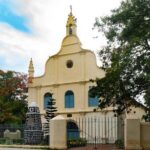
The tour kicks off in the sphere of Portuguese-era influence, and St. Francis Church is the big anchor. It’s known as the oldest church in India, built in 1503, and it’s one of those places where the architecture and the stories pull in the same direction.
What I like about starting here is the way it sets up the next stops. You’re not just looking at a church; you’re learning why Europeans, local rulers, and the sea route played together—and how that shows up on stone and wood. The standout story connected to this site is that Vasco da Gama was initially buried here, before his remains were later taken to Lisbon. Hearing that detail while standing in the place makes the European Age of Navigation feel less abstract.
Practical note: church interiors can have rules about photography. If your guide prompts you to wait or asks you to confirm permission, follow that. It saves time and avoids awkwardness mid-shot.
Santa Cruz Cathedral Basilica: Murals and Paintings From the 1500s
Next up is the Santa Cruz Cathedral Basilica, also built in the 1500s. This stop is a strong fit if you like art and symbolism, because the highlight isn’t just the exterior—it’s what’s inside.
The cathedral is described as having beautiful paintings and murals, which means you’ll spend a bit more time looking up, reading details, and letting the guide point out what to notice. If you’ve been to churches that feel like they’re just for show, this one works differently. The art gives you another layer for understanding how European styles merged with local culture.
If photography isn’t allowed inside, you won’t feel like you missed out—because the guide’s explanations help you remember what you saw. It’s also a good reminder that many historic interiors are protected. Ask before shooting, and you’ll keep the visit respectful and easy.
Chinese Fishing Nets: The Beach View That Explains Itself
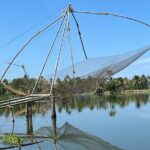
Then comes the stop most people are eager for: the Chinese Fishing Nets. These traditional nets are set up along the beach, and you’ll get the chance to marvel at the mechanism and how the system works.
What I love here is how straightforward it feels compared to some museum-style explanations. You can watch the nets in a real coastal setting, and the guide can link what you’re seeing to the broader story: the method was introduced by Chinese explorers. That’s a big cultural detail, but it lands best when you’re actually standing in front of the system.
This is also a good moment for questions. Want to know how the fishing cycles work? Ask. Want to understand why this technique shows up in Kochi? Ask. A private guide helps you keep the conversation moving in the direction that interests you, instead of waiting for a scripted group rhythm.
Bring your camera, but remember: if your guide suggests restrictions or wants you to step back for safety or flow, follow their lead.
You can also read our reviews of more private tours in Kochi




Matancherry Palace: Portuguese Links and Hindu Epic Murals
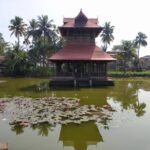
After the beachfront segment, you’ll take a brief tuk-tuk ride to Matancherry, then continue toward Jew Town. Matancherry Palace is one of the best “stop-and-look” moments on the route.
Here’s the connection that makes it worth your time: the Matancherry Palace was reportedly gifted to the King of Kochi by the Portuguese, and it’s home to murals from Hindu epics. That combination—Portuguese patronage on one side, Hindu epic scenes on the other—gives you a real-world view of how cultures overlapped along trade routes.
I like this stop because it stops being a history lesson and becomes a visual one. You’ll see the murals, then you’ll start noticing the layers in the neighborhood around you—how the European presence didn’t erase local storytelling, it stacked with it.
One timing note you should keep in mind: the Dutch Palace is mentioned as being closed on Fridays, Saturdays, and Jewish holidays. If you’re aiming for the full Matancherry-and-adjacent experience, build in flexibility. Your guide will adjust what you can see based on what’s open that day.
Jew Town’s Synagogue and the Pardesi Story
Jew Town is where Fort Kochi shifts from churches and palaces to community life—old streets, shopfronts, and a different set of historical anchors. The highlight here is the Pardesi Synagogue, described as one of the oldest active Jewish places of worship in the world.
This isn’t a quick photo stop. You’ll spend time exploring the ornate interiors, which is where the guide’s role matters. Without context, places of worship can feel like “pretty buildings.” With context, you start noticing what the details are communicating—community identity, endurance, and the way diaspora history took root here.
The tour data also flags that the Pardesi Synagogue is closed on Fridays, Saturdays, and Jewish holidays. If your dates land on those days, you’ll want to check how the tour handles alternatives so you don’t show up hoping for interior access that won’t be available.
Even if you can’t get inside, the surrounding Jew Town streets are part of the experience because they lead naturally into browsing and street-level understanding.
Jew Town Shops: Antique and Spice Browsing With a Purpose
After the synagogue, you’ll have time to walk through Jew Town’s antique and spice shops. This is one of those segments that can either feel optional or feel meaningful depending on how you approach it.
I like treating the shops like a cultural map. Look at packaging, sample the idea of spice trading, and pay attention to how products are displayed. You’re not there to buy a suitcase of souvenirs on a schedule; you’re there to see how commerce connects to the neighborhood’s history.
Also, since souvenirs and food aren’t included, this is a good place to decide what you want to spend money on. If you’re budget-minded, focus on one or two items that feel specific to what you saw. If you’re a collector, you’ll likely enjoy the antique browsing more than the average traveler.
What $30 Covers: Value in a Tight 3-Hour Window
At $30 per person for about 3 hours, the main question is whether the tour saves you time and confusion. In Fort Kochi, it often does.
You’re paying for:
- an English-speaking guide who helps you connect the stories between sites
- tuk-tuk rides within landmark areas so you don’t lose half your time getting around
- entrance fees (so you avoid surprise ticket costs at major stops)
That entrance-fee inclusion matters more than it sounds. Historic sites add up fast when you’re counting on buying tickets individually while also trying to keep the route logical. Here, the tour handles the pacing and the sequence, so you get a concentrated day without turning the afternoon into logistics homework.
Private tour pricing isn’t always the best deal if you only want a quick walk and photos. But if you want explanations while you see St. Francis Church, Santa Cruz Cathedral Basilica, the Chinese Fishing Nets, Matancherry Palace, and Pardesi Synagogue, then $30 can feel like a fair trade for the guidance time.
Smart Packing and Respectful Visiting Tips
This tour is simple, but it has a few rules that will make your afternoon smoother.
Bring:
- comfortable shoes
- water
Dress for places of worship:
- you’re requested to cover shoulders and knees
Photography:
- photography may not be permitted inside some monuments or churches, so ask your guide first
And one more practical tip: keep some mental flexibility. The synagogue and Dutch Palace have closure days, so if your heart is set on interior access, plan to be adaptable with your expectations.
Should You Book This Fort Kochi Private Walking Tour?
Book it if you want a structured, story-led walk through Fort Kochi’s key landmarks without spending your time figuring out what connects to what. It’s especially good if you care about how Portuguese, Dutch, and local influences overlap, and if you want your guide to steer the tour toward what you’re most curious about—like the way Babu was praised for matching attention to guests’ interests.
Skip it if you have limited mobility or if you’re a cruise passenger, because the tour isn’t provided for cruise ship guests and it’s not recommended for people who can’t handle the walking involved.
If you want an easy win in a short amount of time, this private route is one of the most sensible ways to experience Fort Kochi beyond the obvious waterfront.
FAQ
How long is the Fort Kochi private walking tour?
The tour runs for 3 hours.
Is this tour private or shared?
It’s a private group tour.
What’s included in the price?
Included items are an English-speaking guide, tuk-tuk rides within landmark areas, and entrance fees.
Do I need to pay for hotel pickup and drop-off?
Hotel pickup and drop-off from Kochi and Ernakulam are available if you select that option. The exact pick-up time is confirmed after booking based on your location.
Where do I meet the guide?
You meet at Carnival Tours & Travels, Princess Street, near Shop N Save and opposite Block Prints. Arrive at least 5 minutes early.
What should I wear or bring for the tour?
Wear clothes that cover your shoulders and knees since the tour visits places of worship. Bring comfortable shoes and water.
Are there days when the synagogue or Dutch Palace won’t be accessible?
Yes. The Jewish Synagogue and Dutch Palace are closed on Fridays, Saturdays, and Jewish holidays.
Is the tour suitable for cruise ship passengers?
No. This tour isn’t provided for cruise ship passengers.