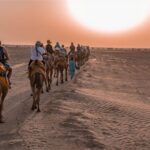
A camel trek in the Thar Desert is one of those rare plans that feels both simple and special. This non-touristic overnight safari runs in a small group with expert guides, fresh food made from scratch, and time in the dunes for sunset and an open-sky night. It’s also built for convenience, with an organized meet-up in Jaisalmer (or hotel pickup if you arrange it) and a clear rhythm from first camel ride to next-morning return.
I especially like the way the meals are handled for you—lunch, dinner, and two breakfasts that are prepared fresh, so you’re not hunting for food after a long day in the desert. I also like the comfort details: you get bedding under the starry sky, plus blankets and pillows for sleeping outside.
One thing to consider up front: this trip is remote and practical. There are no man-made facilities like tents or washrooms, and toilet use is behind the bushes—so you’ll want to plan for that desert-style reality early.
In This Review
- Key things to know before you go
- From Jaisalmer meeting point to the Thar Desert: the 6:30 am start
- Camel riding in remote dunes: why the “non-touristic” feel matters
- Day 1: getting into the desert rhythm and settling for the night
- Meals made fresh: the real comfort advantage on camel treks
- Sleeping under the stars: what bedding is like, and what to expect
- Day 2: sunrise camel ride, then Serene Oasis and Khaba Fort
- Price and value: is $44.64 worth it?
- What to pack for the Thar at this schedule
- Who should book this overnight camel safari
- Should you book it or skip it?
- FAQ
- How long is the overnight camel safari?
- Where do I meet the tour?
- How many people are in the group?
- What meals are included?
- How long is the camel riding?
- Is there a washroom or tent camp on the safari?
- What’s the cancellation timeline?
Key things to know before you go
- Small-group desert time (max 8 listed) with expert guides keeping the pace manageable
- Fresh-from-scratch vegetarian meals included, with non-veg available for an added charge
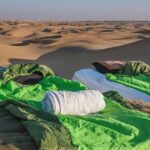
- Open-air sleeping with blankets and pillows under the night sky
- No washroom setup on the safari; expect toilet use behind bushes
- Sunrise + camel riding followed by stops at Serene Oasis and Khaba Fort
From Jaisalmer meeting point to the Thar Desert: the 6:30 am start
This is an early start, with the activity beginning at 6:30 am. If you’re staying in central Jaisalmer, that can actually help: you get the camel trek before the heat really climbs, and your first dunes time feels more open and crisp. The tour ends back at the same meeting point the next day, around 11:30 am, so you’re not signing up for a multi-day ordeal.
The meeting point is listed at Gopa Chowk, Dhibba Para, Amar Sagar Pol, Jaisalmer, Rajasthan 345001. You can also arrange pickup from your hotel, which is a nice option if you don’t want to navigate desert-safari logistics at dawn. Either way, the biggest value here is that departures and drop-offs are run in a straightforward, punctual way, which matters on trips where you’re heading out on a tight schedule.
There’s one more practical item to remember: passport ID is required. It’s not glamorous, but it’s one of those small requirements that can derail your day if you forget it.
A few more Jaisalmer tours and experiences worth a look
Camel riding in remote dunes: why the “non-touristic” feel matters
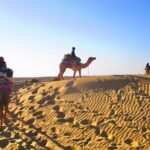
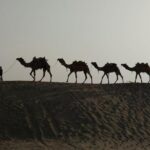
The Thar Desert can feel like a theme park in some places—same photos, same crowds, same feel. What I like about this safari is the focus on remote and isolated areas with clean sand dunes and quiet surroundings. You’re guided into a calmer pocket of desert, which makes the scenery feel more like you found it rather than got scheduled into it.
The tour also keeps group size down. The overview mentions a maximum of eight people, which is a sweet spot for desert comfort: you don’t feel like you’re on a bus, and the guides can manage camels without turning the experience into a chain of waiting. The operator info also shows maximum caps of 14 travelers and 20 travelers in different places, so if you’re picky about crowd levels, I’d confirm the exact group size you’re booked into. Still, the overall positioning is small-group.
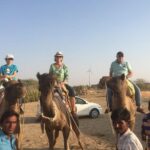
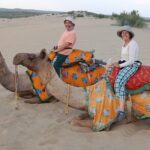
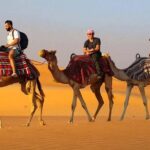
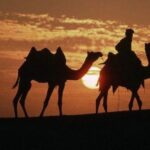
Expect several hours of camel riding over the course of the plan. The next-morning segment specifically mentions about one and a half hours of riding after sunrise. If you’re hoping for a long, steady camel session, this fits. If you’re nervous about riding, know that the plan is structured around rest points like meals and a sunset stop, not an all-day, no-break ordeal.
Day 1: getting into the desert rhythm and settling for the night
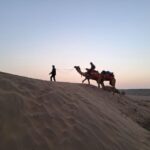
Day 1 is about the move out and the early magic of seeing dunes change shape as you get deeper. The route is described as heading into tranquil, isolated desert areas with varied wildlife and sand dunes. You’re not just sitting around waiting for sunset—you’re actively building desert time from the moment you leave Jaisalmer.
As you ride, you’re looking at that classic Thar effect: dunes don’t look like one big pile. They ripple, shift, and create small lanes of shadow that make the desert feel layered even when you’re far from anything man-made. When the day is managed well, you stop noticing the practical stuff—because the rhythm becomes: ride, look, breathe, repeat.
This is also where the “non-touristic” part shows up in how the evening plan feels. Instead of a show in a crowded camp, you’re aiming for a quieter sleep under the sky.
Meals made fresh: the real comfort advantage on camel treks
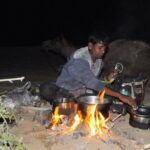
On desert nights, the difference between a good trip and a frustrating one often comes down to food. This safari includes lunch, dinner, and breakfast twice. That’s not just convenient. It protects your energy. When you’re walking around with the sun beating down earlier and sitting on a camel later, you want real meals that don’t depend on finding a shop.
The meals are listed as standard vegetarian. If you want non-veg, it’s available for an added charge. If you have food allergies, you’re asked to inform the operator at booking time. That matters because desert trips move on a schedule, and you don’t want to be improvising your diet while everyone else eats.
Alcohol isn’t included, but alcoholic drinks can be purchased. If you’re trying to keep this simple and budget-friendly, plan to skip it or treat it as optional.
What I like most is the way it’s described as freshly cooked from scratch. That typically means you’re not dealing with stale boxed food or instant meals that taste like, well, instant meals. You may still end up tired, but at least you’ll be fed.
Sleeping under the stars: what bedding is like, and what to expect
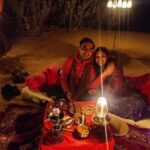
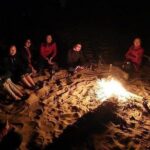
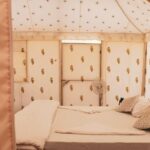
The most memorable part of many Thar safaris is the night. Here, you sleep outdoors with beds, blankets, and pillows, under a sky that has room to show its full range of stars. This is the part you should be ready to actually enjoy. Put your phone away. Let your eyes adjust. Desert nights can be surprisingly quiet.
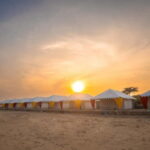
Now for the part you must not ignore: there are no man-made facilities like tents or washrooms. Toilet use is behind the bushes. That doesn’t mean it’s unsafe or chaotic—it just means you’re in the desert, so treat it like camping conditions, not hotel conditions. If you’re the type who needs a private bathroom experience, this is the biggest potential mismatch.
The safari also runs through the night in a way that keeps you from spending time on logistics. Guides take care of the camels, meals, and bedding setup, which leaves you free to focus on the dunes and the sky instead of running around.

Day 2: sunrise camel ride, then Serene Oasis and Khaba Fort
Day 2 starts with sunrise. After you wake up, you’ll eat breakfast after sunrise, then head out on a camel ride for about one and a half hours. In desert time, that early window is where the experience feels most photogenic and most comfortable. Light catches dune edges and turns sand into a warm gradient. It also helps you avoid the day’s hotter stretch.
After the ride, you return toward Jaisalmer with two stops:
- Serene Oasis
- Khaba Fort
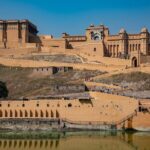
Even with minimal details here, the value of these stops is clear: they break up the return journey and give you a couple of points of interest beyond just dunes. An oasis stop adds contrast—water and greenery changes the entire mood. A fort stop, like Khaba Fort, helps you connect the desert scenery with the human story of the region.
The tour ends back at the meeting point by 11:30 am, which is pretty efficient if you want to continue exploring Jaisalmer the same day.
Price and value: is $44.64 worth it?
At $44.64 per person, this safari sits in a budget-friendly range for an overnight camel experience that includes multiple meals and actual bedding. The best value isn’t only the camel time. It’s what’s bundled in: four meals (lunch, dinner, two breakfasts), plus sleeping setup and guided desert routing.
Also, because it’s organized as a small-group trek, you’re paying for fewer “dead moments.” The guides handle the setup and movement, which saves you time and stress. If you’ve ever done DIY desert plans, you already know that time spent coordinating camels, food, and sleeping gear often costs more than the ticket itself.
What could affect your final budget: non-veg meal add-ons (if you choose it) and alcohol (available to purchase). If you stick to the included vegetarian plan, you should be able to keep the spend predictable.
What to pack for the Thar at this schedule
This trip runs with a strong sun element, and the desert changes temperature. The operator recommends sunscreen, a hat, sunglasses, and long sleeves. That’s the right basic checklist for a camel trek.
I’d also think in layers. Even if the day is bright, mornings and nights in Rajasthan can feel cooler once you’re outside. You’ll be sleeping under blankets, so you should be okay, but having a light layer for early rides and late desert air can make you more comfortable.
Don’t forget: you need passport ID, and you’ll likely want to keep essentials handy on the ride since you’re on a tight schedule.
Who should book this overnight camel safari
This safari is a strong fit if you want:
- A short desert experience (one night, about a day and a half) without stretching into multiple days
- Small-group pacing so the day doesn’t feel rushed or crowded
- A plan where you’re taken care of: meals, bedding, and camel handling
- The classic desert payoff: sunset dunes, sunrise riding, and a starry-sky night
It’s less ideal if you need:
- Bathroom facilities with privacy and indoor plumbing
- A camp with modern amenities like washrooms or tents
It also works well for solo travelers if you contact the operator, since they mention trying to place you into a group.
Should you book it or skip it?
If you want a straightforward, budget-friendly Jaisalmer camel safari with real overnight desert time, I’d book it—especially if open-air sleeping and desert-style basics don’t scare you. The big wins are the fresh, included meals, the bedding and blankets setup, and the sense of order that shows up in how it runs on time. Add the sunrise camel ride and the return stops at Serene Oasis and Khaba Fort, and you get more than just a one-note dune experience.
If you’re uncomfortable with no washroom facilities and toilet use behind bushes, then choose a different style of safari where the camp is more built out. Otherwise, this one is a very reasonable way to do the Thar without turning it into a logistics project.
FAQ
How long is the overnight camel safari?
It runs for about 2 days. The start time is 6:30 am, and it ends back at the meeting point around 11:30 am the next day.
Where do I meet the tour?
The meeting point is Gopa Chowk, Dhibba Para, Amar Sagar Pol, Jaisalmer, Rajasthan 345001. The tour also notes you can arrange hotel pickup if you prefer.
How many people are in the group?
The overview describes a group of maximum eight people. Other operator info lists maximum caps of 14 and 20, so it’s worth confirming the exact group size for your booking.
What meals are included?
You get lunch, dinner, and breakfast (2). Meals are listed as standard vegetarian, and non-veg is available for an additional charge.
How long is the camel riding?
The plan includes multiple hours of camel riding. One section specifically mentions a camel ride of about one and a half hours after sunrise.
Is there a washroom or tent camp on the safari?
No. The tour information says there are no man-made facilities like tents or washrooms. Toilet use is behind the bushes.
What’s the cancellation timeline?
You can cancel up to 24 hours in advance for a full refund. If it’s canceled due to poor weather, you’ll be offered a different date or a full refund.