A Tamil dinner lesson beats a restaurant any day. In Chennai, you head into a traditional cook’s home, learn the key ingredients, then cook with her guidance and finish with a banana leaf lunch.
I like that the teaching is hands-on, step by step, so you do more than watch. One thing to consider: this class is vegetarian, so it won’t include meat or fish options.
In This Review
- Key highlights you’ll feel right away
- From Porur to a family kitchen: how the day starts
- The shopping run: why banana leaves matter
- A traditional cook explains the logic of South Indian flavors
- Cooking together: the part you’ll actually remember
- Your Tamil lunch spread: what’s on the banana leaf plate
- Why the home-kitchen setting is the value driver
- Price, timing, and what $124.80 buys you
- Who this tour fits best (and who might want to pass)
- Tips to get the most out of it
- Should you book the Chennai South Indian meal cooking class?
- FAQ
- FAQ
- How long is the South Indian cooking experience in Chennai?
- Do I get hotel pickup and drop-off?
- Is lunch included?
- Are drinks included with the tour?
- Is the meal vegetarian?
- Will I participate in cooking or just watch?
- Is this a private tour?
- Can I get a full refund if I cancel?
Key highlights you’ll feel right away
- Market shopping for real ingredients, including the banana leaf used for serving
- A full Tamil plate meal: rice, sambar, rasam, vegetables, vada, sweet, and pappad
- Guided participation, not a sit-and-smile demo
- A home kitchen setting, which makes the food feel lived-in and practical
- Hotel pickup and drop-off, so you spend less time organizing transit
- Private group experience, with group discounts available
From Porur to a family kitchen: how the day starts
Your day in Chennai begins with pickup from your hotel and a transfer to the cooking home. The tour is set up to be simple for you: guide included, transportation handled, and a clear flow from shopping to cooking to lunch. The whole experience runs about 4 hours, with the active cooking portion around 3 hours.
The first “stop” is tied to the Porur area (Porur Corporation Park). Think of it as your starting anchor before you move into the quieter, residential rhythm of a real kitchen. If you’ve only experienced South Indian food from restaurants, this opening step matters. You’re not just here for a meal; you’re here for the choices that create the meal.
A practical note: this is scheduled near public transportation, but since the tour includes hotel pickup and drop-off, you can treat it like a guided plan rather than a self-navigation project.
You can also read our reviews of more tours and experiences in Chennai.


The shopping run: why banana leaves matter
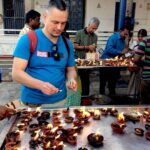
Before any stove work, you’ll go shopping for the ingredients used for your meal. This is one of the best parts, because it turns cooking into something you can understand later. When you see what’s bought locally and when it’s selected, the recipes stop feeling mysterious.
One ingredient plays a starring role: banana leaves. You’ll pick them up for the traditional serving setup. And here’s why that detail is more than theater: banana leaves are part of how the meal is served in many South Indian homes, and they change the way food is presented and eaten. It also makes the lunch feel like a proper sit-down plate meal, not a catered buffet.
If you’re picky about dietary restrictions, this is also your chance to flag what matters before anything is cooked. The tour asks you to let them know about any food allergies in advance.
A traditional cook explains the logic of South Indian flavors
Once you’re at the home, the lady of the house gives a quick introduction to South Indian cuisine—its specialties and the ingredients that drive the flavor. This matters because South Indian cooking isn’t just about spice. It’s about balance: lentils and tang, herbs and heat, crisp fried snacks against soft rice.
In a cooking class, a lot of explanations can stay theoretical. Here, the teaching is set up to connect directly to what you’re going to make. You’ll hear about what you’re tasting and why it tastes that way, then you’ll move straight into prep and cooking with guidance.
From the way the experience is described, the hosts focus on friendly, structured teaching. That kind of setup is great if you’re new to Indian cooking, or if you just want to learn the method without feeling rushed.
Cooking together: the part you’ll actually remember
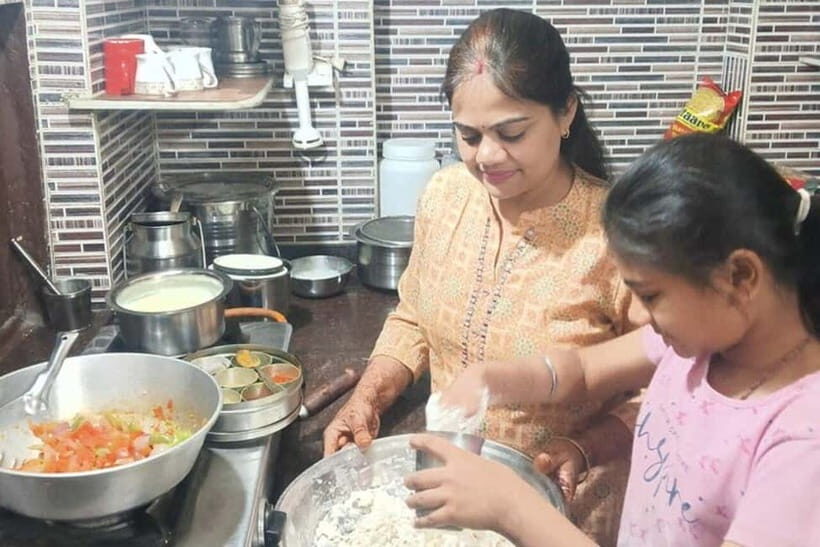
After the introduction and shopping, the day shifts into a cooking demonstration and then participation. You’re encouraged to take part as the cook guides you through each stage. That “you do it” approach is where this kind of class earns its price.
The menu is a full vegetarian South Indian plate meal, built to show you multiple textures and flavor types in one go. As the cook moves through the dishes, you’ll get the practical rhythm of how a Tamil meal comes together:
- rice for the base
- lentil stews and tangy bowls (sambar and rasam)
- vegetables as a separate supporting player
- vada for crunch and richness
- a sweet finish
- pappad for that final snap
Even if you don’t memorize every step perfectly, the lesson sticks because you’re working with the same ingredients that show up again and again across the meal. You learn the logic, not just the instructions.
One more small but important thing: the tour is described as organized and well planned. In a hands-on class, that affects everything. You want clear steps, patience, and a host who can slow down when someone’s questions matter. This tour’s style is built around that kind of teaching.
Your Tamil lunch spread: what’s on the banana leaf plate
Lunch is served as a cooked meal on banana leaves—classic, simple, and very satisfying. The menu includes rice, sambar, rasam, vegetables, vada, sweet, and pappad. You’ll be eating what you helped make (or at least what you watched closely enough to understand), which is a big difference from taking a food tour where you only taste and move on.
Here’s how the dishes function as a full set:
- Rice: the calming base that soaks up sauces and balances heat.
- Sambar: a hearty lentil-and-vegetable stew that gives the meal body.
- Rasam: a lighter, tangy, spicy bowl that brings brightness and finishes clean.
- Vegetables: usually cooked to stay flavorful without turning mushy, adding variety to each bite.
- Vada: a fried snack that gives crunch and comfort, often with a savory punch.
- Sweet: the gentle close that makes the whole plate feel complete.
- Pappad: crispy and quick, often sprinkled or served so it brings texture right at the end.
In other words, you’re not just learning one dish. You’re learning how a meal is assembled. That’s a skill you can use later when you cook at home.
Drinks aren’t included, so plan on having water separately if you want it during or after lunch. (You’ll still leave full, but you won’t get packaged drink extras as part of the ticket.)



Why the home-kitchen setting is the value driver
A cooking class can happen anywhere: a studio, a restaurant counter, a classroom. This one happens in a cook’s home. That changes the feel of the day in a good way. You’re seeing how someone actually prepares these foods, not how a venue stages them for groups.
In practical terms, the home setup tends to make the instruction more personal. You get questions answered, and the teaching stays focused on technique rather than performance. The experience is also described as warm and welcoming, and that matters when you’re in someone’s kitchen and learning by doing.
There’s also something comforting about how local and specific the experience feels. You’re in Chennai, working with ingredients chosen for the day’s Tamil menu. That connection is what turns food from a memory into a skill you can repeat.
Price, timing, and what $124.80 buys you
The price is $124.80 per person for about 4 hours. What makes that number feel more reasonable is what’s included:
- hotel pickup and drop-off
- a guide
- lunch
- all taxes, fees, and handling charges
So you’re paying for transportation convenience, guided support, and a full meal that you learn how to cook. The only clear extra is drinks, since those aren’t included.
If you’re traveling as a small group, this also has an advantage: it’s a private activity, meaning only your group participates. There are also group discounts mentioned, which can help if you’ve got friends or family traveling together and want a shared experience without a crowd.
Timing-wise, four hours is long enough to actually cook and eat, but not so long that it eats your entire day. It’s the kind of activity that fits nicely when you want more than a quick taste and less than an all-day commitment.
Who this tour fits best (and who might want to pass)
This is a great fit if you:
- want to learn South Indian vegetarian cooking from a real home cook
- enjoy hands-on teaching and don’t mind getting involved
- want a meal plan you can recreate at home, dish by dish
- like the idea of starting with ingredient shopping and ending with a complete lunch
It might be less ideal if:
- you’re strictly looking for non-vegetarian dishes (the meal is vegetarian)
- you want only a tasting experience without cooking participation
One more note: the experience says most travelers can participate. That’s a reassuring signal if you’re nervous about cooking, because it implies there’s a guided method for beginners.
Tips to get the most out of it
You’ll learn more if you go in with a simple goal: understand the process. When you’re shopping, pay attention to what’s being selected and why. When you cook, focus on order—what comes first and what you do to get the texture right.
Also, if you have allergies, bring the details clearly when you confirm. The experience specifically asks you to let them know in advance, which is the responsible way to handle ingredients in a home kitchen.
Finally, since drinks are not included, you might want to plan your hydration around the class. Chennai days can be active, and you’ll be on your feet enough that water matters.
And yes, expect spice and aroma. That’s part of South Indian cooking. If you’re sensitive, tell the team what you can handle—especially if it’s an allergy rather than just preference.
Should you book the Chennai South Indian meal cooking class?
I think you should book this if you want a cooking lesson that feels personal, practical, and centered on a full Tamil meal—not just one dish. The combination of market ingredient shopping, banana leaf serving, guided participation, and a real lunch you helped make is exactly the kind of value that tends to stick with you long after the trip.
Skip it only if you’re set on non-vegetarian food or if a hands-on cooking experience sounds tiring rather than fun. For everyone else, this is a strong choice in Chennai because it shows you how a South Indian plate is built, why it tastes the way it does, and how to recreate the basics back home.
FAQ
FAQ
How long is the South Indian cooking experience in Chennai?
It’s about 4 hours (approx.), with the cooking activity running for around 3 hours.
Do I get hotel pickup and drop-off?
Yes. Hotel pickup and drop-off are included, along with a guide.
Is lunch included?
Yes. Lunch is included, and it’s vegetarian.
Are drinks included with the tour?
No. Drinks are not included.
Is the meal vegetarian?
Yes. The vegetarian plate meal includes rice, sambar, rasam, vegetables, vada, sweet, and pappad.
Will I participate in cooking or just watch?
You’ll be encouraged to participate in the cooking process, with guidance from the cook.
Is this a private tour?
Yes. It’s a private activity, and only your group will participate.
Can I get a full refund if I cancel?
You can cancel for a full refund up to 24 hours before the experience starts.