REVIEW · JAIPUR
Jaipur: Cooking Class with a Local Family
Book on GetYourGuide →Operated by Jaipur Pink city Cooking Class · Bookable on GetYourGuide
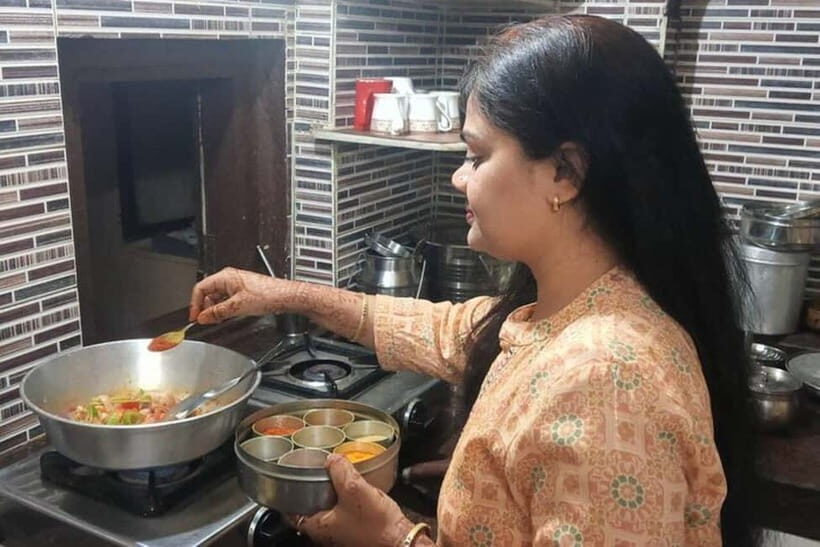
Your kitchen class starts with chai and laughter. In a real Jaipur home, you cook Rajasthan favorites with Swati and her family, not a restaurant script. I especially like the hands-on teaching and the way the session turns food into stories—spices, routines, and hospitality all in one place.
The possible drawback: it’s inside a home kitchen, so it can feel tight and busy when you’re rolling dough and stovetop pans are going. If you like lots of open space and quiet, plan for a more social, small-group vibe and go with the flow.
In This Review
- Key things that make this Jaipur class worth it
- Stepping Into a Jaipur Home in the Pink City
- The Welcome Tea: Your First Lesson in Flavor
- Spice Stories You Can Use in Your Next Kitchen
- Hands-On Chapatis: The Skill That Changes Everything
- Curries and Rice: Building a Meal You Can Repeat
- Rajasthan Staples: Dal Baati Churma and Ker Sangri
- Dessert: Gulab Jamun and the Sweet Finish
- Recipes You Can Actually Cook at Home
- Dietary Needs: Gluten-Free and Allergy-Friendly Handling
- What the Kitchen Flow Feels Like (So You Know What to Expect)
- Price and Value: Why $19 Can Make Sense Here
- Meeting Point and Getting There Without Headaches
- Who Should Book This Cooking Class
- Should You Book This Jaipur Cooking Class?
- FAQ
- How long is the cooking class in Jaipur?
- How big is the group?
- What will we cook and eat during the class?
- Can they accommodate allergies or gluten-free requests?
- What languages are used during the class?
- Is the activity wheelchair accessible?
- Is transportation to and from the class included?
- Are pets allowed?
- Can I cancel for a full refund, and is there flexible payment?
Key things that make this Jaipur class worth it
- A home-family welcome where you’re treated like someone visiting, not a ticket scan
- You can influence the menu, including requesting what you want to learn
- Spice explanations that connect to real cooking, not memorizing labels
- Hands-on chapatis and vegetable curries, plus a Rajasthan dessert at the table
- Allergy and gluten-free flexibility, with careful attention to safety details
- Recipes delivered digitally, so you can actually reproduce what you make
Stepping Into a Jaipur Home in the Pink City
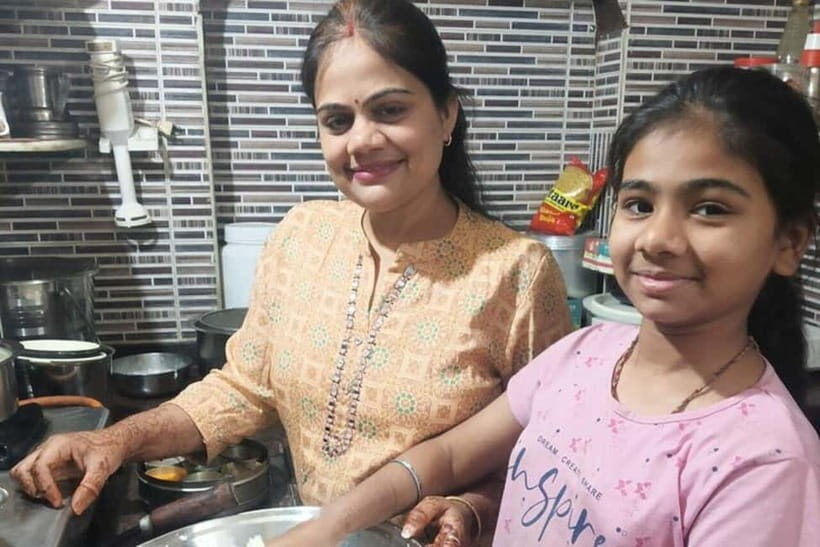
This experience is exactly what I hope for in Jaipur: a class where you can smell the food while it’s being made, hear the family chatter, and learn how real meals get built day to day. You’re in Rajasthan, so even before the cooking starts, the session has that feel of everyday comfort—people cooking because they cook, not because a show needs a performance.
Your host is Swati, and the rest of the family pitch in around the kitchen. That matters because you learn multiple angles: how someone else tastes for balance, how dough gets handled, and how spices are used when the kitchen is moving. Small group size (limited to 6) helps a lot here—questions don’t get lost.
The class language setup is also practical. You’ll have instruction in English and Hindi, and you can ask what you need without guessing.
You can also read our reviews of more cooking classes in Jaipur
The Welcome Tea: Your First Lesson in Flavor
The session starts with welcome drinks. In practice, that usually means masala chai at the very beginning, with the chance to adjust it to your taste. You’ll hear why different ingredients go into chai, and you’ll connect that to how sweetness, spice, and heat work together in Indian cooking.
Then the mood shifts from sipping to doing. This isn’t a lecture where you watch someone else. You’re learning what to look for—how a spice smells when it’s warmed, what “right” looks like when something thickens, and how the kitchen decides when a dish is ready.
A small safety detail also shows up in how they cook. One guest noted that mineral water was used for cooking, which is the kind of careful choice that makes the whole experience feel calmer and more comfortable.
Spice Stories You Can Use in Your Next Kitchen
One of the best parts is the intro to Indian spices and ingredients. You’re not just handed a list. You get the purpose behind ingredients—the reason a spice goes in early versus late, and what each spice is expected to do for flavor and aroma.
That’s where the class earns its keep for people who don’t cook much. Restaurant Indian food can feel like a black box: big flavor, mystery method. Here, you see the logic. You learn which spices are for warmth, which are for depth, and how the base flavors get built before heat and seasoning take over.
If you care about authenticity, this is also where you get grounded. Rajasthan cuisine leans on hearty, satisfying meals—lentils, wheat, slow-cooked vegetables, and ghee-forward comfort. The spice lesson gives you the tools to recreate that feeling instead of just copying a recipe.
Hands-On Chapatis: The Skill That Changes Everything
You’ll work on chapatis directly, and the training style is geared toward letting you do the work. Chapati-making teaches you the basics of Indian cooking in miniature: dough texture, rolling, heat control, and timing. Even if you end up making a different flatbread at home, this technique transfers.
What I like is that the class doesn’t treat chapati as a side task. It’s hands-on practice, and the kitchen feedback helps you adjust quickly. The same goes for parathas in some sessions—one guest described making parathas and lachha paratha—so you may get extra flatbread variation depending on what your group wants to learn.
And yes, you’ll likely get a chance to cook with fresh ingredients. One review specifically mentioned ingredients sourced from the local market, and another noted homemade paneer and ghee. That’s not a small detail. When you’re cooking with fresher dairy, it changes how a sauce tastes and how spices sit on top.
Curries and Rice: Building a Meal You Can Repeat
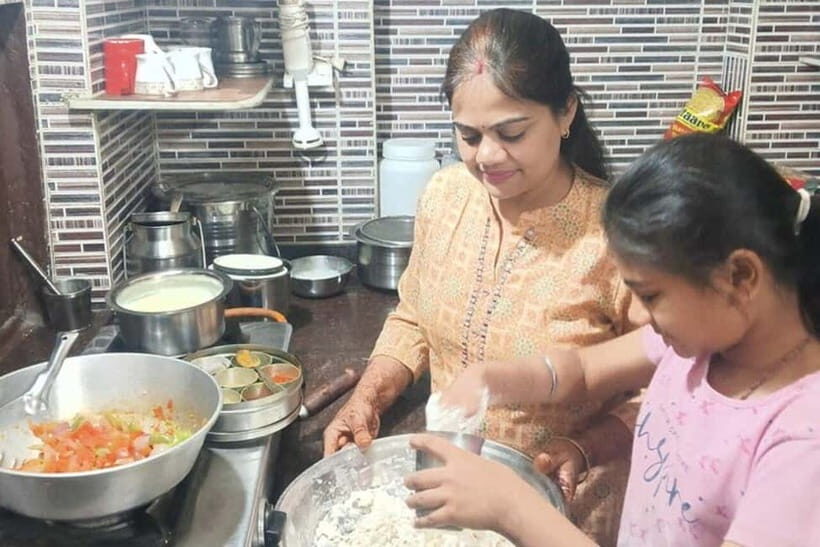
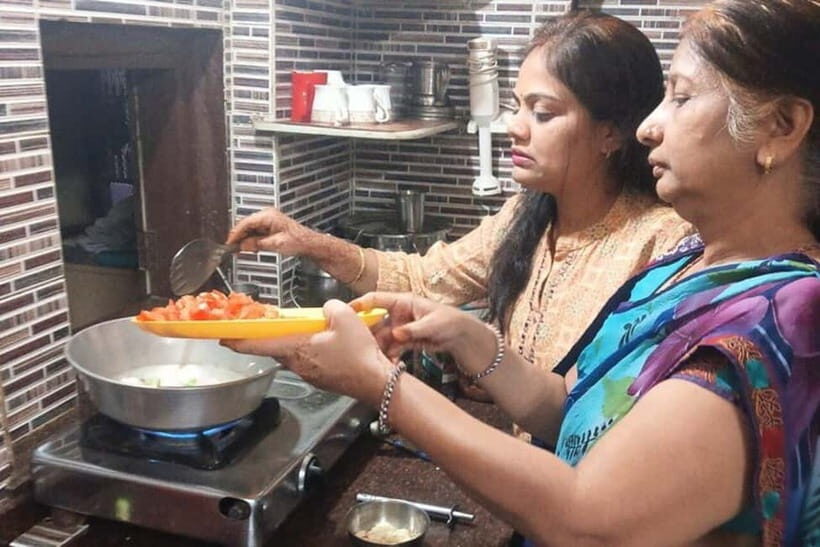
After the flatbread work, you’ll move into vegetable curries. You’re not just making one dish and calling it a day. You get practice with how curries begin, how they’re seasoned, and how they’re finished.
You may cook things like aloo ghobi (potato and cauliflower), palak paneer (spinach with paneer), or dal-style dishes. Some sessions included dishes such as dal tadka and cumin rice, and there’s room for variety based on what you want. That flexibility is a big deal if you’re trying to learn the specific dishes you already love.
The best practical takeaway is how these dishes balance. Indian cooking often has layers—warm spices first, then aromatics and seasonings, then a final taste adjustment. When you learn that sequence, it becomes easier to cook your own version at home instead of relying on takeout-level shortcut spices.
A few more Jaipur tours and experiences worth a look





Rajasthan Staples: Dal Baati Churma and Ker Sangri
The class is built around Rajasthan favorites, including dishes like dal baati churma and ker sangri. Those names are a clue about the flavor direction: hearty, spice-forward, and built for real appetite.
Here’s why that matters for you. Dal baati churma is the kind of meal that teaches a whole system—how grain and lentils work together, and how ghee and sweetness can round things out. Ker sangri, a desert-grown-style ingredient, helps explain how Rajasthan cooking isn’t only about the big-city pantry—it’s about local ingredients shaped by climate.
Even if your exact plate varies by the group’s choices, you’ll get the “why” behind the cooking approach. That’s what makes the experience feel more like learning a craft than filling your stomach.
Dessert: Gulab Jamun and the Sweet Finish
You’ll also make or enjoy an Indian dessert as part of the class. One guest specifically mentioned gulab jamun, and that’s a classic fit for the end of a meal because it pairs sweetness with warm spice notes.
Dessert may sound like an afterthought, but in Indian home cooking it’s often part of the flavor logic of the whole meal. Here, you’ll see how sweetness lands after spice and salt. When you taste it after learning how the earlier dishes get balanced, it clicks in a new way.
Recipes You Can Actually Cook at Home
You don’t just leave with a satisfied belly. You get e-recipes of all cooked dishes, and several guests noted they were sent recipes through WhatsApp after the class. That’s huge if you want to recreate the meal without trying to remember every spoonful.
What helps most is that the recipes come with the method context you picked up during cooking. If you learned how they adjusted seasoning, you’ll be able to adapt the written steps when your pantry is different.
Dietary Needs: Gluten-Free and Allergy-Friendly Handling
This is one of the most praised parts of the experience. One guest described a 100% gluten-free menu, and multiple reviews highlight that allergies and intolerances can be accommodated. The teaching doesn’t ignore restrictions—it builds around them.
If you’re gluten-free or need to avoid specific ingredients, this is the rare class where you can ask questions openly and not feel like a burden. One review also mentioned extra care around food hygiene and safety, including using mineral water for cooking.
Bring your needs clearly. If you have an allergy, tell the host what to avoid before you arrive. You’ll get the best results when they can plan the menu around your limits.
What the Kitchen Flow Feels Like (So You Know What to Expect)
A typical pacing goes like this: welcome drink, meet the family and settle in, spice and ingredient talk, then you start cooking. You’ll likely alternate between preparing components and cooking while the instructors explain what’s happening and why.
Because it’s a small group, you can take an active role in rolling, stirring, and tasting. If you’d rather watch more than cook, some guests did exactly that and still felt fully included. The tone stays friendly and practical.
This kind of class is also social. A few reviews mentioned chatting with family members, seeing family photos, and even getting henna done by the daughters if you wanted. Those details aren’t guaranteed, but they show the hospitality style: you’re part of the household conversation for a few hours.
Price and Value: Why $19 Can Make Sense Here
At $19 per person for about 3 hours, the value is real—mostly because you’re paying for instruction and hands-on cooking, not just a meal. In many places, you’d pay far more for a restaurant experience that doesn’t teach you the method.
The real bargain is the combination: small group size (up to 6), a local family setting, and e-recipes after the class. You also get a welcome drink and an Indian dessert included. If you’re in Jaipur for a short stay, this is a strong “learn and eat” use of time.
It’s also a good fit if you’re already into Indian food and want to understand it beyond ordering. If your travel style is food-first but not tourist-busy, this class hits the sweet spot.
Meeting Point and Getting There Without Headaches
Your meeting point is listed as 3664, motisingh bhomiyon ka rasta, fourth crossing, johari bazar, Jaipur 302003. Johari Bazar is a helpful reference point, but the exact lane turns can still be confusing if you’re on foot.
A practical tip from the way the host communicated in reviews: expect clear instructions on how to arrive, often by text/WhatsApp on the day. If you need it, ask for guidance and use your phone’s map like a pro.
Transportation to and from the activity isn’t included, so plan for your own rickshaw/taxi or a comfortable walk depending on where you’re staying.
Who Should Book This Cooking Class
I think this class is ideal if you want:
- A hands-on Indian cooking lesson in a real home kitchen
- A chance to cook Rajasthan-style flavors and learn spice logic
- Real attention to dietary needs (gluten-free and allergy-friendly options are highlighted)
- A small, personal group where you can ask questions in English or Hindi
If you hate close quarters, loud kitchens, or you want a strictly structured classroom vibe, you might find it a bit too family-style. But if you like people, food, and getting your hands involved, you’ll probably leave happy and motivated.
Should You Book This Jaipur Cooking Class?
Yes, if you want more than a food show. This is one of those rare experiences where the price feels fair because you get actual cooking time, ingredient explanations, and recipes you can use later. Swati and her family’s hospitality shows up in the details: flexible menu choices, allergy care, and a pace that keeps you involved.
Book it if you’re in Jaipur and you want your food memories to come with methods, not just photos.
FAQ
How long is the cooking class in Jaipur?
The class lasts about 3 hours.
How big is the group?
It’s a small group, limited to 6 participants.
What will we cook and eat during the class?
You’ll have hands-on practice making chapatis and vegetable curries, plus you’ll get a welcome drink and an Indian dessert. The menu can include Rajasthan favorites like dal baati churma and ker sangri, and you may cook additional dishes depending on the group and what you choose.
Can they accommodate allergies or gluten-free requests?
Based on guest experiences, the host can accommodate allergies and intolerances, and there was an example of a 100% gluten-free menu.
What languages are used during the class?
Instruction is available in English and Hindi.
Is the activity wheelchair accessible?
Yes, the activity is wheelchair accessible.
Is transportation to and from the class included?
No. Transportation to/from the activity is not included.
Are pets allowed?
No, pets are not allowed.
Can I cancel for a full refund, and is there flexible payment?
You can cancel up to 24 hours in advance for a full refund. You can also reserve now and pay later.