REVIEW · DHARAMSALA
Indrahar Pass Trek with Manu Adventures India
Book on Viator →Operated by Manu Adventures India · Bookable on Viator
Indrahar Pass feels like a weather test. This easy-to-moderate trek from McLeod Ganj up toward Triund mixes valley views with a serious ridge-and-rock finish to Indrahar Pass (4,342 m). You start in Dharamsala’s hill-town world and end with that high Himalaya feeling, where the route details matter more than the hype.
I love that Manu Adventures India handles the hard parts of logistics for you: breakfast, lunch, dinner, snacks, plus tents are included. I also like that the guides can make small route calls when conditions shift, like Anil adjusting plans due to weather. The one drawback to take seriously is that pass treks can turn icy and slippery, so you should confirm what snow/ice gear (if any) is provided and whether the trail is truly suited to your dates.
In This Review
- Key things you’ll appreciate on this trek
- Indrahar Pass near Dharamsala: why this route is worth the effort
- Starting in McLeod Ganj at 9:00 am: your first taste of altitude country
- Day 1: McLeod Ganj to Triund via Dhramkot and Galu Devi
- Day 2: Triund to Lahesh Cave through Laka and a boulder meadow
- Day 3: From Lahesh Cave to Indrahar Pass—rock steps, ridge logic, and Mon’s wall
- What to watch for in pass conditions
- Day 4: The return—when legs get tired, but the planning pays off
- Camps, tents, and meals: what’s included and why it matters
- Guides and route changes: the human side of trekking
- Price and value: how $108.15 fits the real costs of a 4-day trek
- Who this trek suits best (and who should think twice)
- Weather, safety, and the big question: will conditions allow the pass?
- FAQ
- FAQ
- Where does the Indrahar Pass trek start?
- What time does the trek begin?
- How long is the trek?
- Does the trek end back at the meeting point?
- What level is the trek?
- Is private transportation included?
- How many people are in a group?
- What is included in the price?
- Final call: should you book Indrahar Pass with Manu Adventures India?
Key things you’ll appreciate on this trek
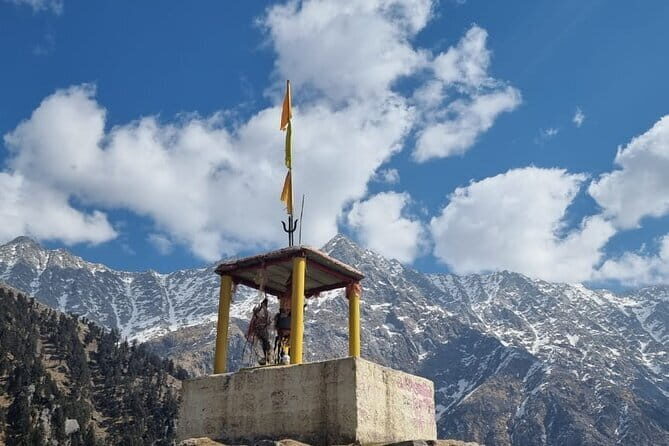
- A small-group cap (max 21 travelers) keeps the pace human and the attention closer.
- All your main meals and tent camping are included, so you’re not budgeting every day on the trail.
- Triund (2,875 m) first, then Lahesh Cave via Laka, gives you a gradual ramp into higher altitude terrain.
- Rocky ridge walking on the NE face toward Indrahar Pass is the real challenge and the real payoff.
- Local guide expertise shows up in route flexibility when weather changes.
Indrahar Pass near Dharamsala: why this route is worth the effort
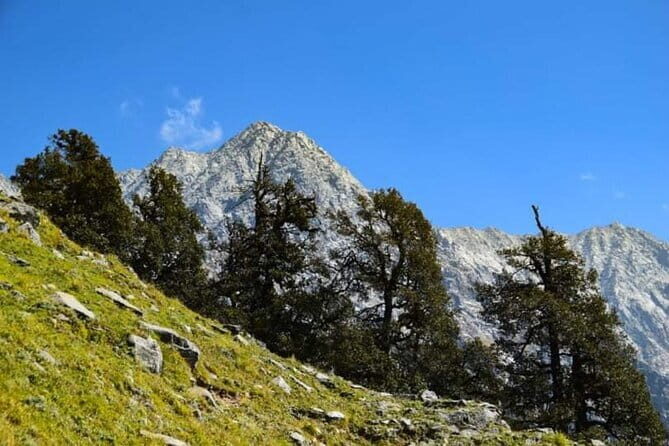
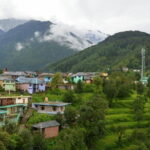
Indrahar Pass sits in the Dhauladhar range above Dharamsala, close to Kangra–Chamba district lines. On paper, it looks like a “pass hike.” In real life, it’s a mountain route where footing, weather, and timing decide how enjoyable the day feels.
This trek is marketed as easy to moderate, but don’t file it under casual sightseeing. The experience includes exposed sections and several ascents after Lahesh Cave, and the final approach involves walking over rocks along a ridge line. If you’ve got strong legs and you can keep a steady pace, you’ll likely find it exciting instead of exhausting.
You’ll also get that classic Dharamsala rhythm: start with calm hill-town energy, then trade paths and villages for meadow boulders, cave country, and pass terrain. That change is part of why this trek works well for people who want something more than a one-day trail but don’t want an expedition-style marathon.
You can also read our reviews of more hiking tours in Dharamsala

Starting in McLeod Ganj at 9:00 am: your first taste of altitude country
You meet at Manu Adventures India in Bhagsu Nag, Dharamshala, with a 9:00 am start. The activity ends back at the same meeting point, so you’re not juggling extra transfers at the end of a tired trekking day.
One practical note: private transportation is not included. Since the meeting point is described as near public transportation, you’ll likely handle your own ride or local transfer into Bhagsu Nag. Plan to arrive early enough to settle, check your gear, and avoid a rushed start.
Starting at 9:00 is also useful. You get daylight working for you, and you’re less dependent on late-day weather. On Himalayan routes, that matters more than it sounds.
Day 1: McLeod Ganj to Triund via Dhramkot and Galu Devi
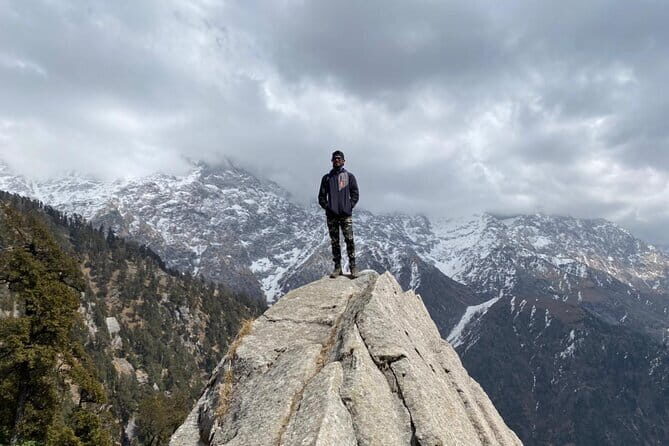
The trek begins from McLeod Ganj and heads toward Triund (2,875 m). Along the way, you’ll pass through Dhramkot village and by Galu Devi, then arrive at Triund with big views opening up.
What I think makes this first stage so valuable is the pacing. You start in a busy spiritual tourism zone, then move into trail-only quiet without a sudden jump to the hardest ground. It’s the kind of progression that helps you settle into a rhythm before the ridge walking gets serious.
You’ll also be climbing into one of the best rewards of Dharamsala trekking: the Kangra Valley and Dharamsala town below. Those views are not just pretty; they’re helpful. If weather shifts, you can still judge where you are in the landscape and how the day is changing. That’s a real advantage on routes near exposed passes.
The only “drawback” here is what comes with any early ascent: your legs may feel fine at first, then you’ll notice the uphill more in the last stretch. Bring a steady pace plan—don’t burn matches early.
Day 2: Triund to Lahesh Cave through Laka and a boulder meadow
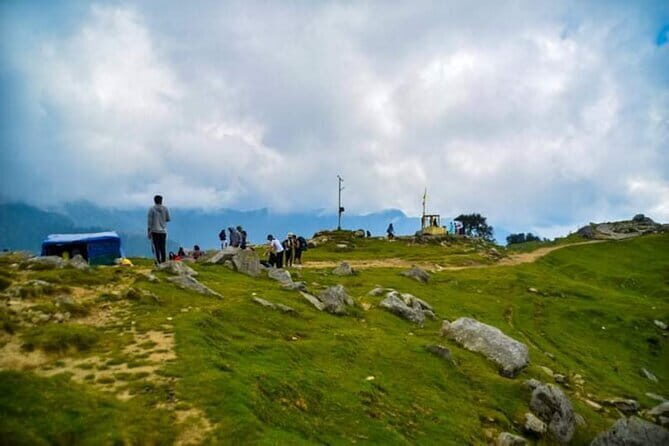
From Triund, the trail continues toward Lahesh Cave via Laka. You’ll pass through a meadow scattered with boulders, which is one of those trail features that sounds harmless until you’re stepping around rocks for hours.
This day is where the route starts to feel more “trekking” and less “walk.” Boulder meadows can slow your pace, especially if you’re stepping down and sideways a lot to avoid unstable rocks. My advice is simple: treat your feet like they’re the main tool. Trekking poles can help if you’re comfortable using them.
This is also the stage where the mountain starts “telegraphing” the higher goal. You’re not just heading toward a cave; you’re lining up for the pass day. Reviews connected to this area mention the Laka Glacier base camp zone as a stunning stop at the foot of the final ascent. Even if your exact focus is the full Indrahar climb, these in-between areas help you understand how the route works.
Lahesh Cave itself is a waypoint that signals you’re close to the more demanding terrain. You’ve gone from views and villages into a more rugged, focused hiking environment. It’s the calm-before-the-rocks feeling.
Day 3: From Lahesh Cave to Indrahar Pass—rock steps, ridge logic, and Mon’s wall
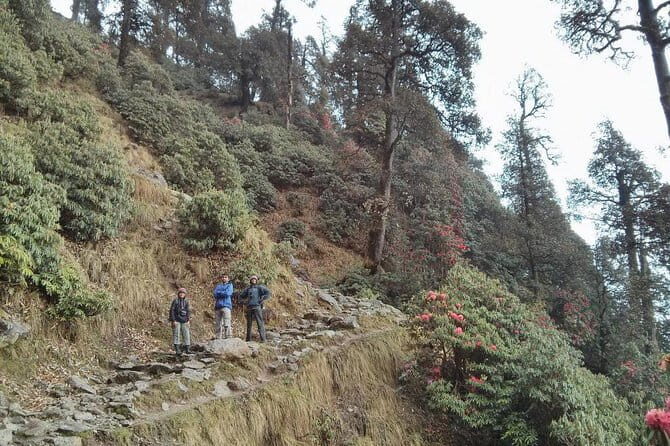
After Lahesh Cave, the journey for Indrahar Pass begins. This is the day you’ll remember, because it’s the day described with the most specific route behavior: you’ll walk over rocks straight on the north east face of the ridge, and you’ll keep a steep wall of Mon to your right.
That kind of direction detail matters. It’s not generic “follow the trail” advice. It’s telling you what the terrain is doing—where the steep side is, where you’re likely to feel exposure, and how the ridge line shapes your line of travel.
You’ll also crest and meet several ascents after that. That means you shouldn’t expect the pass day to be one long slog followed by a single final push. Instead, it’s a rhythm of climbing and adjusting your effort.
What to watch for in pass conditions
This is where I’d take the “possible drawback” seriously. Pass routes can swing quickly from walkable to slippery if there’s snow or ice. The trek provider notes that the experience requires good weather, and that cancellations due to poor weather can trigger a date change or a full refund. That’s the right attitude for safety.
Still, you should ask practical questions before you leave town:
- Is any snow/ice gear expected or provided?
- What happens if the route is icy when you arrive at the higher sections?
- How do you decide whether to continue to the pass that day?
A trek can be beautiful and still be dangerous if you’re under-equipped. If you’re unsure, ask early. You want the answer before you start climbing, not once the rocks start getting slick.
Day 4: The return—when legs get tired, but the planning pays off
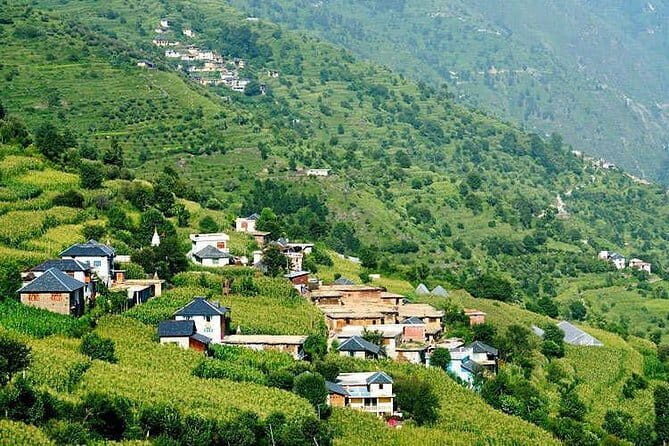
The tour ends back at the meeting point, so your last day is essentially the descent and return through the route you came up on. I won’t pretend a return day is easy. On ridge-and-rock terrain, your knees and ankles remember every step.
But there’s a payoff to having a structured plan for Day 1–3. You’re not figuring out logistics at altitude, and you’re not making navigation decisions while tired. When the guide handles route flow, you can focus on controlled steps, short rests, and steady breathing.
If you’re someone who hikes at a moderate pace, this is often when you appreciate the earlier days’ pacing: you’ve built endurance, and you’re not starting the hardest work on your last day.
Camps, tents, and meals: what’s included and why it matters
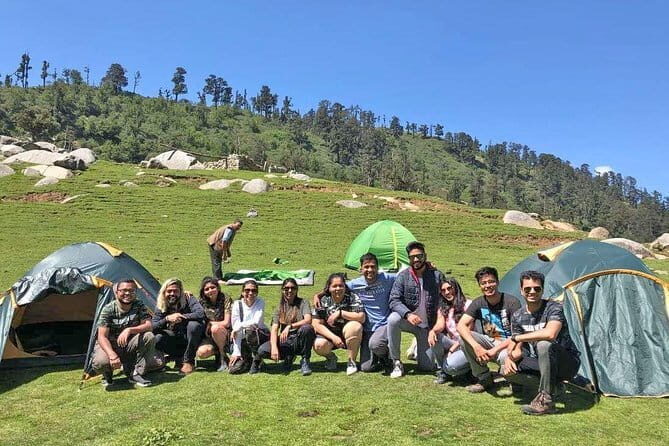
Manu Adventures India includes a lot of the stuff that makes treks either relaxing or annoying:
- Breakfast
- Lunch
- Dinner
- Snacks
- Coffee and/or Tea
- Tents
That isn’t just a “convenience” line. On a 4-day trek, meal planning and camp setup change your entire mood. You’re less likely to skip food because you’re hungry and rushed, and you can spend energy on walking rather than scavenging.
Reviews consistently describe the experience with words like comfortable and clean tents, plus good food. You’ll also likely see that the team runs like a unit—guides and support working together so you’re not stuck waiting around.
One small practical reality: included tents mean you’ll still need to sleep comfortably with the conditions in the mountains. Bring the right sleep layers. If you tend to get cold easily, don’t assume mountain nights will be mild.
Guides and route changes: the human side of trekking
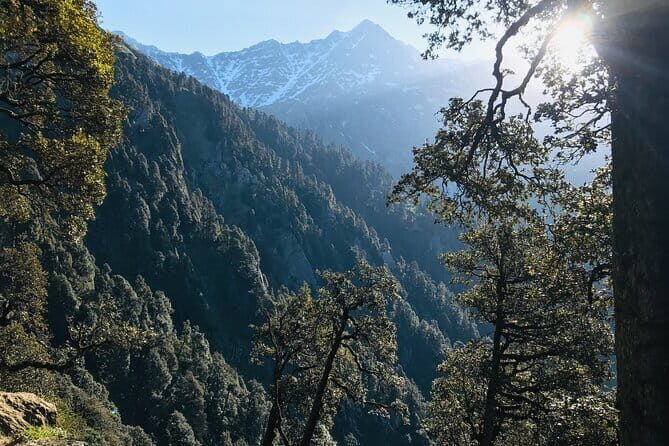
A pass trek is never only a map and an altitude number. It’s also weather, visibility, footing, and decision-making. In this trek’s case, one of the guide names that comes up is Anil, who adjusted the route slightly when weather conditions changed.
That’s exactly the kind of flexibility you want in a guide. A “perfect” plan on paper can become the wrong plan on a gray or icy day. The more the guide can read the mountain and update your route safely, the more you’ll enjoy the time you spend out there.
The trek is also capped at 21 travelers, and that size tends to support smoother group management. Smaller groups can mean less time waiting, fewer “lost hikers,” and a better chance of keeping the group moving at a workable pace.
Price and value: how $108.15 fits the real costs of a 4-day trek
At $108.15 per person for about 4 days, you’re paying for guided trekking plus camp infrastructure. The big “value math” here is that the price includes tents and all main meals plus snacks and tea/coffee.
Many trek costs sneak up on you through add-ons. Here, the food and tent pieces are included, which helps you avoid surprise spending during the hike. What’s not included is private transportation, so you’ll still pay to get yourself to the meeting point and back depending on where you’re staying in Dharamsala.
Also consider that the experience has mobile ticketing and confirmation at booking, which matters if you’re planning from another city and want less friction once you arrive. The trek is often booked about 34 days in advance on average, so if you’re traveling during a busier period, don’t procrastinate.
If you want a trek where your day-to-day needs are handled, this price can make sense. If you’re looking for a high-end private-cabin style trip, it’s not that kind of deal. It’s a real mountain trek with real mountain conditions.
Who this trek suits best (and who should think twice)
This trek says it’s one of the easier to moderate treks in Himachal Pradesh. It also says you should have a strong physical fitness level. So think of it as: doable with training, not doable with zero hiking base.
You’ll likely enjoy it most if you:
- Hike regularly or want a structured challenge with a guide
- Want a mix of scenic stops (Triund views) and a serious finish (rocky pass terrain)
- Prefer a plan that includes meals and tent camping instead of going fully independent
You should think twice if:
- You’re very uncomfortable on rocky ground
- You’re not prepared to handle cold or icy weather
- You expect the trek to feel easy all the way to the pass
And if you’re worried about winter conditions, ask directly what happens if there’s snow. Pass treks are beautiful, but the wrong gear can turn them miserable.
Weather, safety, and the big question: will conditions allow the pass?
This experience requires good weather. If it’s canceled due to poor weather, you’ll be offered a different date or a full refund. That’s a decent safety framework.
But I still recommend you think in terms of flexibility: the mountain sets the schedule more than your calendar does. If you plan this trek during a season when storms are common, build a buffer into your Dharamsala stay so you can shift dates if needed.
Also, keep an honest read on your fitness. Pass treks punish slow recovery and shaky footing. If you’re arriving already tired, the rock-and-ascents day can feel harder than expected.
FAQ
FAQ
Where does the Indrahar Pass trek start?
It starts at Manu Adventures India in Bhagsu Nag, Dharamshala, Himachal Pradesh 176219, India.
What time does the trek begin?
The start time is 9:00 am.
How long is the trek?
It’s listed as 4 days (approximately).
Does the trek end back at the meeting point?
Yes. The activity ends back at the meeting point.
What level is the trek?
It’s described as one of the easy to moderate treks in Himachal Pradesh, but you should have a strong physical fitness level.
Is private transportation included?
No, private transportation is not included.
How many people are in a group?
The trek has a maximum of 21 travelers.
What is included in the price?
Coffee and/or tea, breakfast, lunch, dinner, snacks, and tents are included.
Final call: should you book Indrahar Pass with Manu Adventures India?
If you want a guided 4-day trek out of Dharamsala that covers Triund, Lahesh Cave, and the push toward Indrahar Pass—with meals and tents handled—then this is a strong fit. I’d book it especially if you like clear logistics and you want a plan that gets you moving early and keeps group size manageable.
Just don’t treat it like a casual walk. Confirm snow and ice expectations before you go, because pass conditions can change fast. If you show up fit, ask the right gear questions, and keep a steady pace, Indrahar Pass can be a genuinely memorable mountain day.