REVIEW · JAIPUR
Jaipur: Block Printing Workshop In the Heart of City Center
Book on GetYourGuide →Operated by Jaipur tour taxi cab · Bookable on GetYourGuide
Carved blocks. Hot chai. Real technique. This private Jaipur workshop puts you in the birthplace-area world of Sanganeri block printing, using hand-carved wooden stamps and natural pigments to make take-home souvenirs in just 5 hours. I like that it’s hands-on from the first minutes, and I also like the personal attention—when the instructor and guides (like Zoaib, Ali, and Nasir) slow down the steps, you can actually follow along instead of rushing.
You’ll also be looked after end to end: pickup and drop in a comfortable car, English guidance, and a workshop rhythm that leaves room to ask questions (and yes, there’s tea breaks). The main thing to consider is that the setup can differ from photos and the workshop process may not match every detail in the description—like the border-embroidery step—so it helps to book with the mindset that you’re coming for block printing practice and souvenirs, not a perfectly identical photo-to-photo experience.
In This Review
- Key highlights worth your attention
- Sanganeri block printing in 5 hours: what you’ll actually learn
- Getting there: pickup, comfortable car, and a smooth timeline
- The workshop flow: overview, dye use, and stamping your pattern
- Step 1: Learn what the blocks are doing
- Step 2: Work with color made from natural materials
- Step 3: Layer the design by repeating the stamps
- Choosing your souvenirs: two printed keepsakes you’ll take home
- What your “two items” likely mean for your planning
- The border-embroidery detail: read this as a bonus, not a guarantee
- The optional jewelry factory stop: nice add-on or shopping fatigue?
- Who this Jaipur block-printing workshop suits best
- Price and value: does $44 make sense for what you get?
- Practical tips to get the best results from your prints
- Should you book? My honest take
- FAQ
- How long is the Jaipur block printing workshop?
- How much does it cost?
- Is this a private experience?
- What will I make and take home?
- What materials are used for the printing?
- Does the tour include pickup and drop-off?
- Is lunch included?
- Is there an optional add-on during the day?
- Can I cancel for a full refund?
- Is the workshop held in English?
Key highlights worth your attention
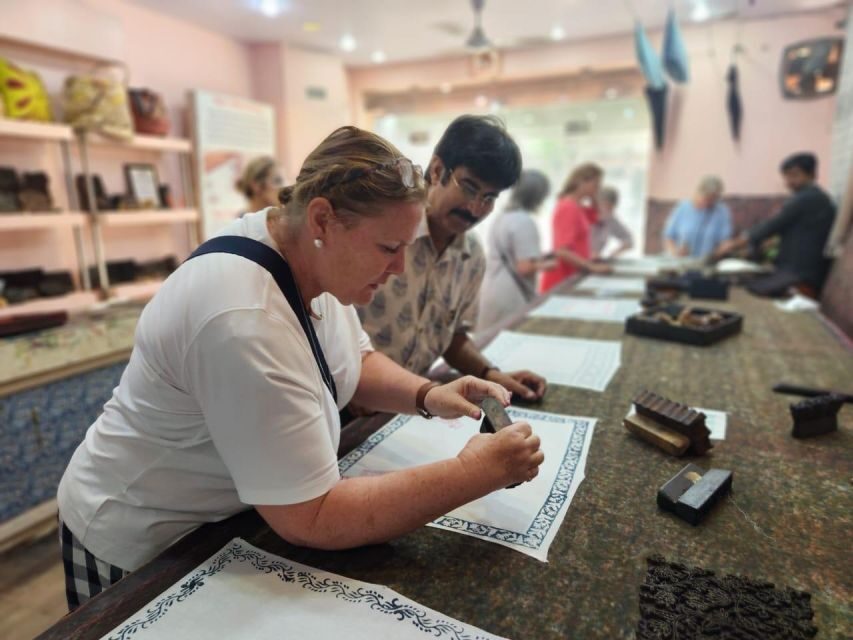
- Sanganeri-style block printing taught where this craft is known to have originated
- Hand-carved wooden blocks and natural dye pigments used in the real workflow
- Private group support so you can move at your pace and get help with your design
- Two take-home printed items made during the class (stoles are the standard keepsake)
- Pickup and drop included, using a safe, comfortable car service
- Optional jewelry factory exploration if you want a quick extra stop
Sanganeri block printing in 5 hours: what you’ll actually learn
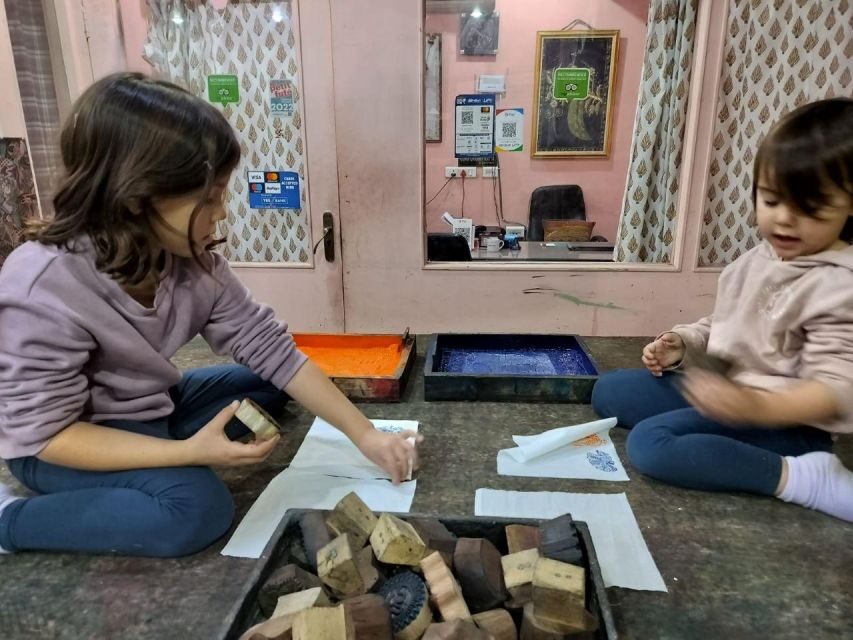
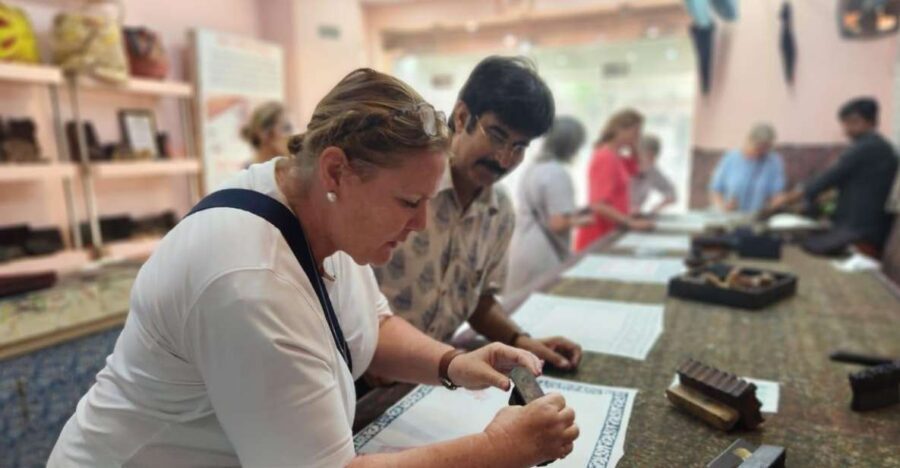
This class is built around the core method of block printing: you place a carved wooden block against cloth, apply color, then repeat to build a pattern. In this case, you’re not just watching. You’re doing the stamping, color layering, and design choices yourself—guided step by step.
The best context is that Jaipur and Sanganeri printing aren’t treated like a random tourist craft. The workshop frames it as a centuries-old local textile technique tied to the Jaipur region. That matters because it changes the tone. You’re not collecting souvenirs on a conveyor belt. You’re learning how people historically made repeat patterns—how the blocks, colors, and cloth work together as a system.
In practical terms, expect to start with an overview: how the blocks are carved, how dyes behave on fabric, and how artists plan designs so they line up across stamping passes. Then you move into the “hands” part—choosing what you’ll print, applying pigments, and building up your own piece.
And yes, the results can be very satisfying fast. Block printing is one of those crafts where you can see progress within minutes: the first clean stamp gives you momentum, and from there you’re layering and refining.
You can also read our reviews of more city tours in Jaipur

Getting there: pickup, comfortable car, and a smooth timeline
A big part of the value here isn’t the workshop itself—it’s how easy it is to reach the working place without turning your afternoon into a logistics puzzle. You’re picked up and dropped back to your hotel, using a safe car with comfortable seating. That means you’re not negotiating local transport while your hands are already itching to print.
In my notes from the experience reports, drivers are part of the friendliness package too. One person specifically praised the driver’s promptness and helpful attitude, and another mentioned Nadeem as a great driver. It sounds like you’ll generally get someone who understands the route and keeps the timing steady.
For you, that translates into a simple plan:
- You show up ready to work with cloth and color.
- You don’t waste time finding the right spot.
- You get home before the evening rush.
The session runs about 5 hours. Lunch isn’t included, so if you’re tight on time, I’d plan to eat before you go or grab something after you return. This is the kind of class where you’ll likely want to stay focused while you’re stamping, not leave for food halfway through.
The workshop flow: overview, dye use, and stamping your pattern
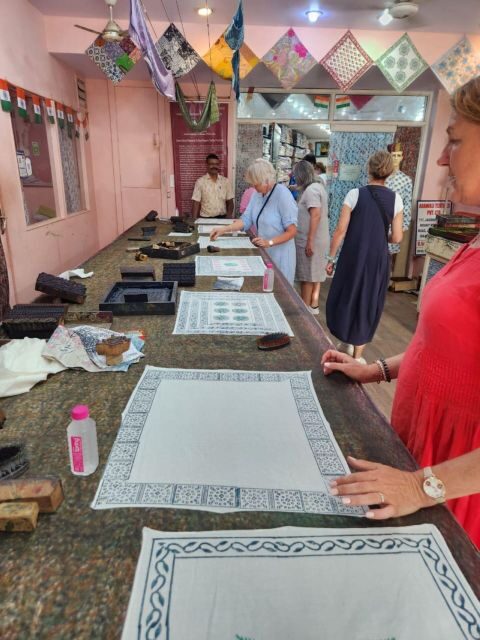
Here’s the rhythm you should expect once you arrive: an introduction to the craft, a look at the blocks and dyes, then direct instruction as you start creating.
Step 1: Learn what the blocks are doing
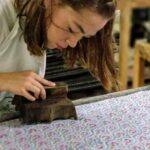
You use hand-carved wooden stamps, not machine prints. That detail affects everything: how evenly color transfers, how much pressure to use, and how clean your edges look. Your instructor’s job is to help you avoid the two common rookie problems:
- smudging from too much dye or too much rubbing
- misalignment from stamping at slightly different angles
With block printing, small changes show up fast. The good news is that you get personal guidance in a private setup, so you can correct on the spot.
Step 2: Work with color made from natural materials
The workshop uses colorful dyes made from natural materials. That’s not just a marketing point. Natural pigments can behave differently than synthetics—how they soak, how they layer, and how they dry.
You should expect an explanation of how they’re applied and how you build color depth. In a practical class, this usually means learning when to add more color and when to let a layer set before adding the next step.
A few more Jaipur tours and experiences worth a look

Step 3: Layer the design by repeating the stamps
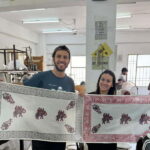
The heart of block printing is repetition. You’ll repeat stamping to build your motif, then adjust your placement as the pattern expands. If you’re the type who likes clear instruction, you’ll appreciate the step-to-step tuition approach. If you’re the type who likes to experiment, you’ll still be able to—just within the guardrails of good alignment and clean transfer.
The goal isn’t perfection that looks industrial. It’s craft-level artwork you can recognize as handmade.
Choosing your souvenirs: two printed keepsakes you’ll take home
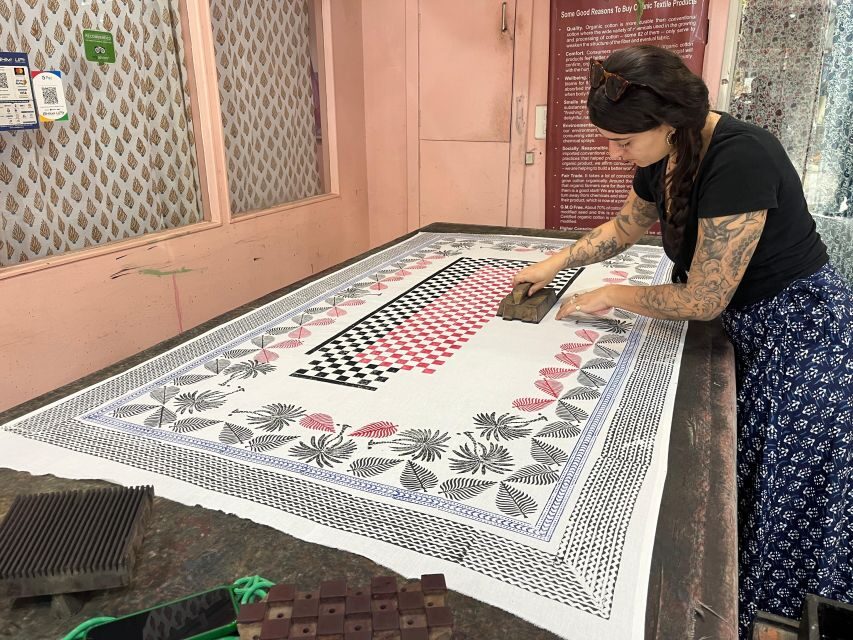
You’ll make and take home two items from the workshop. Based on the description and how the class is commonly structured here, those keepsakes are typically printed stoles.
What’s nice (for value and sanity) is that you don’t have to negotiate the souvenirs at the end to make the time worth it. You leave with pieces you made, not just pieces you shopped.
What your “two items” likely mean for your planning
Because you’re printing two separate pieces, you’ll get to practice the technique twice. That gives you two chances to refine your stamping:
- first item: learn the pressure, color amount, and alignment
- second item: apply what you learned and improve your consistency
That’s also why it’s worth doing this as a workshop rather than a quick storefront demo. You don’t just see a craft—you actively learn it.
The border-embroidery detail: read this as a bonus, not a guarantee
The class description includes machine-embroidering the borders of the stoles. At the same time, one experience report noted a mismatch between what was described and what was produced (including the embroidery step not happening as expected). So here’s the practical takeaway for you: treat embroidery as a possible enhancement, but don’t base your excitement solely on that part.
For most people, the real win is the block-printing skill and the two handmade keepsakes you can wear or gift.
The optional jewelry factory stop: nice add-on or shopping fatigue?
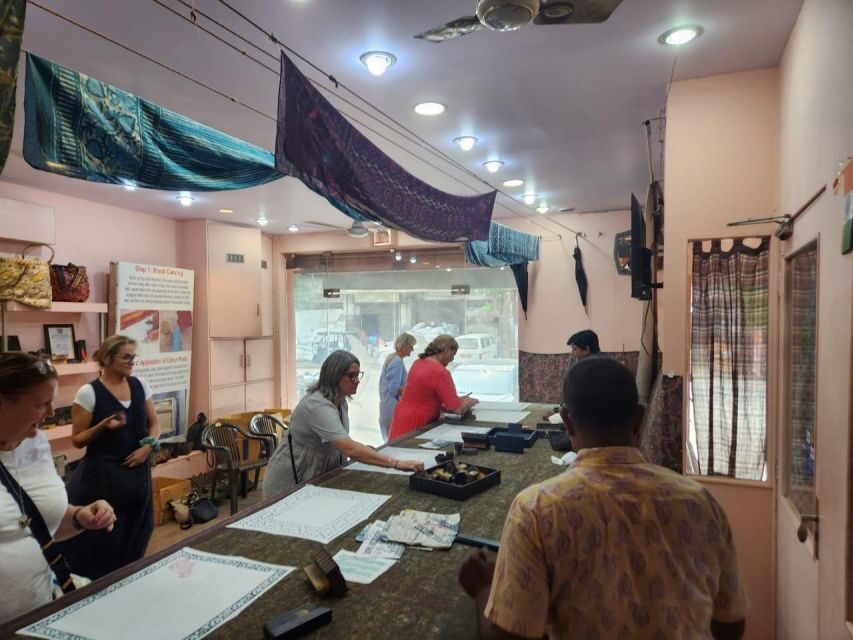
The workshop includes an optional jewelry factory exploration. This can be a fun palate cleanser after textile work—if you like seeing how different crafts get made and marketed.
But it also means you should be mentally ready for sales conversation. One experience report mentioned there’s often a push to buy other things, even when the tone is meant to be relaxed. Another noted the workshop included time at places to purchase blocks and related items on site.
So how do you handle it?
- Decide before you go: are you here to buy only what you make, or are you open to buying craft items if the price is fair?
- If you want minimal shopping pressure, keep your focus on your two souvenirs and the printing work. Once you’re done with that, politely steer the conversation back.
A good rule: if you’re not sure something’s a bargain, pause. Let the guide finish the explanation, then take a moment before you say yes. Handmade crafts should feel like a choice, not a shove.
Who this Jaipur block-printing workshop suits best
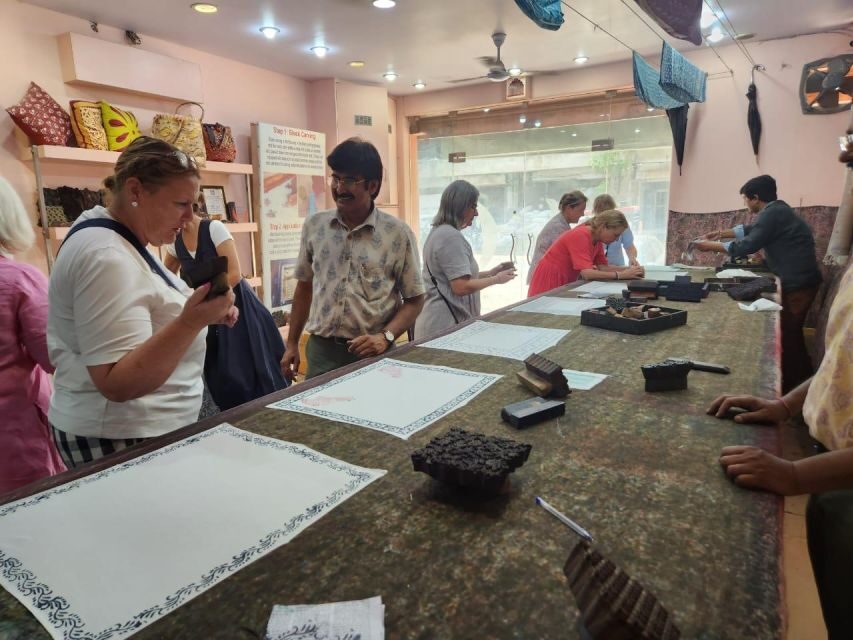
This is a strong fit if you want:
- a hands-on cultural craft lesson without the hassle of planning
- private or small-team attention so you’re not lost during the stamping steps
- souvenirs made with your own hands (not just bought in a shop)
It also seems workable if you’re traveling solo. One experience report described feeling reassured because it was one of the few options available for a solo booking, and the class included pickup/drop support. In other words, you can show up alone and still get full value.
Who might think twice?
- If you’re chasing a very strict, identical-to-the-pictures experience, you may feel annoyed by small differences in the workshop setup and process (like the embroidery step).
- If you only want a quick, lightweight souvenir stop and you don’t want dye, stamping, and close-up craft work, this may be more effort than you expected. This is a workshop, not a photo opportunity.
Price and value: does $44 make sense for what you get?
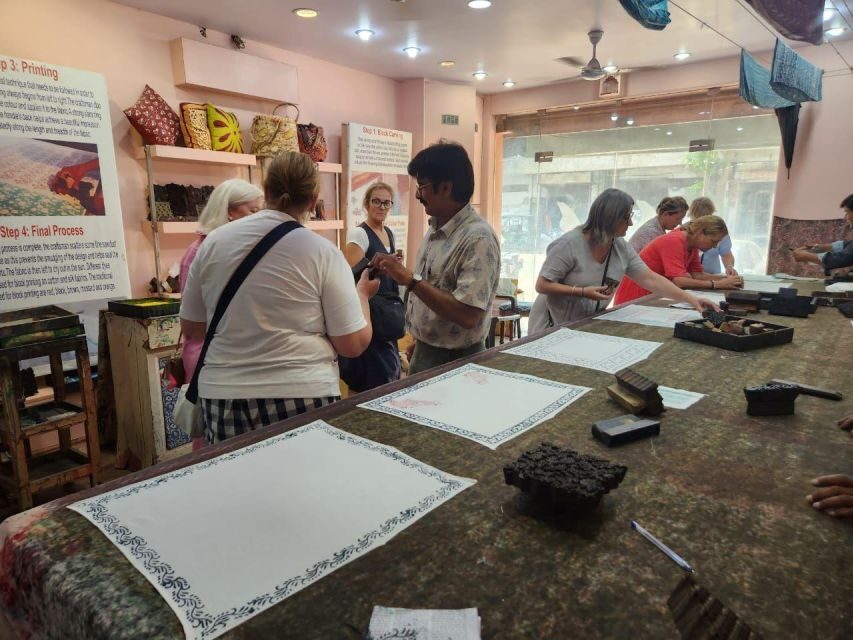
At $44 per person (for a 5-hour private workshop), the value depends on what you compare it to.
Here’s what you’re actually paying for:
- a private class format with personal guidance
- transportation (pickup and drop) in a comfortable, safe car
- workshop materials and dye use
- two take-home printed items
- bottled water
- taxes and included fees
That bundle is where the price starts to look reasonable. Many craft experiences either charge separately for transportation or require you to buy souvenirs at retail prices afterward. Here, your souvenirs are built into the session.
One note from an experience report: the price appeared to have increased since that person booked, and they felt the jump wasn’t worth it. That’s a fair way to look at it. If the cost rises a lot relative to other options, you may want to re-check whether it still includes the same level of materials and guaranteed take-home pieces.
My practical advice: treat it as a “workshop + souvenirs + transport” ticket. If you price out those ingredients separately in your head, you’ll usually find it lands close to fair.
Practical tips to get the best results from your prints
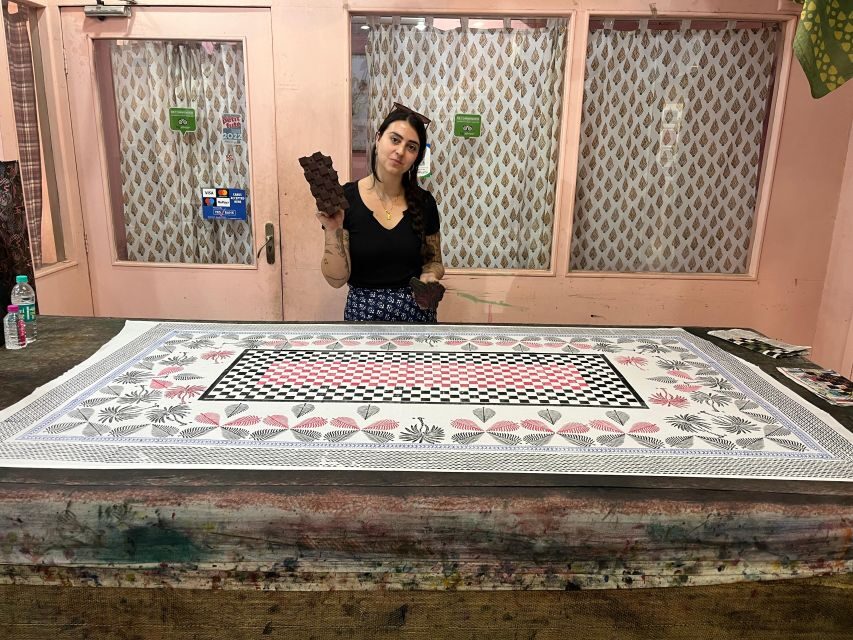
Even with instruction, you’ll improve your odds of getting a result you’re happy to keep. Here are simple, practical things to focus on:
- Wear clothes you don’t mind getting close to dye and fabric work.
- Pay attention to alignment early. Your second stamp is where you’ll feel whether the first one was set correctly.
- Work at the pace your instructor sets. Speed can lead to smearing or uneven coverage.
- If you’re planning to gift or wear the stoles soon, ask what to do with them right away once the class ends. (The workshop should guide you on handling during/after printing.)
Also, don’t overlook the “soft” value: chai breaks and relaxed conversation. When Ali and Nasir were part of the welcome, the tone was described as friendly, with laughter and multiple cups of tea. That makes it easier to focus when you’re learning a new process under close guidance.
Should you book? My honest take
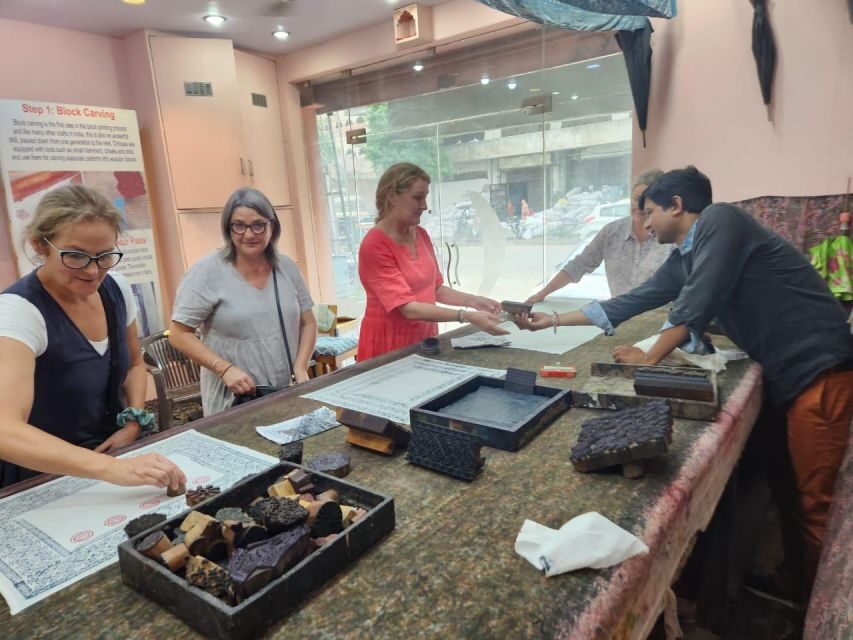
Book this Jaipur block-printing workshop if you want a real craft session where you leave with two handmade printed keepsakes, with pickup and drop handled for you. It’s especially worth it if you’re the type who likes learning by doing and you appreciate private attention—Zoaib, Ali, and Nasir-style hospitality shows up as part of the experience.
Skip it (or at least adjust expectations) if you need a photo-perfect, identical-to-description production step, especially around border embroidery. Treat the embroidery as a possible bonus, and anchor your excitement on the stamping technique and the two items you print yourself.
If you’re in Jaipur with a few hours to spare and you like textiles, this is one of the more satisfying “hands-on culture” choices.
FAQ
How long is the Jaipur block printing workshop?
The duration is 5 hours.
How much does it cost?
The price is listed as $44 per person.
Is this a private experience?
Yes, it’s a private group experience.
What will I make and take home?
You’ll make two items of your choice to print and take home during the workshop.
What materials are used for the printing?
The process uses hand-carved wooden stamps and colorful dyes made from natural materials.
Does the tour include pickup and drop-off?
Yes, pickup and drop-off are included.
Is lunch included?
No, lunch is not included.
Is there an optional add-on during the day?
There is an optional explore of jewelry factories.
Can I cancel for a full refund?
Free cancellation is available up to 24 hours in advance for a full refund.
Is the workshop held in English?
The host or greeter provides English.