REVIEW · NEW DELHI
Heritage Delhi Photography Walk (2 Hours Guided Walking Tour with Rickshaw Ride)
Book on Viator →Operated by Yo Tours · Bookable on Viator
A camera-friendly route in Delhi, in just two hours. I like that this walk pairs guided photography tips with a real local storyteller, not just a stamp-and-move itinerary. I also love the simple, fun cycle rickshaw ride between stops, which helps you shift from monument mode to street-life mode quickly. One thing to consider: entrance fees are not included, so you’ll need a little extra cash or planning for site tickets.
The stops are picked for variety: stone architecture at Safdarjung Tomb, garden-and-tomb details at Lodhi Garden, then bold street art at Lodhi Art District. The group stays small (maximum 12), which makes it easier to get personalized pointers—especially if you’re aiming for specific light and framing.
Because it runs outdoors and depends on conditions, you’ll want to go on a day with decent weather. Also, there’s no hotel pickup, so you’ll be responsible for getting yourself to the meeting point near Safdarjung Tomb.
In This Review
- Key things I’d zero in on
- Why this Delhi photo walk is the smart kind of short
- Getting from Safdarjung Tomb to Lodhi: a route that saves your energy
- Stop 1: Safdarjung Tomb photo time (and what to expect)
- Stop 2: Lodhi Garden for trees, roses, and tomb details
- Stop 3: Lodhi Art District street art that turns photos into stories
- The rickshaw ride: why it’s more than a fun extra
- Guides and timing: the part that makes your photos actually better
- Price and value: what $18.62 buys you (and what it doesn’t)
- Logistics that matter: meeting point, walking pace, and weather
- Who this photo walk is best for
- Should you book it?
- FAQ
- Do I need to pay entrance fees for the stops?
- How long is the photography walk?
- Where does the tour start and end?
- Is hotel pickup included?
- Is there an air-conditioned vehicle during the tour?
- Can I get a full refund if I cancel?
Key things I’d zero in on
- English-speaking storyteller guidance: You get context at each stop, plus practical photography coaching.
- Golden-hour planning from the guides: One guide (Saumya) specifically advised timing for the best light and mentioned night illumination.
- Classic cycle rickshaw between sights: A true-India transport moment built into the tour flow.
- Three visual “moods” in two hours: Mausoleum stone, garden/tombs, then street-art walls.
- Small group size (max 12): Better chances for questions and hands-on tips.
- Site entry fees not included: Tickets for places like Safdarjung Tomb are on you, so budget accordingly.
Why this Delhi photo walk is the smart kind of short
Delhi can feel like a photo buffet—too much to choose from, and too many chances to miss what’s actually interesting. This tour is designed for focus. In about two hours, you cover three very different settings without the dead time of long transfers.
The guide role is where the value really shows. You’re not only looking through a lens; you’re learning what to look for and why it matters. That “story first, frame second” approach helps even if your camera is just a phone.
Also, this is priced so you can try a guided photo walk without taking a huge budget hit. For around $18.62 per person, you’re getting a guide, a small group setting, and the cycle rickshaw ride—all while moving through some of the most photo-friendly areas near Lodhi Estate.
You can also read our reviews of more walking tours in New Delhi



Getting from Safdarjung Tomb to Lodhi: a route that saves your energy
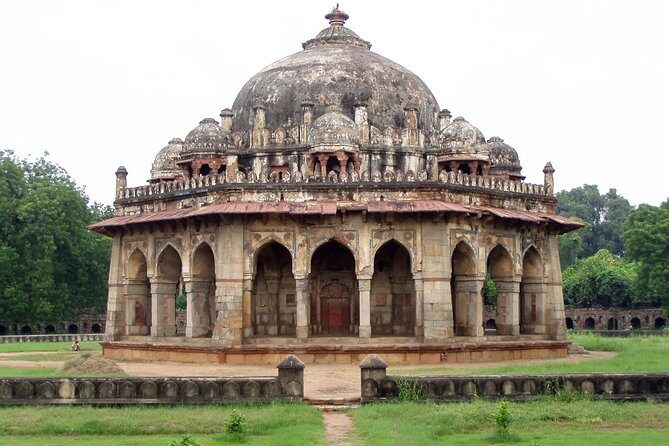
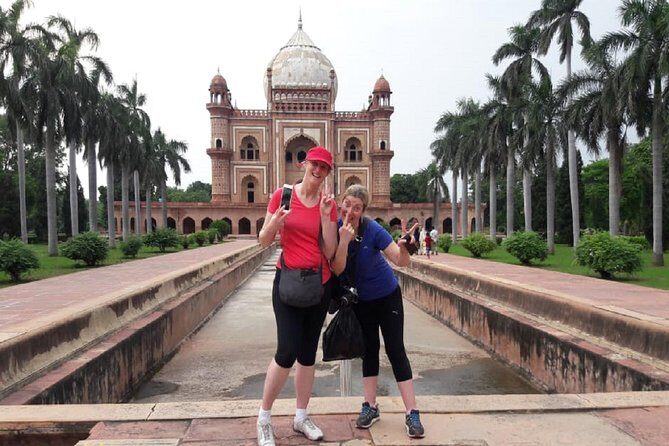
The tour starts at Safdarjung Tomb ticket counter (near Airforce Golf Course, Delhi Race Club area: H6Q6+WR5, New Delhi, Delhi 110021). It ends at Lodhi Gardens / Lodhi street art area (tour end at Lodhi street art street).
That end point matters. You finish near the Lodhi Art District instead of back at the starting gate, which is actually convenient if you plan to keep exploring that neighborhood after the walk. It also means you’re not locked into an exact “return to start” experience.
You’ll also want to notice what’s not part of the day. There’s no hotel pickup and drop, and no air-conditioned vehicle. So you’re committing to walking and the local-style ride between sights, which keeps the pace compact and the route efficient.
Stop 1: Safdarjung Tomb photo time (and what to expect)
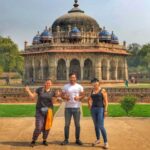
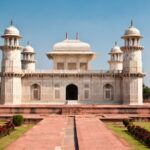
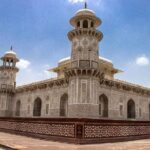
Your first stop is Safdarjung Tomb, with about 30 minutes there. It’s a late 18th-century mausoleum of Safdarjung, which gives you strong architecture to photograph: formal stone shapes, heritage textures, and a sense of “how Delhi looked when this was new.”
A key practical point: entrance admission ticket is not included. The tour includes the stop and guidance, but you’ll handle entry yourself. If you want to avoid last-minute stress, plan your timing so you reach the ticket counter without rushing.
This is the kind of stop where the guide can make a real difference. Instead of just pointing out a pretty building, a good photography guide will push you toward angles that show depth and structure—especially useful if you’re traveling with a phone and want frames that don’t look flat.
Stop 2: Lodhi Garden for trees, roses, and tomb details
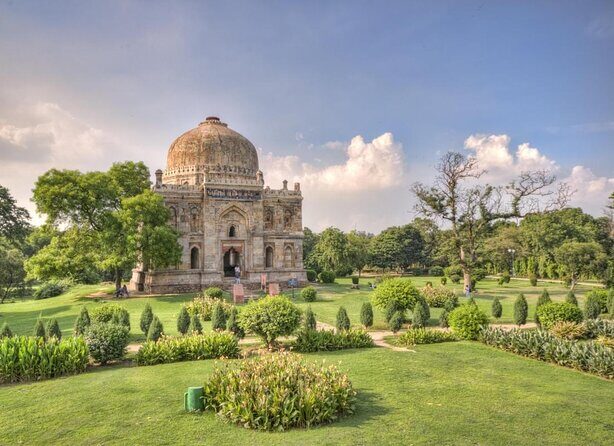
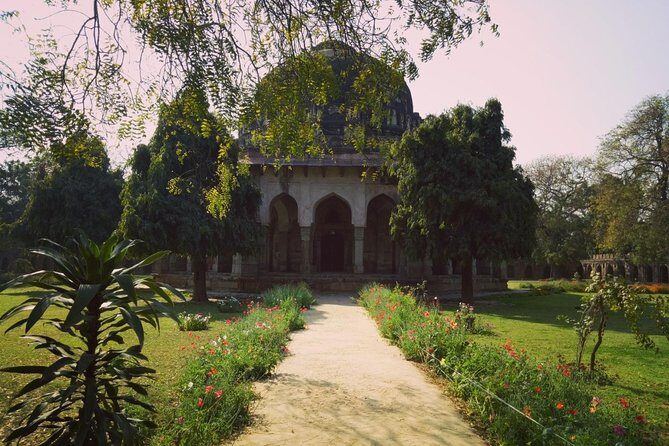
The second main block is Lodhi Garden, with about one hour. This stop is built for visual variety: the tour includes the Rose Garden area and also visits key tombs within the garden—Sikandar Lodi Tomb and Shah Sayyid Tomb—plus displays that share relics from Delhi history.
The garden setting changes how you photograph. You’re switching from monument geometry to softer edges: leaves, flower tones, and the contrast between natural color and stone. If you like photos with layers (foreground plants + midground paths + background architecture), this is one of the best places in the route to practice that.
Again, site entry fees are not included, so treat any tomb or garden ticket costs as extra. The guide will still help you get the best frames, but you should expect the logistics of paying separately for access.
One other reason I like this stop for new photographers: it’s an easier environment to keep experimenting. If your first ideas don’t work, there’s another angle ten steps away, and the garden keeps offering new light and backgrounds.
Stop 3: Lodhi Art District street art that turns photos into stories
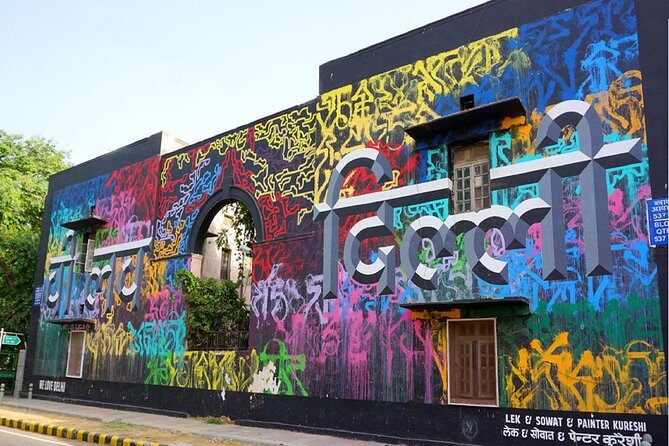
The final stop is Lodhi Art District, around 30 minutes focused on street art. This is where the tour shifts into something modern and expressive. You’ll see Lodhi street art with graffiti themes that include ideas like nature, origin of the world, life and death, and more.
Street art can be tricky because it’s easy to photograph it like a random wall. The value of a guided photo walk is that you’re more likely to frame the art with intent—composition, color balance, and the way the wall interacts with passersby and surroundings.
Also, this is a great “permission slip” for photographers who feel pressure to chase famous monuments only. Here, the point is interpretation: you’re capturing meaning in paint and color, not just historic stone.
You can also read our reviews of more guided tours in New Delhi



The rickshaw ride: why it’s more than a fun extra
Between the sights, the tour includes a cycle rickshaw ride. This is one of those small inclusions that changes the whole feel of the day.
On foot, you can start to feel like you’re just moving through places. The rickshaw adds a pause. You get a different viewpoint on the streets and you reset your rhythm between architecture, garden scenes, and street art.
It also helps the tour feel “Delhi,” not “museum-like.” A cycle rickshaw is classic forms of transportation only-in-India, and it gives you that lived-in street energy without eating up time.
Guides and timing: the part that makes your photos actually better
The tour is led by a highly trained, friendly storyteller/guide who speaks English and other languages. The guide role isn’t only about facts; it’s about helping you see and shoot better.
From the experiences people shared, timing advice is a standout. One reviewer noted that their guide Saumya suggested shooting at golden hour to get the best pictures, and also said the area can look especially good at night because it illuminates. Another guide, Shika, reportedly discussed the best hour for photos and kept communication clear from the start.
That kind of light-and-planning guidance is huge if you’ve ever shown your photos later and thought, I had the right subject but the light was off. Even a short tour like this can still make a big difference if the guide pushes you to shoot when the scene looks best.
Price and value: what $18.62 buys you (and what it doesn’t)
At $18.62 per person, you’re paying for a guided walk experience built around three stops, with professional guidance, a cycle rickshaw ride, and photo tips. The price also notes group discounts and that you’ll receive a mobile ticket.
Where the value can feel tricky: entrance fees are not included. Safdarjung Tomb and access to parts of Lodhi Garden are separate. So your all-in cost depends on what tickets you pay on the day.
Even so, this still tends to be good value if you want:
- A compact route that avoids planning a multi-stop day on your own
- A guide who helps with photography decisions, not just introductions
- A small group tour (maximum 12) so you can ask questions
Also, there’s no air-conditioned vehicle or hotel pickup, which keeps the experience lean and the schedule tight. If you dislike long bus rides, that’s a plus.
Logistics that matter: meeting point, walking pace, and weather
This is an outdoor walking experience, and it requires good weather. If conditions aren’t good, you’ll be offered a different date or a full refund.
You’ll also need to be comfortable meeting on time. There’s a specific meeting point: Safdarjung Tomb ticket counter area (H6Q6+WR5). No hotel pickup means you’ll need to handle the route to get there.
The tour ends at Lodhi street art street near the Lodhi Art District. So if you’re heading somewhere after the tour, set your plans around that ending location rather than expecting to return to the starting point.
Who this photo walk is best for
This tour fits best if you want a guided path through Delhi without spending the day map-studying. It’s especially good for:
- People who enjoy photography but want help with timing and framing
- Travelers who like learning stories behind places, not just seeing photos afterward
- Anyone who wants heritage plus modern street art in one compact outing
If you only want paid-entry monuments where every cost is included, you may find the “tickets not included” detail annoying. But if you’re fine budgeting for entrance fees, the structure is efficient and the photo mix is strong.
Should you book it?
If you’re in Delhi with limited time and you want your camera to come home with stronger shots, I’d book this. You’re getting a compact heritage + garden + street-art route, a small group, and the kind of guide input that can change photos fast—especially timing like golden hour guidance.
The main reason to pause is the extra cost of entrance tickets at places like Safdarjung Tomb. If you don’t want to deal with on-site tickets, choose a different tour format. If you’re okay handling entry fees and you want a focused two-hour photo plan, this is a solid way to see real Delhi while practicing how to photograph it.
FAQ
Do I need to pay entrance fees for the stops?
Yes. Entrance tickets for historical sites like Safdarjung Tomb are not included in the tour price.
How long is the photography walk?
The tour is about 2 hours total.
Where does the tour start and end?
It starts at the Safdarjung Tomb ticket counter (H6Q6+WR5 area) and ends at Lodhi street art street in Lodhi Gardens.
Is hotel pickup included?
No. There is no hotel pickup or drop.
Is there an air-conditioned vehicle during the tour?
No. The tour does not include an air-conditioned vehicle.
Can I get a full refund if I cancel?
Yes. You can cancel up to 24 hours in advance for a full refund, and the experience requires good weather.