REVIEW · MCLEOD GANJ
Heritage & Cultural Trails of McLeodGanj Guided Walking Tour
Book on GetYourGuide →Operated by Yo Tours · Bookable on GetYourGuide
McLeodGanj tells stories if you walk it right.
I like how this tour pulls you straight into the Kalachakra (Wheel of Time) Temple world, with access that links the Namgyal monastery area to the Tsuglagkhang temple experience and the Dalai Lama’s private chambers. Instead of just snapping photos, you get the kind of orientation that makes the whole old-town circuit feel understandable.
My second big love is the street-level shopping and art. You’ll spend time around the Mini Tibetan Market, where people sell thangka-style paintings, wooden carvings, and handicrafts, then keep walking past walls of artwork (including bottle-art themes) and small cafes along the way.
One drawback to keep in mind: the tour’s value depends heavily on the guide’s storytelling depth. The route has a lot of meaningful stops, so if you end up with a guide who skims the details, the experience can feel like it moved too fast or covered too little in the time you paid for.
In This Review
- Key things you’ll notice on this McLeodGanj walk
- Getting Oriented at McLeod Square Temple
- Kalachakra Temple and Namgyal Monastery: the “why” behind the sights
- Tsuglagkhang Temple area: how to read the atmosphere
- The Mini Tibetan Market: where souvenirs become cultural context
- An artistic cafe and Handmade Paper Recycling: practical eco in a tourist town
- Wall art, bottle art, and a Shiva temple stop
- Cafe pauses, old lanes, and why hidden routes matter
- Price and value: is $14 for two hours fair?
- Who this walking tour is best for
- Should you book this McLeodGanj walking tour?
- FAQ
- Where does the Heritage & Cultural Trails of McLeodGanj guided walking tour start?
- How long is the tour?
- What’s included in the tour price?
- What’s not included?
- What stops does the tour highlight?
- Do I need to speak English to join?
- Is there free cancellation?
Key things you’ll notice on this McLeodGanj walk
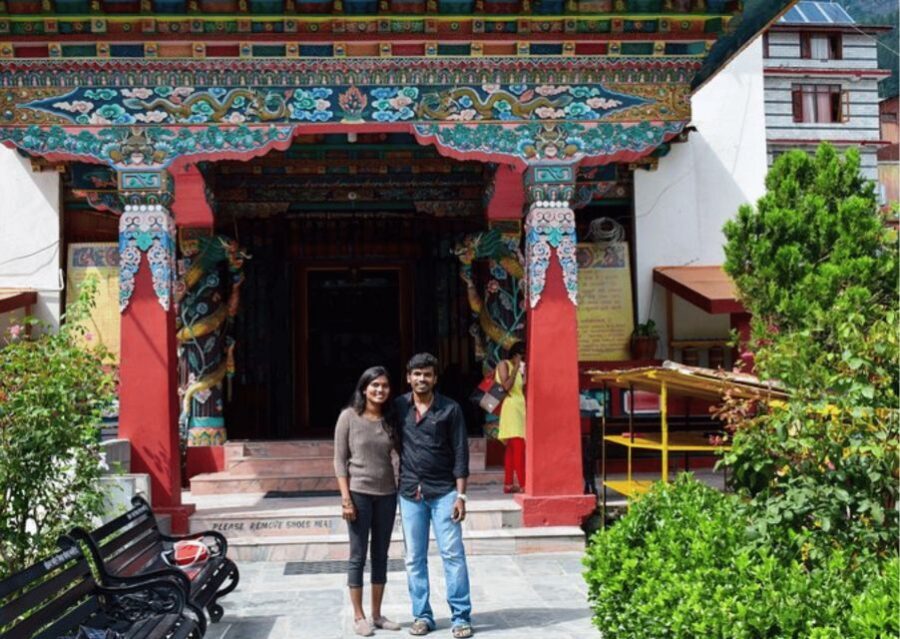
- You start at McLeod Square Temple, then move through the old-town “religion + daily life” loop.
- Kalachakra Temple leads into Namgyal monastery access, including the Dalai Lama private chambers and Tsuglagkhang temple area.
- Mini Tibetan Market is built for hands-on browsing, with thangka-style artwork plus wooden carvings and handicrafts.
- An artistic cafe stop supports waste management via Handmade Paper Recycling, a very practical local touch.
- Street art is part of the itinerary, including walls created from waste and recycling-themed visuals.
- Hidden lanes are part of the deal, so you’re not only stuck on the main lanes with everyone else.
Getting Oriented at McLeod Square Temple
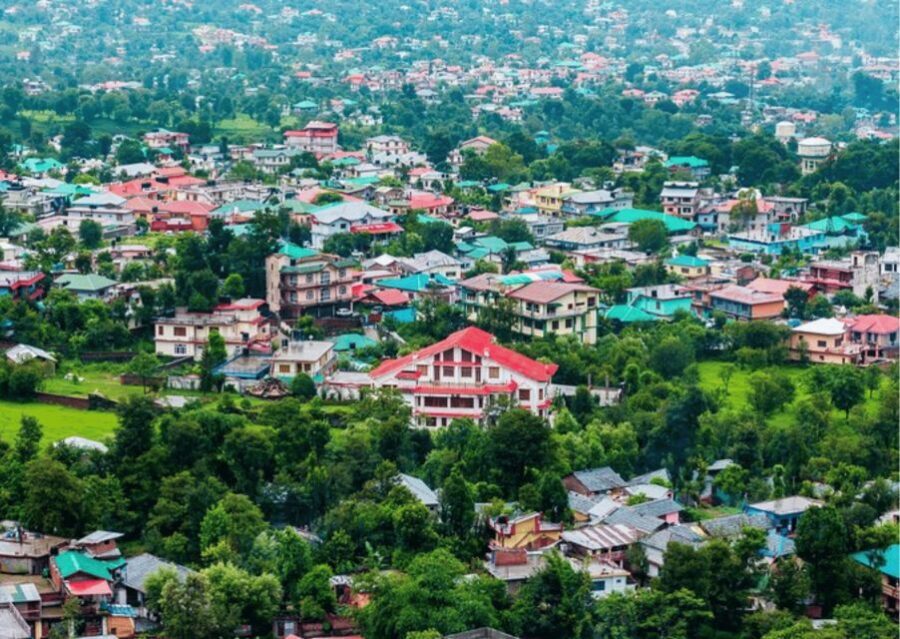
If you’ve only got two hours in McLeodGanj, your time needs to work like good espresso: short, intense, and helpful. This tour starts at the McLeod Square Temple, which is a smart choice because it gives you a mental map early. From that square, the old-town streets start to make sense in layers—temple locations, market lanes, and the flow of people moving between spiritual sites and everyday errands.
You’ll also feel the neighborhood’s pace quickly. McLeodGanj is walkable, but it’s not “grid easy.” Streets twist, signs appear and disappear, and small lanes matter. The tour’s promise of getting you into those quieter lanes is where the walking becomes more than a checklist. It’s how you notice the little stuff—shopfronts, workshop-style entrances, wall art—without having to guess where to go next.
One practical tip: wear comfortable clothes and shoes you can trust on uneven pavement. The tour is only two hours, but you’ll still rack up walking time, and you’ll want to move easily when the group pauses for explanations or photos.
You can also read our reviews of more tours and experiences in Mcleod Ganj.
Kalachakra Temple and Namgyal Monastery: the “why” behind the sights
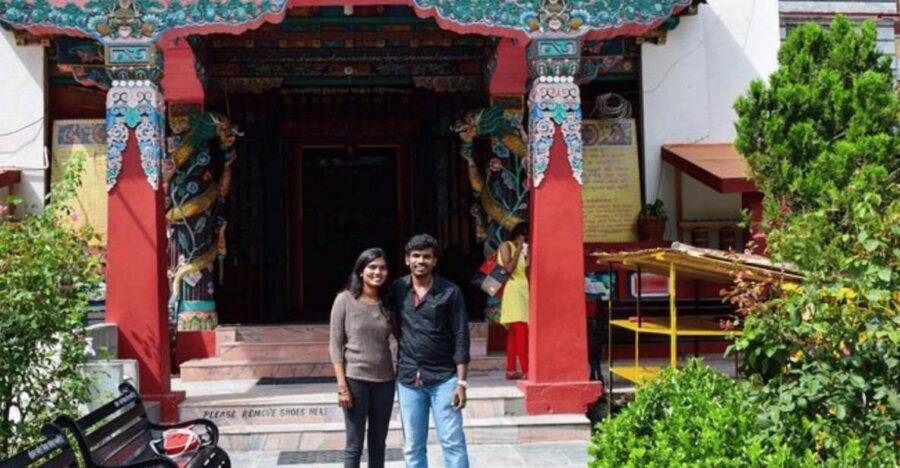
The first major spiritual anchor is the Kalachakra (Wheel of Time) Temple. Even if you don’t know a lot of Tibetan Buddhist terms, the value here is in learning the basic context so the buildings don’t feel random. The tour specifically connects this temple complex with the Namgyal monastery area, including access to the Dalai Lama private chambers and the famous Tsuglagkhang temple.
That sequence matters. When you see a site first as architecture and then as a lived space tied to teaching and devotion, the meaning sticks. You’re not just looking; you’re building a framework: what this place is, who it’s associated with, and why certain areas draw attention.
Because this is a guided experience in English and Hindi, you’ll get explanations in two languages depending on your guide’s comfort and the group mix. That’s helpful if you’re traveling with friends who don’t share the same first language. It also reduces the “tour group gap,” where some people get the story and others get left behind.
A thoughtful way to get more out of these stops: listen for the connections the guide makes between the religious spaces and daily life outside. If the guide emphasizes that bridge—how people practice, how visitors behave, what’s considered respectful—you’ll feel like you’re learning how to move through McLeodGanj correctly, not just where the landmarks are.
Tsuglagkhang Temple area: how to read the atmosphere
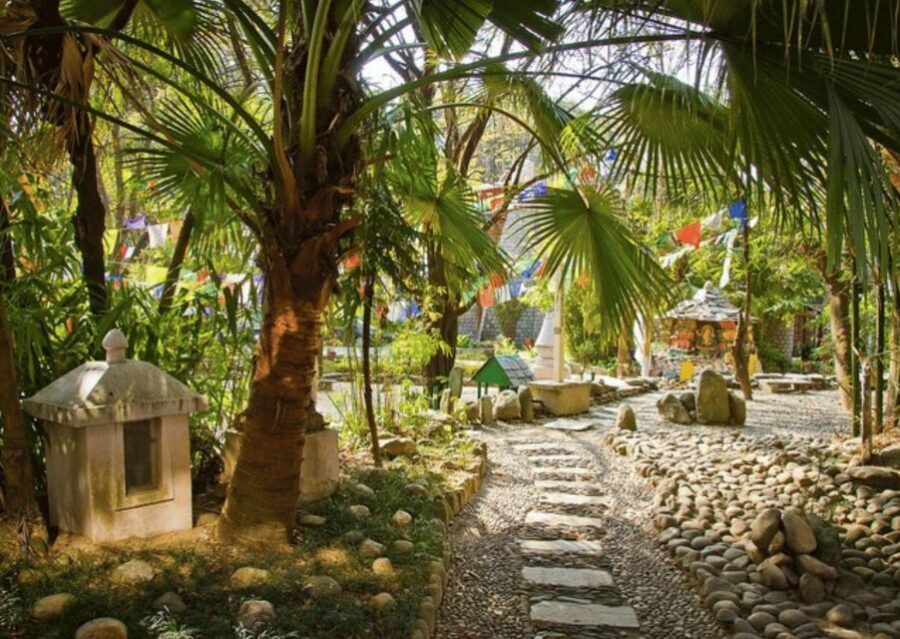
After Kalachakra and Namgyal monastery access, the walk continues toward the Tsuglagkhang temple. Even without adding extra facts beyond what the tour itself highlights, you can expect a distinct shift in atmosphere. This is the kind of place where sound, movement, and people’s focus all change. In these settings, the guide’s role becomes more than description—it’s also timing and guidance.
You’ll likely get moments where the group slows down. That’s when you should watch for how the space is used: people’s habits, where they gather, and how quietly most visitors move. If you’re the type who likes to understand behavior, not just buildings, this stop tends to pay off.
And if you’re worried about language, this is where the guide’s storytelling can really matter. The tour promises English and Hindi live guidance, so if you ask short questions—what this means, why it matters, what to notice—you’ll usually get a better experience than if you just walk through.
The Mini Tibetan Market: where souvenirs become cultural context
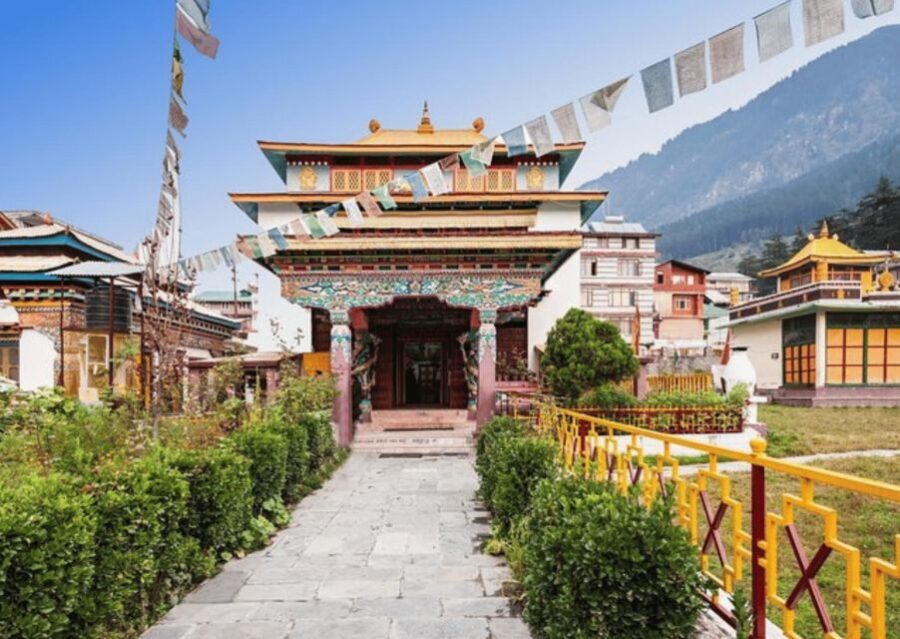
Now for the portion that’s fun even if you’re not a museum person. The tour leads you to the McLeodGanj Central Square / Mini Tibetan Market, known for thangka tapestry-style paintings, wooden carvings, and handicrafts.
Here’s why this stop is more valuable than it looks: the guide doesn’t just point at stalls. When a good storyteller ties the art to the people who make it, you stop treating purchases as random trinkets. You begin to see them as cultural output—crafts with meaning and community roots.
A practical way to use your time here:
- Look first, then ask what each item is and how it’s made.
- If you spot something you like, check the size and material details before committing.
- Keep an eye out for stalls that explain what they’re selling instead of only pushing for a quick sale.
If your goal is value, this is also where you benefit from the guide’s local tips for saving money. That part matters because small price differences can add up when you’re buying more than one item—especially in a market full of similar-looking products.
Also, there’s a good chance you’ll want to use this market moment to decide what to take home (small art, carvings, or handmade items) so you don’t spend later time hunting.
An artistic cafe and Handmade Paper Recycling: practical eco in a tourist town
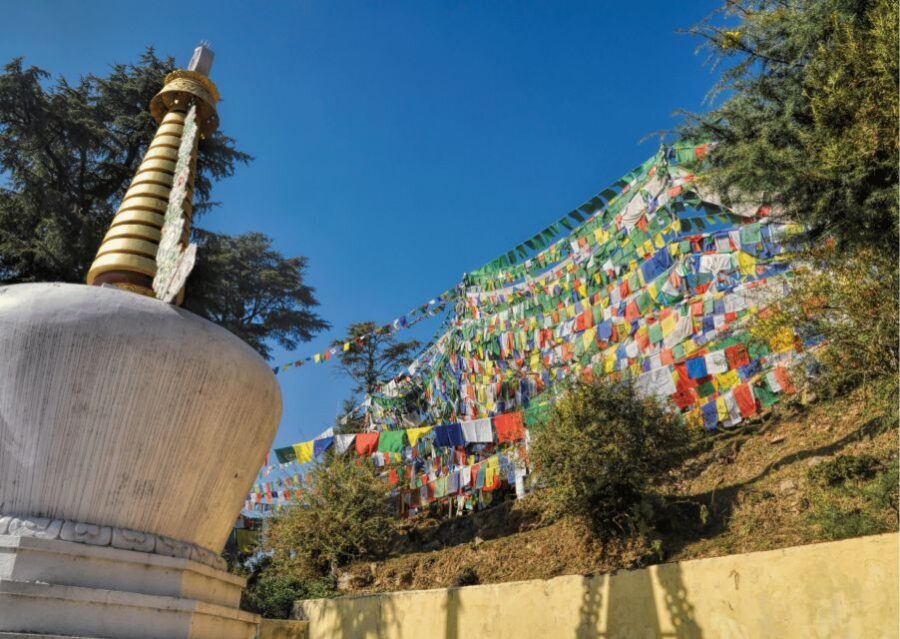
One of the more interesting detours is the stop at an artistic cafe connected to a local environmental program: Handmade Paper Recycling, designed to support Upper Dharamsala with more efficient and eco-friendly waste management.
This is the kind of stop I appreciate because it’s not just a “cute” side story. Waste and reuse are serious issues in hill towns, and you can actually see how the concept shows up in real life. When tourism funds local initiatives, it can create better outcomes than tourism that stays superficial.
You don’t need to be an environmental expert to get value here. It’s simply a reminder that local culture isn’t only temples and markets—it also includes how communities respond to day-to-day challenges.
If you order something at the cafe, do it mindfully. Keep it simple, enjoy the break, and use the moment to refuel. The tour is short, and you’ll want your energy up for the street-art stretch after.
Wall art, bottle art, and a Shiva temple stop
After the market and eco cafe, the walk becomes a roaming gallery. The itinerary includes passing through walls and buildings with wall art, painting shops, and recycling bottle art themes. There’s also mention of Dalai Lama wall art created from waste, plus a Shiva temple stop along the route.
This is where the tour earns points if you’re even mildly curious about how places communicate. In places like McLeodGanj, visual storytelling isn’t separate from real life. Art shows up on the sides of buildings, on shop fronts, and in community statements about reuse and values.
A helpful mindset: don’t only look for the “most impressive” murals. Look for the ones that connect to the tour’s eco and community themes. If you’re thinking, I’m here for religion and culture, this is still culture—just shown through street art and everyday visual language.
Also, the Shiva temple mention is a good reminder to stay open. McLeodGanj has a Tibetan Buddhist core, but the area’s religious landscape can be multi-threaded. A guide who can explain that respectfully helps you avoid the “single story” trap.
Cafe pauses, old lanes, and why hidden routes matter
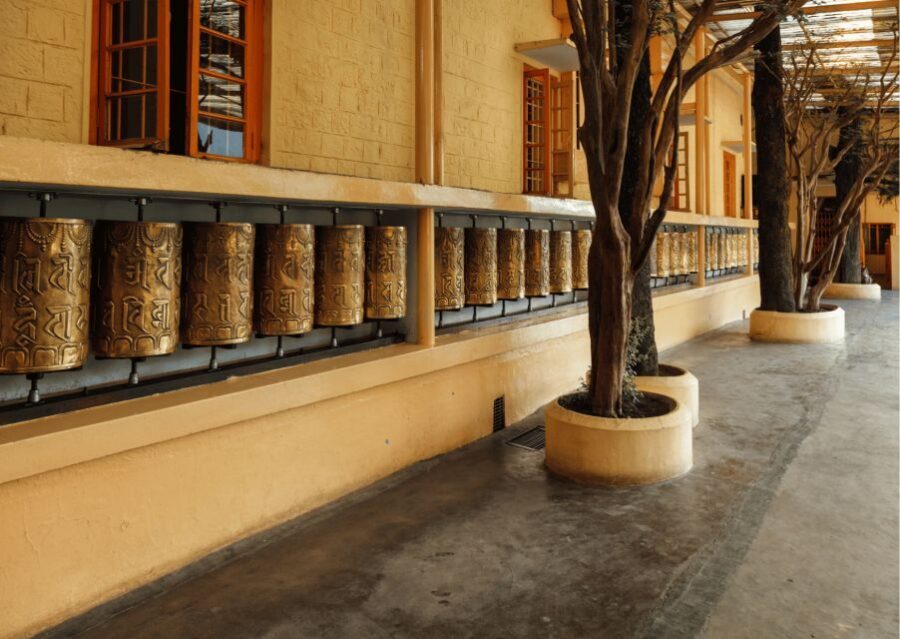
The tour includes conversations and access to hidden lanes and places. That’s one of those phrases that sounds marketing-y until you try it. In practice, hidden lanes are what reduce the “I saw the same street five times” feeling that can happen when you self-walk.
These lanes also tend to reveal what you miss when you only follow main footpaths: small workshops, tucked-in corners, wall art that you’d never notice from the main road, and the rhythm of locals moving around their day.
Your guide is also part of this. The tour includes a trained storyteller who speaks English and Hindi and offers local recommendations to save money and explore the city. That kind of advice is useful because McLeodGanj can feel like a maze when you’re new. Even one or two concrete suggestions—like what to prioritize next or where not to waste time—can extend the value of a two-hour tour.
Price and value: is $14 for two hours fair?
At $14 per person for 2 hours, the cost is low enough that you should expect a tight, efficient route. You are paying for three things: a guide, structured access to major spiritual stops, and help navigating the old-town streets without confusion.
The value is strongest if:
- the guide explains not just what you’re seeing but why it matters
- the group keeps the route moving through most of the planned highlights
- you use the market time to ask questions and shop thoughtfully instead of rushing
The value is weaker if the guide’s knowledge is limited. One mismatch I’ve seen with tours like this is when only a couple of the planned segments get real attention, and the rest becomes “quick pass by.” Since the tour is short, that can matter a lot. If you feel the guide is moving too fast without meaning, don’t stay passive—ask a simple question about what you’re seeing, especially around Tibetan people and the sites.
Still, even with a so-so guide, you’re in a dense area where a lot is happening. You’ll likely get at least the orientation benefit—knowing where things are and how the streets connect. The “win” is when storytelling makes you notice better details, not just more places.
Who this walking tour is best for
This is a good fit if you:
- want an orientation walk without committing to a longer day
- care about spirituality but also want market and street-life stops
- enjoy guides who can connect art (thangkas, wall art) to the people behind it
- like practical breaks, like a cafe stop tied to something local
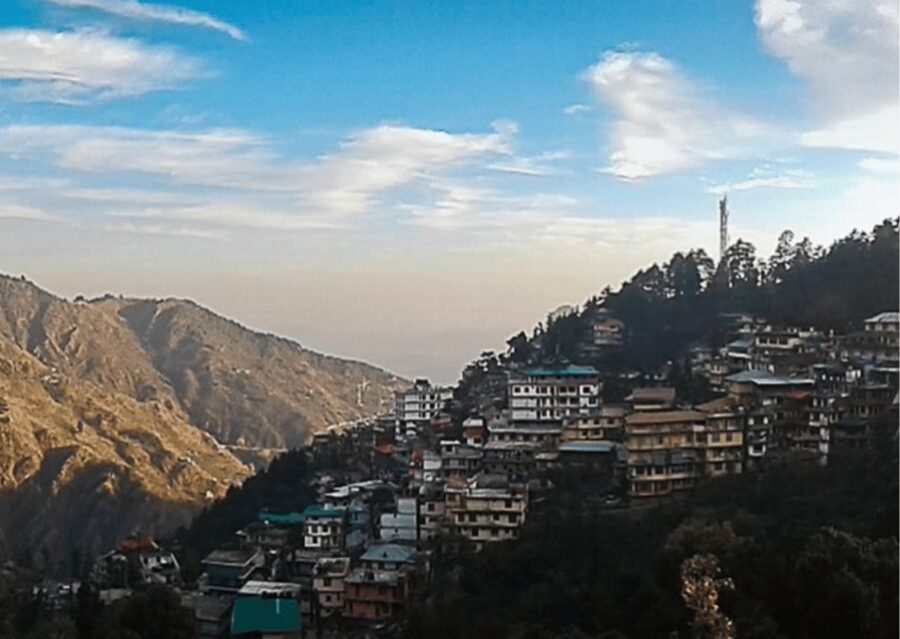
It’s also ideal for first-time visitors to McLeodGanj who feel overwhelmed by the sheer number of temples and shops. The tour format helps you get bearings fast.
If you’re extremely detail-technical about doctrine and theology, you might prefer a more academic guide style. The tour data emphasizes infotainment and storytelling, not formal study. In that case, keep your questions simple and human: what do people do here, how should visitors behave, and what should I notice?
Should you book this McLeodGanj walking tour?
I’d book it if you want a compact 2-hour introduction that blends spiritual stops with crafts, street art, and a practical eco story. The biggest advantage is the way the route connects the Kalachakra Temple / Namgyal monastery access / Tsuglagkhang temple area to the daily world around Mini Tibetan Market lanes and visual art made from waste.
But book with eyes open. If you tend to get impatient with light explanations, you’ll need a guide who speaks clearly and covers the full sequence. Since the tour leans on storytelling quality, I recommend showing up ready to engage: ask questions, request specific context, and don’t hesitate to slow down if you want to understand a stop beyond photos.
If that style works for you, this is a solid value at $14—not because it checks boxes, but because it helps you walk McLeodGanj like you actually belong there for a couple of hours.
FAQ
Where does the Heritage & Cultural Trails of McLeodGanj guided walking tour start?
It starts at McLeod Square Temple.
How long is the tour?
The tour lasts about 2 hours.
What’s included in the tour price?
You get a live English and Hindi storyteller/guide, local tips and recommendations, access to hidden lanes and places, and guided conversations.
What’s not included?
Hotel pickup and drop aren’t included, and a water bottle isn’t included either.
What stops does the tour highlight?
Highlights include Kalachakra (Wheel of Time) Temple and McLeod Square Temple, access within the Namgyal monastery area to the Dalai Lama private chambers and Tsuglagkhang temple, plus the Mini Tibetan Market for thangka-style paintings and handicrafts, along with additional street art and an artistic cafe tied to waste management through handmade paper recycling.
Do I need to speak English to join?
No. The tour is guided in English and Hindi.
Is there free cancellation?
Yes. You can cancel up to 24 hours in advance for a full refund.