REVIEW · HYDERABAD
Temples and Tales of Kakatiya’s A Journey Through Time and Stone
Book on Viator →Operated by Hyderabad by locals · Bookable on Viator
Ten hours of stonework magic in Warangal. This private Kakatiya temples tour from Hyderabad connects Ramappa Temple (a UNESCO site) with the engineering and spiritual ideas of the Kakatiya dynasty, then finishes in Warangal for more stone-and-power context. I especially love how the day is built around the big temple stops with full entry included, and how an English-speaking guide like Srinu or Kusuma Suryakiran turns carvings and construction choices into something you can actually picture. The only real drawback to plan for: it starts early and you should have moderate physical fitness, since temple areas can mean walking on uneven ground and stairs.
You also get an air-conditioned vehicle, lunch, and all monument tickets bundled into the price, which keeps the day from turning into a scavenger hunt. Plus, it’s private, so you can ask questions at your own pace, including the kind that make kids light up—something these guides handle with patience.
In This Review
- Key highlights you should care about
- The drive that sets the tone: Deccan country and exposed batholiths
- Ramappa Temple: the Rudreshwara temple and its 1213 CE inscription
- Thousand Pillar Temple at Hanamkonda: more than a name
- Warangal Fort and Orugallu: reading power through a city name
- The Kakatiya engineering stories that tie the day together
- Guide impact: Srinu and Kusuma Suryakiran make details click
- Timing and pacing: an early start, a full 10 hours
- Price and value: why $210 includes more than entry tickets
- What’s included versus not: plan your day around it
- Who this tour is best for (and who should skip it)
- Should you book this Kakatiya temples tour from Hyderabad?
- FAQ
- What is the duration of the Kakatiya temples tour?
- What is the start time and do you offer pickup?
- How much does the tour cost?
- Which places are included in the route?
- What does the price include?
- Is there a fitness requirement?
Key highlights you should care about
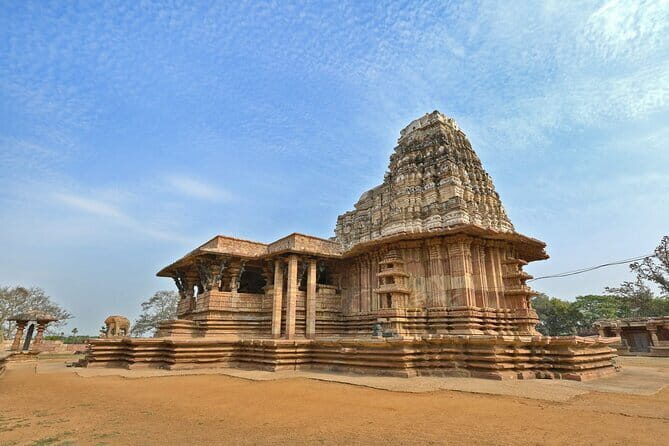
- Ramappa Temple with UNESCO attention: see the Rudreshwara temple’s Shiva connection and hear what an inscription says about its 1213 CE construction.
- Thousand Pillar Temple at Hanamkonda hill: a 12th-century Kakatiya-era stop tied to King Rudra Deva.
- Warangal Fort and the meaning of Orugallu: understand why the city name points to stone, one piece at a time.
- Engineering talk that goes beyond legends: you’ll hear about Kakatiya ideas like floating-brick concepts, sand-box-style techniques, and light effects.
- A guide who works for families: from Srinu to Kusuma Suryakiran, the day’s pacing and explanations land well even with kids asking lots of questions.
- Early start, real payoff: the morning drive adds to the experience, and you feel it before you even reach the first monument.
The drive that sets the tone: Deccan country and exposed batholiths
This tour doesn’t feel like you jump in, park at three temples, then rush out. The morning starts with a drive through the Deccan plateau country—open greenery, village life, and the kind of big-sky scenery that makes the stone temples feel even more rooted. The route also takes you past the region known for some of the world’s most dramatic exposed portions of batholiths—huge rock bodies formed when magma cooled deep underground.
Why does that matter for your visit? Because the Kakatiya monuments aren’t random sightseeing. They are stonework, yes, but they’re also local geology and local materials meeting local ambition. When you later stand in front of detailed stone carving, you start thinking about how this landscape, this stone, and this craft culture all belong together.
If you get motion-sick easily, use your normal precautions—this is a vehicle day with several stops, not a quick hop. But the ride is comfortable thanks to the air-conditioned vehicle included in the tour.
You can also read our reviews of more tours and experiences in Hyderabad.
Ramappa Temple: the Rudreshwara temple and its 1213 CE inscription
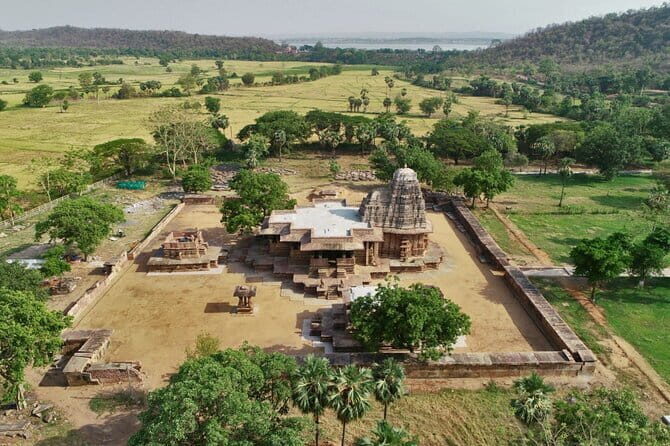
Ramappa Temple is the anchor stop, and it makes sense. It is also called the Rudreshwara temple and it is dedicated to Shiva. Even if you only know the basics, the setting and structure push you to look slower. The temple is recognized as a UNESCO World Heritage site, so you’ll see why people come here specifically rather than treating it as a “one more temple” photo stop.
What I like most is the way your guide helps you connect three things at once: devotion, architecture, and time. You’ll hear about an inscription on-site that mentions construction in 1213 CE and a builder name that starts with Recharl. The date detail gives you a firm historical anchor, and it helps your brain sort what you’re seeing into an actual era instead of a vague old-times feeling.
Then comes the craft talk. The Kakatiya style shows up not just as ornament, but as design thinking. You’ll pick up ideas you can visualize: how elements are proportioned, how stone surfaces were worked for effect, and how the builders considered how the temple would be experienced by people moving through space. Some guides also connect this to broader Kakatiya engineering stories you’ll hear across the day, like sand-box-style construction approaches and light-related effects that still challenge engineers today.
Practical note: this is a temple visit, so expect walking and time on your feet. There’s no sense pretending it’s a fully effortless outing. But the payback is that Ramappa Temple often makes the rest of the day click into place.
Thousand Pillar Temple at Hanamkonda: more than a name
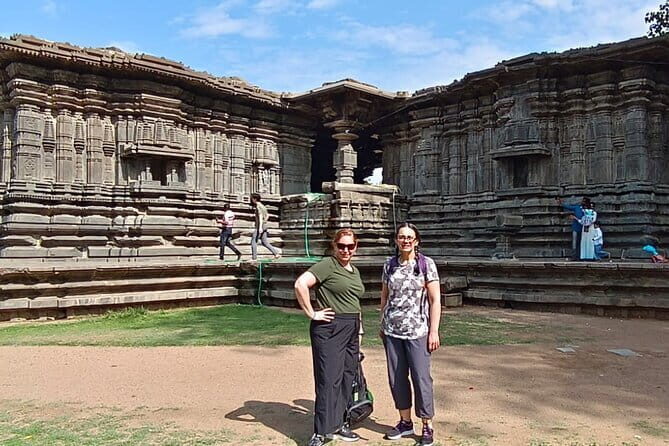
Next up is the Thousand Pillar Temple, one of the most popular places to visit in Warangal. It sits at the base of Hanamkonda hill and dates to the Kakatiya period, built in the 12th century by King Rudra Deva.
Yes, it’s called Thousand Pillar for a reason, and you’ll notice the visual rhythm immediately: columns, repetition, and the kind of stone grid that makes your eyes search for order. But what makes this stop more valuable is how your guide frames the pillars as architecture with purpose, not just a wow factor.
This is where you start hearing the Kakatiya “ideas” that go beyond simple design. The Kakatiya monuments are often discussed through three-part thinking—Temple, Tank, Town—and Thousand Pillar Temple becomes part of that bigger picture. The dynasty wasn’t only building places of worship; it was shaping how communities functioned. When you connect the temple setting to the wider Kakatiya approach, the monuments stop feeling like isolated buildings.
Also, don’t rush. If you try to sprint from one pillar to the next for photos, you’ll miss how the spacing and structure guide your gaze. I like to slow down and let the guide point out key features, because the details are what turn this from a label on a list into a memorable space.
Practical note: this stop can involve more ground walking than you expect. Wear comfortable shoes you don’t mind getting dusty.
Warangal Fort and Orugallu: reading power through a city name
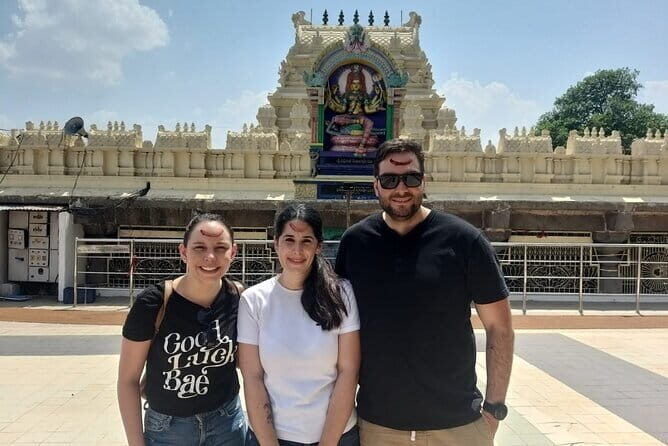
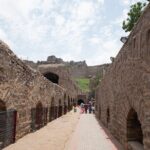
By the time you reach Warangal Fort, the day shifts from temple geometry to city-scale history. The fort dates back to the 13th century, and it helps explain why Warangal mattered long before it became a modern travel destination.
Here’s an especially useful detail your guide can point out: the city’s name comes from the Telugu word Orugallu—where oru means one, and gallu means stone. That word meaning might sound small, but it’s a helpful lens. It reminds you the region’s identity is tied to stone, craftsmanship, and the idea of strength built into everyday language.
At the fort, you typically get time to look at structural remnants and the broader outline of defensive thinking. Even without turning every viewpoint into a history lecture, it gives you context for the temple stops. The Kakatiya era wasn’t only spiritual art; it was also governance, planning, and control—built into towers and walls as much as into shrines.
If you love history that has physical evidence, this stop works. If you prefer purely devotional spaces, you can treat it as a contrast moment: the fort shows the worldly side of the same era that built the temples.
The Kakatiya engineering stories that tie the day together
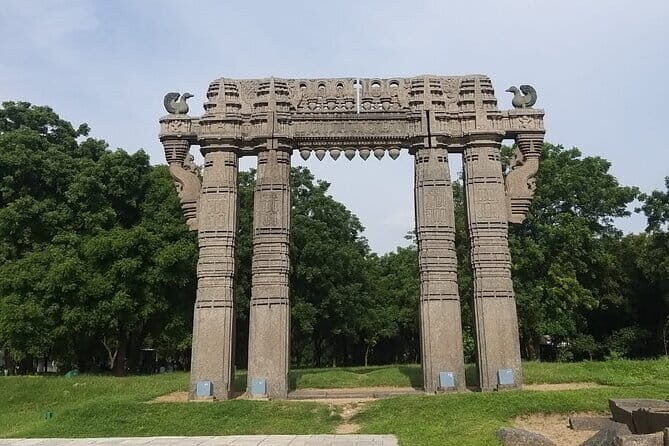
One reason this tour stands out is that the guides connect the monuments through recurring themes, not random facts. You’ll hear about the Kakatiya triple T principle—Temple, Tank, Town. Even if you don’t visit tanks directly on this route, that framework helps you understand what you’re seeing: the dynasty’s buildings weren’t only religious objects; they were part of how communities lived, farmed, gathered water, and organized towns.
You’ll also hear engineering-style stories, including references to floating-brick concepts, sand-box-style technology, and lighting ideas connected to Kakatiya practices. Your guide might explain these as techniques that were practical in their time and still challenging enough to spark questions among young engineers. Whether you think of it as engineering genius or master craft, it adds energy to the tour because it pushes you to look at stone surfaces and structures as problem-solving.
That’s the trick: when you hear the same theme again and again—Temples, water systems in the wider idea, and practical construction—you stop treating each monument as a separate postcard.

Guide impact: Srinu and Kusuma Suryakiran make details click
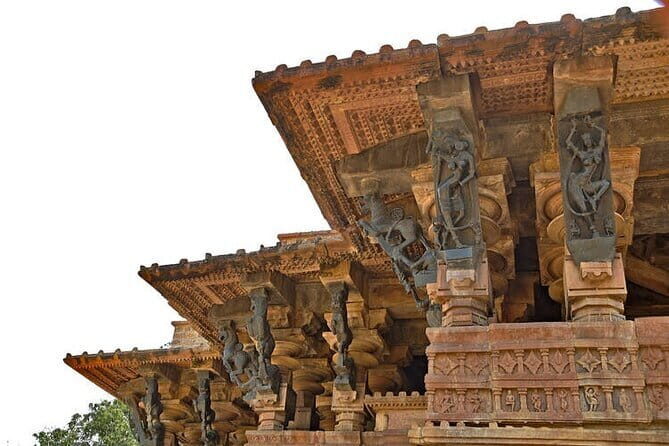
Your day improves dramatically when the guide can translate stone. In the feedback for this tour, names come up again and again—Srinu, and Kusuma Suryakiran. These guides are praised for explaining architectural details and construction techniques in a way that feels clear rather than forced.
What I really value is the patience factor. One family-style experience highlights how the guide handled questions from kids of very different ages. That matters more than you might think. When a guide can slow down for a 1-year-old question and still keep the adults interested, it usually means they’re doing the hard work of pacing and clarity.
You can expect guidance that focuses on sculpture and design choices too, including how to look at carved figures and how the structure supports meaning. One of the strongest comments tied to this tour is that the guide gave enough time for people to gain a better appreciation of the UNESCO monument at Ramappa Temple—basically, you don’t just see it, you understand what you’re seeing.
If you’re traveling with kids, this kind of guide is a huge advantage. If you’re traveling solo or as a couple, the same skill makes the monuments feel human instead of distant.
Timing and pacing: an early start, a full 10 hours
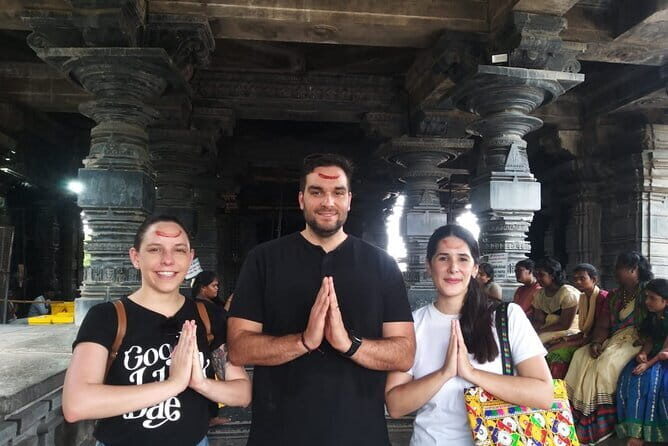
The tour runs about 10 hours, and it starts early—listed at 7:00 am. Some experiences note an even earlier feel, around 6:30 am, which explains why the morning is often part of the charm.
This matters because it affects your comfort. In the morning, the temples can feel calmer, and you have the energy to concentrate. Later in the day, it can be hotter and you might feel more footsore.
You also get lunch included, which is a big help on a day like this. It means you’re not hunting for food between monuments, and it lets you keep momentum. The AC vehicle is another practical win because the drive time doesn’t become punishment.
Fitness note: you only need moderate physical fitness. Still, plan on standing and walking through temple areas. Comfortable shoes are not optional.
Price and value: why $210 includes more than entry tickets
At $210 per person, this tour isn’t positioned as a bargain-basement deal. The value comes from what’s included:
- lunch
- air-conditioned vehicle
- English-speaking guide
- all fees and taxes
- all monument tickets
For a temple-and-fort day, those items add up fast if you tried to arrange them yourself. And the guide is the multiplier. Without a guide who can connect stone carvings, construction methods, and Kakatiya themes, you’d likely spend more time guessing what you’re looking at. With a good guide, your time becomes more rewarding.
One more value angle: it’s a private tour. That means fewer compromises. If you want time to ask questions, pause for photos, or slow down at carvings, your day works around you instead of around a fixed group rhythm.
If you’re the type who likes guided context, this price starts to look fair. If you prefer independent wandering with no structured explanations, you might decide the cost isn’t worth it for you.
What’s included versus not: plan your day around it
Included covers the essentials: transport, guide, lunch, and entry. That keeps your mental load light. What’s not included is personal shopping and tips, so you should keep a little flexibility in your budget for that.
I suggest you also plan for small personal needs like water and basic snacks even though lunch is included. You’ll have a long day and temple pacing can stretch time on-site.
If you rely on a phone for tickets, the mobile ticket is helpful. It also makes your entrance lines smoother compared with paper-only arrangements.
Who this tour is best for (and who should skip it)
This is a strong match for you if you like:
- architecture you can actually explain after the fact
- history that connects to what you see in front of you
- spiritual sites that still feel studied, not just religious photo stops
- family travel where the guide can handle different attention spans
It’s less ideal if you want a slow, open-ended day with no structured timing. Also, if you struggle with walking on uneven surfaces or dislike early mornings, you’ll feel the effort more.
If you’re a first-time visitor to Warangal monuments, this route is efficient. You get the major Kakatiya pillars: Ramappa, Thousand Pillar, and Warangal Fort.
Should you book this Kakatiya temples tour from Hyderabad?
If you want one day that balances devotion, architecture, and a sense of why the Kakatiya era built the way it did, I’d book it. The biggest reason is the guide experience—people mention Srinu and Kusuma Suryakiran for a reason: they help you look at stone with better questions in your head.
Do it if early mornings don’t scare you and if you’re okay with a full 10-hour outing that includes walking and temple time. I’d skip it if you only want quick landmark photos, since the value here comes from learning how each monument connects to Kakatiya ideas like Temple–Tank–Town and the practical construction stories that still spark engineering curiosity.
FAQ
What is the duration of the Kakatiya temples tour?
The tour runs for about 10 hours.
What is the start time and do you offer pickup?
The start time is 7:00 am, and pickup is offered. You’ll also use a mobile ticket.
How much does the tour cost?
The price is $210.00 per person.
Which places are included in the route?
The tour includes Ramappa Temple, Thousand Pillar Temple, and Warangal Fort.
What does the price include?
The price includes lunch, an air-conditioned vehicle, all fees and taxes, an English-speaking guide, and tickets for all monuments.
Is there a fitness requirement?
You should have a moderate physical fitness level for this experience.