REVIEW · NEW DELHI
Half day Heritage Food Walk & Spice Market at Old Delhi – Premium Tour
Book on Viator →Operated by The Bike Tribe · Bookable on Viator
Old Delhi bites start before the first stall. This Heritage Food Walk threads you through Chandni Chowk and ends in the spice chaos of Khari Baoli, with a food-first route built around chaat and the history you pass on the way. Two things I especially like: the mix of flavors across multiple stops, and the way guide Joe ties what you’re tasting to what you’re seeing in the street. One consideration: expect a lot of walking on busy, uneven lanes—wear shoes you trust.
The tour starts easy and keeps getting more fun. You’ll begin with coffee or tea, then shift into street snacks where eating with your hands is common—so you’ll be nudged toward a spoon for comfort (and yes, there’s a reason for the advice). Alongside the food, you’ll visit key heritage points, including a gurudwara stop with admission included, plus classic Chandni Chowk market time.
You’re not joining a crowd fight. This is a private activity (just your group), and it’s designed for a practical half-day—mobile ticket, near public transportation, and a convenient finish near Chandni Chowk Metro Station. The main drawback is simply timing: you’re in the middle of Old Delhi’s pace, so plan your later schedule with a bit of breathing room.
In This Review
- Key highlights you’ll actually feel on the street
- Why this Old Delhi food walk works (and why it costs what it costs)
- Where you start and end: the practical logistics that matter
- First tastes at Old Delhi: how chaat sets the tone
- Gurudwara Sis Ganj Sahib: history you can feel in 40 minutes
- Pasar Chandni Chowk: the 3-hour market stretch that gives you real choices
- Khari Baoli: Asia’s largest wholesale spice market in 45 minutes
- Naughara (Row of Nine Houses): a calmer moment and a story worth knowing
- Coffee, water, snacks, and dinner: what “included” really means
- The guide matters: Joe’s role in making the tour feel big
- Who this Old Delhi heritage food walk is best for
- Quick tips so you can enjoy it more
- Should you book this Heritage Food Walk & Spice Market?
Key highlights you’ll actually feel on the street
- Cha at the start, not as an afterthought: You build your appetite around iconic street dishes first.
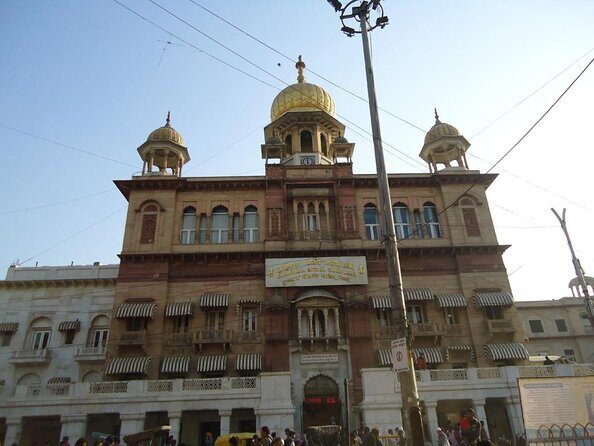
- Temple stop with context: The Gurudwara Sis Ganj Sahib visit adds meaning, not just a photo stop.
- Chandni Chowk market time that’s long enough: You get hours in the lanes, not a quick drive-by.
- Khari Baoli spice market that’s wholesale by default: You’ll see the supply chain energy up close.
- A quick cultural pause at Naughara: Nine-houses (or nine-water-pots) lore gives you a breather from the main hustle.
- Guide Joe’s real-world navigation help: Including support to get you back via metro.
Why this Old Delhi food walk works (and why it costs what it costs)
At $28, this tour is priced like a great street-food deal, not like a formal sit-down meal experience. What you’re buying is time, structure, and someone who knows where to stand and what order to try. In Old Delhi, “where to eat” is everything—because the lanes are a maze and the best bites don’t advertise themselves loudly.
The value also comes from what’s included. You get coffee and/or tea, bottled water, snacks, all fees and taxes, and dinner. That’s a lot to pack into a 3 to 5 hour experience, especially when street eating can otherwise add up fast. You also get a special food tour guide who doesn’t just point—it explains the food logic and the heritage landmarks you pass.
If you’re worried about whether the tour feels too short, treat it as a half-day plan with a realistic Old Delhi rhythm. The pace can stretch depending on how hungry your group is and how long you want to pause. One review called it a deep dive on a six-hour day, so if you like lingering, you’ll probably enjoy the flow.
You can also read our reviews of more walking tours in New Delhi


Where you start and end: the practical logistics that matter
This tour starts at Starbucks coffee in Connaught Place, at A Block, Palika Parking, Radial Road Number 2, next to Hamilton House, Palika Bazar (a clear landmark in a city that can otherwise be hard to orient). You’ll end at Chandni Chowk Metro Station, which is a smart finish if you want an easy exit afterward.
There’s no hotel pick-up and drop-off included by default. The good news is you’re close to public transportation. If you’re staying somewhere like Connaught Place, you’ll likely find the start point manageable. If you’re farther out, make sure your local plan gets you there on time—because starting late in Old Delhi usually means walking faster than you want.
You also get a mobile ticket, which keeps check-in simple. And because it’s private, you won’t be spending your half day herding a mixed bag of strangers.
First tastes at Old Delhi: how chaat sets the tone
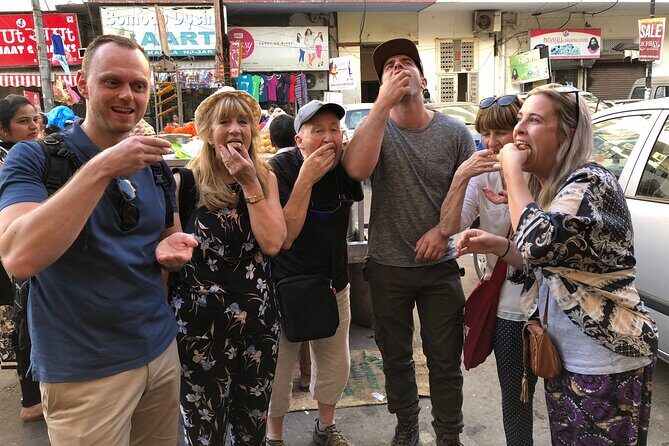
Chaat isn’t just a snack category here—it’s the tour’s engine. You’ll start with it early, before you’re overloaded, and that matters. Chaat dishes are built to be eaten right away: crunchy, tangy, spicy, and layered with sauces and toppings that can’t wait around.
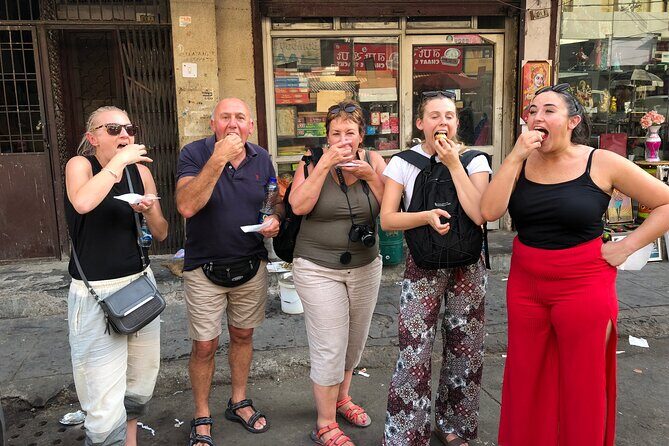
You’ll also get a small cultural education while you eat. The term chaat is explained as tied to the action of licking—because that’s how people traditionally handle some of these bites, especially when they’re messy. The tour even recommends using a spoon, not your fingers, which is a nice courtesy if you’re visiting with kids, prefer cleaner comfort, or simply don’t want your hands to become the main event. (Awkward pause is allowed. Your dinner will thank you later.)
As you move from one stall to another, the guide’s job is to help you notice differences instead of just “more food.” That’s when the experience turns from a hungry walk into a tasting map. You’ll also learn that Old Delhi food isn’t only street snacks—it expands into desserts, beverages, and parathas along the way.
Gurudwara Sis Ganj Sahib: history you can feel in 40 minutes
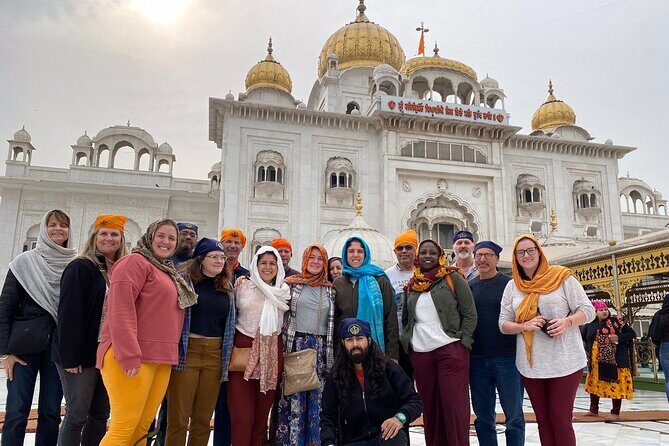
The tour’s first heritage stop is Gurudwara Sis Ganj Sahib, located in Chandni Chowk. It’s a historical shrine and marks the site where Guru Tegh Bahadur, the ninth Sikh Guru, was beheaded in 1675, according to the tour’s explanation.
This is an important contrast to the market energy around it. In 40 minutes, you’re not just killing time for sightseeing—you’re taking in a place with meaning while the food adventure is still fresh in your mind. Admission is included, so you’re not juggling extra tickets while you’re trying to keep your appetite under control.
What to consider: since it’s an active religious site in a dense area, you’ll want to behave respectfully and move with the flow. The tour gives you a structured stop, but the surroundings are still living and busy.
Pasar Chandni Chowk: the 3-hour market stretch that gives you real choices
If Old Delhi has a heart, it’s Chandni Chowk—and this tour gives you time to experience it properly. Pasar Chandni Chowk is the original Chandni Chowk described as a half-moon-shaped square, with a story that connects it to moonlight reflections and a water channel fed from the Yamuna River.
In practical terms, that 3 hours is the difference between a token walk and an actual food-and-market experience. You’re not just passing through; you have time to understand how the stalls work, how vendors interact, and how different food areas develop their own rhythm.
This is also where your guide’s food knowledge becomes most valuable. In a market this dense, you can easily miss great options by guessing. With a guide, you’re more likely to hit multiple vendor stops and sample a broader range of flavors—chaats, desserts, beverages, and other street favorites.
Possible drawback: three hours in Chandni Chowk can feel like sensory overload if you’re sensitive to crowds and strong smells. You’ll likely want water nearby (you’ll have bottled water on the tour), and you’ll want to pace yourself so the later spice market still feels exciting.
You can also read our reviews of more food & drink experiences in New Delhi




Khari Baoli: Asia’s largest wholesale spice market in 45 minutes
Then you hit Khari Baoli, known for wholesale grocery trading and specifically for Asia’s largest wholesale spice market. This stop is 45 minutes, and it’s an excellent match for what this tour does best: turn a sightseeing point into a food-focused education.
What makes Khari Baoli special is the “wholesale” angle. Many spice markets you’ll see elsewhere feel like tourist displays. Here, you’re walking through a working supply hub—spices, nuts, herbs, and food products like rice and tea. Even if you don’t buy much, you’ll understand how Old Delhi feeds itself.
You’ll also get context on what spices do in street cooking—why certain flavors show up again and again in chaat and other snacks. The goal isn’t to make you a spice scientist; it’s to make the flavors you sampled earlier start making sense.
Consideration: spice markets are intense. If you’re sensitive to strong aromas or dust, keep your head level and move steadily. Short stop time helps, but it’s still a concentrated burst of smell and sound.
Naughara (Row of Nine Houses): a calmer moment and a story worth knowing
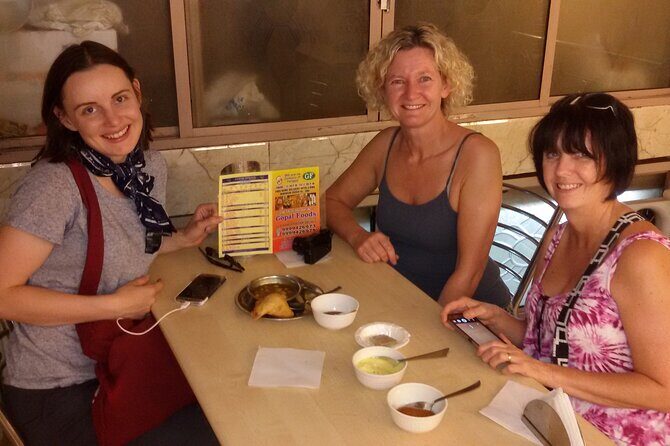
Naughara is described as the row of nine houses, with the name nau translating to nine (ghar for homes). One other version says it comes from nine pots (ghara) of water kept out for thirsty travelers. Either way, it’s presented as a charming galis of Shahjahanabad, with a 30-minute stop.
This is a smart pace-break. After Chandni Chowk and Khari Baoli, you want a moment where you’re not being pulled along by hunger and noise. Naughara gives that, while still feeding the heritage theme of the tour.
The practical value here: it’s also a chance to reset between tasting stops—take a breath, look at the lanes, and let your group regroup before you move on.
Coffee, water, snacks, and dinner: what “included” really means
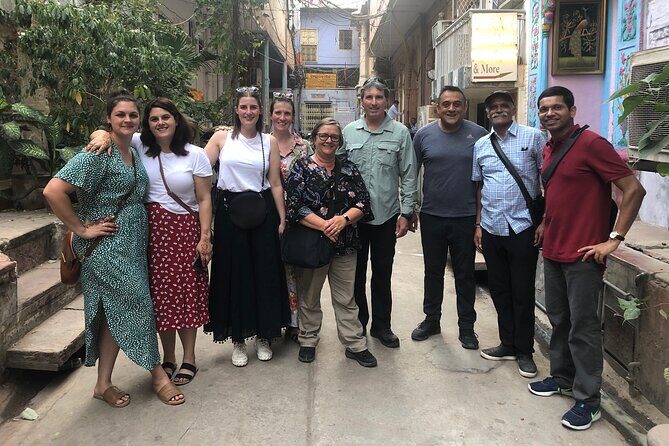
Here’s what’s listed as included: coffee and/or tea, bottled water, snacks, all fees and taxes, a special food tour guide, and dinner. For many food tours, “dinner included” can mean a small bite or a light add-on. Here, it’s at least clearly part of the plan—so you don’t have to scramble for a meal right after.
You should still budget a little for personal extras, though. The tour data doesn’t specify shopping, additional drinks beyond what’s included, or costs from vendors not counted in the snack plan. If you love to sample and also like to buy spices, plan to spend some of your own money at Khari Baoli.
Also, because the route includes chaat that can be eaten with your hands, bring a plan for comfort. Even though the tour recommends a spoon, not everyone’s appetite matches their preferences. If you hate sticky foods, commit to the spoon early.
The guide matters: Joe’s role in making the tour feel big
One of the best signs of a good guide is whether the tour helps you understand what you’re seeing and also helps you not get stuck. This tour is known for doing both. In one account, the guide Joe provided lots of insight, history, context, and fun, and even helped the group navigate the metro to get back to the airport.
That tells you the tour isn’t just “food stops plus a script.” It’s a guided path with practical support at the end of your day, which is a big deal when you’re dealing with a major transit hub like Chandni Chowk.
For you, this means better pacing and better tasting. When someone explains what you’re about to eat and why it belongs here, you taste more and forget less.
Who this Old Delhi heritage food walk is best for
This tour fits you if:
- You want street food with structure, not random hunting
- You like pairing eating with short heritage moments
- You’re comfortable with crowded lanes and walking
- You appreciate a guide who gives context, not just directions
It might be less ideal if:
- You hate spice aromas or strong market smells
- You need very quiet, low-stimulation sightseeing
- You have mobility limits that make uneven sidewalks hard to manage
Because it’s private and most travelers can participate, it’s also a solid option for families or friend groups who want a shared plan rather than everyone wandering.
Quick tips so you can enjoy it more
Old Delhi is fun when you keep it simple:
- Wear comfortable shoes you can walk in for hours.
- Keep water in mind even though bottled water is included.
- If you’re not into messy eating, use the recommended spoon early.
- Come hungry. This isn’t a single snack; it’s multiple tastings plus dinner.
- Plan your next appointment with a little flexibility, since you’ll be moving through a busy area.
Should you book this Heritage Food Walk & Spice Market?
I’d book it if your goal is to eat your way through Old Delhi with a guide who connects the food to the places. The biggest wins are the early chaat start, the meaningful stop at Gurudwara Sis Ganj Sahib, and the chance to see Khari Baoli as a real working wholesale spice market—not just a place to take photos.
Skip it or reconsider if you’re looking for a calm, minimal-walking experience, or if you want a tour that’s mostly about museums and slower pacing. This one is made for hungry curiosity, guided snacking, and a practical finish near the metro.
If you do book, you’ll get a strong mix of flavors, heritage landmarks, and that helpful local know-how that can turn a chaotic neighborhood into a clear, enjoyable route.