REVIEW · MUNNAR
Fullday Trekking in munnar (munnar valley Trekking & Tours)
Book on Viator →Operated by munnar valley trekking & tours · Bookable on Viator
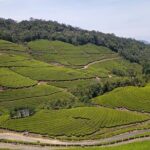
A hill walk in Munnar can feel like a travel cheat code. You get tea-plantation views and a full day moving through real working farms—grassland, forest edges, rocks, coffee, cardamom, and spice plots. The standout for me is that you’re not just looking at greenery; you’re walking between it.
I also like the simple rhythm: a morning climb to the tea views, a mid-day food break, then more farm-and-village walking until late afternoon. One thing to consider: this is a long day with about 21 km on your feet, so you’ll want solid shoes and a moderate fitness level.
In This Review
- Key Things That Make This Trek Special
- Starting at Rijo Villa: timing, route feel, and what “full day” means
- 1550 m to 2100 m: the tea plantation morning climb and breakfast views
- 10:30 am farm trail: grassland to coffee, cardamom, and spice plots
- 1:00 pm lunch break: refuel before the village-and-farm afternoon
- 2:00 pm to 4:00 pm: small villages, coffee farms, and the slow “home stretch”
- Price and value: what $18 gets you for a 9-hour day
- How hard is this walk? Fitness tips that match the 21 km reality
- Guide experience with Kumar: learning plants and keeping the pace friendly
- Weather matters in Munnar: plan for change, keep your flexibility
- Should you book this Munnar full-day trek?
- FAQ
- What time does the trek start in Munnar?
- Where do we meet for the trek?
- How long is the full-day trekking experience?
- How far do we walk?
- What’s included in the price?
- Is the group size limited?
- Can I cancel and get a full refund?
- What should I bring or consider regarding fitness?
Key Things That Make This Trek Special
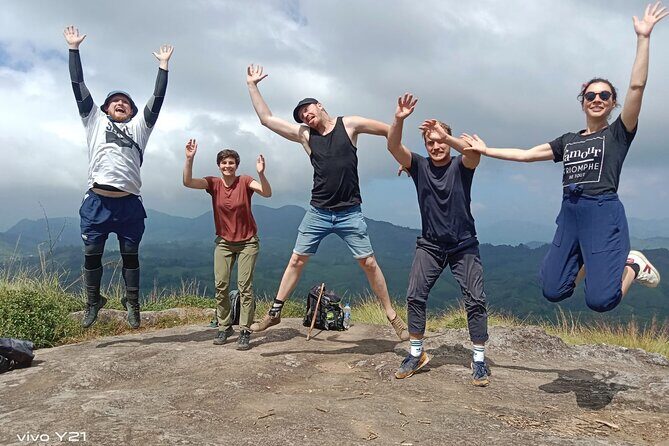
- 7:00 am start from Rijo Villa near the KSRTC bus stand area, so you’re in motion early
- Climb from ~1,550 m to ~2,100 m for a tea plantation and valley-view morning
- Tea plantation entry + guide included, so you’re not piecing things together
- Coffee, cardamom, and 15 kinds of spice plantations in one working-farm route
- Breakfast, lunch, fruits, snacks, and a water bottle included for a smoother day
- Small group (max 10 travelers), which helps the guide keep things moving
Starting at Rijo Villa: timing, route feel, and what “full day” means
Your day begins at 7:00 am at Rijo Villa (Nature Glade Cottage), near the KSRTC bus stand, on Amman temple street behind Sree paravathi, Moolakadai, Munnar. You’re close to public transport, which matters because this trek does end back at the meeting point.
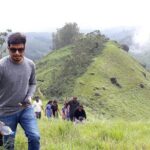
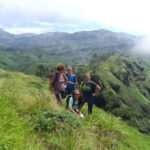
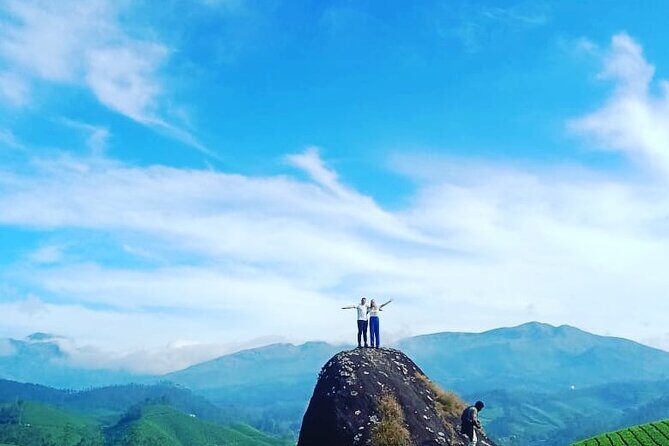
From the first minutes, it’s clear this isn’t a quick sightseeing loop. You start at around 1,550 metres and walk upward through a mix of tea plantation, grassland, forest, and rocky sections. The goal is to reach the top area by about 9:30 am, then settle into a morning break with tea-field views.
Also, note the pacing structure: there’s a climb, then walking again, then food, then more walking through farms and small village areas. That sequence keeps energy from crashing all at once—but it still adds up to a long day.
You can also read our reviews of more hiking tours in Munnar

1550 m to 2100 m: the tea plantation morning climb and breakfast views
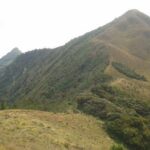
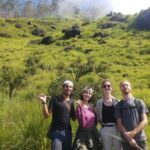
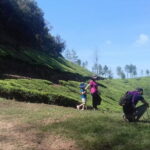
The morning leg is the payoff. You’ll walk from roughly 1,550 m up to about 2,100 m, reaching the higher viewpoints around 9:30 am. The route is described as moving through tea plantations, grassland, forest, and rocks, which is exactly what makes the climb more interesting than a single uniform trail.
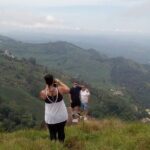
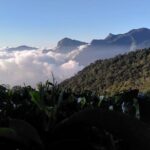
At the top, you’ll get time for a tea plantation view plus the broader nature valley view. Then you’ll have your breakfast there. That combination—walking to the viewpoint first, then eating with the scenery right in front of you—is a great way to make the morning feel like more than just exercise.
One practical point: since you’ll be higher up near the tea fields, you’ll likely want to dress in layers. Even if Munnar feels pleasant lower down, the higher elevation can be cool, especially if weather is changeable.
What’s valuable here is the order. You’re not spending your best light hours just commuting or waiting. You’re already walking, and the viewpoint arrives early enough to still feel fresh.
10:30 am farm trail: grassland to coffee, cardamom, and spice plots

After breakfast, the day restarts at about 10:30 am. This stretch is where the trek turns into a tour of how the landscape is actually used.
You’ll walk through:
- Grassland
- Coffee plantations
- Cardamom plantations
- 15 kinds of spice plantations
That detail matters. “Spice garden” can sound like a theme-park word. Here, it’s more practical: different plants, different textures, and a sense of how farmers manage multiple crops in the same broader region. Even when you’re just walking, you’ll notice how the paths and clearings change as the plant types change.
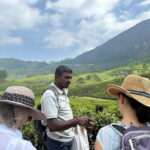
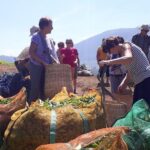
This is also the section where a guide’s explanations can really help. In one account, Kumar stood out for talking about the plants and animals you might see along the way, and for taking time to help the group get good photos. If you care about learning what you’re actually looking at, this middle stretch is your best window.
One caution: if you want back-and-forth Q&A, keep your expectations realistic. Kumar’s English isn’t described as perfect, so you may get more value if you ask simple questions or focus on what you can see with your own eyes. Still, his knowledge and photo help sound like a big part of what makes the experience feel smooth.
1:00 pm lunch break: refuel before the village-and-farm afternoon
Lunch lands at about 1:00 pm. You’ll be eating after the long morning walk through tea-related and spice/coffee/cardamom areas, and then you’ll continue walking again afterward.
I like that lunch is scheduled right when you’d probably start to feel the day’s distance. After lunch, the trek shifts toward small village areas and coffee plantations and many farms, running until roughly 4:00 pm.
Lunch is also where the included food becomes part of the value equation. You’re not hunting for meals mid-trek, and you’re not rationing snacks because the schedule was vague. Instead, you know there’s a planned pause—breakfast and lunch are both included, plus fruits and snacks.
2:00 pm to 4:00 pm: small villages, coffee farms, and the slow “home stretch”
The afternoon route is different in feel. After the heavier crop focus of the morning, you’ll walk through small village coffee plantations and many farms up to around 4:00 pm.
This is often the most “human” part of a trek day: you’re still surrounded by plants, but the setting tends to feel more lived-in. Even without extra sightseeing stops, the rhythm changes as you move from open viewpoints toward farm paths that feel closer to daily work.
By this stage, you’ll likely notice how your body handles altitude and distance differently than earlier. The route continues on until late afternoon, so bring the same attention to footing you had in the morning. Rocks and uneven ground were part of the overall route description, and that can show up again later.
At 4:00 pm, you’ll head back to the starting point by transportation. The walking distance is described as about 21 km total, which gives you a sense of why the day is structured with two main meals and snack support.

Price and value: what $18 gets you for a 9-hour day
Let’s talk value without hand-waving. $18 for roughly a 9-hour trek that includes:
- Guide
- Breakfast and lunch
- Fruits and snacks
- Water bottle
- Entry ticket for tea plantation
- Mobile ticket
…is genuinely strong value, especially compared with tours that only give you a viewpoint and a short walk.
Where the low price helps you most is predictability. You’re not paying extra for entry, food, or guide time on top of the basic trek cost. The included water bottle and snacks also help you avoid the common “tired and thirsty” spiral that ruins a long walk day.
The trade-off for that value is that the route isn’t marketed as a fancy, low-effort hike. It’s a real 21 km walk. So you’re paying less because you’re doing more of the physical work yourself—and you should be comfortable with that before you book.
How hard is this walk? Fitness tips that match the 21 km reality
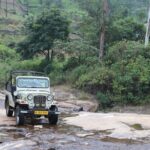
The trek asks for moderate physical fitness. That’s a fair phrase because the day is long, and the route includes mixed terrain: tea plantation paths, grassland, forest sections, and rocks, plus a meaningful climb to about 2,100 m.
Here’s how I’d plan for it practically:
- Wear shoes with solid grip. Rocks and uneven ground are part of the route description.
- Take your pace seriously between 10:30 am and lunch. That’s usually when people underestimate distance.
- Keep some mental energy for the afternoon. The last stretch from around 2:00 pm to 4:00 pm continues through villages and farms, so you’ll still be walking even after the midday meal.
Also, you’re in the mountains. Even when you feel fine early, the long duration can catch up. If you’re the type who needs frequent breaks, this schedule may feel tight.
Guide experience with Kumar: learning plants and keeping the pace friendly
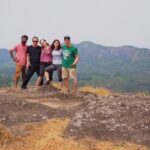
A big part of why this trek scores well is the guide experience. One highlight named Kumar as especially helpful—he walked with the group through the tea fields and hill areas, explained areas and plants/animals you could see, and took plenty of photos.
There’s also a realistic note: Kumar’s English isn’t great, so don’t count on deep back-and-forth explanations. But you can still get value because the guide’s knowledge seems strong and the photos help capture the day’s best moments.
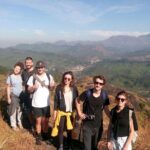
Group size is capped at 10 travelers, which generally makes it easier for a guide to manage pace and keep everyone together. For a long trek, that’s not a small detail.
Weather matters in Munnar: plan for change, keep your flexibility
This tour needs good weather. That means if conditions are poor, the experience can be canceled and you’ll be offered another date or a full refund. In tea-growing areas of Munnar, weather can shift fast, so it’s smart to check the forecast close to departure day.
If you’re visiting during a season when rain or fog is common, keep your itinerary flexible. This is one of those days where you want visibility for the viewpoints.
Should you book this Munnar full-day trek?
I’d book this trek if you want a real working-farm walk—tea fields, coffee, cardamom, and spice plantations—without turning it into a complicated, multi-ticket puzzle. The 21 km walking distance, paired with breakfast and lunch included, makes it a strong choice for value-minded travelers who don’t mind getting their shoes dirty (politely).
Skip it or choose another option if you:
- dislike long walking days and prefer short scenic stops
- have low stamina for hill climbs
- need a guide with very strong English for lots of discussion
If you go in expecting a full day of walking with two meaningful meals and a guide who helps you notice plants and takes photos, this can be a memorable Munnar experience.
FAQ
What time does the trek start in Munnar?
The start time is 7:00 am.
Where do we meet for the trek?
You meet at Rijo Villa (Nature Glade Cottage) near the KSRTC bus stand, Amman temple street, behind Sree paravathi, Moolakadai, Munnar, Kerala 685612, India.
How long is the full-day trekking experience?
It runs for about 9 hours (approx.), starting at 7:00 am and finishing back at the meeting point.
How far do we walk?
The total walking distance is about 21 km.
What’s included in the price?
The trek includes a guide, breakfast and lunch, fruits and snacks, a water bottle, and entry ticket for the tea plantation.
Is the group size limited?
Yes. The tour has a maximum of 10 travelers.
Can I cancel and get a full refund?
Yes. You can cancel up to 24 hours in advance for a full refund.
What should I bring or consider regarding fitness?
The trek is best for people with moderate physical fitness. Good footwear and comfort for a long walk are important since the route includes hills and rocky areas.