REVIEW · MUNNAR
Munnar: Tea trail, Tea Factory, and Tea Tasting Tour
Book on GetYourGuide →Operated by Munnar Info · Bookable on GetYourGuide
Tea country in Munnar hits different when you walk it. This Tea Trail + Lockhart Tea Factory + tasting tour turns the usual photo stop into a guided look at how tea is grown, processed, and finally poured into your cup. You’ll get the stories and the sensory details, not just dates and diagrams.
Two things I really like: the guided tea plantation walk (with explanations you can actually picture in your head), and the hands-on, step-by-step factory visit that makes the traditional Orthodox process feel real. One thing to consider: you’re walking on uneven ground and you’ll be up close to busy factory rooms, so it’s not the best pick if mobility is an issue.
In This Review
- Key Highlights Worth Planning For
- Tea Trail Walks in Munnar: More Than a Pretty Terrace Stroll
- Lockhart Tea Factory & Museum: Seeing Orthodox Tea Made Step by Step
- Tea Tasting in Munnar: Learn to Read Black, Green, and Specialty Notes
- Traditional Tea Manufacturing: Connecting the Plant to Your Cup
- Price and Value: Why $13 Can Work in Munnar
- Timing, Meeting, and What to Bring (So You Don’t Lose Time)
- Who This Munnar Tea Trail Tour Fits Best
- Should You Book This Tea Trail and Tea Tasting Tour?
- FAQ
- How long is the Munnar Tea Trail, Tea Factory, and Tea Tasting tour?
- What is included in the tour price?
- Do I need my own transportation to get to Lockhart Tea Factory?
- What language is the tour guide?
- What should I bring, and what is not allowed?
- Is this tour suitable for people with mobility impairments?
Key Highlights Worth Planning For
- Tea trail walk with real-world context on plucking, cultivation, and plantation life
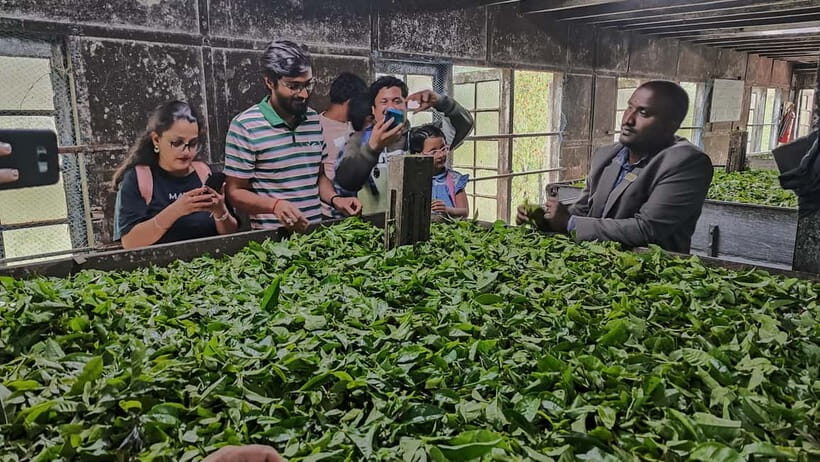
- Lockhart Tea Factory & Museum visit with a clear look at the manufacturing process
- Guided tasting session where you sample and learn to identify differences
- Culture and community connection, including interactions tied to tea pluckers
- Tea store shopping option at the end without sales pressure
Tea Trail Walks in Munnar: More Than a Pretty Terrace Stroll
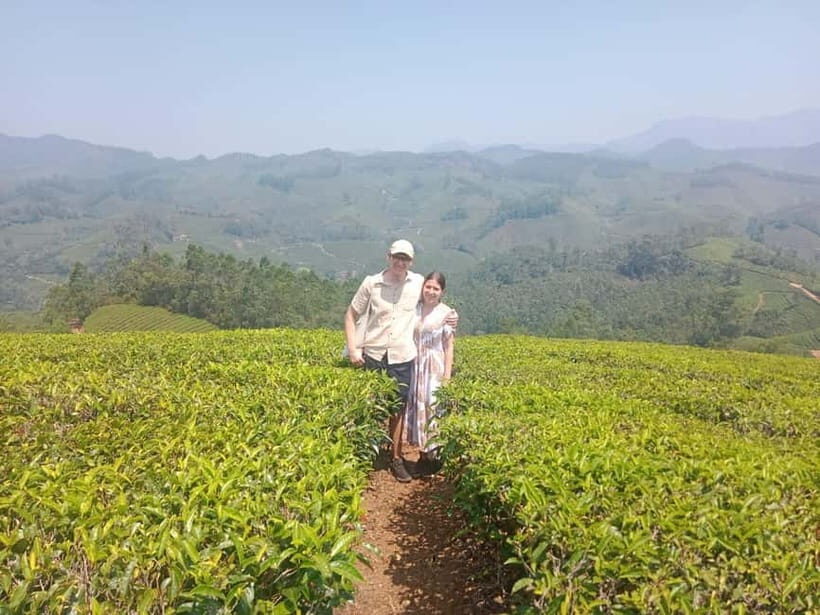
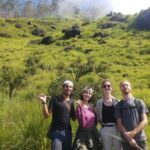
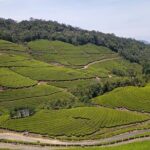
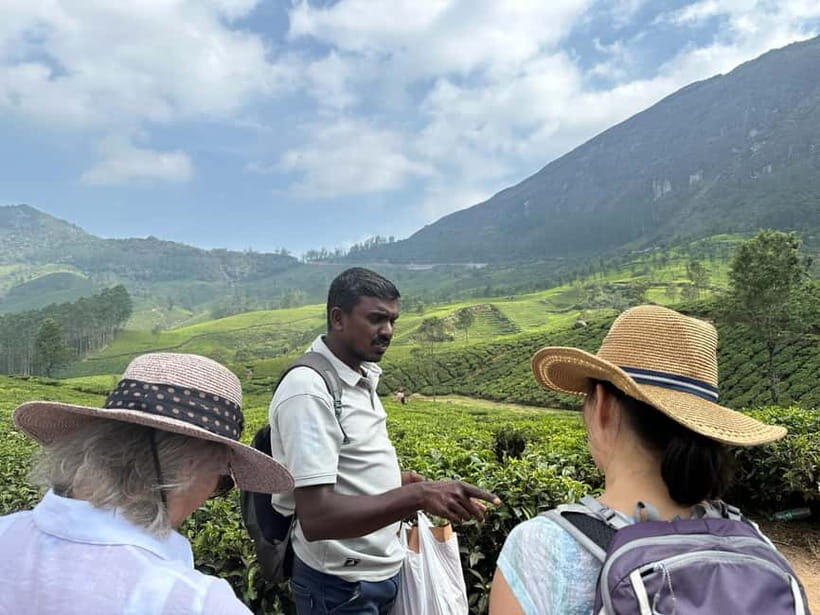
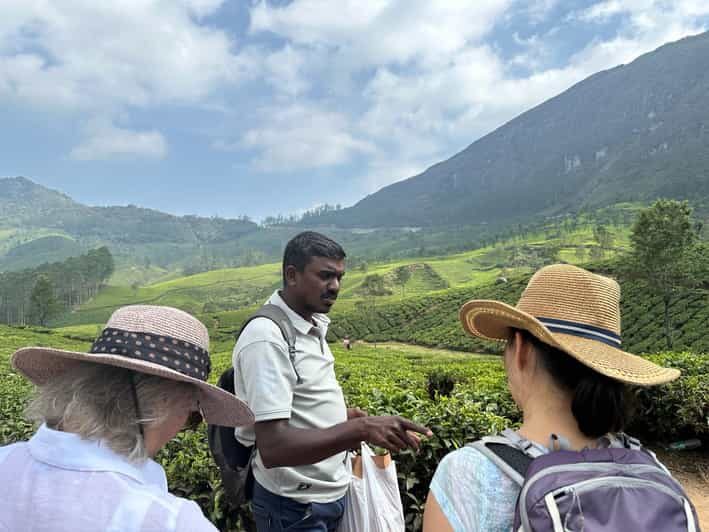
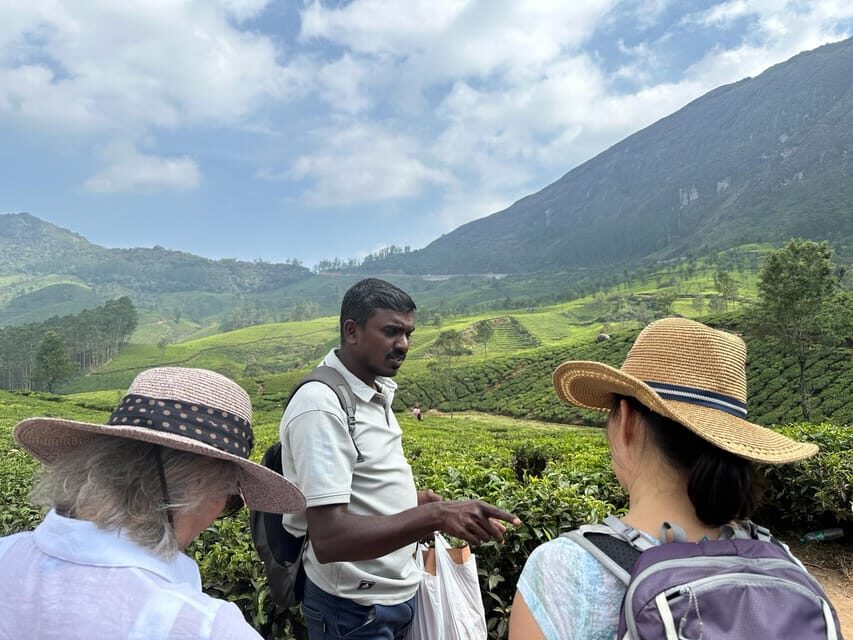
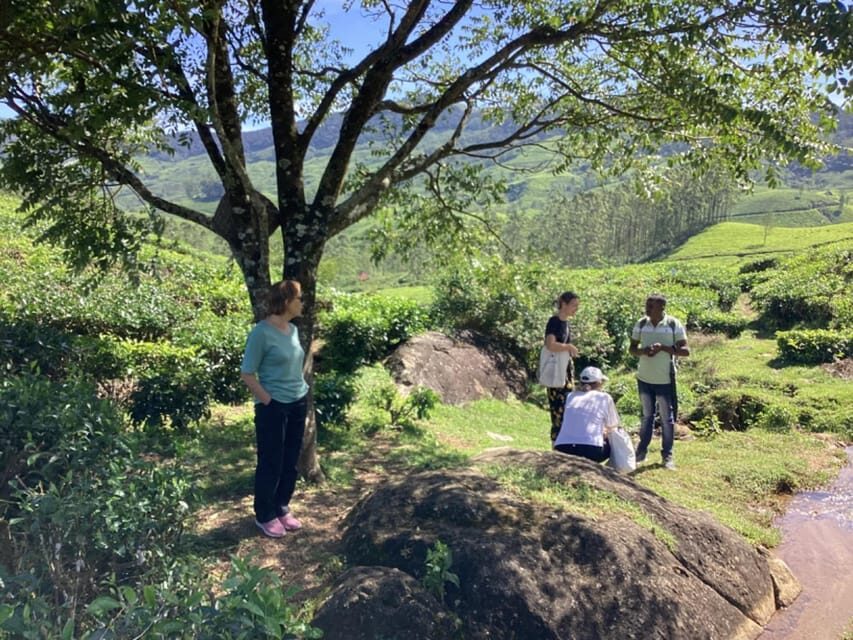
The best part of this tour starts before you ever reach the factory. You step into Munnar’s tea fields for a guided walk that’s built around how tea is actually grown and maintained. Expect rolling terraces, fresh mountain air, and those near-silent moments where you can hear your footsteps over the path and the wind moving through leaves.
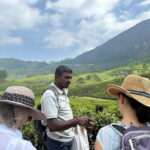
What you learn here matters. It’s easy to think tea is just leaves in hot water. The plantation walk changes that. Your guide will talk about cultivation and harvesting, plus the daily rhythm that tea farming brings to the area. If you get a guide like Mari (a name that shows up repeatedly), you’ll likely notice how smoothly the tour connects practical info with local culture. Other English-speaking guides are mentioned too, so the style may vary, but the goal stays the same: help you understand what’s happening in the plant, not just what’s happening on a label.
You also get the “rules of the garden” vibe quickly. You’re not allowed to touch plants, so come ready to look, smell, and ask questions—not to grab a leaf like it’s a souvenir. Wear comfortable shoes because you’ll be on uneven surfaces. This isn’t a flat promenade, and it’s not a stroller-friendly route.
One more practical note: the tour runs about 3 hours total, so you won’t have hours and hours to wander on your own. The walking portion is designed to be educational and paced, not an endless hike. If you like a focused walk with stops for explanations and photos, you’re in the right place.
You can also read our reviews of more food & drink experiences in Munnar

Lockhart Tea Factory & Museum: Seeing Orthodox Tea Made Step by Step
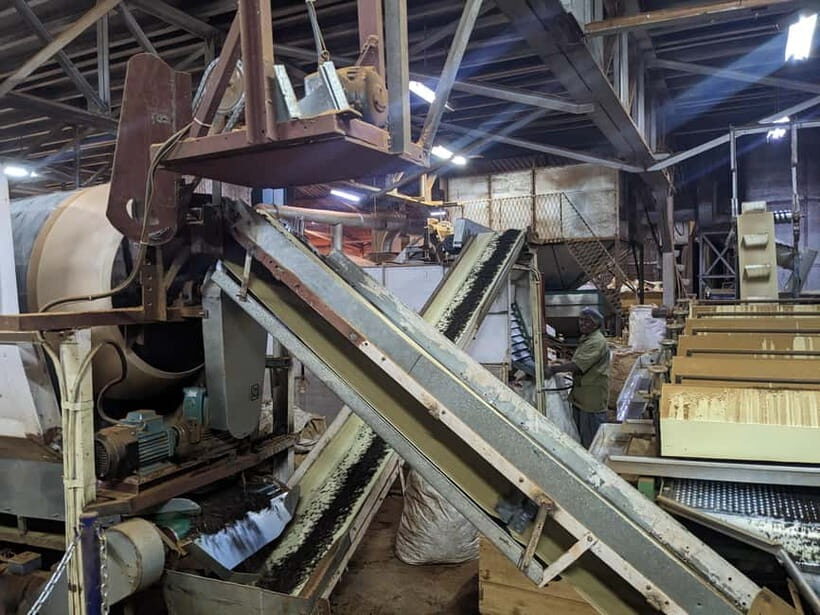
After the tea trail, you move into the Lockhart Tea Factory, one of the older functioning factories tied to Munnar’s tea story (the museum and factory are described as established in 1936). This stop is where your brain finally gets a “so that’s why” moment.
You’ll go room by room through the processing stages. Instead of a quick exterior photo and a brochure, you get to watch how leaves go from harvested material to finished tea. The experience focuses on traditional methods, including Orthodox-style tea-making, plus vintage machinery and museum-style exhibits that explain how tea in Munnar has evolved over time.
And yes, there’s a smell. Fresh tea leaves have a scent that feels stronger inside a factory space than it does outside on a hillside. It’s part of why this visit sticks with you. You don’t just learn; you notice.
Group size can affect how easy it is to hear. Some tours run with small groups; other moments bring in more people at the factory. The factory has machinery noise, so if you’re sensitive to loud environments, plan to rely on your guide’s key points and your own attention rather than expecting perfect quiet conversation.
If you’re choosing between “factory only” and “factory plus tea trail,” I’d pick this combo every time. The plantation walk gives you context for what you’re seeing later. Without that, factory explanations can feel like steps in a process chart. With the walk, you get the plant story first, then the manufacturing story.
Tea Tasting in Munnar: Learn to Read Black, Green, and Specialty Notes
The tasting session is short by design, about 30 minutes, but it’s built to teach you how to notice differences. You’ll sample several grades of tea coming out of the factory. In practice, people often report tasting roughly 5–6 teas, and the guide will help you compare aromas and flavor directions as you go.
The useful part isn’t just sipping. It’s learning a method. You’ll get guidance on how to identify taste and aroma, plus how texture and mouthfeel can shift between black, green, and specialty types. Your guide will also share brewing secrets, so you can repeat the experience later rather than treating it like a one-time event.
You’ll also hear about why tea is consumed, including origins of tea for consumption and mentions of health benefits. Keep it grounded: the tasting isn’t a medical claim session, but it does give you cultural and practical context for why tea matters here.
One nice detail at the end: there’s a factory store where you can buy tea. The tour flow is described as not pushy. If you want to pick up a few tins to bring home, it’s easy to do right after tasting when you still remember the flavors you liked.
Traditional Tea Manufacturing: Connecting the Plant to Your Cup
This tour earns its value by connecting the dots. Many tea experiences give you one of these: a scenic walk or a factory visit or a tasting. Here, you get all three in about 3 hours, which means your learning stays connected instead of scattered.
Here’s the mental map you end up with:
- On the plantation, you learn how tea grows and how harvesting works.
- In the factory, you see how tea leaves get processed through traditional Orthodox-style methods.
- In the tasting, you taste the results and learn how terroir and processing choices affect what you experience in the cup.
That last part is a big deal. Terroir is a word people toss around. In this tour, you get a practical version of it: mountain growing conditions and cultivation practices influence the tea character, then processing shapes the final flavor profile. Once you’ve tasted and discussed differences with a guide, those concepts stop being abstract.
You may also notice your guide pointing out other flora and the local ecology along the way. Some tours are described as including explanations beyond tea, which makes the walk feel like a light naturalist experience, not just an agriculture lesson.
Price and Value: Why $13 Can Work in Munnar
At about $13 per person for roughly 3 hours, this tour can be strong value—mainly because it bundles the stuff that usually costs extra when you plan it yourself: guided walking time, entry into the factory experience, and a tasting session.
What’s included:
- Guided plantation walk
- Tea tasting session
- Visit to Lockhart Tea factory
- All entry fees
What’s not included:
- Transportation to and from Lockhart Tea Factory
- Meals and drinks
That last line matters for budgeting. If you’re staying near Munnar town and you can cover transport without stress, the tour cost stays simple. If you’re far from the factory and need a private driver, you’ll want to factor that in. Some guests note tuk tuks may be arranged during the day between plantation and factory, but the tour itself doesn’t promise transfers from your homestay to/from the start point and end point as part of the base price.
So here’s the value check you should do: you’re paying for guided learning plus factory access plus tasting. If you enjoy food and drink education, that’s a solid deal for a short block of time. If you’re only interested in taking scenic photos and you don’t care about tea details, you might feel the time is “too educational.” For most people coming to Munnar for tea country, it lands right.



Timing, Meeting, and What to Bring (So You Don’t Lose Time)
This tour is timed tightly: about 3 hours total, with you reporting about 5 minutes early at the start. One important heads-up is that mobile connectivity may be unreliable, so connect with the guide or team at least 1 hour before the tour starts. In practice, that means you don’t wait until the last minute to confirm where you’ll meet.
What to bring is straightforward and honestly worth taking seriously in Munnar’s sun:
- Comfortable walking shoes
- Hat
- Sunscreen
- Water
The tour includes uneven surfaces and walking, so shoes matter more than style. Also, you’ll want water because the plantation walk isn’t a short sit-down stop. It’s a guided walk with explanations, and you don’t want to feel sluggish halfway through.
What not to do: don’t touch plants. It’s a tour rule and it’s part of keeping the plantation respectful and safe for both you and the tea workers and plants.
If you have mobility impairments, it’s not suitable, and wheelchair users are also noted as not compatible with the walking setup. This is a walking tour first, not a bus loop.
Who This Munnar Tea Trail Tour Fits Best
You’ll likely love this tour if you:
- Want a guided tea experience that actually teaches you something
- Enjoy walking in the open air and want meaningful stops, not just photos
- Like learning how everyday products are made, from plant to factory to cup
- Have limited time and want a full tea storyline in about 3 hours
This also fits well if you’re traveling solo or in a small group that enjoys discussion. Some groups are described as small and intimate, where you can hear and interact easily. Other parts of the day may involve larger groups at the factory, so if you need a quiet, one-on-one setting, aim for a calmer time slot if that’s an option when you book.
If you’re a tea fanatic, you’ll probably enjoy comparing black vs green vs specialty notes with a guide who explains what you’re tasting. If you’re just curious, you’ll still get enough structure to leave with clear takeaways about cultivation, processing, and tea character.
Should You Book This Tea Trail and Tea Tasting Tour?
If you’re in Munnar and you care about tea beyond the souvenir tins, I think it’s an easy yes. The strongest reason to book is the pacing: plantation walk first, then the Lockhart Tea Factory process, then tasting while the lessons are fresh. That order makes the whole thing click.
Skip it only if you strongly prefer minimal walking or you’re not interested in learning tea-making details at all. Since it’s not suitable for mobility impairments, don’t gamble with hope—you’ll only end up frustrated.
For a short visit to Munnar, this is a smart way to spend a half day: educational, practical, and tied to a real factory experience rather than a generic tour circuit.
FAQ
How long is the Munnar Tea Trail, Tea Factory, and Tea Tasting tour?
It runs for about 3 hours.
What is included in the tour price?
You get a guided plantation walk, the Lockhart Tea Factory visit with entry included, and a tea tasting session.
Do I need my own transportation to get to Lockhart Tea Factory?
Transportation to and from Lockhart Tea Factory is not included. During the experience, movement between plantation and factory may be arranged, but you should plan for your own transfer if you’re coming from farther away.
What language is the tour guide?
The live tour guide speaks English.
What should I bring, and what is not allowed?
Bring comfortable shoes, a hat, sunscreen, and water. You’re not allowed to touch plants.
Is this tour suitable for people with mobility impairments?
No. It involves walking on uneven surfaces and is not suitable for people with mobility impairments or wheelchair users.