REVIEW · NEW DELHI
Authentic Afghan Meal with Refugee Family: A Unique Experience
Book on Viator →Operated by Delhi Daily Life · Bookable on Viator
There are meals, and then there are meals with a mission. This Afghan home meal in Delhi puts you at the center of family hospitality with Zareen and her relatives. You get food, yes, but you also get real conversation and a window into how people rebuild after war.
I especially like two things: the Afghan cooking (Kabuli Pulao, Bolani Banjan, and kebabs are on the menu) and the warmth of Zareen’s household. The family treats the table like a place to connect, so you’re not rushed and you’re not just there to eat.
One thing to plan for: the home involves 75 steps and there’s no lift. If you have a knee issue or you need step-free access, this may not be the best choice.
In This Review
- Key Highlights Before You Go
- Why This Afghan Home Meal in Delhi Feels Different
- Meeting Zareen’s Family: What Happens at Arrival
- The Real Menu: Kabuli Pulao, Bolani Banjan, and More
- How the Meal Turns Into a Shared Moment
- Cultural Conversation: Stories, Persian Roots, and Everyday Rebuilding
- Price and Value: What $30 Really Buys
- Getting There: Malviya Nagar Logistics That Matter
- Who Should Book This and Who Should Rethink It
- Should You Book This Afghan Refugee Family Meal in Delhi?
- FAQ
- What time does the Afghan meal start?
- How long is the experience?
- Where is the meeting point?
- Is there a vegetarian or vegan option?
- Is this a private tour or shared group activity?
- Is there a lift or is it mostly stairs?
- Are service animals allowed?
- Can I cancel and get a refund?
Key Highlights Before You Go
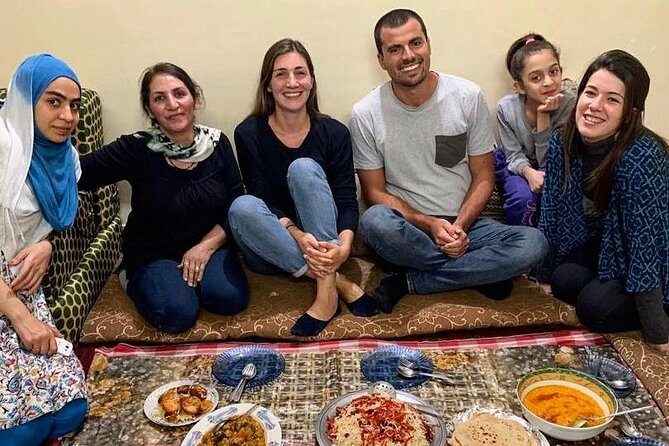
- Zareen’s Afghan home welcome: Persian-rooted hospitality, plus conversation with the family
- Kabuli Pulao and Bolani Banjan: classic comfort foods made at home
- Vegetarian and vegan options available: you can request meat-free dishes
- Hands-on family-style dining: you may help with small cooking tasks before the meal
- Private group experience: only your group participates
- Stairs matter: plan around the 75-step climb and no lift
Why This Afghan Home Meal in Delhi Feels Different
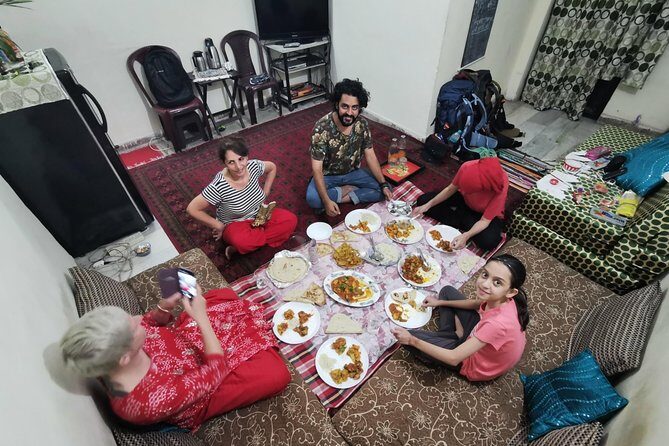
Delhi is full of great food stops, but this is a different category. You’re not collecting another restaurant stamp. You’re sitting in someone’s everyday life, with the smells of a home kitchen, and you’re meeting people who are actively building a future in India.
I like that the experience is both simple and meaningful. You start with lunch and you end with stories you can’t get from a food guide. Zareen is known locally for her cooking, and the family’s Persian roots show up in the way they host—warm, calm, and focused on making you feel comfortable.
There’s also a practical angle. The price isn’t just paying for a meal. The experience is designed to support the refugee community directly, so you’re contributing when you dine. That turns the table from a transaction into a relationship.
You can also read our reviews of more tours and experiences in New Delhi.

Meeting Zareen’s Family: What Happens at Arrival
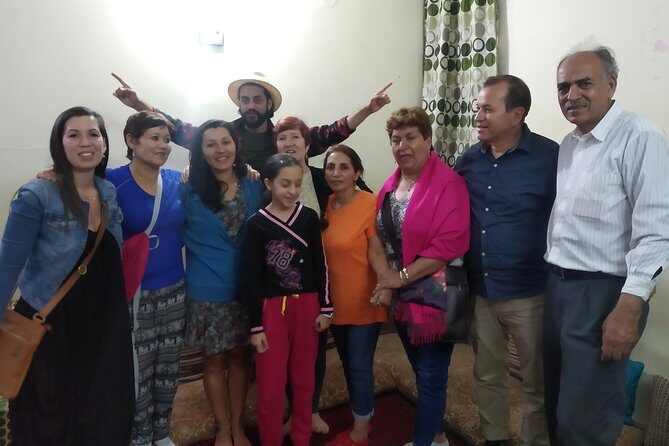
The experience starts at 11:00 am near Curry Mucher Vishnu Park (278G), Gandhi Park, Hauz Rani, Malviya Nagar, New Delhi, Delhi 110017. You’ll return to the same meeting point when it ends, so you’re not juggling transit after a full meal.
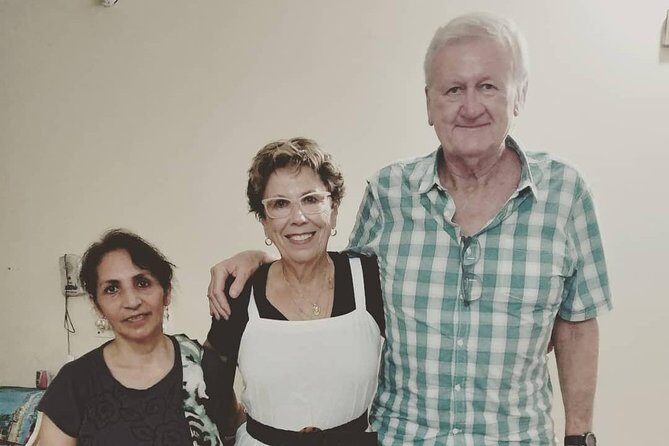
When you arrive, the vibe is usually what you hope for with a home visit: relaxed. The family welcomes you, and you get introduced to who’s who. Zareen is the matriarch and the heart of the cooking side, while other family members join the conversation so you can ask questions naturally.
One detail I value here is that you’ll likely meet someone who can help bridge language gaps. In past groups, a daughter named Marjan has served as an interpreter, making it easier to talk about daily life and personal history. Even if your questions are basic at first, the family’s responses help you go deeper.
Because this is a private tour/activity, it’s only your group. That matters. In a shared setting, it’s easy to feel like background noise. Here, the family can give you attention, and you can ask questions without feeling like you’re on a schedule.
The Real Menu: Kabuli Pulao, Bolani Banjan, and More
The food is the headline, and it’s not a generic spread. You’ll get Afghan favorites including Kabuli Pulao, Bolani Banjan, and kebabs (with vegetarian and vegan options available).
Kabuli Pulao is one of those dishes people recognize instantly once they taste it, rice cooked with the kind of spices and flavors that feel comforting rather than heavy. Bolani Banjan brings the street-food spirit of Afghan cuisine into a meal setting—soft, satisfying, and a great way to pace the meal before the rest comes out.
Then there are the kebabs. If you’re vegetarian or vegan, request that in advance so you’ll be served the appropriate version. The key for me is that the meal isn’t a “sorry, we tried” conversion. The experience explicitly offers vegetarian and vegan options, so you’re not guessing whether you’ll be okay once you sit down.
A small but important bonus: home cooking tends to be flexible. You can usually ask about how spicy something is, and the family can guide you based on your comfort level. That’s a level of control you won’t get in many restaurants.
How the Meal Turns Into a Shared Moment
This isn’t a sit-and-wait event. You’re there to connect, not just consume. In particular, the experience can include some light participation in the kitchen before or alongside eating—think along the lines of helping with small tasks rather than running a full production line.
That kind of “do a little, learn a lot” moment changes how you remember the meal. When you’re involved even briefly, you stop viewing the food as a finished product and start seeing it as a process. You notice the rhythm of the kitchen: how dishes move along, how everything gets timed, and how the family stays focused on serving everyone properly.
During dinner, conversation usually flows around daily life in Delhi and what it means to start over. Zareen’s family shares stories of their journey from Afghanistan and the challenges of rebuilding. It’s not just history as a timeline. It’s life details: what stayed the same, what changed, and how hospitality becomes a way of carrying culture forward.
And yes, there’s dessert. The sweetest part of the evening is often the simple moment you don’t rush past—the last bite, the slower pace, and the fact that you’re still talking when the meal is already finished.
Cultural Conversation: Stories, Persian Roots, and Everyday Rebuilding
Food opens the door, but conversation is what holds the whole thing together. The experience is built around listening: life in Afghanistan, the move to India, and what the family faced while rebuilding.
Zareen’s Persian roots come up naturally. You don’t need a lecture. The family’s tone, traditions, and the way they describe their past make the culture feel personal instead of academic. People often expect culture experiences to feel staged. This one is more like being invited into someone’s routine, then hearing the deeper story underneath it.
If you like asking questions, this is a good fit. You can ask about what daily life looks like now, what traditions they kept, and what they had to adapt. The answers tend to be practical and human, not polished.
If you’re less comfortable with talking, don’t worry. You can participate at your own pace. In a home setting, people don’t treat your quietness like awkwardness. They work around it.


Price and Value: What $30 Really Buys
At $30 per person for about 2 hours, you’re paying for several things at once:
- A home-cooked Afghan meal
- Guided cultural connection through shared conversation
- Direct support to a refugee family and their community
A restaurant meal might cover food only. This experience covers food plus human time plus community impact. That’s why the value feels strong even if you’re comparing it to pricier “food tours.”
There’s also a practical value layer. The experience includes a mobile ticket and offers group discounts, which can lower the per-person cost if you come with friends. Since it’s a private setup, you also get the benefit of not feeling like you’re sharing the table with strangers who are also trying to cram the same experience into an hour.
Bottom line: if your definition of good value includes meaning, conversation, and access to a home, this is a solid deal.
Getting There: Malviya Nagar Logistics That Matter
The meeting point is in Malviya Nagar, near Curry Mucher Vishnu Park, Gandhi Park, Hauz Rani. The start time is 11:00 am, and the activity returns to the meeting point afterward.
The listing notes it’s near public transportation, which matters because home locations can be tricky if you rely only on taxis or app rides. I’d still plan a bit of buffer time. In quiet residential areas, finding the exact spot can take longer than you think—especially if your map app struggles with smaller entrances.
Also check what you’re wearing and how you move. There are 75 steps to climb and no lift, and there’s an explicit note that it’s not recommended for elders with knee problems. If stairs are a concern for you, this is the one item that can turn a great experience into stress.
Service animals are allowed, which is helpful if you travel with one.
Who Should Book This and Who Should Rethink It
This is ideal if you:
- love Afghan food and want it in a home setting, not a staged tasting room
- enjoy conversation and learning through stories, especially about rebuilding and resilience
- want your money to do something tangible—this experience directly supports the refugee community
- prefer smaller, personal experiences where you aren’t competing for attention
This may not be ideal if:
- you can’t manage the 75-step climb or need step-free access
- you’re looking for a fast-paced, sightseeing-heavy day (this is about sitting, eating, and talking)
Most people can participate, but the stairs rule is the big one. If you’re on the fence, be honest about your comfort level with steps.
Should You Book This Afghan Refugee Family Meal in Delhi?
If your goal is a Delhi experience that feels human and local, I’d say yes. This isn’t just about tasting Afghan classics like Kabuli Pulao and Bolani Banjan. It’s about connecting with Zareen’s family, hearing their journey, and supporting the refugee community through your attendance.
Two reasons to book now:
- The food is clearly central, with vegetarian and vegan options available.
- The table is built for connection, and the family’s warmth makes it feel safe to ask questions.
One reason to hesitate:
- Stairs. If you need an easier route than 75 steps and no lift, skip it and look for another cultural meal experience that fits your mobility needs.
If the stairs work for you, this is the kind of meal that follows you home—because you remember people, not just flavors.
FAQ
What time does the Afghan meal start?
The experience starts at 11:00 am.
How long is the experience?
It lasts about 2 hours.
Where is the meeting point?
You’ll meet at Curry Mucher Vishnu Park, 278G, Gandhi Park, Hauz Rani, Malviya Nagar, New Delhi, Delhi 110017, India. The activity ends back at the same meeting point.
Is there a vegetarian or vegan option?
Yes. There is a vegetarian & vegan option available.
Is this a private tour or shared group activity?
It’s private, so only your group participates.
Is there a lift or is it mostly stairs?
There is no lift, and the home involves 75 steps to climb.
Are service animals allowed?
Yes. Service animals are allowed.
Can I cancel and get a refund?
Yes. Cancellation is free up to 24 hours in advance of the start time for a full refund.