REVIEW · NEW DELHI
From Delhi: 2-day Golden Triangle trip to Agra and Jaipur
Book on GetYourGuide →Operated by Chaman Duggal Private Tours · Bookable on GetYourGuide
One city’s magic, then two days of royal sights. This is a tight Golden Triangle run that takes you from Delhi to Agra and on to Jaipur with an English-speaking guide.
What I like most is the balance between big-ticket icons and the “why it matters” story. You’re not just ticking off sights like the Taj Mahal and Amer Fort; you’re hearing the background in English so the places make sense quickly.
One drawback to plan for: monument entry fees, camera charges, and meals aren’t included, so your final spend can run higher than the base price. Also, it’s a full schedule, so you’ll want comfortable shoes and patience for traffic.
In This Review
- Key highlights to look for
- A 2-day Golden Triangle that actually works from Delhi
- The one thing to keep in mind
- Day 1: Delhi to Agra, Taj Mahal first, then Agra Fort, onward to Jaipur
- Taj Mahal: plan for the light and the mood
- Agra Fort: the UNESCO stop that adds depth
- Transfer to Jaipur and overnight stay
- Day 2 in Jaipur: Amber Fort, Jal Mahal, Hawa Mahal, City Palace, Jantar Mantar
- Amber Fort: the fort that feels like a stage
- Jal Mahal (Water Palace): the photo moment with context
- Hawa Mahal and City Palace: pink-city spectacle + royal function
- Jantar Mantar: the observatory that surprises people
- Back to Delhi
- Guides and drivers: the real reason this trip feels safe and smooth
- A quick note on meals
- Price and value: how $16 can be a great deal (and where costs add up)
- What’s included (the part you should care about)
- What’s not included (budget for it)
- Timing, crowds, and what to pack so the days feel easy
- Crowd reality check (what to expect)
- Who this Golden Triangle tour is best for
- Should you book this 2-day Delhi–Agra–Jaipur tour?
- FAQ
- What cities are included on this 2-day Golden Triangle trip?
- Is hotel accommodation included?
- Are monument entrance fees included?
- What language is the live guide?
- How does pickup and drop-off work?
- What should I bring, and is there anything not allowed?
Key highlights to look for
- English guide time in both cities so you understand what you’re seeing, not just where to stand
- Skip-the-ticket-line for smoother access at major sights (entry fees still extra)
- Air-conditioned car + private group for a more relaxed pace across long travel stretches
- Agra Fort UNESCO stop plus the Taj Mahal experience without rushing through
- Jaipur’s must-sees in one day: Amber Fort, Hawa Mahal, City Palace, and Jantar Mantar
- Driver support that keeps things flexible, with mineral water onboard
A 2-day Golden Triangle that actually works from Delhi
A lot of Golden Triangle tours promise the world and then feel chaotic. This one is designed for the reality of limited time: 48 hours, two cities, and a private car to keep the transfers simple.
The value is in how the day-by-day flow is structured. You start early out of Delhi, focus your first day on Agra’s headline monuments, and then move onward to Jaipur without wasting the second morning. Then day two is a concentrated Jaipur circuit—forts, palace architecture, and the observatory—before you head back to Delhi.
This tour is also the kind of setup that helps first-timers. You have both a driver and a live English guide for Agra and Jaipur, so you’re not trying to translate your way through logistics and crowd navigation. In practice, that means you can focus on the sights—and ask questions—rather than just moving from gate to gate.
A few more New Delhi tours and experiences worth a look

The one thing to keep in mind
You’re doing a lot in a short period. If you’re the type who likes slow museum time and long café breaks, you may feel the pressure. But if you’re here for the big monuments and want context fast, this schedule fits.
Day 1: Delhi to Agra, Taj Mahal first, then Agra Fort, onward to Jaipur
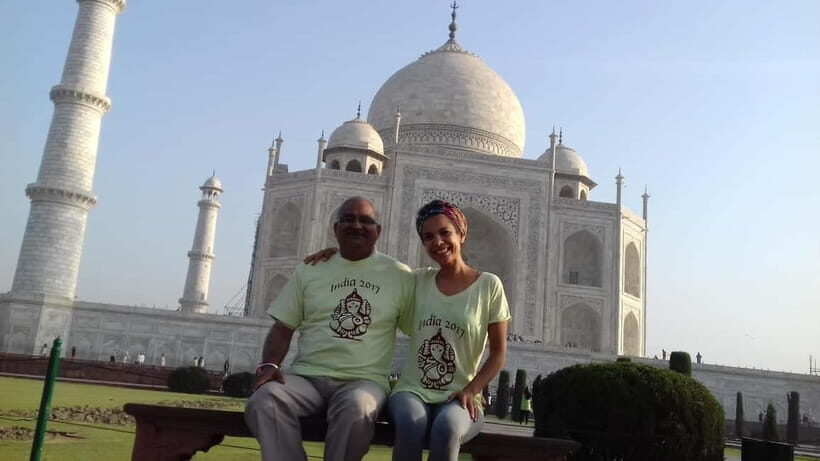
Day 1 starts with an early pickup from your Delhi hotel (or the airport/railway station pickup is included). From there, the drive is by air-conditioned car with a driver, with mineral water provided—small comfort, but it matters when you’re moving fast.
Taj Mahal: plan for the light and the mood
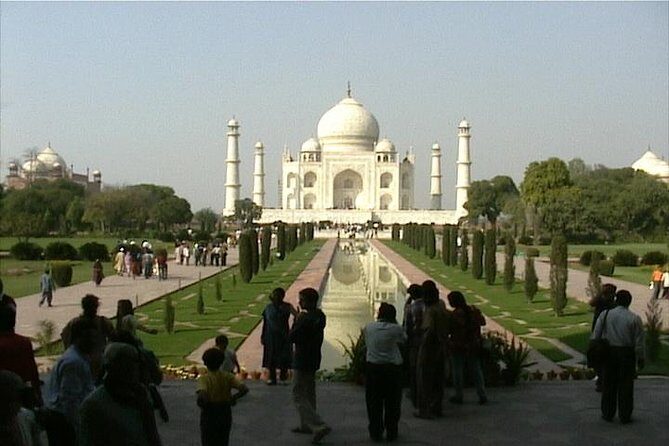
The Taj Mahal is the reason most people do this route, and it’s the right choice to hit early. You’ll go straight there first, then move on rather than treating it as an afterthought. A good guide can also help with timing based on conditions. On similar departures, guides adjusted plans around weather to make the visit more enjoyable, which is smart because visibility and crowd pressure can shift during the day.
What to do while you’re there:
- Take a full lap and don’t rush the perspective changes. The façade looks different as you move.
- Ask your English guide what you’re looking at—materials, layout ideas, and why certain design choices exist. That’s the part that turns it from a postcard into something you understand.
Agra Fort: the UNESCO stop that adds depth
After the Taj Mahal, you’ll visit Agra Fort, a UNESCO heritage site. If the Taj is the famous romantic icon, Agra Fort is the practical, power-and-defense side of the same world. It helps to have a guide here because the layout is less intuitive than the Taj. You’ll get the meaning behind the spaces instead of staring at walls and hoping it clicks.
Expect:
- More time looking closely at architecture than posing for photos.
- Better understanding of how the city’s rulers shaped what you see today.





Transfer to Jaipur and overnight stay
Once Agra is done, you’ll proceed to Jaipur and stay overnight. Hotel quality depends on the option you choose:
- 3-star options include properties like 3-King Palace / Nahargarh (or similar)
- 4-star options include Ramada / Golden Tulip (or similar)
- 5-star options include Radisson Blu City Center / Hilton / Trident (or similar)
This overnight stop is important. It prevents a late-night scramble and makes day two start cleanly.
Day 2 in Jaipur: Amber Fort, Jal Mahal, Hawa Mahal, City Palace, Jantar Mantar
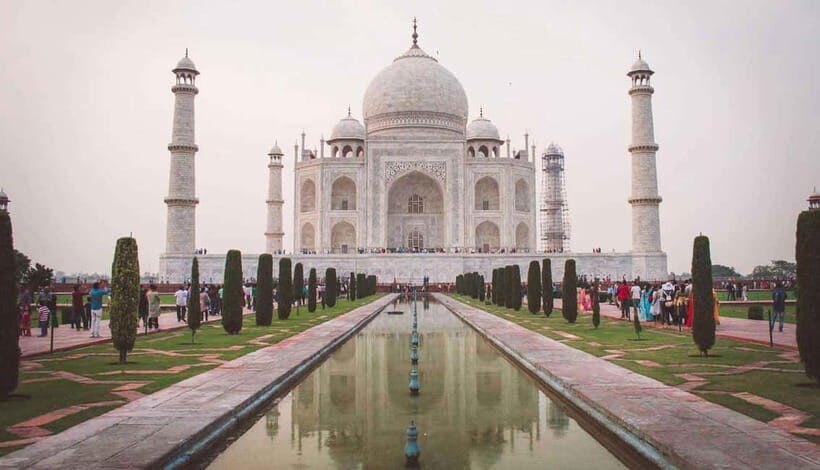
Day 2 begins with a pickup from your Jaipur hotel at 8:00 am. Then it’s a full circuit of Jaipur’s headline sights, designed to minimize backtracking.
Amber Fort: the fort that feels like a stage
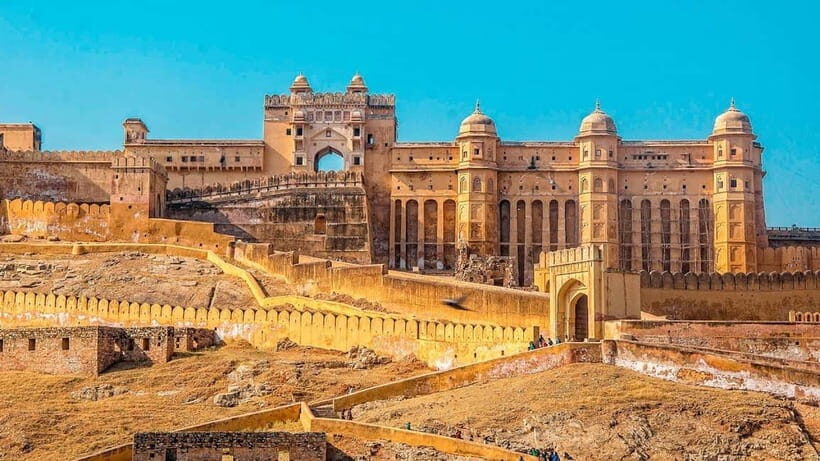
You’ll visit Amer (Amber) Fort, one of the most visually dramatic forts in Rajasthan. The value here isn’t only the views—it’s the way the spaces connect. With an English guide, you can understand what you’re seeing as you walk: how rulers used the site, how the plan works, and why certain areas matter.
Practical tip: wear shoes you can trust. You’ll cover ground and you’ll want grip.
Jal Mahal (Water Palace): the photo moment with context
Next comes the Water Palace (Jal Mahal). It’s famous for that “floating” look, but what makes it more interesting is knowing what you’re actually looking at—how the surrounding water ties into the fort-and-palace environment.
If you’re a photographer, you’ll want to take a few frames from different angles. Even if you can’t control the crowd level, you can control how you compose.
Hawa Mahal and City Palace: pink-city spectacle + royal function
You’ll also see Hawa Mahal and City Palace.
- Hawa Mahal is striking and easy to recognize, but it’s also worth learning what the design was for.
- City Palace gives you a more grounded view of royal life and how power lived in everyday spaces.
Your guide’s role matters a lot here. Without context, Hawa Mahal becomes a façade stop. With context, it becomes a clever design response to a specific social and cultural setting.
Jantar Mantar: the observatory that surprises people
Finally, you’ll visit Jantar Mantar, Jaipur’s observatory. This is one of those stops where people either love it or wonder why it’s on the list. An English guide helps you read the instruments as tools built for measurement and prediction, not just historic ornaments.
Back to Delhi
After the Jaipur circuit, you’ll head back to Delhi for drop-off at your hotel, the airport, or elsewhere in the city tour flow. This matters because it turns the day into a complete loop rather than leaving you to figure out the hardest part at the end.
Guides and drivers: the real reason this trip feels safe and smooth
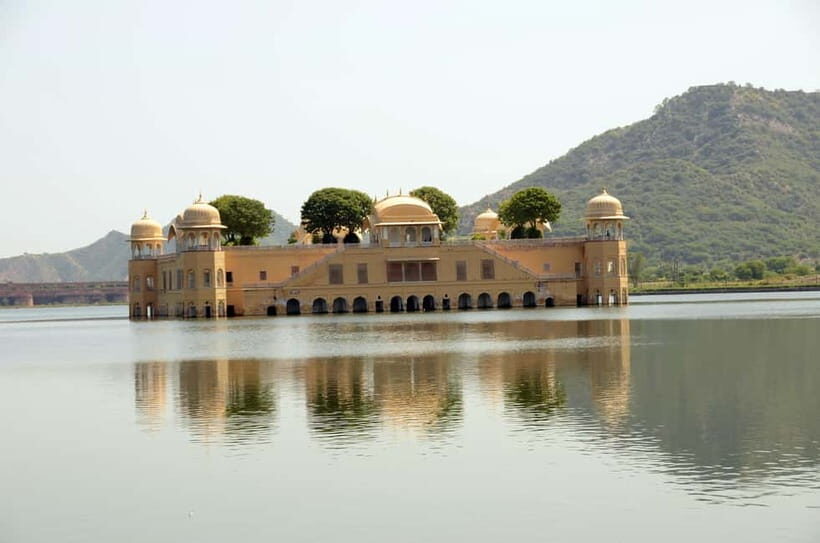
The tour is set up as a private group, and that privacy pays off most with two people: your driver and your English guide.
From examples like Ajay (driver) and Rajesh (Jaipur guide), the standout pattern is practical support. Ajay was described as flexible and friendly, giving advice before attractions and handling driving smoothly. Rajesh’s storytelling style made the palace visits and Jantar Mantar feel more alive, with strong English and good historical context.
Other guide/driver pairings mentioned with excellent results include:
- Arif as an Agra guide
- Krishna as a Jaipur guide
- drivers such as Mantun and Bobby
- coordination by someone like Sonu behind the scenes
You don’t need to memorize those names to benefit, but it tells you something real: this operator invests in the human layer of the trip. That’s a big deal in India, where an efficient plan can save you time and stress.
A quick note on meals
Meals are not included. Still, you’ll likely have time for breaks. One reason guided days feel easier is that the lunch stop is usually clean and simple to handle—especially when your schedule is tight.
Price and value: how $16 can be a great deal (and where costs add up)

The headline price shown is $16 per person, for a 2-day trip covering Agra and Jaipur. That price feels almost too good—until you look at what’s included vs. not.
What’s included (the part you should care about)
You’re getting:
- Live English guide in Agra and Jaipur
- Air-conditioned car + driver
- pickup and drop-off arrangements in Delhi and Jaipur/Delhi end
- mineral water, fuel, tolls, parking, and state tax
When a tour includes that level of logistics plus a guide, you’re paying for fewer uncertainties. For many people, that’s worth more than shaving a few dollars off the price.
What’s not included (budget for it)
You still pay separately for:
- Monuments entrance fees
- Camera charges
- Meals
- any activity not specifically listed in the plan
So the real comparison isn’t just the sticker price. It’s sticker price + entry fees + your personal choices for food and photos. If you plan ahead, you’ll avoid that last-day surprise feeling.
Timing, crowds, and what to pack so the days feel easy
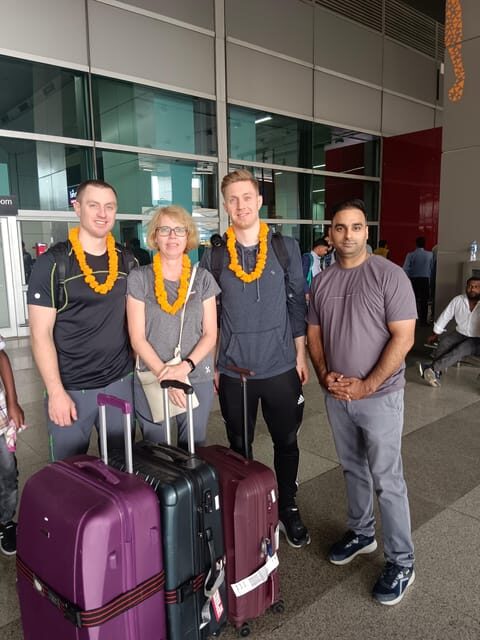
This tour is early-start friendly. You’ll be picked up in Delhi early on day one, then you’ll start again at 8:00 am on day two from Jaipur.
That means:
- Bring a passport or ID card
- Avoid shorts (they’re listed as not allowed)
- Pack for walking and heat—this is comfortable-shoe country
Also, keep your expectations realistic. You’ll be moving continuously between highlights. The good news is you’re not doing it alone—you’ll have a driver and a guide to help you navigate each site.
Crowd reality check (what to expect)
With the “skip ticket line” feature, you avoid some waiting at major entrances. Still, iconic sights can get crowded. Your best strategy is to focus on the experience in front of you, not on achieving a perfect photo with zero people.
Who this Golden Triangle tour is best for
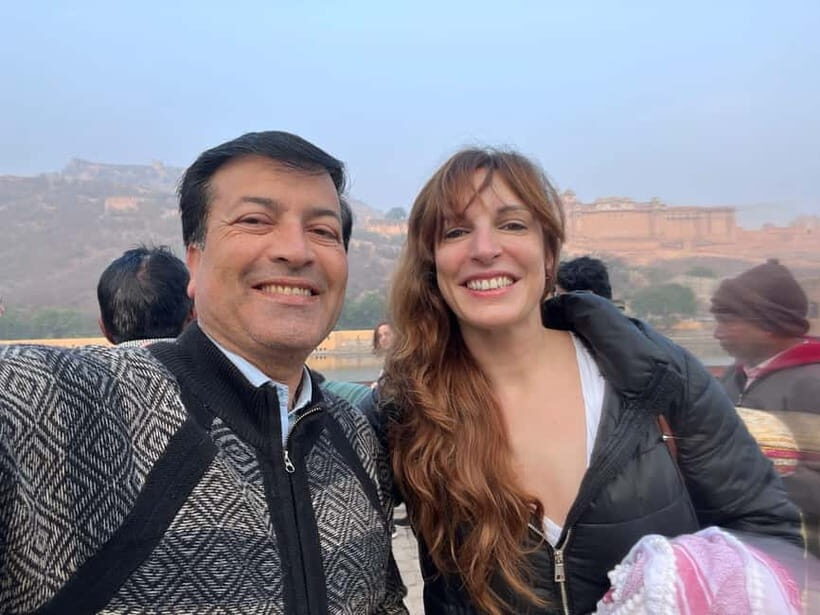
This tour is a strong fit if you:
- have only two days and want the essential Agra + Jaipur sights
- want an English guide to explain what you’re seeing
- prefer private transport so you can move efficiently
- like historic architecture and want more meaning than just sightseeing photos
It’s less ideal if you:
- want a slow pace or lots of free time for spontaneous detours
- plan to turn the trip into a shopping day every afternoon
- hate early starts
Should you book this 2-day Delhi–Agra–Jaipur tour?
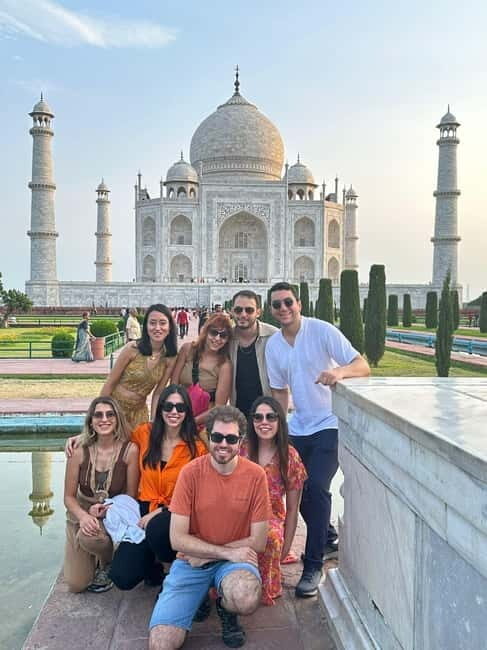
I’d book it if your priority is classic sights done efficiently, with English guidance and a reliable car setup. The schedule is tight, but that’s also why it works for short trips. The guide-and-driver structure is the real quality marker here, and examples like Ajay and Rajesh (plus other excellent pairs) suggest the tour focuses on more than just moving you around.
Skip booking only if you need lots of flexibility for extra activities or you’re worried about paying additional entrance fees and meal costs. If you’re okay budgeting for those, this is a smart way to see the Golden Triangle highlights without turning your trip into a logistical headache.
FAQ

What cities are included on this 2-day Golden Triangle trip?
It covers Agra and Jaipur over two days, starting from Delhi and ending with drop-off back in Delhi.
Is hotel accommodation included?
One night accommodation is included only if you choose the hotel option. The tour also lists 3-star, 4-star, and 5-star hotel options in Jaipur (or similar).
Are monument entrance fees included?
No. Monument entrance fees and camera charges are not included in the price.
What language is the live guide?
The tour includes a live English guide (and the information also lists English and Hindi availability for languages).
How does pickup and drop-off work?
Pickup is included from your Delhi hotel or the airport/railway station, and you’ll be dropped off back in Delhi at your hotel or the airport.
What should I bring, and is there anything not allowed?
Bring a passport or ID card. Pets are not allowed, and shorts are not allowed.