REVIEW · NEW DELHI
Chardham Yatra Tours Packages From Delhi | Char Dham Yatra from Delhi
Book on Viator →Operated by Namaste India Trip · Bookable on Viator
Four temples. One big mountain calendar.
This Char Dham Yatra from Delhi is built like a steady circuit: early drives, temple visits, and short treks where you trade highway comfort for river and glacier views. You start at New Delhi Railway Station Gate 2 at 6:00am, get a mobile ticket, and return to Delhi by about 5:00am on day 12. The route also wraps in Haridwar’s evening aarti and a Rishikesh-side transfer, so you’re not only chasing temples in the mountains.
What I like most is how the trip is run as a system, not just a list of stops. In particular, the tour experience is backed by a careful, people-first team, with a guide named Gaurav who takes charge of everyone’s pace, plus a driver (Chandan) who handles tough terrain, and a cook named Cheran making sure meals show up even at odd hours. Second, the rhythm is thoughtfully designed for first-timers: Haridwar for grounding rituals on day 1, then gradual elevation through Yamunotri and Gangotri, then Kedarnath and Badrinath.
One consideration: the package includes hotels, but quality seems to vary, and there are complaints about accommodation standard and cleanliness. So keep expectations realistic, and ask what “clean” means for the room you’ll get—because in this region, you’ll spend more time outdoors than you think, but you’ll still sleep.
In This Review
- Key highlights you’ll actually feel on the trip
- How the 12-day Delhi-to-Char-Dham route works (and why it’s practical)
- Day 1 Haridwar: a strong start at Har ki Pauri
- Day 2 Dehradun to Barkot: start easing into the hills
- Day 3 Yamunotri via Janki Chatti: a trek that’s short on paper, not on effort
- Day 4 Uttarkashi: cave + a temple stop that feels historic in spirit
- Day 5 Gangotri: altitude air and an icy river dip
- Day 6 Sitapur / Guptkashi: registration day before Kedarnath
- Day 7 Kedarnath trek from Sonprayag: warm gear and a realistic plan
- Day 8 Afternoon run to Pipalkoti: a buffer day you’ll appreciate
- Day 9 Badrinath via Joshimath, Vishnu Prayag, and Mana Village
- Day 10 Rishikesh-side transfer: prayer stops on the way to Srinagar (Uttarakhand)
- Day 11 Back to Haridwar + Har ki Pauri, then coach to Delhi
- Day 12 Delhi arrival: tour ends early
- Price and value: what $612.11 is really buying you
- Logistics you should not ignore: mobile ticket, group size, and the pace
- Packing and temple-day tactics that make the route easier
- Should you book this Char Dham package from Delhi?
- FAQ
- How long is the Char Dham yatra tour from Delhi?
- What is the meeting point and start time?
- What are the four Char Dham destinations included?
- Is a mobile ticket provided?
- What is included in the price?
- Are meals included every day of the trip?
- Can I take a pony/doli or helicopter for Kedarnath?
- How strenuous are the treks?
- What should I pack for Kedarnath?
- What is the cancellation window?
Key highlights you’ll actually feel on the trip
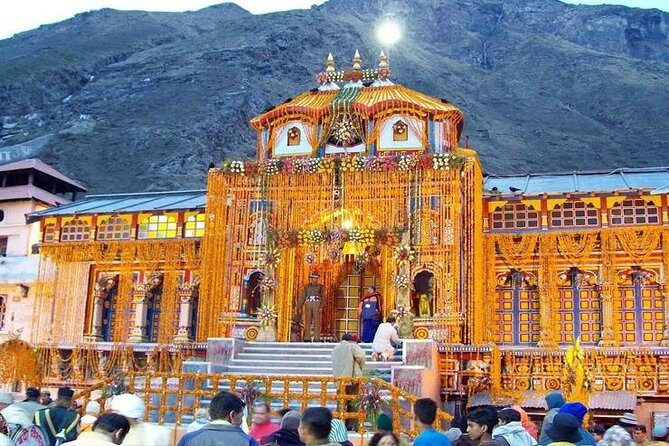
- A real pilgrimage loop with a return clock: start 6:00am from New Delhi Gate 2 Ajmeri Gate and finish back at the meeting point around 5:00am
- Two manageable treks that matter: about 6 km to Yamunotri from Janki Chatti, and a Kedarnath trek from Sonprayag with walking or pony/doli options
- Optional helicopter for Kedarnath at extra cost: if weather or your body’s pace doesn’t agree with the trek
- Ritual time that fits the route: Har ki Pauri bathing and evening Aarti, plus key temple rituals at each dham
- Support crew named in real-world accounts: Gaurav as guide, Chandan as driver, and Cheran as the kitchen team lead
- Meals included for a large chunk of the journey: breakfast, lunch, and dinner listed for 10 days
How the 12-day Delhi-to-Char-Dham route works (and why it’s practical)
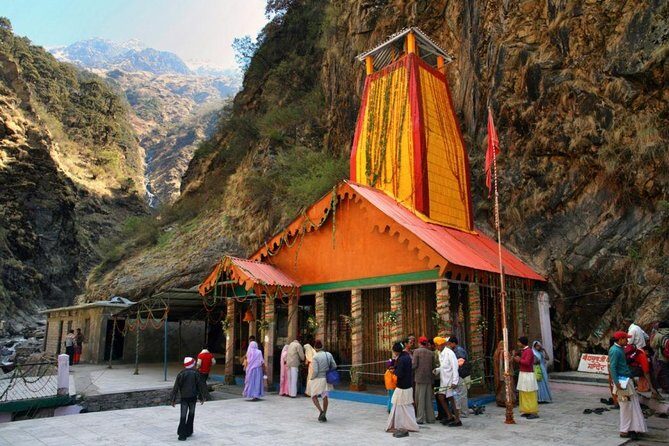
If you’re trying to do Char Dham without turning it into a logistics project, this kind of packaged loop is built for you. The itinerary keeps the moving parts mostly in one operator’s hands: arrival assistance in Delhi, transfers between towns, and hotel check-ins at each stage.
It’s also practical because it doesn’t pretend the mountains are easy. You’ll spend days driving through hilly roads, then swap into short trek legs where your body has to cooperate. And because you’re going in a fixed order—Yamunotri and Gangotri first, then Kedarnath, then Badrinath—you’re not jumping into the hardest day cold.
One more reason I like this format: it repeats key spiritual moments at the beginning and near the end. You start with Haridwar’s Ganga rituals and aarti at Har ki Pauri, then you end with more Ganga time before the coach returns you to Delhi. It creates a “before and after” feeling that makes the whole trip read like one continuous story.
You can also read our reviews of more tours and experiences in New Delhi.


Day 1 Haridwar: a strong start at Har ki Pauri
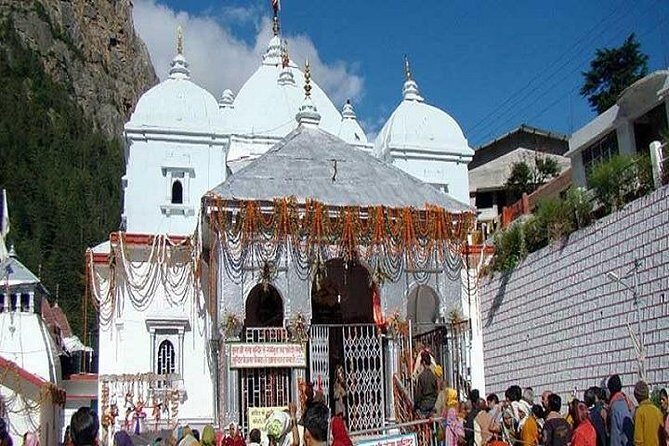
You land in New Delhi, then move to Haridwar and check in. In the evening, you’re taken to the river for ritualistic bathing on the Ganges and to the famous evening Aarti at Har ki Pauri.
This matters, even if you’re not doing everything in ritual detail. Haridwar is where the trip’s tone settles. You’ll get that lived-in, local rhythm right away—incense, lamps, pilgrims moving along the ghats—and you’ll feel less like you’re only visiting sites from a checklist.
If time permits, there’s also mention of Manasa Devi temple. That’s a nice add-on when your first day isn’t completely drained by the day’s travel.
Day 2 Dehradun to Barkot: start easing into the hills
Next morning you drive toward Barkot via Dehradun and Mussoorie. You get a stop at Kempty Fall, with the route subject to road conditions and traffic.
This day is basically your warm-up. It’s long-distance driving, but it helps because you start watching the region change: from city edge to hill roads, from flatter views to sharper angles and more mountain presence. If you’re the type who hates arriving exhausted, this staging helps.
Day 3 Yamunotri via Janki Chatti: a trek that’s short on paper, not on effort
Early on, you’re dropped at Janki Chatti, and the trek to Yamunotri is about 6 km. You can walk, or you can take a pony/doli option at your own cost.
Once you reach Yamunotri, you’ll find prasad-related activity at local shops—then the main spiritual moment: a holy dip either in the natural hot water spring or in the Yamuna (the itinerary notes it as icy cold). There are also temple traditions centered around Surya Kund, including the idea of cooking rice in the hot spring, then taking it home as prasad.
You’ll also be able to offer prayers to Divya Shila, and then you descend back to Jankichatti before returning to Barkot.
My practical take: Yamunotri is one of the best places to set your pace early. You’re not in a brutal trek like some high passes, but it’s still the first day you’ll feel the “mountain body” thing—breathing heavier and legs working.
Day 4 Uttarkashi: cave + a temple stop that feels historic in spirit
You head from Barkot toward Uttarkashi. En route, the plan includes Prakateswar Mahadev (Shiv Cave) and the Kashi Vishwanath temple at Uttarkashi.
Then you check in and spend the night in Uttarkashi. The town is described as sitting along the Bhagirathi River, which ties neatly into why this region is so central for Shiva-oriented worship. If you like adding meaning to scenery, Uttarkashi is a good place to pause and let the river connection sink in.



Day 5 Gangotri: altitude air and an icy river dip
Morning drive takes you to Gangotri (3048 mts). The route runs parallel to the Bhagirathi River, and you’ll get the kind of Himalaya views that make you stop talking for a moment.
At Gangotri, the itinerary includes a dip in the Bhagirathi, followed by pooja and Hindu rites on the riverbank. You’re also set up for darshan of Mata Ganga and other associated deities mentioned in the plan: Lord Shiva, Hanuman, Vinayaka, and Bhagirath Maharaj. Then you return to Uttarkashi for the night.
Two realities to plan for:
- The cold dip is not optional in spirit, but it is optional in how you manage it. Wear layers you can control fast.
- This day often sets your energy level for Kedarnath later. So if you’re feeling wiped, keep the rest of the day simple.
The itinerary also notes Harsil as a nature-rich stop in the general region you pass through. Even if you don’t treat it like a tourist stop, it’s the kind of setting that keeps the journey from feeling monotonous.
Day 6 Sitapur / Guptkashi: registration day before Kedarnath
Today is a shift day. You drive to Sitapur / Guptkashi and do registration for visiting Kedarnath.
This is the kind of administrative day that doesn’t look exciting on paper, but it reduces stress later. You want Kedarnath to feel like a pilgrimage day, not a scramble to figure out permits at the last minute.
Overnight in the hotel keeps you close to the next morning’s start.
Day 7 Kedarnath trek from Sonprayag: warm gear and a realistic plan
Early you’re dropped at Sonprayag for the trek to Kedarnath. The plan is either to walk or take pony/doli at your own cost.
The itinerary also mentions helicopter service is available for Kedarnath at your own cost. That detail is important because Kedarnath is the hardest spiritual day in this route for many bodies, even if you’re fit.
The trip also gives you a straight packing hint: carry personal medicines, heavy woolen, toiletries, and clothes. Don’t treat that as generic advice. In these valleys, cold can hit harder than you expect, and you don’t want to run your trip on last-minute purchasing.
After pooja and darshan of Shri Kedarnathji, you return to Sitapur and sleep.
Day 8 Afternoon run to Pipalkoti: a buffer day you’ll appreciate
Instead of rushing into Badrinath immediately, this day is a more relaxed transition. You depart around 12:00 noon (the itinerary’s approximate time) to Pipalkoti, check in, and overnight there.
This is a smart breathing day. If you’ve walked, ascended, and sat in cars for several days already, you’ll welcome the slower start before you go into Badrinath Temple day.
Day 9 Badrinath via Joshimath, Vishnu Prayag, and Mana Village
Morning drive takes you to Badrinath, and you hit several stops along the way:
- Joshimath for Narasimha Temple
- Vishnu Prayag
- Then Mana Village, described as the last village toward the Indo-Tibetan border, with stops such as Vyasa Gufa, Ganesh Gufa, Bhim Pul, and Saraswati river
Then you check into the hotel area and visit Badrinath Temple after a holy dip in Tapt Kund. The itinerary lays out darshan through the main entrance, naming multiple deities you can spot within the temple compound: Ganesh, Kubera, Garuda, Narada, Udhhav, Nar & Narayan. It also notes smaller temples inside the compound, including Laxmimata, Nar-Narayana, Hanuman, Ghantakarna, and Kaamdhenu.
This is one of the days where the trip becomes more than travel—it becomes a ritual route with a lot of sighting and listening, not just walking. My advice: don’t try to memorize every deity. Instead, focus on the physical rhythm: dip timing, temple flow, and keeping your body warm.
Day 10 Rishikesh-side transfer: prayer stops on the way to Srinagar (Uttarakhand)
After breakfast, you transfer toward Srinagar and make en-route stops at Karanprayag, Nandprayag, and Rudraprayag, plus Dhari Devi temple. Then you arrive, check in, and overnight.
Even if you don’t plan to stop for long at each prayag, these are the kind of waypoints that keep the drive interesting. It’s not just straight road hours. The geography here is tied to river confluences, and the temples reinforce that meaning in a way you can feel even from a short stop.
Day 11 Back to Haridwar + Har ki Pauri, then coach to Delhi
Morning drive to Haridwar, with an important stop at Devprayag, where Alaknanda and Bhagirathi meet. After that confluence, the itinerary notes the river downstream is called the Ganges.
Then you proceed to Haridwar for ritual bathing and the evening Aarti at Har-ki-Pauri again. You’re also told about Brahma Kund at Har ki Pauri, plus an option to visit Manasa Devi temple if time allows.
After dinner, you board the coach to Delhi for an overnight journey.
This is the day where you should be honest with yourself about energy. You’ll likely be tired, and it’s easy to rush through the second Haridwar moment. Try not to. That final evening Aarti is one of the most soothing parts of the itinerary.
Day 12 Delhi arrival: tour ends early
You arrive in Delhi around 05:00am. The tour ends back at the meeting point, and you’re back where you started: New Delhi Railway Station Gate 2 Ajmeri Gate.
It’s an early finish, but that’s also helpful. You aren’t forced to do more sightseeing the same day unless you want to.
Price and value: what $612.11 is really buying you
At $612.11 per person for an approximately 12-day circuit, the value depends on what you consider essential.
What’s included:
- Meals: breakfast, lunch, and dinner listed for 10 days
- Admission tickets shown as free in the itinerary day blocks
- Tour support and transfers across the main route
What’s not included (so you should budget for it):
- GST
- Expenses of personal nature like tipping, laundry, calls, camera fees
- Any insurance
- Extra charges from train, doli/pony, helicopter, and auto charges in Rishikesh & Haridwar
- Ropeway ticket
- Delays or claims from natural events like landslides and road blocks
Here’s the real value angle: you’re paying for reduced decision fatigue. In this region, changing plans can be costly and time-consuming. The package helps you keep the pilgrimage sequence intact.
But I’d plan a little extra for the paid options. Trek fatigue is real, and the itinerary explicitly allows pony/doli and helicopter at your own cost. If you’re sensitive to cold or steep sections, building in that flexibility is how you avoid a miserable surprise.
Logistics you should not ignore: mobile ticket, group size, and the pace
This tour runs with a maximum of 27 travelers, which usually means you’ll have enough coordination without feeling lost in a huge crowd.
You’ll start at a specific place and time: New Delhi Railway Station Gate 2 Ajmeri Gate at 6:00am. That means you should plan your Delhi night so you’re not sprinting in the dark. The itinerary says you’ll get assistance on arrival at Delhi airport/railway station, but your meeting point is still the anchor.
Also pay attention to the fitness line. It says you should have moderate physical fitness. That’s consistent with:
- A trek of about 6 km to Yamunotri from Janki Chatti
- The Kedarnath trek from Sonprayag (with the option of pony/doli or helicopter)
If you’re someone who only walks flat ground comfortably, you’ll probably feel the pinch. Still possible, but you’ll need a firm plan for pacing and warmth.
Packing and temple-day tactics that make the route easier
The itinerary itself suggests heavy woolens for Kedarnath. I’d treat that as your baseline truth for the whole circuit, because mornings can feel sharp even when afternoons look mild.
A smart approach:
- Keep your warm layer easy to access for trek and evening temple flow
- Carry personal medicines since the plan explicitly says you should bring them
- Bring the basics you normally forget under time pressure: toiletries and a few simple comfort items
- If you’re considering pony/doli for Yamunotri or Kedarnath, decide ahead of time so you don’t lose momentum when you arrive
Temple timing can also be intense. Your best move is to go with the flow and avoid long detours on your own once the group is set for darshan and return transfers.
Should you book this Char Dham package from Delhi?
I’d recommend this tour if you want a structured Char Dham route from Delhi with meaningful spiritual stops, and you prefer having transport, check-ins, and daily coordination handled for you. The route makes sense for first-timers because it eases you in—Haridwar and Yamunotri first, Gangotri next, then the bigger commitment of Kedarnath, followed by Badrinath.
I’d hesitate only if you’re very picky about hotel standards. There are negative signals tied to accommodation cleanliness and overall quality in some accounts, so you’ll want to confirm what you’re getting for your room. Also, if you know you’ll struggle with moderate treks, plan for your backup option like pony/doli or helicopter at your own cost.
If you go in with flexible expectations, warm gear, and a calm attitude about mountainous schedules, this is the kind of itinerary that can leave you with more peace than stress.
FAQ
How long is the Char Dham yatra tour from Delhi?
It is listed as approximately 12 days.
What is the meeting point and start time?
The tour starts at New Delhi Railway Station Gate 2 Ajmeri Gate, Delhi 110002, India at 6:00am.
What are the four Char Dham destinations included?
The tour includes Yamunotri, Gangotri, Kedarnath, and Badrinath.
Is a mobile ticket provided?
Yes, the tour features a mobile ticket.
What is included in the price?
The package includes breakfast, lunch, and dinner (listed for 10 days). GST is not included.
Are meals included every day of the trip?
Meals are listed as included for 10 days (breakfast, lunch, and dinner).
Can I take a pony/doli or helicopter for Kedarnath?
Yes. The itinerary says pony/doli is at your own cost, and helicopter service is also available for Kedarnath at your own cost.
How strenuous are the treks?
Yamunotri includes a trek of about 6 km from Janki Chatti. Kedarnath involves a trek from Sonprayag, with walking or pony/doli options.
What should I pack for Kedarnath?
The itinerary advises carrying personal medicines, heavy woolen, toiletries, and clothes.
What is the cancellation window?
You can cancel up to 6 days in advance for a full refund, cancel 2–6 days before for a 50% refund, and cancel less than 2 days before with no refund.